Most conversations about how to survive a veterinary career is a conversation with the survivors. We interview the vets who are still standing. The vets and nurses who left? Nobody interviews them. In this episode you’ll hear why we should be listening to these voices. Dr Alex Harrison is a veterinarian, a former practice partner, and the founder of the inclusion consultancy Vetquity. He is also profoundly deaf, and in this conversation he shares about what it cost him to spend years desperately trying to compensate inside a system that was never designed for people l...
Most conversations about how to survive a veterinary career is a conversation with the survivors. We interview the vets who are still standing. The vets and nurses who left? Nobody interviews them. In this episode you’ll hear why we should be listening to these voices.
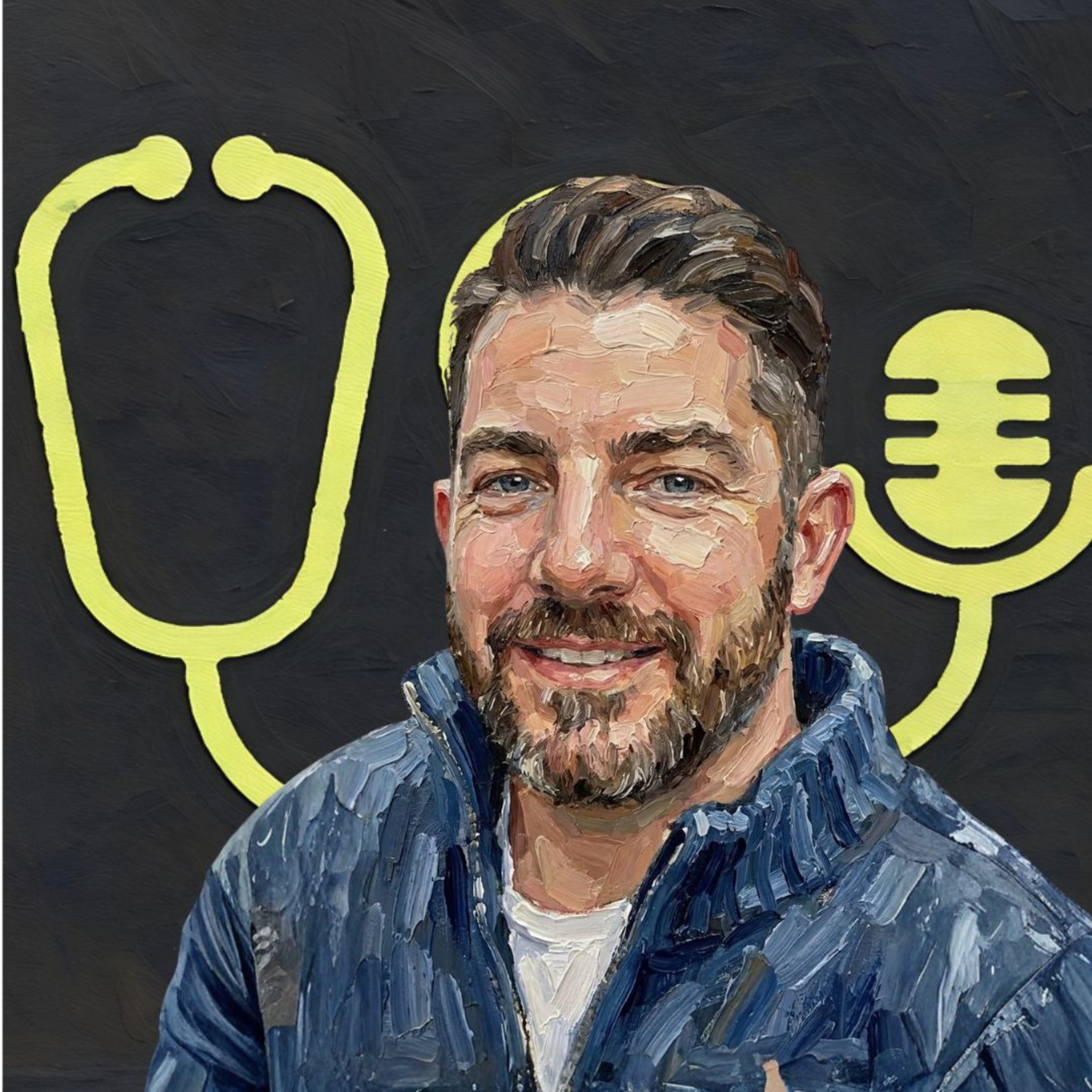
Dr Alex Harrison is a veterinarian, a former practice partner, and the founder of the inclusion consultancy Vetquity. He is also profoundly deaf, and in this conversation he shares about what it cost him to spend years desperately trying to compensate inside a system that was never designed for people like him.
This is not a soft conversation about being nicer to each other. It is a practical lesson in workflow design, retention economics, and why we spend more time thinking about our next CT scanner than about the people who will operate it.
You'll learn:
- Why the survivorship bias in our burnout conversations matters clinically and commercially - and what we systematically fail to see when we only study the people still in the job.
- How to tell the difference between ‘unavoidable bullets’ from friendly fire. Some parts of veterinary practice is genuinely hard. A lot of what exhausts you is avoidable system design that we have mislabelled as inevitable.
- "Solve for one, solve for all." Why the accommodation you make for one team member is usually just data about where the friction sits for everyone - and why "special treatment" resentment is mostly a myth.
- The hidden curriculum: the shadow syllabus that runs alongside anatomy and pharmacology, rewarding endurance, stoicism and self-sacrifice while suppressing help-seeking. Name it, tame it, reframe it.
- Why the resilience narrative lets us off the hook.
- What internalised ableism looks like in a high-achieving vet - and how it ends in burnout.
- The one thing Alex would tell every new graduate to look for in a job interview.
Join us in the Italian Dolomites in January 2027 for our snow conference - world-class CE sandwiched between skiing, snowshoeing, thermal spas and very long mountain lunches: vetsontour.com
Find show notes, clinical content and everything else at thevetvault.com, subscribe to the newsletter, and come and join the conversation in the Vet Vault Network.
Resources and links mentioned
- Vetquity - Alex's consultancy: toolkits, advisory work and speaking on structural inclusion in veterinary workplaces
- 2025 AVA President's Award: Dr Alex Harrison
- The Anti-Ableist Manifesto by Tiffany Yu
- Stronger by Dr Dinesh Palipana OAM - the quadriplegic emergency doctor whose story reframes what "capable" means
- Dr Anna Dengate on reasonable residencies - our earlier episode on rethinking whether specialist training has to be full-time
- Dr Jocelyn Birch Baker - building a thriving regional practice staffed almost entirely by part-time parents (Smooth Operating Vets)
- Abraham Wald and survivorship bias - the statistician who worked out which parts of the bomber to armour
Topics and Timestamps
- 0:00 Intro: The Planes That Never Came Home
- 3:02 Welcome & The Survivorship Bias Post
- 4:11 Why Inclusion Matters for the Profession
- 7:57 Avoidable vs Unavoidable Bullets
- 10:42 Solve for One, Solve for All
- 17:03 The Hidden Curriculum
- 22:35 The Problem with the Resilience Narrative
- 27:07 Fear and Co-Design in Practice
- 39:43 Alex's Burnout Story & Internalised Ableism
- 42:02 Defining Ableism
- 45:36 Vetquity & Where to Start
- 48:19 Rapid Fire & Closing
View more