Poetry Pea - haiku and other English Language Japanese short forms
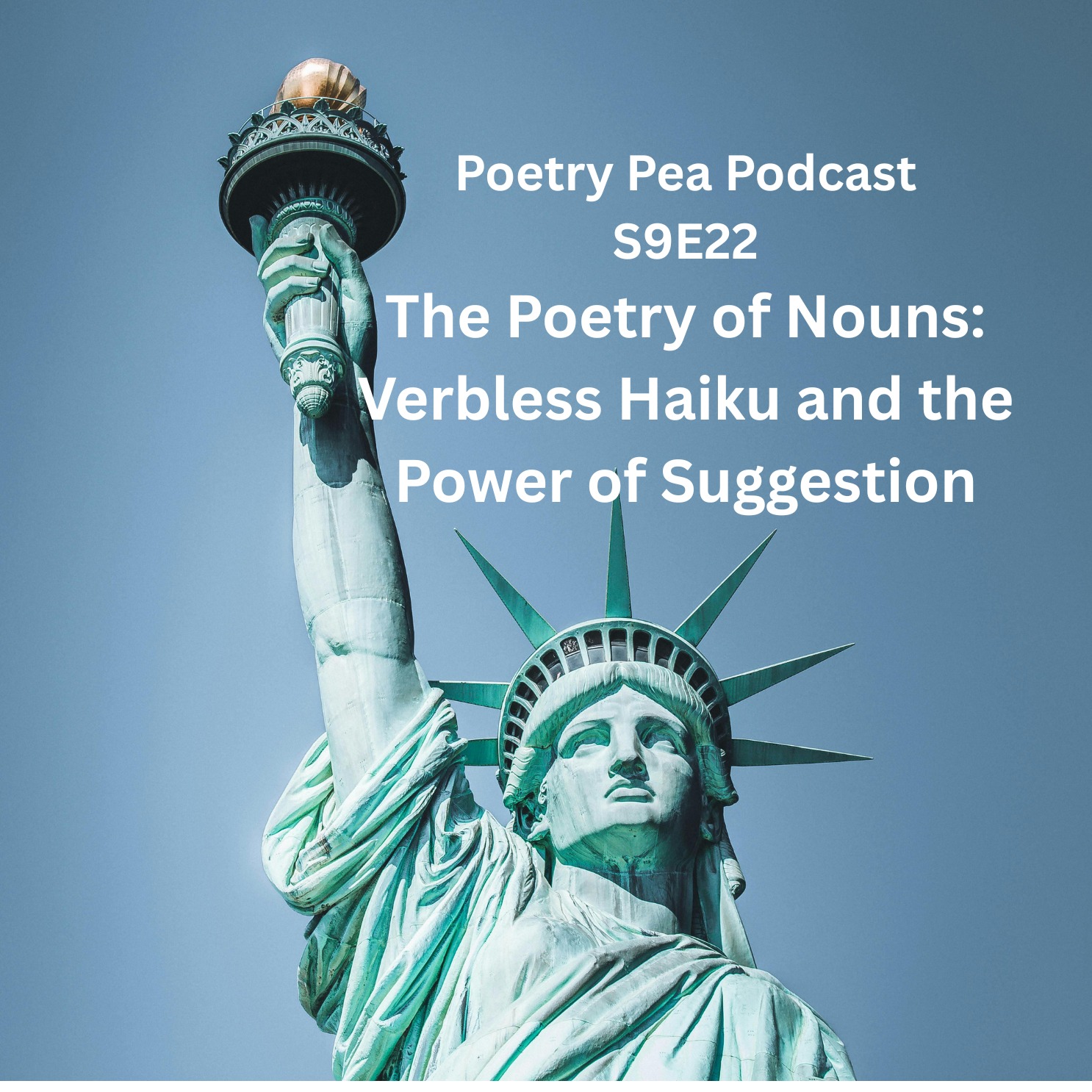
S9E22 The Poetry of Nouns: Verbless Haiku and the Power of Suggestion
2026-06-08
In this episode of the Poetry Pea Podcast, we explore why haiku has often been described as "the poetry of the noun" and ask whether removing verbs and limiting adjectives can make a poem even more powerful.Through close readings of haiku by John Wills, Elizabeth Searle Lamb, Charles Rossiter, Noel King, Choshi, Anne Curran, and Bisshie, we discover how concrete nouns create atmosphere, emotion and meaning without explanation. We look at Edward Hirsch's idea of the "arrested...
View more
Comments (3)
More Episodes
All Episodes>>




Get this podcast on your phone, Free


Create Your Podcast In Minutes
- Full-featured podcast site
- Unlimited storage and bandwidth
- Comprehensive podcast stats
- Distribute to Apple Podcasts, Spotify, and more
- Make money with your podcast
It is Free
