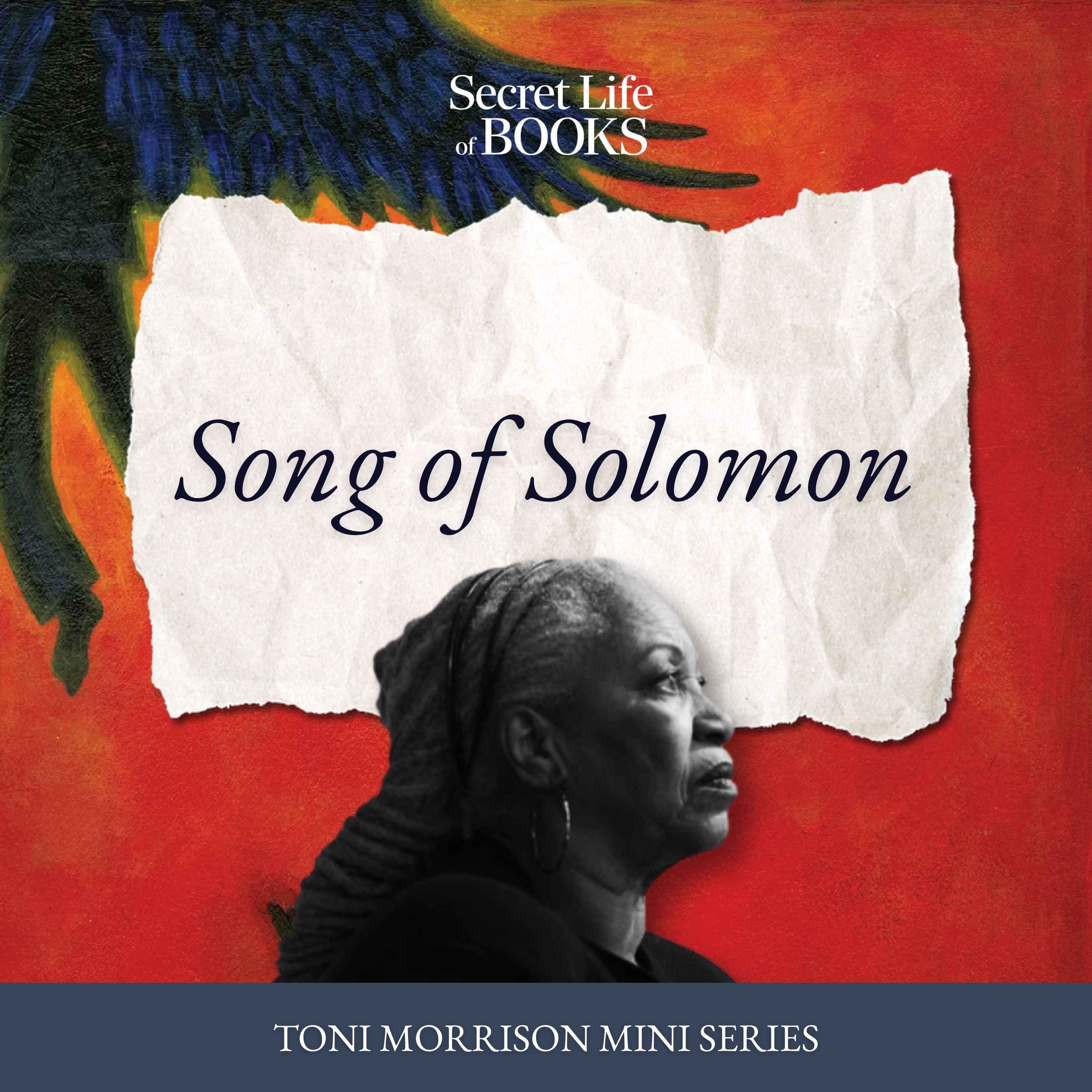
Song of Solomon (1977) propelled Toni Morrison into mainstream recognition as a major American writer, not just of her own generation but all generations, past present and to come. Song tackled something close to the “whole” of African American history, weaving multi-generational stories that included Africa itself, the southern landscapes of plantation slavery and the Civil War, and the post-abolition north. It’s a family chronicle, focusing on the life story of the well-to-do Macon Dead III, ...
Song of Solomon (1977) propelled Toni Morrison into mainstream recognition as a major American writer, not just of her own generation but all generations, past present and to come. Song tackled something close to the “whole” of African American history, weaving multi-generational stories that included Africa itself, the southern landscapes of plantation slavery and the Civil War, and the post-abolition north. It’s a family chronicle, focusing on the life story of the well-to-do Macon Dead III, aka “Milkman,” who grows from boy to man in 1930s and 40s Michigan. The book brilliantly combines mythology, history, domestic and magical realism.
Song of Solomon quickly became famous, expressing a growing awareness among American readers in the late 1970s that the Black civil rights movement of the past 3 decades was, at best, a partial success. One of Morrison’s signature qualities was to focus on writing about Black characters for Black readers, in ways that moved beyond the tropes, devices and storylines that white readers could understand and that previous generations of Black writers had been able to immerse themselves in,
In this episode, the second in our series on the great Nobel Laureate, we continue the story of how Morrison disrupted virtually all existing expectations about how a Black woman novelist would sound. In Song of Solomon she chose a male protagonist to retell a deep history of African cultural magic, annexing the names, stories and language of the Christian Bible to create a story that refuses to do anything that readers of other American retellings of biblical epics were expecting.
Become a subscriber by signing up at Apple: http://apple.co/slob
Or join our Patreon community here: https://www.patreon.com/c/secretlifeofbookspodcast
Hosted on Acast. See acast.com/privacy for more information.
Hosted on Acast. See acast.com/privacy for more information.
View more