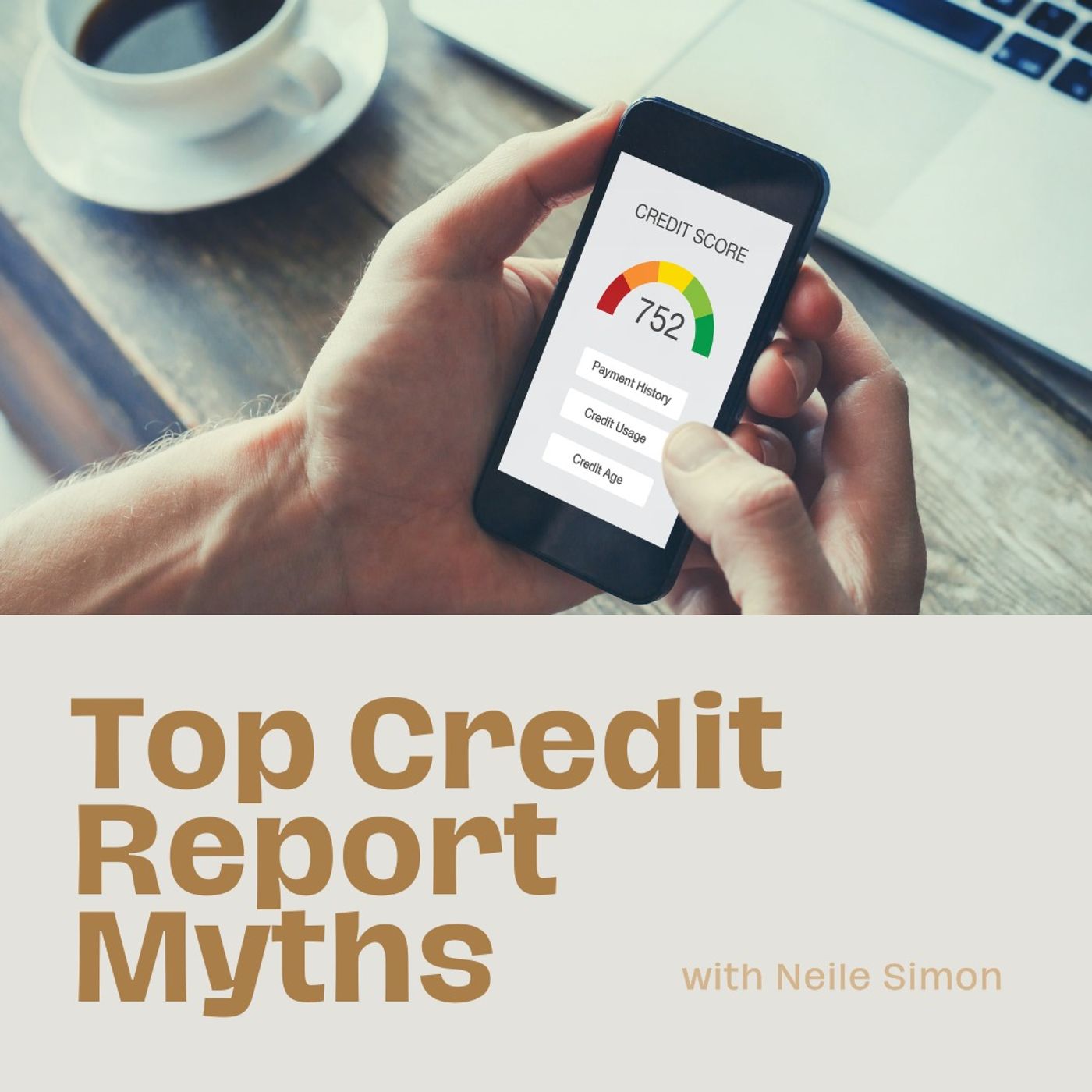
What do Bigfoot and credit reports have in common? They’re both surrounded by myths. While we may never settle the question of an eight-foot-tall creature wandering the woods, we can clear up the confusion around credit reports.
On this episode of Faith & Finance, Neile Simon, a Certified Credit Counselor with Christian Credit Counselors, stops by to clear up some of the most common misconceptions about credit reports and credit scores. Understanding how credit really works can help you avoid costly mistakes and m...
What do Bigfoot and credit reports have in common? They’re both surrounded by myths. While we may never settle the question of an eight-foot-tall creature wandering the woods, we can clear up the confusion around credit reports.
On this episode of Faith & Finance, Neile Simon, a Certified Credit Counselor with Christian Credit Counselors, stops by to clear up some of the most common misconceptions about credit reports and credit scores. Understanding how credit really works can help you avoid costly mistakes and make wiser financial decisions.
Myth #1: Paying Off Debt Instantly Fixes Your Credit
Paying down debt is always a good step—but it doesn’t instantly produce a perfect credit score.
A credit score reflects your history of borrowing and repayment. Lenders use it as a snapshot of how responsibly you’ve managed credit over time. That means improvement takes patience.
The most important habit is simple: consistently pay your bills on time. Over time, that steady pattern will strengthen your credit profile.
And beware of anyone claiming they can “fix your credit overnight.” Building good credit always takes time.
Myth #2: Credit Counseling Ruins Your Credit Score
Many people fear that seeking help will damage their credit—but that’s not true.
Participating in a credit counseling program is considered a neutral mark on your credit report. What can affect your score is closing accounts, not the counseling itself.
In fact, nonprofit credit counseling agencies often help people regain control of their finances through structured debt management plans. If you seek help, make sure the organization is accredited and nonprofit. That’s why Christian Credit Counselors is the only organization we recommend for credit counseling and debt management.
Myth #3: Canceling Credit Cards Boosts Your Score
Closing credit cards may seem responsible, but it can actually lower your credit score.
Why? Because it reduces your available credit, which increases your credit utilization ratio—a key factor in credit scoring.
If you have credit cards with zero balances and no annual fees, keeping them open can actually help your score.
If you must close accounts, do it gradually—perhaps one every six months—to minimize the impact.
Myth #4: Too Many Inquiries Hurt Your Score
This myth was once more accurate than it is today.
Credit bureaus now recognize that consumers shop for loans. If you’re applying for a mortgage or car loan, multiple inquiries within a short window—typically about 45 days—are counted as a single inquiry.
That means you can compare offers without damaging your credit score. And when it comes to checking your own credit report, that’s considered a soft inquiry, which does not affect your score at all.
In fact, it’s wise to check your credit regularly to monitor for fraud or mistakes.
Myth #5: You Don’t Need to Check Your Credit If You Pay Bills on Time
Even responsible borrowers should check their credit reports. Studies suggest that a large percentage of credit reports contain errors. Reviewing your report once or twice a year allows you to catch mistakes or fraudulent activity early.
You can obtain free reports from all three major bureaus at AnnualCreditReport.com.
Correcting errors can take time—sometimes up to 90 days—so staying proactive is important.
Myth #6: All Credit Reports Are the Same
There are three major credit bureaus: Equifax, Experian, and TransUnion.
Each may contain slightly different information because creditors don’t always report to all three bureaus, and updates may occur at different times.
Different lenders may also use different scoring models depending on the type of loan—auto, mortgage, or credit card.
For the most complete picture, it’s wise to review all three reports.
Myth #7: Divorce Automatically Removes Joint Debt
Divorce agreements may divide debts between spouses—but they don’t change the original credit contract.
If your name remains on a joint account, you’re still legally responsible for the debt. If the other person misses payments, your credit score can suffer too.
That’s why it’s important to close joint accounts or refinance debts into one person’s name whenever possible.
Myth #8: All Negative Marks Disappear After Seven Years
Some negative items disappear after seven years—but not all.
For example:
- Chapter 13 bankruptcy: up to 7 years
- Chapter 7 bankruptcy: up to 10 years
- Positive closed accounts: can remain for 10 years
The good news is that positive information usually stays longer than negative information, helping your score recover over time.
Myth #9: You Can Pay Someone to “Fix” Your Credit
Many companies promise fast credit repair—but most simply send dispute letters to creditors.
If the information on your credit report is accurate, it cannot be removed. That means many consumers pay fees without seeing real results.
The truth is, you can dispute errors yourself for free. Christian Credit Counselors provides free resources and sample dispute letters to help you correct inaccuracies.
The Bottom Line
Understanding how credit works empowers you to use it wisely.
Credit reports aren’t mysterious or magical—they simply reflect how consistently and responsibly you’ve handled debt over time. With accurate information, good habits, and a little patience, you can build a strong credit profile that supports your financial goals.
And when challenges arise, seeking wise counsel and staying informed can help you move toward greater financial freedom.
If you're struggling with credit card debt, Christian Credit Counselors can help. They’ve helped thousands of people get out of debt 80% faster while honoring their financial obligations. Visit ChristianCreditCounselors.org or call 800-557-1985 to learn more.
On Today’s Program, Rob Answers Listener Questions:
- My small retail business in a local mall is struggling as other stores close and sales decline. We’re starting to lose money and take on debt. Should I consider closing the business and pursuing a new venture or a job to stabilize our family's finances?
- We’ve always tithed on our gross income. After selling our previous home, we made a non-taxable profit but used it to buy another home that still needs repairs and has a small mortgage. Should we tithe on that profit, or focus on maintaining the home and paying down the mortgage?
Resources Mentioned:
- Faithful Steward: FaithFi’s Quarterly Magazine (Become a FaithFi Partner)
- Christian Credit Counselors
- AnnualCreditReport.com
- Our Ultimate Treasure: A 21-Day Journey to Faithful Stewardship
- Wisdom Over Wealth: 12 Lessons from Ecclesiastes on Money
- Look At The Sparrows: A 21-Day Devotional on Financial Fear and Anxiety
- Rich Toward God: A Study on the Parable of the Rich Fool
- Find a Certified Kingdom Advisor (CKA)
- FaithFi App
Remember, you can call in to ask your questions every workday at (800) 525-7000. Faith & Finance is also available on Moody Radio Network and American Family Radio. You can also visit FaithFi.com to connect with our online community and partner with us as we help more people live as faithful stewards of God’s resources.
Hosted by Simplecast, an AdsWizz company. See pcm.adswizz.com for information about our collection and use of personal data for advertising.