What's in This Episode:The Court of Oyer and Terminer operated for less than five months in 1692, but the nine judges who sat on that bench sentenced nineteen people to death by hanging and allowed another man to be pressed to death under stones. This episode goes judge by judge, revealing the real men who wielded power without accountability during the Salem witch trials.What You'll Learn:Discover the legal framework that made the Salem witch trials possible, from the Body of...
What's in This Episode:
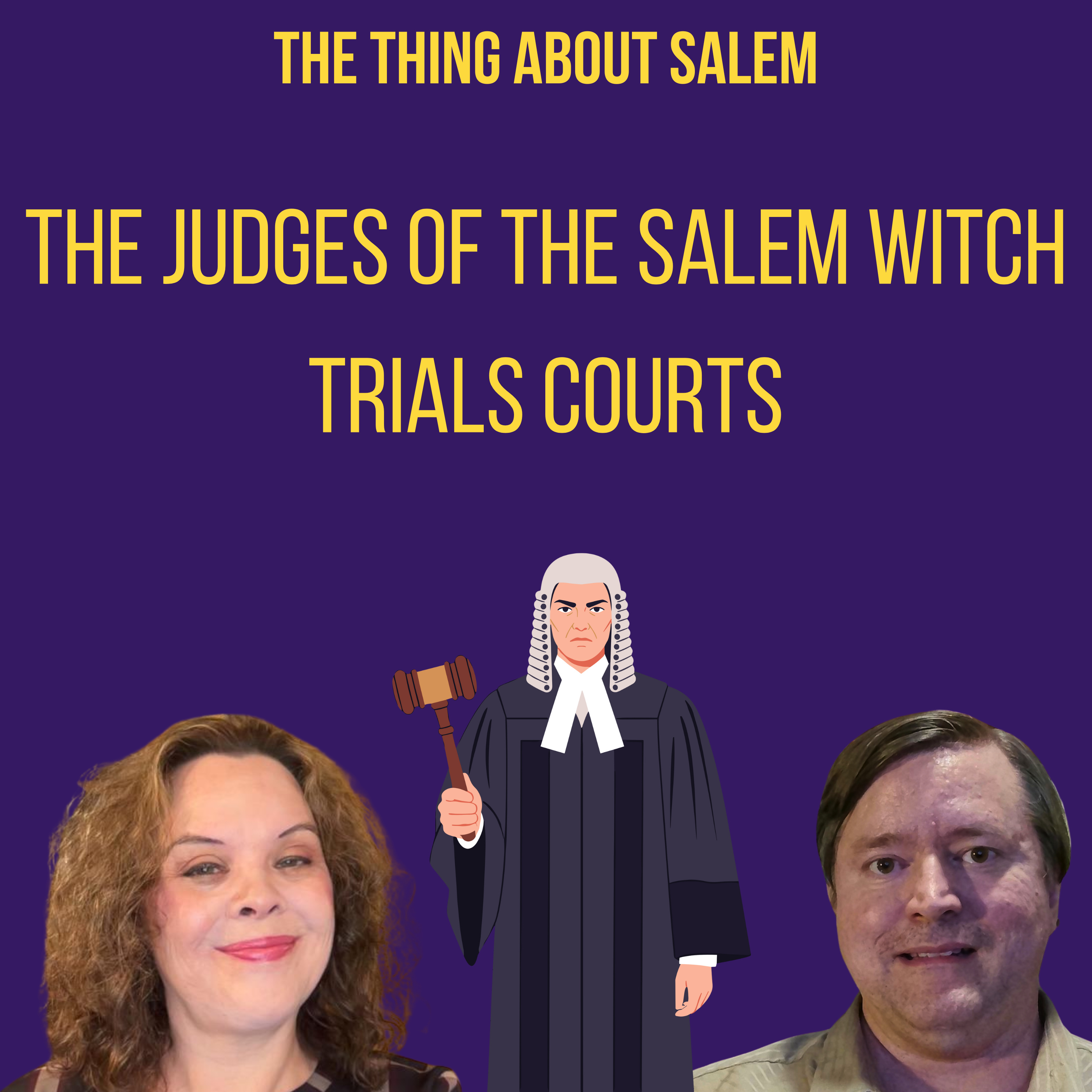
The Court of Oyer and Terminer operated for less than five months in 1692, but the nine judges who sat on that bench sentenced nineteen people to death by hanging and allowed another man to be pressed to death under stones. This episode goes judge by judge, revealing the real men who wielded power without accountability during the Salem witch trials.
What You'll Learn:
Discover the legal framework that made the Salem witch trials possible, from the Body of Liberties of 1641 to the constitutional crisis that created this special court. Learn how the 1604 English Witchcraft Act shifted prosecution from proving actual harm to proving a diabolical pact with the Devil, and how spectral evidence became the cornerstone of convictions despite warnings from ministers like Cotton Mather and Increase Mather.
Meet William Stoughton, the chief justice who sent juries back to reconsider acquittals and later raged when executions were halted. Hear about John Hathorne's aggressive interrogations that terrorized the accused, and why his descendant Nathaniel Hawthorne added a W to distance himself from the family legacy. Find out why Samuel Sewall became the only judge to publicly apologize and observe an annual day of fasting for the rest of his life, and why Nathaniel Saltonstall resigned from the court in protest after the first execution.
Why It Matters:
These weren't faceless figures of history. They were educated men with families and church connections who had acquitted accused witches years earlier but chose to accept unreliable evidence in Salem.
Links
Learn About the Judges, Buy this book: A Storm of Witchcraft by Emerson W. Baker
Salem Witch Trials Daily Videos & Course
The Thing About Salem Website
The Thing About Witch Hunts YouTube
The Thing About Witch Hunts Website
Sign the Petition: MA Witch Hunt Justice Project
www.massachusettswitchtrials.org
Support the nonprofit End Witch Hunts Podcasts and Projects
View more