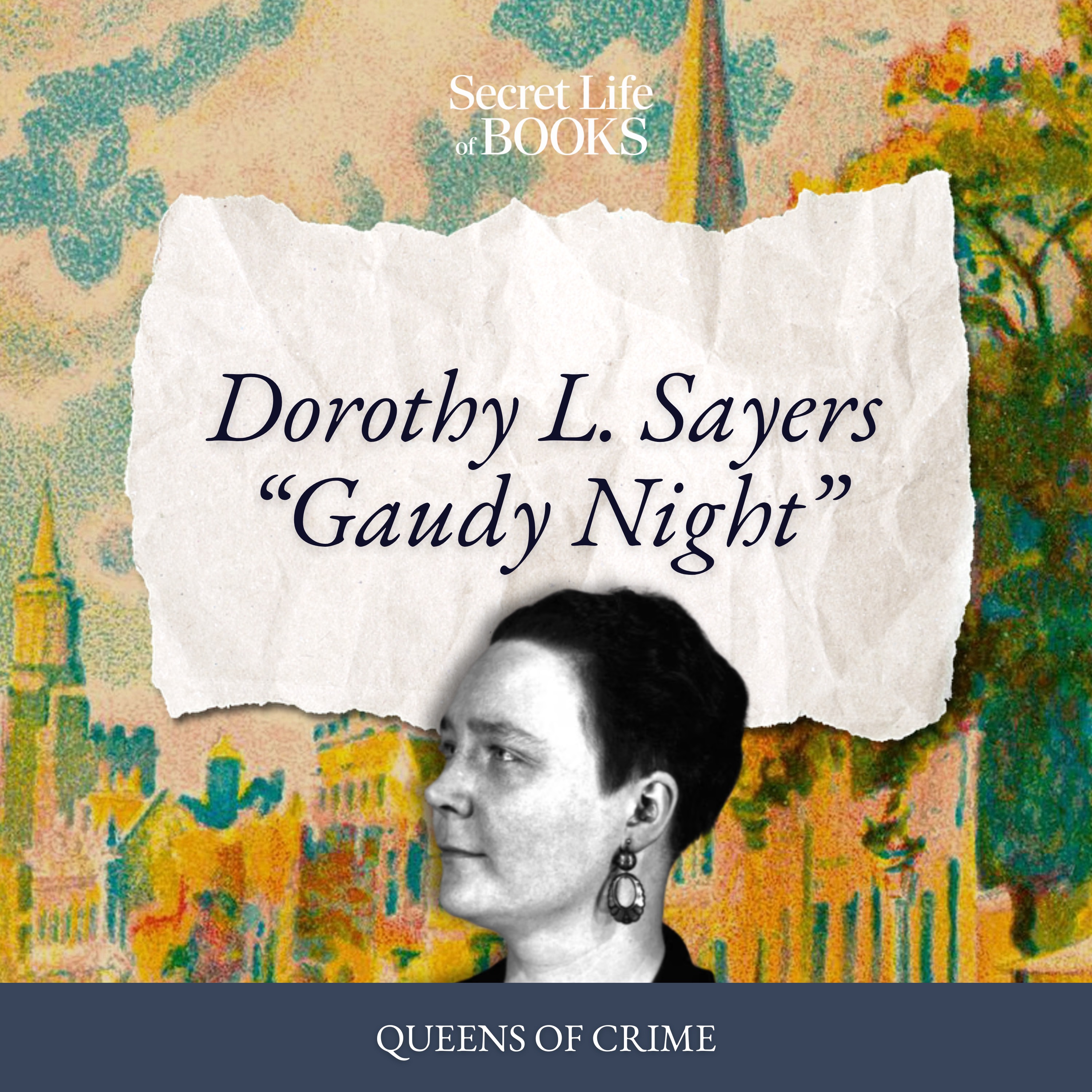
Last year, the SLoBlight lingered briefly on Agatha Christie when we celebrated the centenary of The Murder of Roger Ackroyd from 1925. This book, more than any other, heralded the start of the so-called Golden Age of Detective Fiction between the two world wars. Taught, short and fraught with menace, these novels were in large part a response to the chaos and brutality of the First World War. The public needed order and diversion. Highly regulated games became popular - contract bridge,...
View more
Comments (3)
More Episodes
All Episodes>>






Get this podcast on your phone, Free


Create Your Podcast In Minutes
- Full-featured podcast site
- Unlimited storage and bandwidth
- Comprehensive podcast stats
- Distribute to Apple Podcasts, Spotify, and more
- Make money with your podcast
It is Free