In this episode of Ask Kati Anything, licensed therapist Kati Morton breaks down why eating disorders are rarely actually about the food or your body. We look at what’s really happening behind the strict rules, rituals, and need for control, and how these behaviors often show up as survival mechanisms to protect us from deeper stress, trauma, and overwhelm. Whether you’re struggling with restrictive eating, binging, purging, orthorexia, or just feel completely exhausted by your relationship wit...
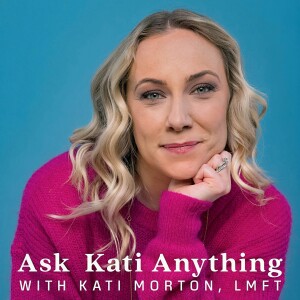
In this episode of Ask Kati Anything, licensed therapist Kati Morton breaks down why eating disorders are rarely actually about the food or your body. We look at what’s really happening behind the strict rules, rituals, and need for control, and how these behaviors often show up as survival mechanisms to protect us from deeper stress, trauma, and overwhelm. Whether you’re struggling with restrictive eating, binging, purging, orthorexia, or just feel completely exhausted by your relationship with food, this conversation is here to give you clarity, reduce the shame, and help you understand what your brain is actually trying to tell you.
REBOUND: visit www.hellorebound.com/askkatianything & check your insurance or get matched with a therapistONESKIN: Get 15% off OneSkin with the code KATI at www.oneskin.co/KATI
00:00 - Why eating disorders aren't actually about food
00:40 - Pica: Eating non-food items & nutrient deficiencies
05:41 - ARFID: Sensory food avoidance without body dysmorphia
11:13 - Rumination Disorder: Regurgitation & unspoken shame
14:13 - Anorexia Nervosa: Energy restriction & body checking
17:16 - Bulimia Nervosa: Binging, purging & compensatory rules
20:59 - Binge Eating Disorder: Rapid eating, guilt & secrecy
23:56 - Orthorexia: When clean eating & rules run your life
30:43 - Why eating disorders are actually survival mechanisms
49:35 - How loved ones can offer support without triggering shame
MY BOOKS
Why Do I Keep Doing This? https://geni.us/XoyLSQ
Traumatized https://geni.us/Bfak0j
Are u ok? https://geni.us/sva4iUY
ONLINE THERAPY
If you're looking for a therapist, BetterHelp can connect you with a licensed online professional: https://betterhelp.com/kati (enjoy 10% off your first month)
This is an affiliate link, which means a portion of your signup helps support the podcast at no extra cost to you.
PARTNERSHIPS
Nick Freeman | nick@biglittlemedia.co
Disclaimer:
The information provided in this video is for educational and informational purposes only and is not intended as medical or mental health advice. It should not be used to diagnose or treat any health problem or disease. Always consult with a qualified healthcare professional for diagnosis and treatment. Viewing this content does not establish a therapist-client relationship.
Learn more about your ad choices. Visit megaphone.fm/adchoices
View more