Finding Mastery with Dr. Michael Gervais
https://rss.art19.com/finding-masteryEpisode List
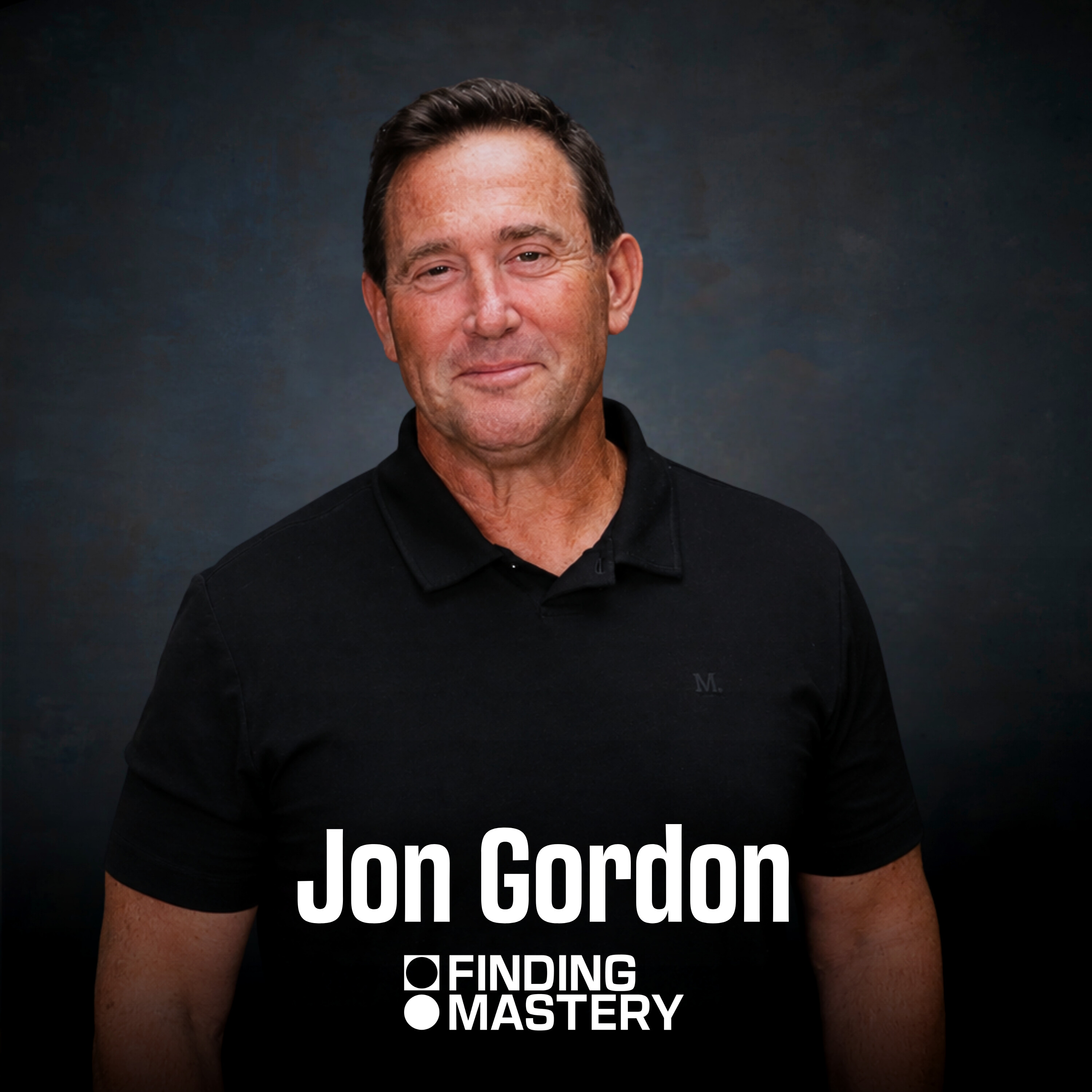
The Psychology of Positive Habits | Jon Gordon
This is a conversation about habits, the ones you want to build and the ones you want to get rid of.Jon Gordon has written more than 30 books on leadership, habits and mindset. Recently he called his daughter and asked which of his own habits was the worst. She said simply: you're controlling.She was confirming something he had already come to see. Jon traces that habit of control back to a father who left when he was a year old, and to a feeling of powerlessness he thought he'd already healed. In reality, he still had more work to do. Jon's most recent book is titled The Power of Positive Habits, and it tackles a critical issue so many of us face - how do I break the habits that no longer serve me, and how do I build ones that will help me flourish? This is a conversation about self-awareness, self-challenge, and how to build practical habits, like gratitude, visualization, and something Jon calls the habit before the habit. Links & ResourcesLearn more about Jon here: https://jongordon.com/Subscribe to our Youtube Channel for more conversations at the intersection of high performance, leadership, and wellbeing: https://www.youtube.com/c/FindingMasteryGet exclusive discounts and support our amazing sponsors!Go to: https://findingmastery.com/sponsors/Subscribe to the Finding Mastery newsletter for weekly high performance insights: https://www.findingmastery.com/newsletterDownload Dr. Mike’s Morning Mindset Routine: findingmastery.com/morningmindsetFollow on YouTube, Instagram, LinkedIn, and XJon Gordon’s Books: The Power of Positive Habits, The Energy Bus, The Power of Positive Leadership, The Power of a Positive Team, The One Truth, The Coffee Bean, and The Hard HatSee Privacy Policy at https://art19.com/privacy and California Privacy Notice at https://art19.com/privacy#do-not-sell-my-info.
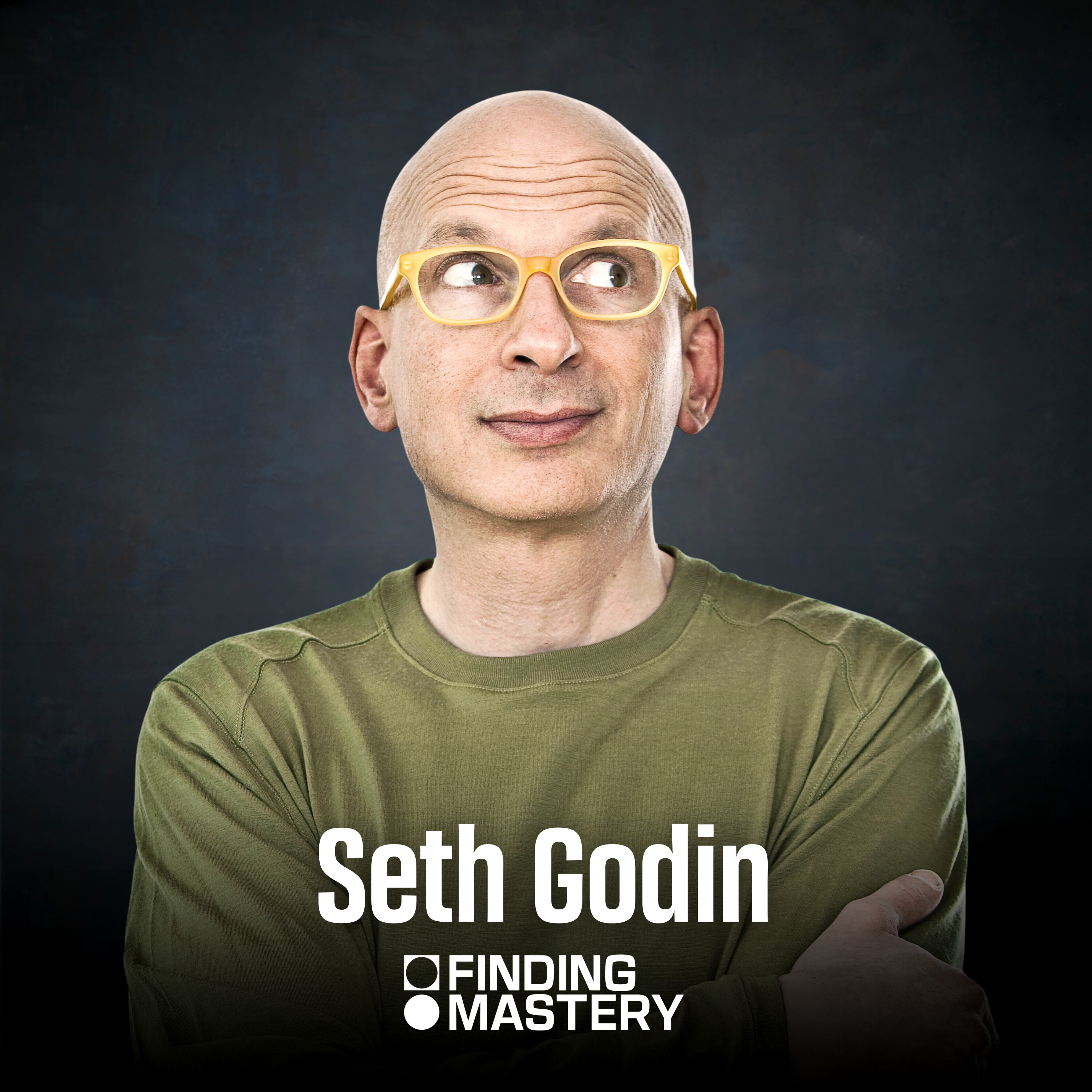
The Psychology of Authenticity | Seth Godin - From The Vault
What is the change you seek to make?On today's episode we go back to the Finding Mastery Vault for a conversation with Seth Godin, author, entrepreneur, teacher, and one of the most influential thinkers of our time on leadership, creativity, and making meaningful change. Seth has written more than twenty international bestsellers, including The Dip, Purple Cow, and The Song of Significance, alongside one of the longest-running daily blogs in the world. His claim is that naming the change you're actually trying to make is more than a branding exercise. It's what helps make every downstream decision clearer… what to commit to, what to quit, whose opinion to take seriously, and who you will have to become to pull it off. We first released this one a few years ago, and since then the world has only gotten noisier, faster and more demanding of change, which is exactly why we felt it was worth bringing back.In this episode, you'll learn:What Seth means by the change you seek to make, and why it clarifies everything downstreamLeadership as a voluntary act, and why enrollment and inspiration come before authorityWhy consistency is what makes you trustworthy enough to lead change at allHow to tell a dead end from the dip when you're deciding whether to quitWhose judgment has actually earned the right to shape your workWho to go to for reassurance, and who to go to for insightIf you have ever felt your choices quietly bending toward the approval of people who have not earned it, this conversation offers you a perspective you need to hear. Links & ResourcesSeth Godin Photo Credit: Brian BloomFor More on Seth, go to https://www.sethgodin.com/ Seth Godin’s Books: The Dip, Purple Cow, Linchpin, Tribes, This Is Marketing, The Practice, and The Song of Significance. His newest book, The Knot: Problems Can Be Solved, is set to be released in September 2026.Subscribe to our Youtube Channel for more conversations at the intersection of high performance, leadership, and wellbeing: https://www.youtube.com/c/FindingMasteryGet exclusive discounts and support our amazing sponsors!Go to: https://findingmastery.com/sponsors/Subscribe to the Finding Mastery newsletter for weekly high performance insights: https://www.findingmastery.com/newsletterDownload Dr. Mike’s Morning Mindset Routine: findingmastery.com/morningmindsetFollow on YouTube, Instagram, LinkedIn, and XSee Privacy Policy at https://art19.com/privacy and California Privacy Notice at https://art19.com/privacy#do-not-sell-my-info.
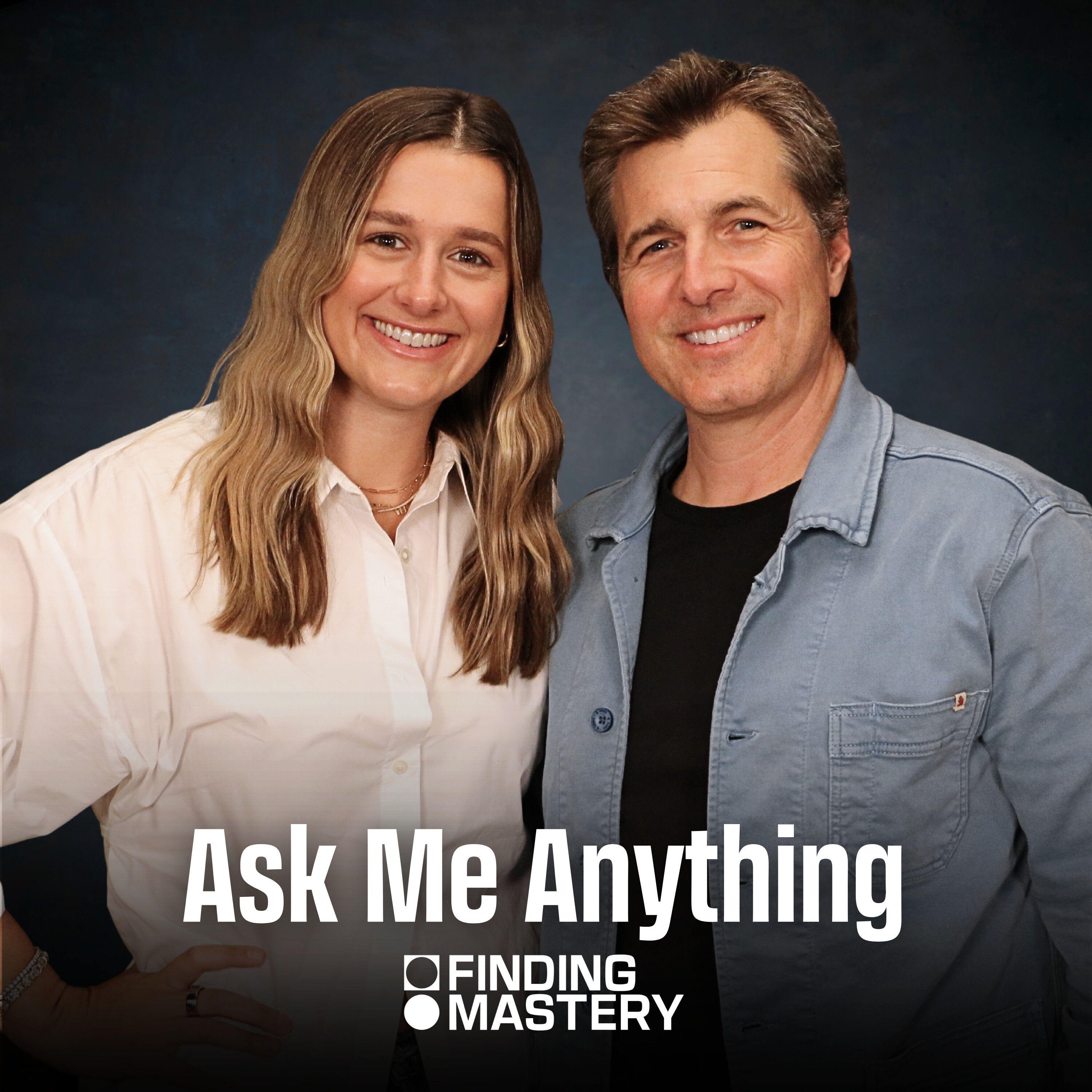
The Psychology of Youth Sports | AMA Victoria Garrick Browne and Dr Michael Gervais
What questions are tugging at you right now, and how might sitting with the answers help unlock your potential?For this 30th installment of our popular Ask Me Anything series, Dr. Michael Gervais is joined by co-host Victoria Garrick Browne, a Forbes 30 Under 30 recipient, former Division I volleyball player at USC, mental health advocate, creator, and speaker. Victoria turned her own private struggle with performance anxiety and depression into a gift for millions, and she founded The Hidden Opponent, a nonprofit that brings mental health education and support to student-athletes on campuses around the country. She's the ideal person to sit alongside Mike for this AMA and help answer these questions with care.The questions our community submitted are honest and vulnerable, and they keep circling the same root: identity. What happens when who you are gets fused to what you do? Mike and Victoria explore why the culture around us so easily hands young people a performance-based identity, what it looks like to move toward a purpose-based one instead, and why the way a parent talks about their child at the dinner table quietly shapes how that child sees themselves.This is a practical and useful conversation for anyone who competes, coaches, parents, or is simply trying to figure out who they are.In this conversation, we explore:How to help young people build an identity rooted in who they are, not only in how they performWhy the way you talk about your child, even at Thanksgiving, is shaping their identityHow to tell the difference between healthy competitiveness and unhealthy pressureThe warning signs of burnout in a young athlete, and why competing too early can backfireHow to share a mental health story in recruiting without it becoming a liabilityWhether real confidence can exist without external validationThe difference between formal instruction and guided discovery in coaching and parentingA simple, honest way to work with imposter syndromeIf your sense of who you are has ever felt a little too tied to what you do, this one is well-worth your time.Links & ResourcesTo learn more about Victoria, please visit: https://victoriagarrickbrowne.com/To learn more about The Hidden Opponent, the non-profit Victoria started, please visit: https://www.thehiddenopponent.org/ Subscribe to our Youtube Channel for more conversations at the intersection of high performance, leadership, and wellbeing: https://www.youtube.com/c/FindingMasteryGet exclusive discounts and support our amazing sponsors! Go to: https://findingmastery.com/sponsors/Subscribe to the Finding Mastery newsletter for weekly high performance insights: https://www.findingmastery.com/newsletterDownload Dr. Mike's Morning Mindset Routine: findingmastery.com/morningmindsetFollow on YouTube, Instagram, LinkedIn, and XLearn more about The Hidden Opponent: thehiddenopponent.orgSee Privacy Policy at https://art19.com/privacy and California Privacy Notice at https://art19.com/privacy#do-not-sell-my-info.
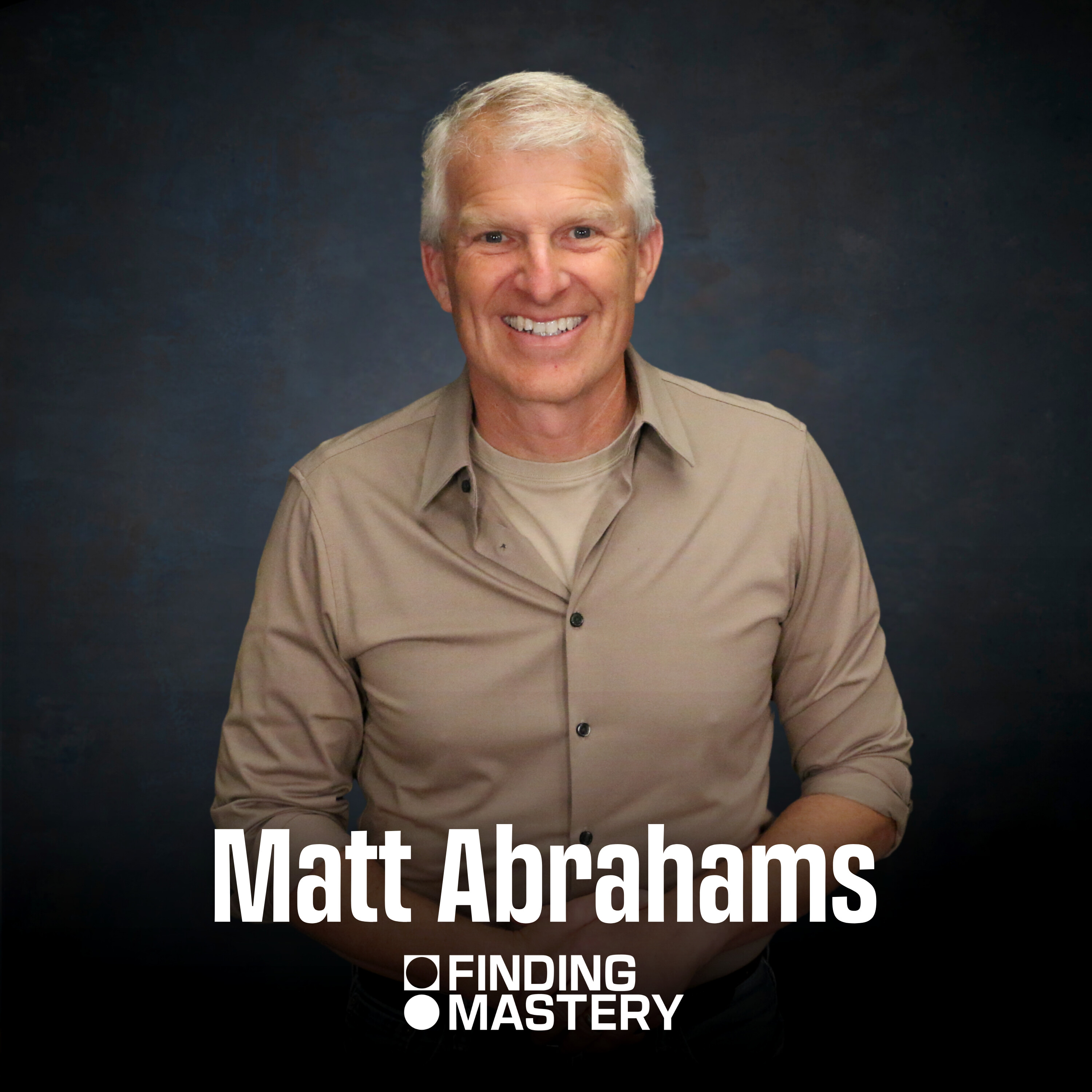
The Psychology Of Speaking Under Pressure | Matt Abrahams
When the moment arrives and you don’t have a script, are you trying to impress, or working to connect?Matt Abrahams is a lecturer in organizational behavior at the Stanford Graduate School of Business, host of the Think Fast, Talk Smart podcast, and author of Think Faster, Talk Smarter: How to Speak Successfully When You’re Put on the Spot. His path into this work starts very young and is almost comically literal. His last name starts with AB, so all through school he was the one teachers called on first. He felt what it is to be put on the spot before he had any tools for it. Later, in the corporate world and then at Stanford, he watched how much rides on those unscripted and authentic moments, and he set out to study what actually helps.The central idea of this conversation is freeing: speaking in the moment is a skill, not a gift you’re either born with or not. Like any athlete, you can learn it and train it, and, as Matt puts it, you can prepare to be spontaneous. That reframe changes everything downstream. When the spotlight hits and the heart starts pounding, the body reads the moment as a threat. The work is learning to meet it as an opportunity instead, to buy yourself a little space, and to put your attention where it belongs: on the person in front of you rather than on your own performance.Matt and Mike spend time in this conversation getting quite practica. Matt shares the two tools to reach for when your mind goes blank, the simple What, So What, Now What structure for organizing a thought under pressure, and a listening practice he calls pace, space, grace. Mike opens up too, telling the story of a first international conference where he tried to breathe his way to calm on stage and realized, mid-panic, that he had never trained the skill he needed most. In the end, they land on this simple concept: being present, grounded, and in service of the other person is the big rock that makes the rest work.In this conversation, we explore:How speaking in the moment is a trainable skillWhat actually happens in the body when you’re put on the spotHow to shift from seeing a moment as a threat to seeing it as an opportunityThe two tools to use when your mind goes blankThe What, So What, Now What structure for organizing a thought quicklyWhy great listening is pace, space, and graceHow to turn the spotlight off yourself and onto connectionWhy the goal is never to sound perfect, only to connectMatt’s work is a reminder to all of us that the goal was never to sound perfect. It was always to connect.Links & ResourcesSubscribe to our Youtube Channel for more conversations at the intersection of high performance, leadership, and wellbeing: https://www.youtube.com/c/FindingMasteryGet exclusive discounts and support our amazing sponsors! Go to: https://findingmastery.com/sponsors/Subscribe to the Finding Mastery newsletter for weekly high performance insights: https://www.findingmastery.com/newsletterDownload Dr. Mike’s Morning Mindset Routine: findingmastery.com/morningmindsetFollow on YouTube, Instagram, LinkedIn, and XMatt Abrahams’ Book: Think Faster, Talk Smarter: How to Speak Successfully When You’re Put on the SpotSee Privacy Policy at https://art19.com/privacy and California Privacy Notice at https://art19.com/privacy#do-not-sell-my-info.
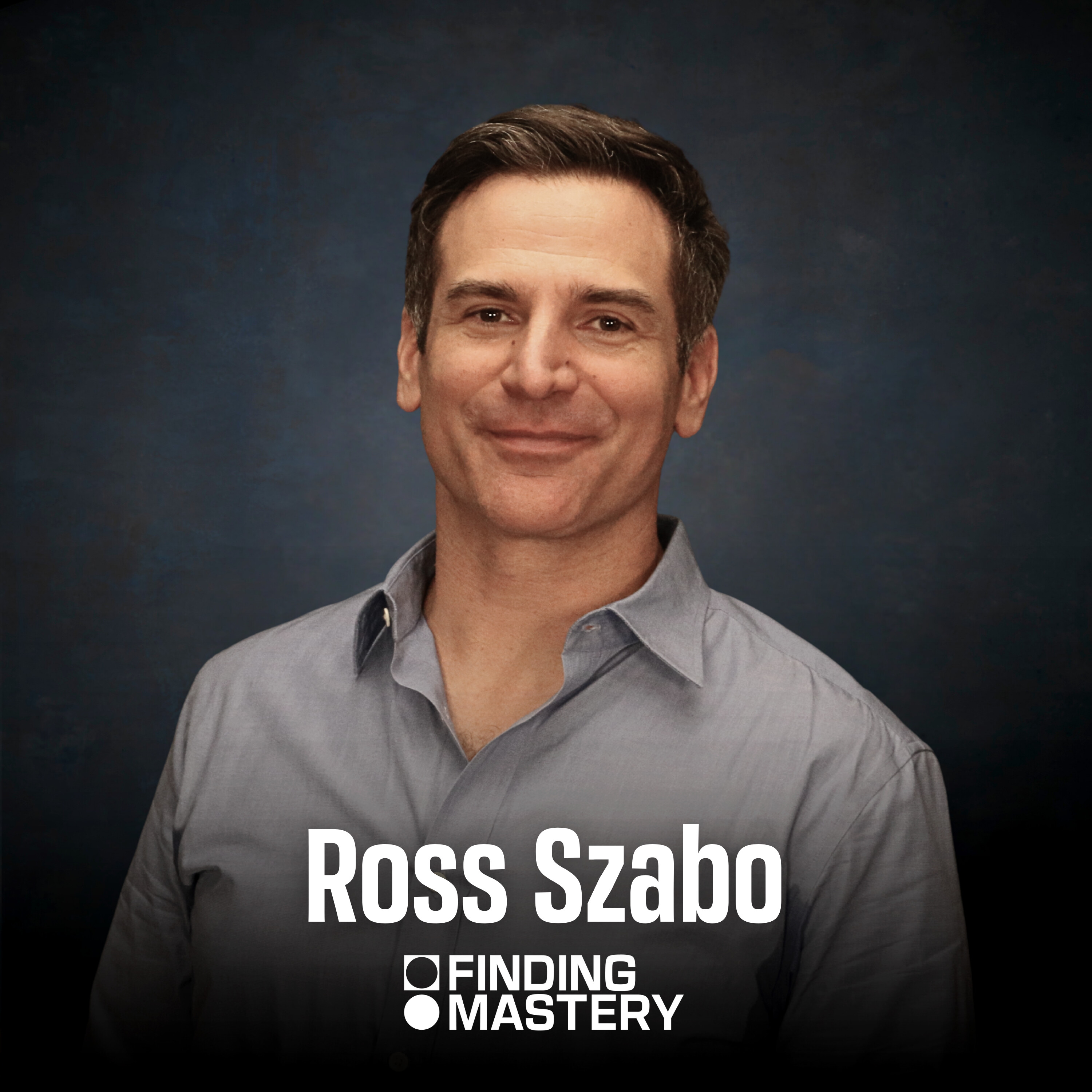
The Psychology of Youth Mental Health | Ross Szabo
What if the kids who look like they’re doing just fine on the outside are quietly struggling to make sense of what’s happening on the inside?Ross Szabo is one of the leading voices in youth mental health education: founding Wellness Director at Geffen Academy at UCLA, founder of the Human Power Project, co-author of Behind Happy Faces, and author of A Kids Book About Anxiety. His story starts long before the titles. Born into a family with severe mental health disorders and addiction, Ross was 11 when he visited his older brother in a psychiatric ward, was diagnosed with bipolar disorder himself at 16, and coped with drinking that began at age 12. In his senior year of high school, after months of crippling depression, he attempted to take his own life… and this occurred while serving as class president, playing varsity basketball, and carrying a high GPA. On the outside, everything looked fine. The inside was a different story. That distance between the outside and the inside became the through line of his life’s work.The idea Ross has organized his career around sounds simple: treat mental health the same way we treat physical health. That means a clear definition, a shared language, and trainable skills. His definition is a helpful place to start… mental health is not about having a problem, it’s how you address the different challenges in your life. At Geffen Academy, he built what he describes as the only program in the country where students learn about mental health and healthy relationships once a week, every week, from grade six through grade 12, timed to the second largest period of brain growth, which happens between the ages of 12 to 25. His graduates report feeling far more prepared for college than their peers, especially in the interpersonal sense: living with new roommates, managing relationships, and knowing how to ask for support.Ross and Mike walk through how mapping the self-defining memories that shaped you helps build coping mechanisms the way athletes build skills (the more consistently you do something, the better you get at it). And they discuss how expanding your emotional vocabulary improves your mental health. Ross and Mike dive into the difference between vulnerability and trauma dumping, how the crisis shows up differently in young men and young women, why modeling beats lecturing at home, and what a shared language for mental health could unlock in families, schools, and businesses.In this conversation, we explore:Why so many young people look fine on the outside while struggling on the insideA clear, working definition of mental health, and why most of us don’t have oneThe difference between feeling nervous and having anxietyWhy the more words you have for your feelings, the better your mental healthThe neuroscience of coping, and how to actually rewire a habitHow the youth mental health crisis shows up differently in young men and young womenWhat parents overlook when preparing kids for collegeWhy every family, team, and business needs a shared language for mental healthRoss's work is an invitation to care for the mind with the same clarity we bring to the body. And if you're raising, teaching, or leading young people, this conversation offers the language and the skills to close the gap between the outside and the inside.Links & ResourcesSubscribe to our Youtube Channel for more conversations at the intersection of high performance, leadership, and wellbeing: https://www.youtube.com/c/FindingMasteryGet exclusive discounts and support our amazing sponsors!Go to: https://findingmastery.com/sponsors/Subscribe to the Finding Mastery newsletter for weekly high performance insights: https://www.findingmastery.com/newsletterDownload Dr. Mike’s Morning Mindset Routine: findingmastery.com/morningmindsetFollow on YouTube, Instagram, LinkedIn, and XRoss Szabo’s Books: Behind Happy Faces (co-authored) and A Kids Book About AnxietySee Privacy Policy at https://art19.com/privacy and California Privacy Notice at https://art19.com/privacy#do-not-sell-my-info.
You may also like








Get this podcast on your phone, Free


Create Your Podcast In Minutes
- Full-featured podcast site
- Unlimited storage and bandwidth
- Comprehensive podcast stats
- Distribute to Apple Podcasts, Spotify, and more
- Make money with your podcast
