Episode List
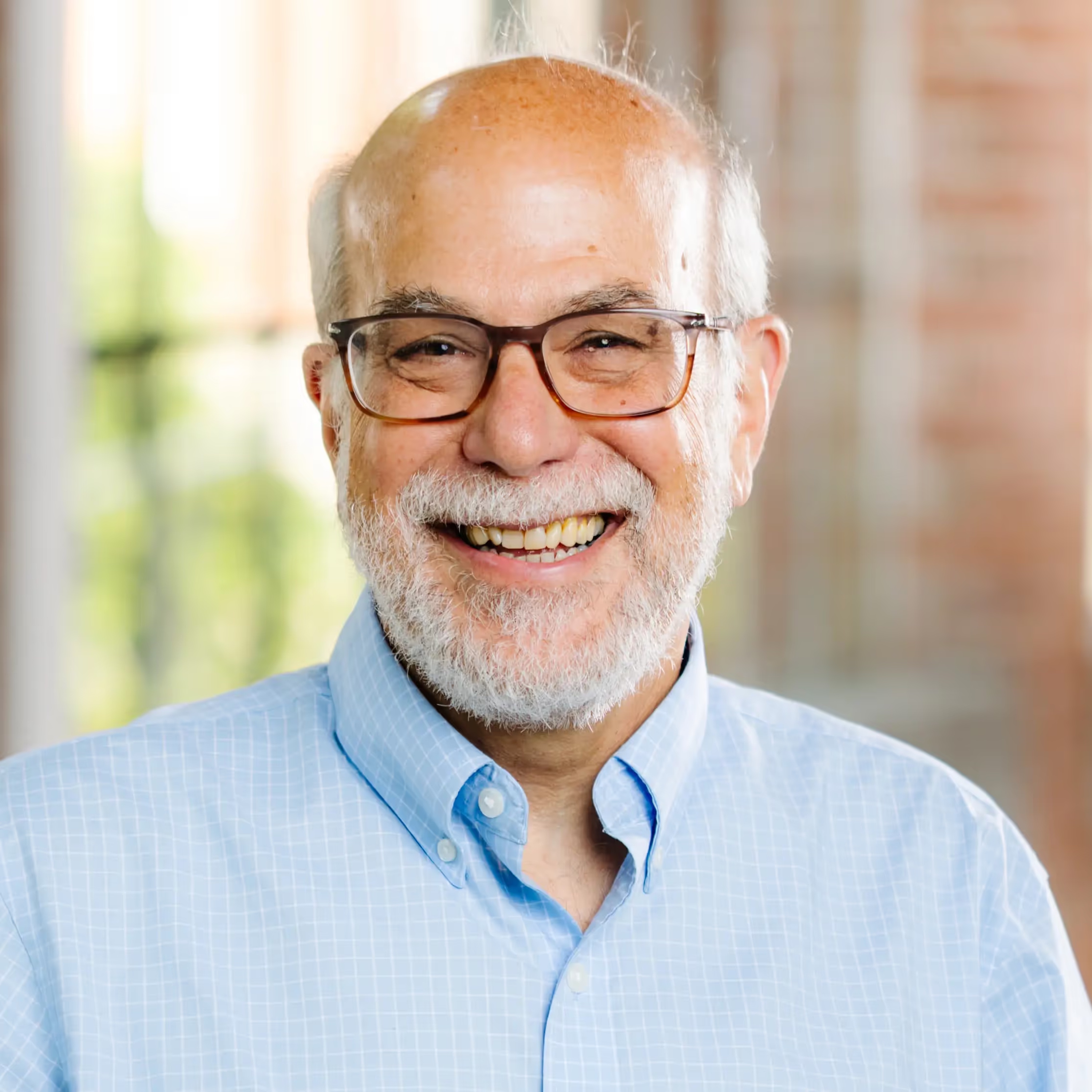
Gene Editing and the Future of Plant Breeding with Tom Adams of Pairwise
Pairwise: https://www.pairwise.com/FoA 412: 'Biological' Is Not A Category (it's the future of agriculture)I’m excited to share today’s episode with you. I’ve wanted to get Tom Adams back on the show ever since I had the chance to interview him at World Agritech a couple of years ago. That interview was included on episode 412 of this podcast titled “Biological is not a Category”. The work Pairwise is doing is mind boggling to me. Using CRISPR and the latest in gene editing tools, they have built a platform to enable plant breeders to make very precise changes to the genome of a plant to give farmers and consumers more of what they want. Now this is different from genetic modification or GMOs because they are not inserting foreign genes into the plant. In fact, they are doing the exact same thing that plant breeders have done for over a century, they are just able to do it in an extremely precise way. On another podcast that I host, Agriscience Explained, Corteva’s Reza Rasoulpour explained natural breeding as wanting to change one word in a book by just combining all of the pages of two different books and hoping that word changes. Versus gene editing just going in and changing that one word in the book. I thought that was a good comparison. So Tom and his team are bringing this technology to agriculture by working with seed companies and other partners in a variety of use cases, many of which we’ll discuss today. A little background on Tom: Dr. Tom Adams co-founded Pairwise and serves as Chief Executive Officer. Tom has over 25 years of leadership experience heading up biotechnology for global companies, serving most recently as Vice President of Global Biotechnology at Monsanto where he led the team developing a broad range of innovative products. Tom wanted to realize the possibilities of CRISPR and gene editing in plants, and co-founded Pairwise to realize this potential in a mission-based environment. Formerly a faculty member at Texas A&M University, Tom holds a PhD in microbiology and plant science from Michigan State University and a BS in botany and plant pathology from Oregon State University. Tom and I talk about Pairwise’s continued work in this area, some of the cool developments that are under way, some of their strategic decisions like going the partnership route rather than being the seed company themselves, a little bit more about how the technology works, how this changes the game and who captures the value.
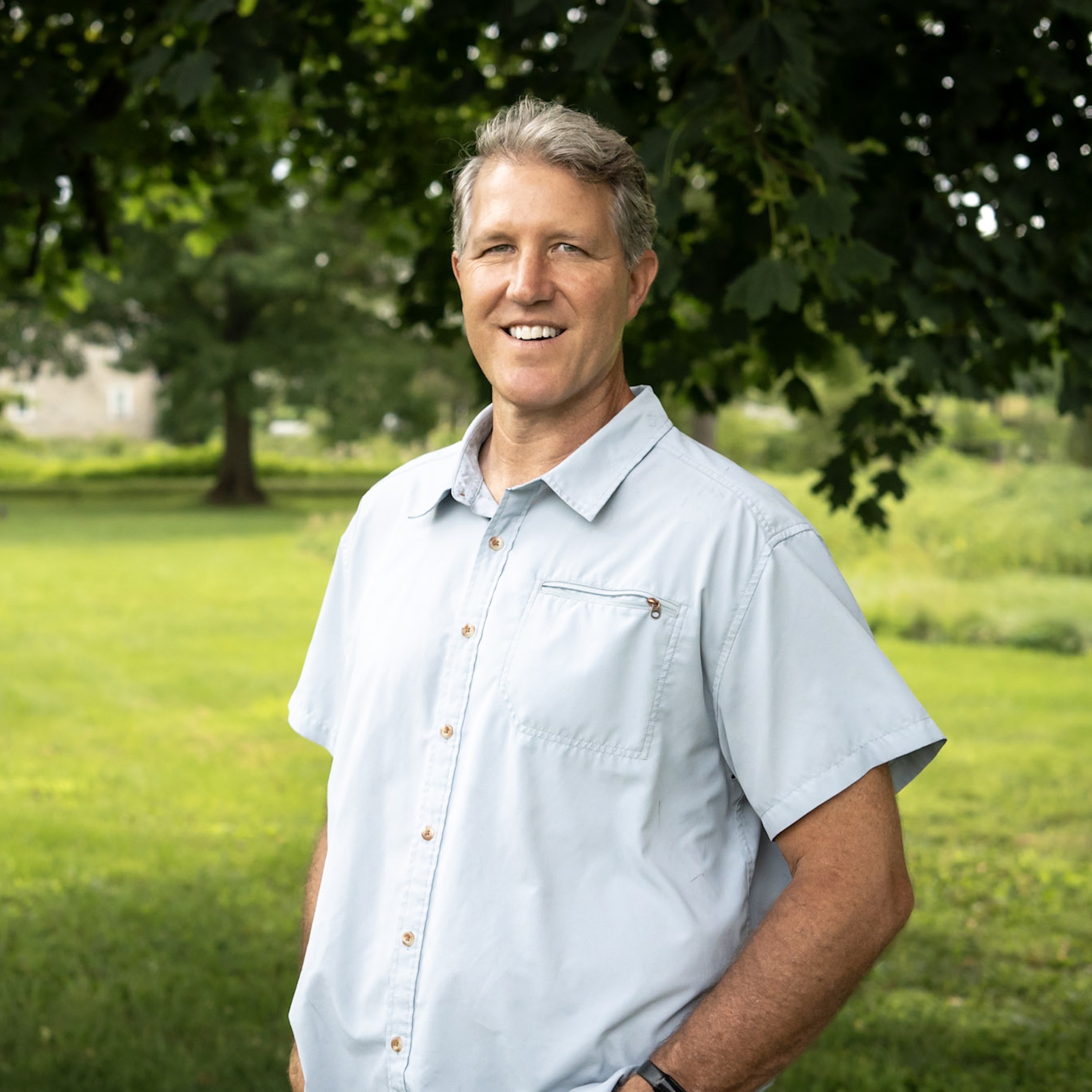
Does Organic Farming Have a Tillage Problem? | Andrew Smith, Ph.D. of the Rodale Instititute
Rodale Institute: https://rodaleinstitute.org/"History of the Rodale Institute" on YouTube: https://youtu.be/nxSYYUMJ6F8Today we’re talking to Dr. Andrew Smith of the Rodale Institute. I originally wanted to bring Andrew onto the show to talk about the history of the Rodale Institute and it’s contribution to agricultural research. Rodale Institute is a nonprofit growing the organic movement through rigorous, solutions-based research, farmer training, and consumer education. But I ended up focusing more on questions related to tillage, organic claims and realities, and what they’re learning from their long term farming systems trials.
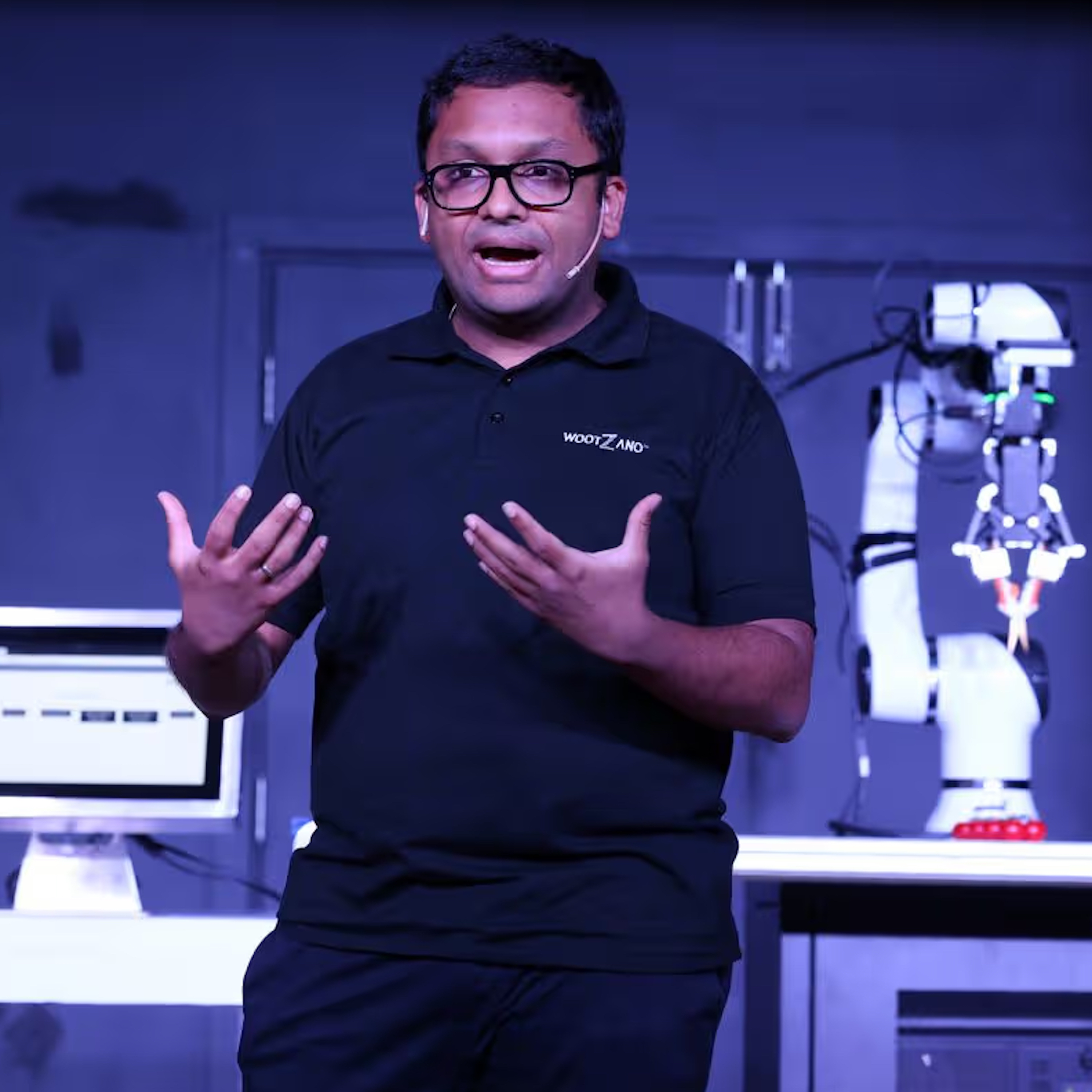
An Agtech Entrepreneur's Nightmare: The Story of Wootzano
Wootzano: https://www.wootzano.com/Atif Syed on LinkedIn: https://www.linkedin.com/in/syedatif/ Via Atif's LinkedIn post"I never thought I’d have to write this.Wootzano, the British robotics company I built from nothing, is at risk of being shut down not because of commercial failure, but because of a procedural trap.Yesterday, after a petition by Innovate UK Loans Limited (UKRI), the Court issued an order that instantly froze Wootzano’s bank accounts.That created an impossible situation:In Scotland, a company cannot speak in court without a solicitor.A solicitor must lodge our appeal.But with accounts frozen, we cannot pay a solicitor."And if we don’t file the appeal by 28 November, liquidation becomes final.A functioning deep-tech company can be silenced without ever being heard.This is not how innovation should die.Wootzano took an £838k Innovate UK Innovation Loan, a government lender, in 2022, a product marketed as patient, flexible capital for high-growth innovators. Flexibility is even built into the contract.But when our funded subsystem didn’t reach commercialisation, no flexibility was offered, and the matter went straight down the standard debt route.If this can happen to us, it can happen to any of the 240+ UK companies on this loan programme.Wootzano is:🇬🇧 The only British ag-robotics company for post-harvest to ship commercial robots to Japan and various other countries 🤖 Active in 6 countries 🔧 Supporting UK engineers, suppliers, and farmers 📈 Delivering £537m+ worth of contracts 🌍 Representing Britain on global trade missions 💡 Backed by diverse shareholders, from farmers to technologists, who believed the UK could lead in roboticsLosing this to a procedural freeze, not a business failure, will destroy trust in British deep-tech nationally and internationally.We need to get a solicitor initially to file the appeal before the deadline.Appeal deadline: 28 NovemberEvery hour mattersEven a share of this post helps.I have spent years building this with an extraordinary team.I am not giving up, but right now, the company is legally unable to act without help.If you believe in fairness, due process, and protecting UK innovation, please support or share this widely.
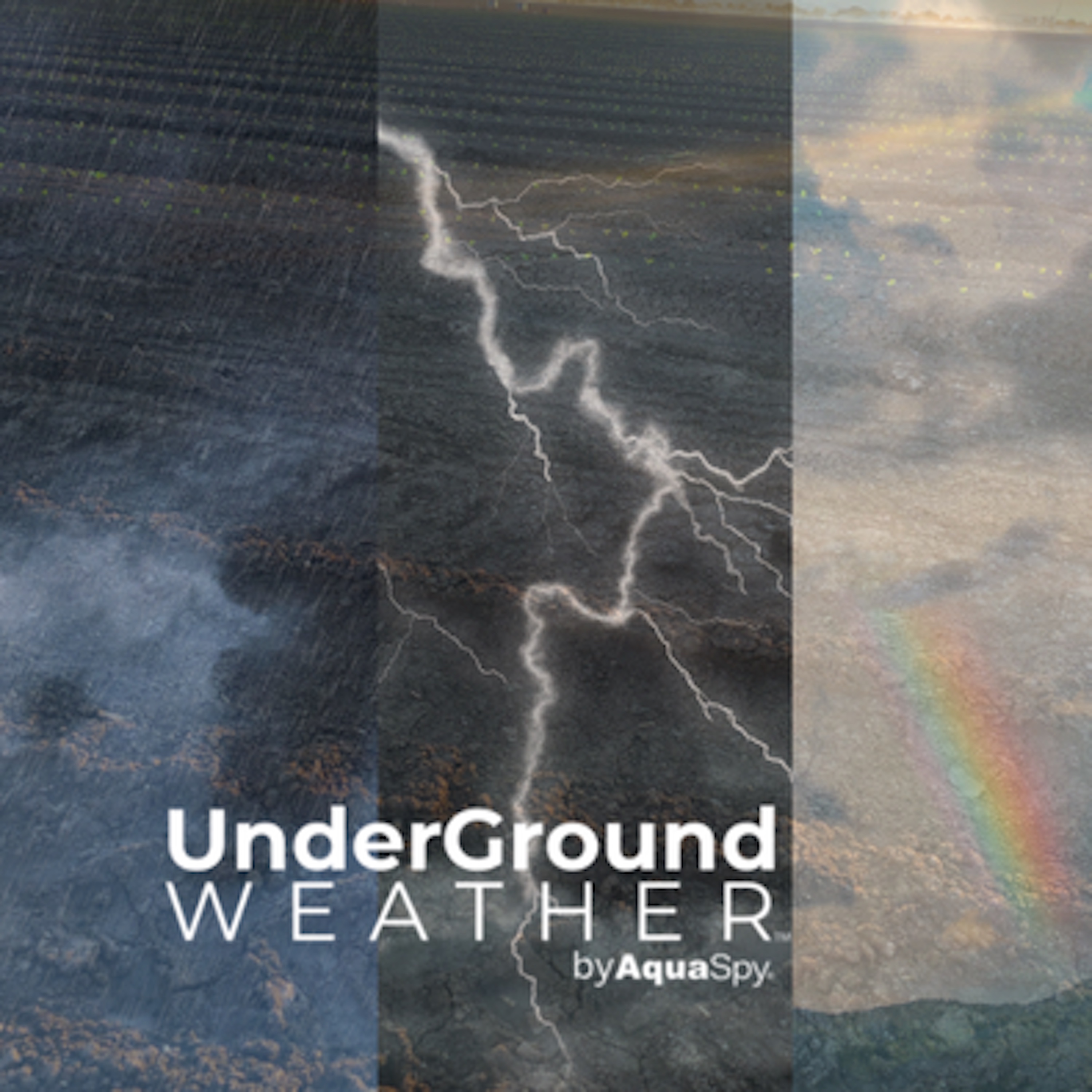
Forecasting the 'Underground Weather' with Bruce Moeller of AquaSpy
AquaSpy: https://aquaspy.com/ On the show today is Bruce Moeller, before buying AquaSpy in 2009 Bruce was already a serial entrepreneur, a former president of a publicly traded company, and an author of two books. He successfully grew and exited Culture Works and Drive Cam, which was an early dash cam company. He decided to apply the idea they used at Drive Cam to use technology to capture what hadn’t been easily recorded previously, to agriculture. Specifically in-situ monitoring of soil conditions around a plant’s roots. So Bruce and his team bought AquaSpy, a company out of Adelaide, Australia in 2009, so really early in this part of agtech, and they’ve been operating it ever since. Bruce is not from an ag background, but as you’ll hear he looked at this as more of a feature than a bug. To describe AquaSpy, Bruce uses the analogy of the ecosystem of the rhizosphere, this area of soil around the roots of having it’s own weather. And AquaSpy being a tool to check the weather down there, which has all sorts of applications, especially with their latest feature, which allows them to also measure in-situ nitrogen in real time. We talk about how AquaSpy is approaching their technology and the problems it solves for farmers, and we talk about how AI is enabling them to move in a more predictive direction with the data they’re collecting.
Checking the Pulse of the Ag Robotics Industry with Tim Bucher of AgTonomy and Dominique Mégret of Ecorobotix
Five Questions About The Ag Robotics Revolution (FIRA 2024 Reflections)The Next Great Ag Equipment Brand will be Autonomy-First with Charlie Andersen of BurroAutonomous Sprayers with Gary Thompson of GUSSMaking Spot Spray Technology Accessible With Jaisimha Rao of Niqo RoboticsThe Path To Superhuman Farming with Curtis Garner and Brent Shedd of Verdant RoboticsCategory Design with Dan SchultzTHE BIG REGRESSION (by Jason Fried on X) I attended FIRA USA a few months ago, which is a great event focused on agricultural robots and autonomous solutions. Like I did last year, I wanted to share some reflections on the current state of the ag robotics sector. Today you'll hear from AgTonomy CEO Tim Bucher and Ecorobotix CEO Dominique Mégret on today’s episode about how autonomy in agriculture is much more than a way to reduce labor needs. It’s about re-thinking what it means to farm better. And while these solutions are finding their footing, we’re still a long way from widespread adoption. We talk about both the opportunities and the challenges of ag robotics and automation on this episode!
You may also like





Get this podcast on your phone, Free


Create Your Podcast In Minutes
- Full-featured podcast site
- Unlimited storage and bandwidth
- Comprehensive podcast stats
- Distribute to Apple Podcasts, Spotify, and more
- Make money with your podcast