
Episode List
A Nature Lover Confronts Her Fear of Spiders
How do you stop being so afraid? Tracy Twombly had such a strong phobia of spiders, it was messing with her life — stressing her out while she was working at her native plant nursery or hiking through the woods. So, she embarked on a journey to make peace with her eight-legged neighbors (even the extra hairy ones).This is a special episode from the Up From Dust podcast, produced by the NPR Network, KCUR Studios, and the Kansas News Service.Artwork for this episode by, Jessica Cornelison
America, Meet America
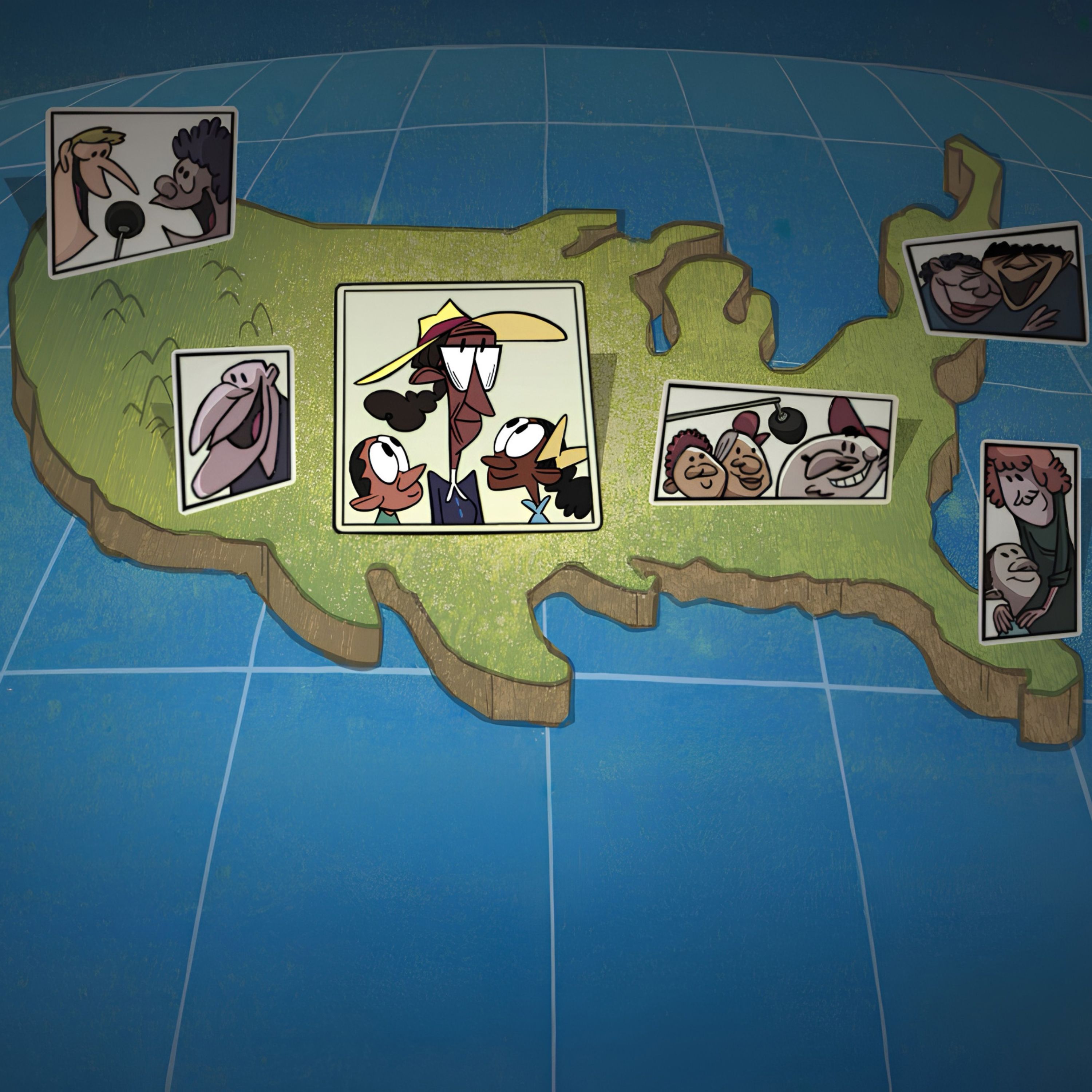
For more than two decades, the StoryCorps silver Airstream trailer has crisscrossed the country, recording the stories of everyday Americans. In this episode honoring the 250th anniversary of the United States, our friends at The StoryCorps Podcast introduce you to the kaleidoscope of voices that make up these United States.
The Gunboat Philadelphia
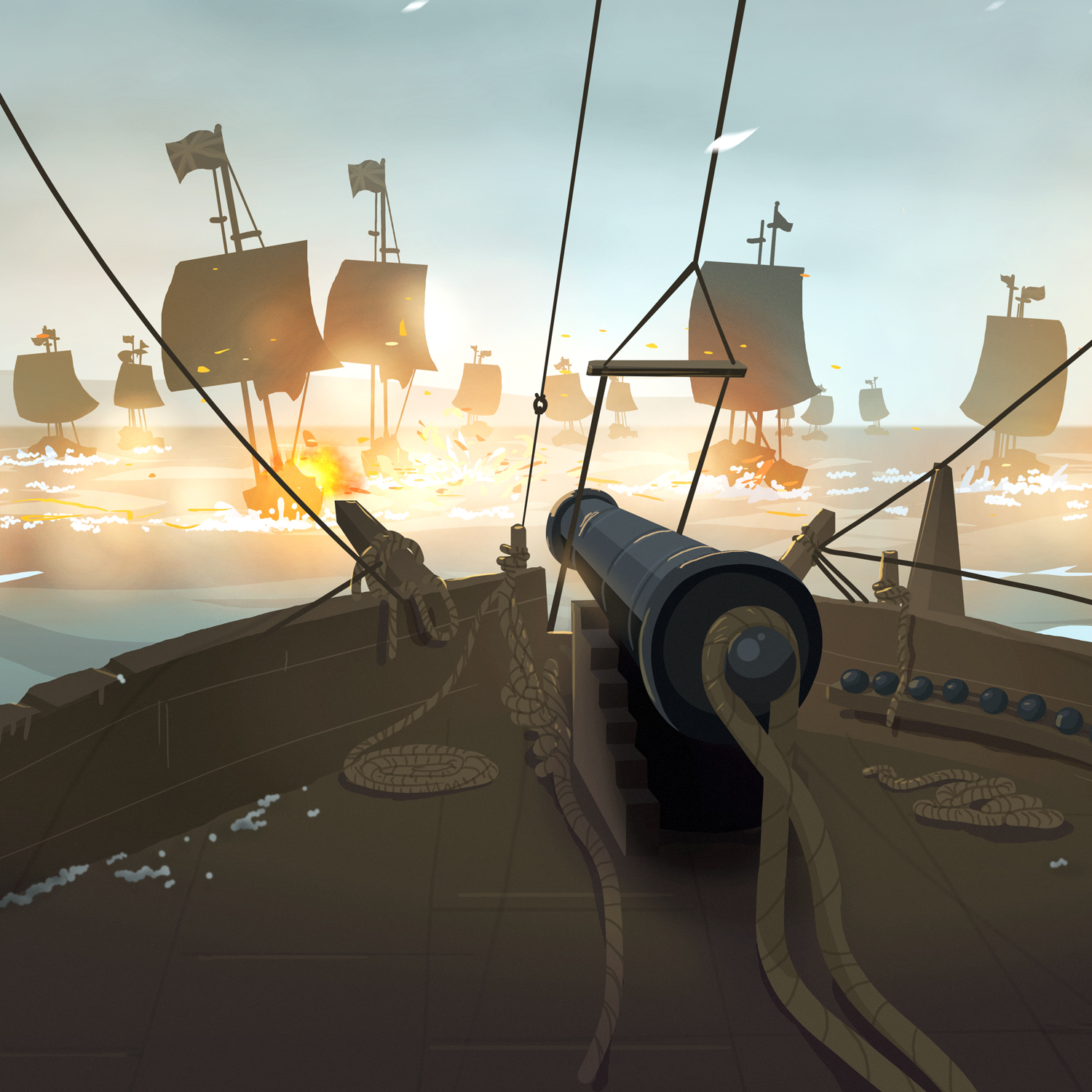
In 1935, a diver searching Lake Champlain found something extraordinary: a nearly intact warship from the American Revolution. It was the Gunboat Philadelphia. In this episode, we dive into the story of how a ragtag American army built a fleet of ships to stand up against the British Navy in 1776 ... and lost. But that loss changed the course of U.S. history. So, how did Benedict Arnold and a bunch of sailors who had never been on a boat before turn the tide in the Revolutionary War? Listen, and find out! Guests: Jennifer Jones, Curator and Project Director for the Gunboat Philadelphia Preservation Project at the Smithsonian National Museum of American HistoryKenneth Cohen, Chair of the Curatorial Division of Military and Society, and Curator of Early American History at the Smithsonian National Museum of American HistoryThis episode received support from Smithsonian's Our Shared Future: 250, a Smithsonian-wide initiative commemorating the nation's 250th. Major support for Smithsonian’s Our Shared Future: 250 has been provided by Lilly Endowment Inc. Additional generous contributions have been made by Target, Caterpillar Foundation, and the Gates Foundation.
The Missing Bison
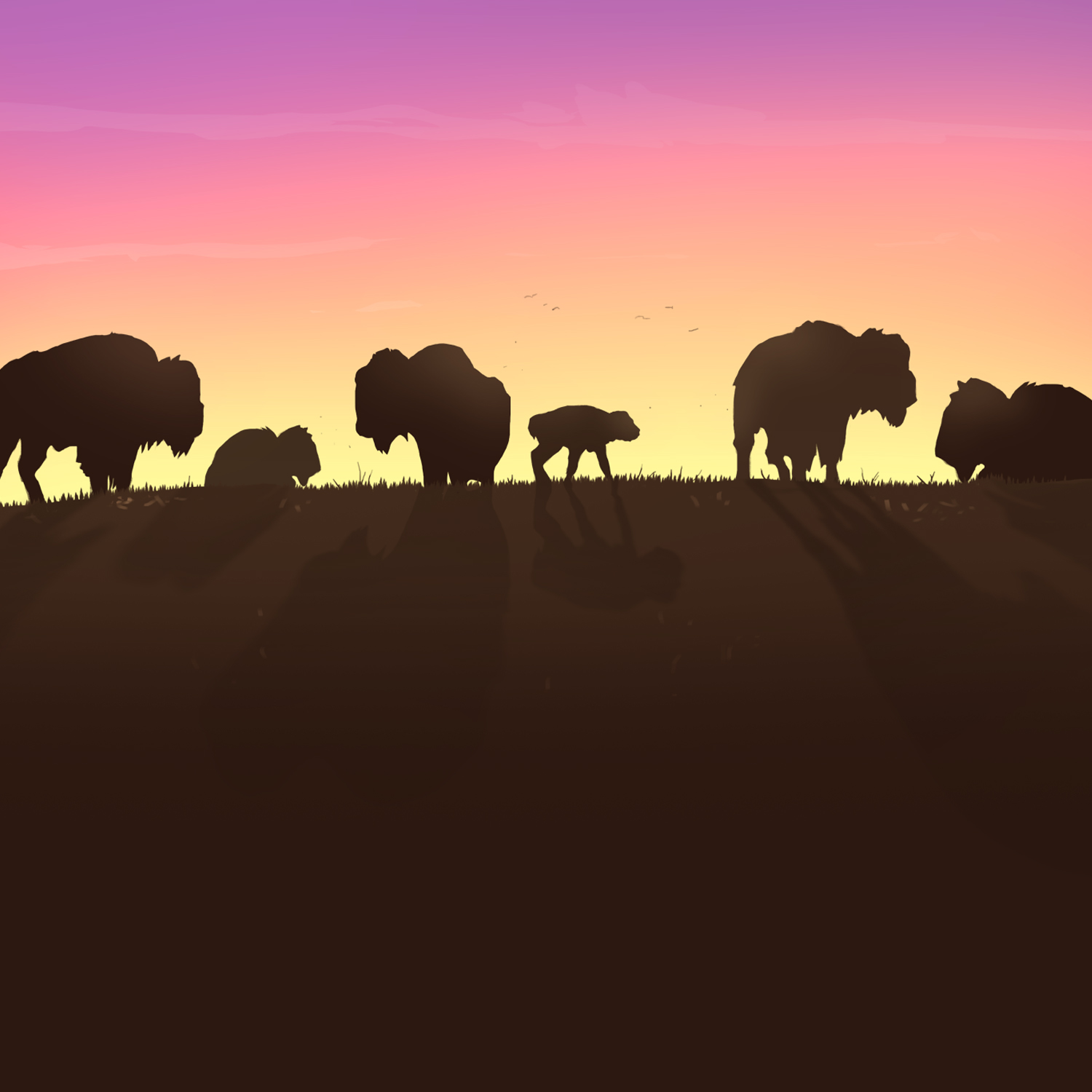
In the 1880s, a conservator at the Smithsonian set out for Montana to capture an American bison before the dwindling species vanished forever. He returned with six taxidermied bison that he displayed in the museum. The bison diorama wowed visitors so much that it helped kickstart a movement to save the species. But then, just like that, the stuffed bison vanished! Where did they go? With the nation's 250th birthday fast approaching, the director of the Smithsonian National Museum of Natural History set out to find the missing bison. It's a journey that led west —where it all began— and ended on the steps of the museum. Guests: Kirk Johnson, Director of the Smithsonian's National Museum of Natural HistorySiobhan Starrs, Senior Project Manager and Exhibition Developer at the Smithsonian’s National Museum of Natural History Jonny BearCub Stiffarm, Volunteer with the Fort Peck Tribal Bison program in Montana. Member of the Assiniboine Nation and a former Buffalo Program administrator at the World Wildlife Fund Jim Wood, Assistant Director for Communications at the Smithsonian's National Museum of Natural HistoryThis episode received support from Smithsonian's Our Shared Future: 250, a Smithsonian-wide initiative commemorating the nation's 250th. Major support for Smithsonian’s Our Shared Future: 250 has been provided by Lilly Endowment Inc. Additional generous contributions have been made by Target, Caterpillar Foundation, and the Gates Foundation.
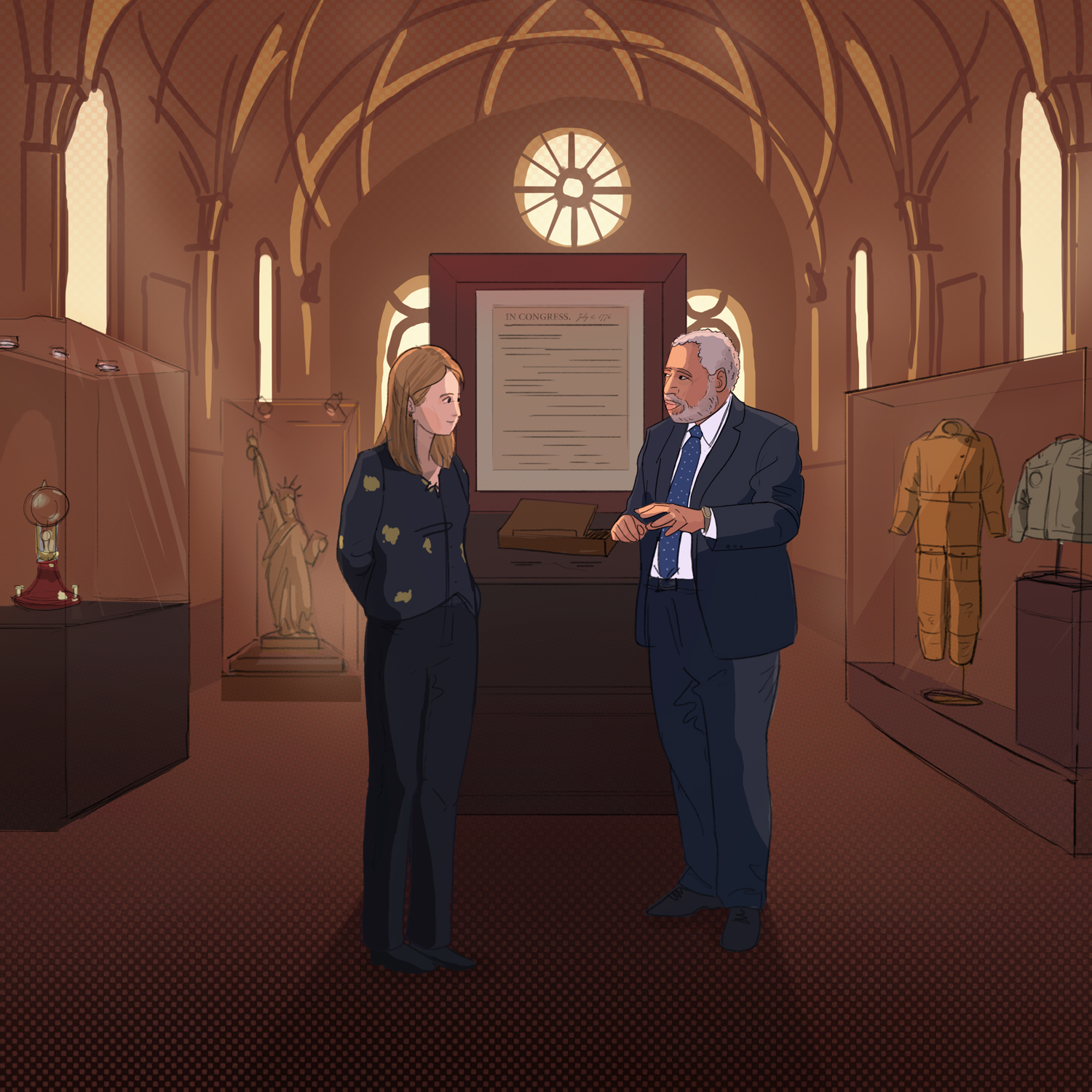
American Aspirations: A Nation in Pursuit
Smithsonian Secretary Lonnie G. Bunch III has spent a lifetime thinking about how history gets told. Before becoming the head of the Smithsonian, he was a curator, someone whose job is deciding which stories, people, and objects help us make sense of ourselves. So as America approaches its 250th birthday, Lizzie wanted to know: if you had to tell the story of the United States through just a handful of things, where would you begin?In this special episode, Secretary Bunch puts his curator hat back on to lead Lizzie through American Aspirations, a new exhibition he co-curated. Starting with the desk on which the Declaration of Independence was drafted, they get up close with some of the nation's most treasured objects: Abraham Lincoln campaign swag, Amelia Earhart's flight suit, Thomas Edison's light bulb, and even a miniature Statue of Liberty (which is still pretty big!). What can these objects reveal about a nation still striving to become its best self?Guest: Lonnie G. Bunch III, Secretary of the Smithsonian InstitutionThe American Aspirations exhibition at the Smithsonian Castle was co-curated by Smithsonian Secretary Bunch — alongside Abeer Saha, curator at the National Museum of American History, and Harry Rubenstein, curator emeritus at the National Museum of American History.American Aspirations received support from Jacqueline B. Mars and the Smithsonian’s Our Shared Future: 250, a Smithsonian-wide initiative commemorating the nation’s 250th. Major support for Our Shared Future: 250 has been provided by Lilly Endowment Inc. Additional contributions have been made by Target and the Gates Foundation.To watch a video version of this podcast find us on YouTube: https://www.youtube.com/smithsonian





Get this podcast on your phone, Free


Create Your Podcast In Minutes
- Full-featured podcast site
- Unlimited storage and bandwidth
- Comprehensive podcast stats
- Distribute to Apple Podcasts, Spotify, and more
- Make money with your podcast
