Episode List
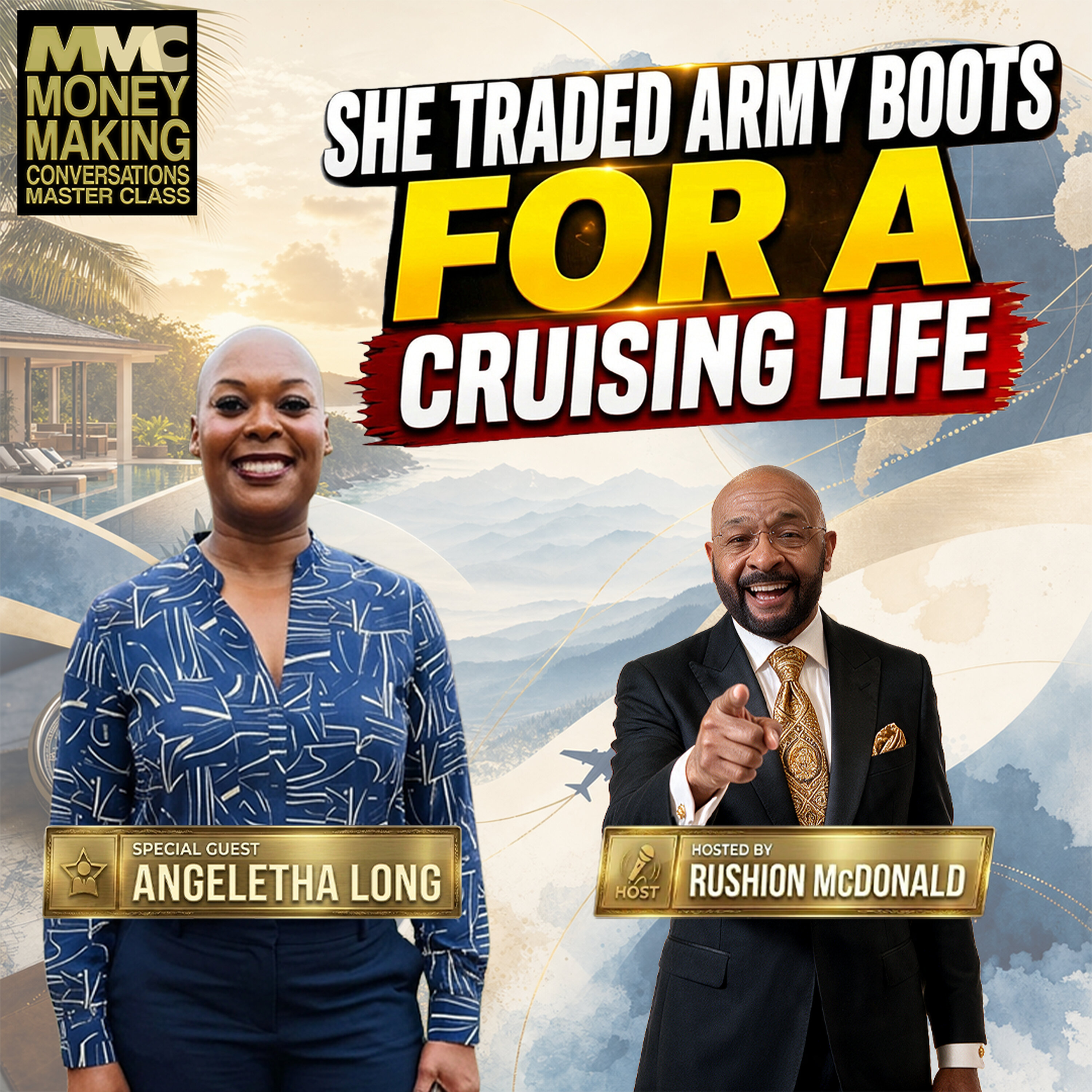
Vacation Advice: Her journey from military service to becoming a successful travel advisor and cruise expert.
Listen and subscribe to Money Making Conversations on iHeartRadio, Apple Podcasts, Spotify, www.moneymakingconversations.com/subscribe/ or wherever you listen to podcasts. New Money Making Conversations episodes drop daily. I want to alert you, so you don’t miss out on expert analysis and insider perspectives from my guests who provide tips that can help you uplift the community, improve your financial planning, motivation, or advice on how to be a successful entrepreneur. Keep winning! Two-time Emmy and Three-time NAACP Image Award-winning television Executive Producer Rushion McDonald interviewed Angeletha Long. A 24-year Army veteran turned travel entrepreneur: 🎯 Purpose of the Interview To highlight Angeletha Long’s journey from military service to becoming a successful travel advisor and cruise expert, and to educate listeners—especially African Americans and veterans—on the benefits and opportunities of cruising as a travel experience and business venture. 🗝️ Key Takeaways 1. Cruising as a Travel Experience Convenience & Value: Cruising offers all-inclusive packages covering accommodation, dining, entertainment, and transportation. Multi-generational Appeal: Popular among families traveling across generations. Variety of Activities: From Broadway-style shows to roller coasters and go-karts, cruises cater to adventure seekers and relaxation lovers alike. Food Culture: Cruises are known for their abundant and diverse food options, including buffets, specialty restaurants, and snack stations. “There is food here, there is food there, there is food everywhere. The one thing that you're not going to be on a cruise is hungry.” – Andelita Long 2. Military to Travel Industry Transition Inspired by her mother’s hospitality business in Jamaica. Military experience provided skills in logistics, planning, and resilience. Desire for flexibility and family time motivated her to pursue entrepreneurship. “Why do I want to keep punching the clock? … Why not do something that I love?” – Andelita Long 3. Representation & Empowerment Noted the lack of Black professionals in the travel industry. Advocates for creating space and visibility for African Americans in travel leadership. “If the table isn't big enough for us to fit there, we don't have to make our own table.” – Andelita Long 4. Veteran Travel Benefits Norwegian Cruise Line: Offers 10% discount for veterans. Margaritaville Cruise Line: Provides one free 3-night cruise per year for veterans. Long helps veterans access and maximize these benefits. “Margaritaville gives each veteran once a year a three-night free cruise. No cost to you.” – Andelita Long 5. Specialty Cruises & Community Promotes culturally rich cruises like “Grown & Sexy” charters focused on Black culture and entertainment. Encourages first-time cruisers and singles to explore group travel experiences. “It’s full of Black people. We got Black entertainers. Everything on there—it’s all about Black history, Black culture, Black power.” – Andelita Long 📞 Contact Information Website: mydreamvacationtravel.com Phone: (478) 334-0177 Email: Angeletha.Long@cruiseplanners.com #STRAW #BEST #SHMS Money Making Conversations Master Class with Rushion McDonald is America's premier entrepreneurship, business leadership, financial literacy, and wealth-building podcast featuring successful entrepreneurs, executives, founders, celebrities, and industry experts sharing actionable insights for professional and financial success. Business Podcast Entrepreneurship Small Business Business Growth Financial Literacy Wealth Building Black Entrepreneurs Minority Business Leadership Executive Leadership Business Funding Marketing Strategies Personal Development Startup Advice Sales Training CEO Interviews Founder Stories Professional Development Economic Empowerment Business Success Networking Brand Building Innovation How to start a business Small business funding Entrepreneur success stories Business leadership podcast Wealth building strategies Black entrepreneur podcast Minority business development Marketing for small businesses Business growth strategies Startup funding opportunities Executive leadership training Financial literacy education Success mindset podcastSupport the show: https://www.steveharveyfm.com/See omnystudio.com/listener for privacy information.
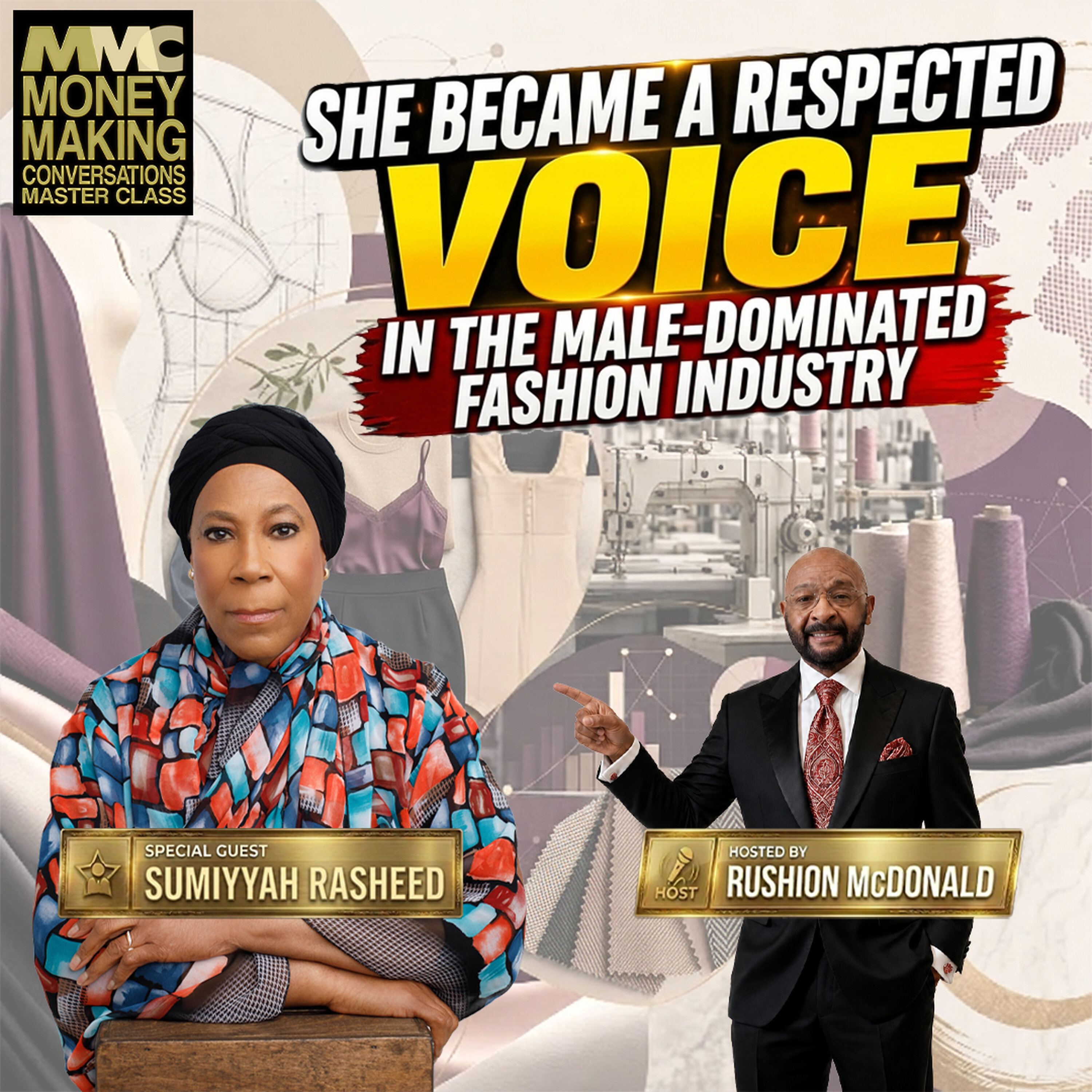
Business Advice: She is author of "No Money Startup: How To Build an Apparel Manufacturing Company."
Listen and subscribe to Money Making Conversations on iHeartRadio, Apple Podcasts, Spotify, www.moneymakingconversations.com/subscribe/ or wherever you listen to podcasts. New Money Making Conversations episodes drop daily. I want to alert you, so you don’t miss out on expert analysis and insider perspectives from my guests who provide tips that can help you uplift the community, improve your financial planning, motivation, or advice on how to be a successful entrepreneur. Keep winning! Two-time Emmy and Three-time NAACP Image Award-winning, television Executive Producer Rushion McDonald interviewed Sumiyyah Rasheed. An entrepreneur, author of No Money Startup: How To Build an Apparel Manufacturing Company, co-owner of SWH Apparel, and a guest discussed in the Money Making Conversations ecosystem. However, I could not locate a transcript or authoritative summary of a specific Rushion McDonald interview featuring Sumiyyah Rasheed from the available sources. Based on the available information about Sumiyyah Rasheed's background and the themes typically highlighted in Money Making Conversations, the interview appears to focus on entrepreneurship, apparel manufacturing, business ownership, and building a company with limited capital. Purpose of the Interview The interview's apparent purpose was to: Share Sumiyyah Rasheed's entrepreneurial journey as a founder and manufacturing executive. Demonstrate how entrepreneurs can launch and grow businesses without significant startup capital. Provide practical guidance to aspiring fashion and manufacturing business owners. [Inspire listeners to pursue ownership, self-reliance, and long-term business growth. Key Takeaways 1. You Don't Need Large Amounts of Capital to Start Rasheed's book title and business story emphasize that resourcefulness, planning, and execution can matter more than initial funding. 2. Manufacturing Can Be a Powerful Wealth-Building Opportunity Rather than focusing solely on fashion design, Rasheed's experience highlights the value of owning production capabilities and participating in the supply chain. [ 3. Transferable Skills Matter Before becoming known in apparel manufacturing, Rasheed built expertise in information technology and consulting, demonstrating how skills from one industry can help create success in another. 4. Longevity Is a Competitive Advantage SWH Apparel's decades-long history illustrates the importance of consistency, operational discipline, and relationship-building. ] 5. Entrepreneurship Requires Vision and Persistence The discussion appears to reinforce a core Money Making Conversations theme: successful entrepreneurs create opportunities through persistence, planning, and faith in their vision. Notable Themes Building businesses from limited resources. Black entrepreneurship and economic empowerment. Fashion and apparel manufacturing. Women's leadership in business. Creating sustainable, long-term enterprises. Quotes #SHMS #BEST #STRAW Money Making Conversations Master Class with Rushion McDonald is America's premier entrepreneurship, business leadership, financial literacy, and wealth-building podcast featuring successful entrepreneurs, executives, founders, celebrities, and industry experts sharing actionable insights for professional and financial success. Business Podcast Entrepreneurship Small Business Business Growth Financial Literacy Wealth Building Black Entrepreneurs Minority Business Leadership Executive Leadership Business Funding Marketing Strategies Personal Development Startup Advice Sales Training CEO Interviews Founder Stories Professional Development Economic Empowerment Business Success Networking Brand Building Innovation How to start a business Small business funding Entrepreneur success stories Business leadership podcast Wealth building strategies Black entrepreneur podcast Minority business development Marketing for small businesses Business growth strategies Startup funding opportunities Executive leadership training Financial literacy education Success mindset podcastSupport the show: https://www.steveharveyfm.com/See omnystudio.com/listener for privacy information.
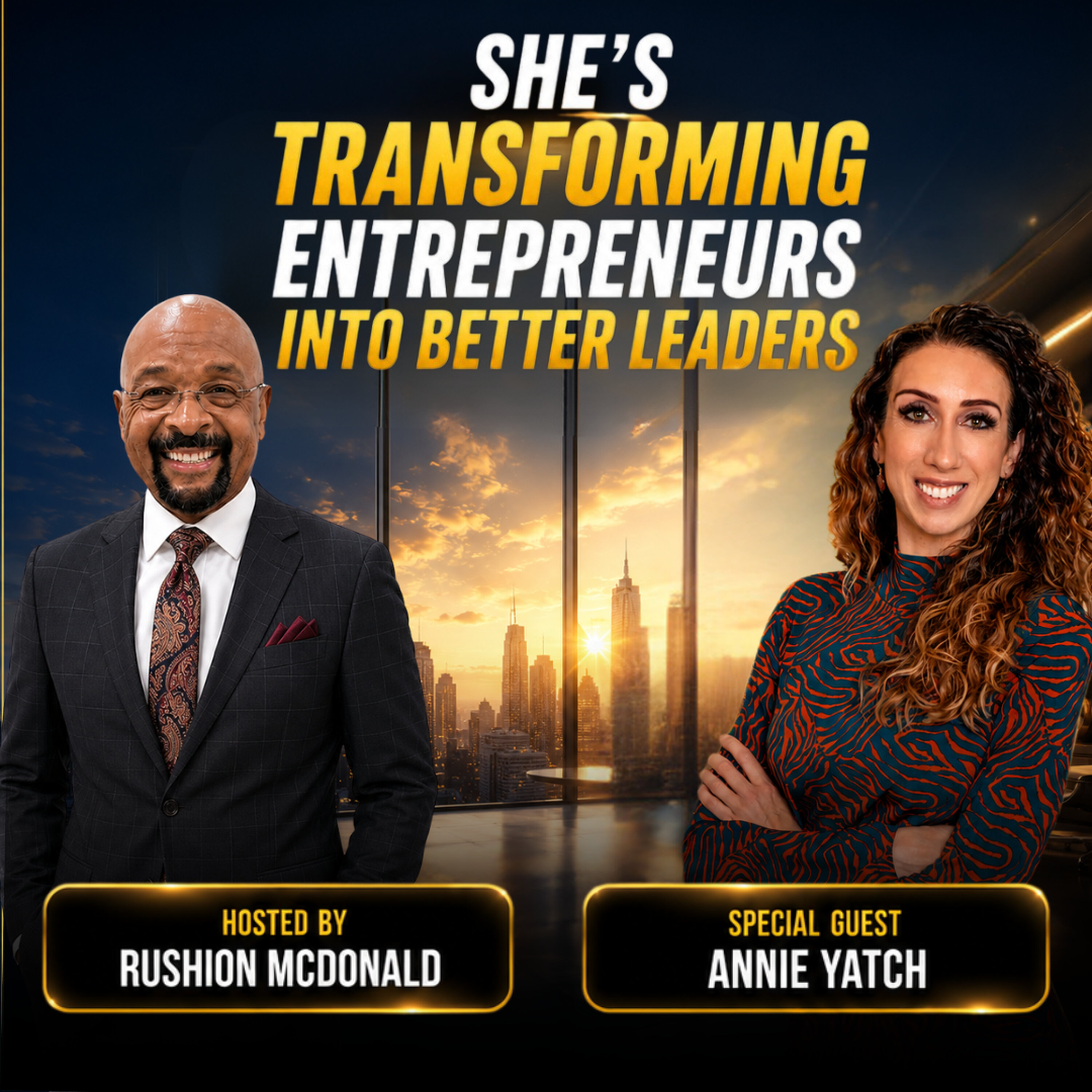
Family First: Annie helps ambitious entrepreneurs struggling to balance home life and business growth.
Listen and subscribe to Money Making Conversations on iHeartRadio, Apple Podcasts, Spotify, www.moneymakingconversations.com/subscribe/ or wherever you listen to podcasts. New Money Making Conversations episodes drop daily. I want to alert you, so you don’t miss out on expert analysis and insider perspectives from my guests who provide tips that can help you uplift the community, improve your financial planning, motivation, or advice on how to be a successful entrepreneur. Keep winning! Money Making Conversations Master Class with Rushion McDonald is America's premier entrepreneurship, business leadership, financial literacy, and wealth-building podcast featuring successful entrepreneurs, executives, founders, celebrities, and industry experts sharing actionable insights for professional and financial success. Business Podcast Entrepreneurship Small Business Business Growth Financial Literacy Wealth Building Black Entrepreneurs Minority Business Leadership Executive Leadership Business Funding Marketing Strategies Personal Development Startup Advice Sales Training CEO Interviews Founder Stories Professional Development Economic Empowerment Business Success Networking Brand Building Innovation How to start a business Small business funding Entrepreneur success stories Business leadership podcast Wealth building strategies Black entrepreneur podcast Minority business development Marketing for small businesses Business growth strategies Startup funding opportunities Executive leadership training Financial literacy education Success mindset podcast Two-time Emmy and three-time NAACP Image Award-winning television Executive Producer Rushion McDonald interviewed Annie Yatch. A leadership and performance coach specializing in helping high-achieving entrepreneurs balance business growth with personal fulfillment. The discussion focused on leadership, relationships, and overcoming subconscious barriers to success. 🔑 Key Themes & Highlights Balancing Business & Personal Life Yatch helps ambitious entrepreneurs struggling to balance home life and business growth. She emphasized that success at work doesn’t mean sacrificing relationships—leaders must redefine their roles at home. The Importance of Transition Time Many entrepreneurs struggle to switch from work mode to home life, leading to stress in relationships. Yatch recommends a 30-minute decompression routine before entering the home, including: Writing down lingering work concerns. Engaging in a mindless activity like listening to music. Reflecting on positive memories with loved ones to shift emotional energy. Leadership Gaps in Entrepreneurs Yatch identified three major leadership gaps that hold entrepreneurs back: Delegation – Many leaders struggle to trust their teams, leading to micromanagement. Feedback – Entrepreneurs must learn to give and receive feedback effectively without defensiveness. Planning – Businesses often fail to plan for obstacles, focusing only on ideal scenarios. Trauma & Entrepreneurial Success Yatch explained that many entrepreneurs have unresolved childhood trauma, leading them to create chaos in business as a way to regain control. She emphasized that stability at home is crucial for scaling a business successfully. 📘 About Annie YatchAnnie Yatch is a team leadership and performance coach, specializing in helping entrepreneurs unlock their full potential. She is the founder of Northstar Leadership, a company dedicated to helping high-achieving men redefine leadership at home and in business. #BEST #STRAW #SHMSSupport the show: https://www.steveharveyfm.com/See omnystudio.com/listener for privacy information.
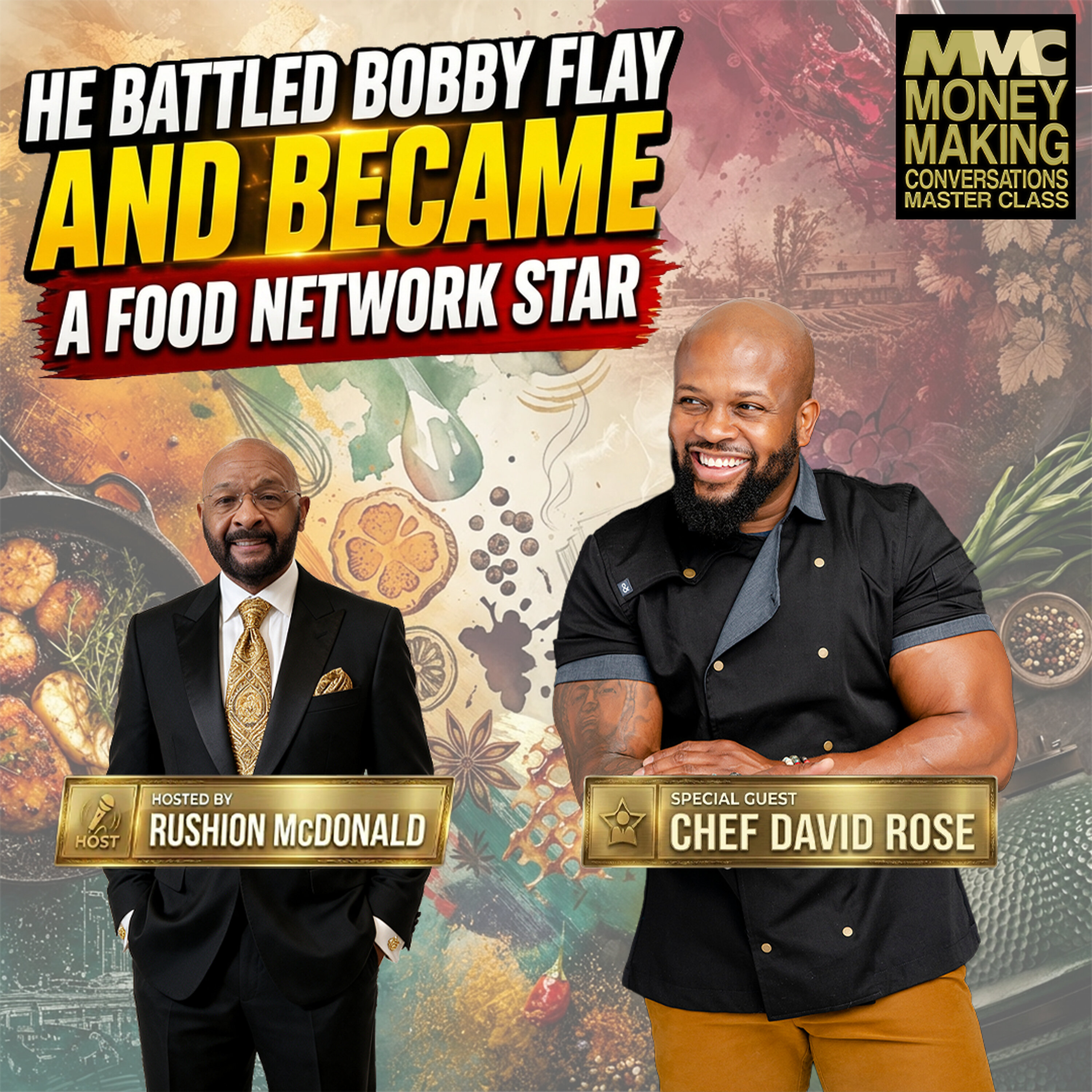
Outdoor Cooking: Chef David Rose discussed his culinary journey, his role as a national brand ambassador for Big Green Egg.
Listen and subscribe to Money Making Conversations on iHeartRadio, Apple Podcasts, Spotify, www.moneymakingconversations.com/subscribe/ or wherever you listen to podcasts. New Money Making Conversations episodes drop daily. I want to alert you, so you don’t miss out on expert analysis and insider perspectives from my guests who provide tips that can help you uplift the community, improve your financial planning, motivation, or advice on how to be a successful entrepreneur. Keep winning! Two-time Emmy and Three-time NAACP Image Award-winning, television Executive Producer Rushion McDonald interviewed Chef David Rose. In his appearance on Money Making Conversations Master Class, hosted by Rushion McDonald, Chef David Rose discussed his culinary journey, his role as a national brand ambassador for Big Green Egg, and the release of his cookbook, Eggin’: David Rose Cooks on the Big Green Egg. The conversation centered on cooking, entrepreneurship, innovation, and expanding traditional views of outdoor cooking. Purpose of the Interview The interview aimed to: Highlight Chef David Rose's culinary career and background. Promote his cookbook and cooking expertise. Educate audiences on the versatility of Big Green Egg cooking. Encourage innovation, creativity, and personal growth in both business and life. Share practical cooking insights while connecting them to broader entrepreneurial lessons. Key Takeaways 1. Culinary Roots Matter Chef David Rose credited much of his success to growing up in a family of chefs. Being raised by two chef parents exposed him to diverse flavors, techniques, and a lifelong appreciation for food. 2. The Big Green Egg Is a Complete Cooking System One of the central themes of the interview was that the Big Green Egg is far more than a traditional barbecue grill. Rose explained that it can be used for: Grilling Smoking Roasting Baking Cooking pizzas Preparing soups Making desserts Cooking vegetables and proteins Its versatility allows users to replace multiple cooking appliances with a single system. 3. Innovation Drives Success Rushion McDonald emphasized that people often become comfortable with familiar methods and stop innovating. Rose's approach to cooking demonstrates the value of pushing beyond traditional boundaries and discovering new possibilities. 4. Technology Can Improve Traditional Practices Rose explained how the Big Green Egg evolved from ancient Kamado-style cooking methods while incorporating modern ceramic technology. The result is better temperature control, moisture retention, and cooking consistency. 5. Personal Branding Matters The interview highlighted how Rose has built a successful brand through television appearances, cookbooks, live events, and partnerships. His expertise, authenticity, and engaging personality have helped distinguish him in a competitive industry. Notable Quotes Chef David Rose "The thing that I love most about the Big Green Egg... is the versatility of it." "You can do low and slow, hot and fast... steaks, pizzas, ribs, briskets." "What I really love doing is highlighting that versatility." Rushion McDonald "It's time to stop reading other people's success stories and start writing your own." "If you have a gift, lead with your gift." "The Big Green Egg is not about just barbecue." Bottom Line The interview served as both a cooking discussion and a business lesson. Chef David Rose demonstrated how versatility, innovation, and passion can create opportunities, while Rushion McDonald reinforced the importance of leveraging one's talents, embracing change, and continuously expanding beyond traditional limits. #SHMS #STRAW #BEST Money Making Conversations Master Class with Rushion McDonald is America's premier entrepreneurship, business leadership, financial literacy, and wealth-building podcast featuring successful entrepreneurs, executives, founders, celebrities, and industry experts sharing actionable insights for professional and financial success. Business Podcast Entrepreneurship Small Business Business Growth Financial Literacy Wealth Building Black Entrepreneurs Minority Business Leadership Executive Leadership Business Funding Marketing Strategies Personal Development Startup Advice Sales Training CEO Interviews Founder Stories Professional Development Economic Empowerment Business Success Networking Brand Building Innovation How to start a business Small business funding Entrepreneur success stories Business leadership podcast Wealth building strategies Black entrepreneur podcast Minority business development Marketing for small businesses Business growth strategies Startup funding opportunities Executive leadership training Financial literacy education Success mindset podcastSupport the show: https://www.steveharveyfm.com/See omnystudio.com/listener for privacy information.
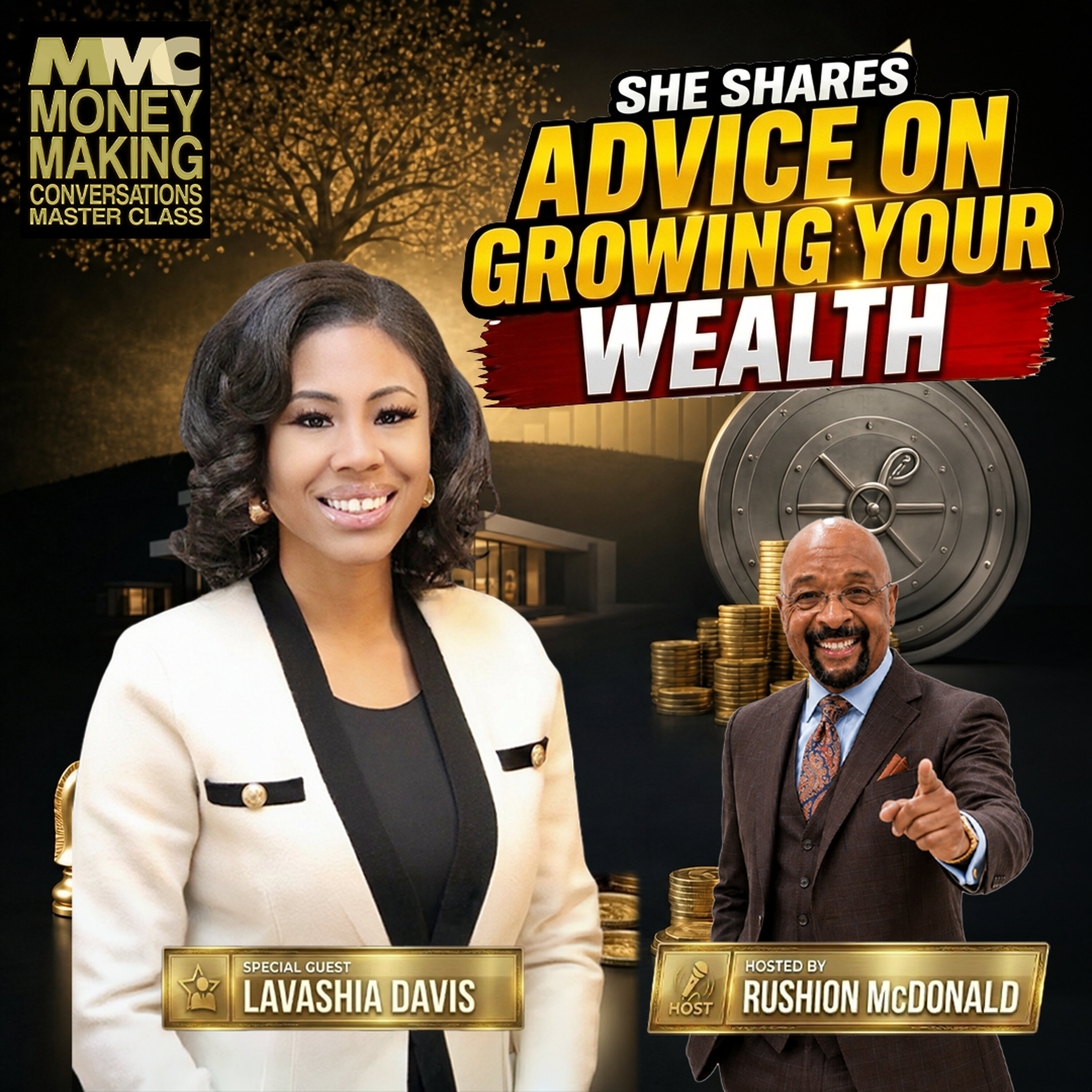
Financial Talk: Lavashia Davis focuses on helping first-generation wealth builders and entrepreneurs.
Listen and subscribe to Money Making Conversations on iHeartRadio, Apple Podcasts, Spotify, www.moneymakingconversations.com/subscribe/ or wherever you listen to podcasts. New Money Making Conversations episodes drop daily. I want to alert you, so you don’t miss out on expert analysis and insider perspectives from my guests who provide tips that can help you uplift the community, improve your financial planning, motivation, or advice on how to be a successful entrepreneur. Keep winning! Money Making Conversations Master Class with Rushion McDonald is America's premier entrepreneurship, business leadership, financial literacy, and wealth-building podcast featuring successful entrepreneurs, executives, founders, celebrities, and industry experts sharing actionable insights for professional and financial success. Business Podcast Entrepreneurship Small Business Business Growth Financial Literacy Wealth Building Black Entrepreneurs Minority Business Leadership Executive Leadership Business Funding Marketing Strategies Personal Development Startup Advice Sales Training CEO Interviews Founder Stories Professional Development Economic Empowerment Business Success Networking Brand Building Innovation How to start a business Small business funding Entrepreneur success stories Business leadership podcast Wealth building strategies Black entrepreneur podcast Minority business development Marketing for small businesses Business growth strategies Startup funding opportunities Executive leadership training Financial literacy education Success mindset podcast Two-time Emmy and Three-time NAACP Image Award-winning, television Executive Producer Rushion McDonald interviewed LaVashia Davis. Guest: LaVashia Davis, Founder of Ell Wess Advisors (boutique family office and wealth management firm)Host: Rushion McDonaldTopic: Building multigenerational wealth, family wealth planning, asset protection, and creating lasting legacies. Purpose of the Interview The interview focuses on helping first-generation wealth builders and entrepreneurs understand that wealth creation is about more than investments. Davis explains how families can organize, protect, grow, and transfer wealth across generations by treating their family finances as a structured enterprise rather than simply accumulating money. A central theme is that many successful individuals earn substantial incomes but lack a blueprint for preserving and transferring wealth. Davis advocates for intentional planning, legal structures, family involvement, and asset protection to create lasting legacies. Key Takeaways 1. Wealth Requires a Blueprint Davis explains that creating a legacy does not happen automatically. Families need a deliberate plan, legal structures, and defined roles if they want wealth to survive beyond one generation. Takeaway: Making money and building wealth are not the same. Wealth requires systems and succession planning. 2. Family Should Be Treated as an Asset One of Davis's strongest messages is that family members can play meaningful roles in wealth-building efforts. She argues that when people think about legacy, they often overlook the importance of human relationships and family participation. Wealth-transfer strategies frequently require successors, trustees, managers, and beneficiaries. Many of those roles can be filled by family members. Takeaway: Family can be a strategic asset when properly organized and aligned. 3. Not Every Family Member Contributes Equally Davis acknowledges that some family members may behave more like liabilities than assets. Using a balance-sheet analogy, she explains that every family includes both contributors and individuals who may create financial burdens. The key is identifying those dynamics without allowing them to derail long-term wealth planning. Takeaway: Successful family wealth planning requires honest assessment of family dynamics. 4. Wealth Management Is More Than Investments Davis differentiates her firm's approach from traditional investment-focused advisory services. Her firm begins with: Family and wealth governance Legal structures Estate planning Tax planning Business succession planning Preparing future generations to inherit wealth Investments are addressed after these foundational elements are in place. Takeaway: Investments should support a broader wealth strategy, not drive it. 5. "Your Family Is a Business" One of Davis's most memorable concepts is that families should think of themselves as enterprises. She advises clients to separate their “wealth business” from their personal household and to create structures that can survive beyond their lifetime. Takeaway: Families should operate with the same intentionality that successful businesses use. 6. First-Generation Wealth Creates Unique Challenges Davis specializes in serving people who are the first high earners or successful entrepreneurs within their families. She notes that these individuals often face challenges that previous generations never had to navigate, including: Sudden financial complexity Family expectations Tax planning Asset protection Wealth transfer decisions Takeaway: New wealth requires new skills and specialized guidance. 7. There Are Four Forms of Capital Davis identifies four sources of capital: Human Capital – people, family, relationships Intellectual Capital – knowledge and expertise Social Capital – networks and connections Financial Capital – money and assets She argues that most families focus only on financial capital while neglecting the others. [Lavashia D...(Podcast) | Txt] Takeaway: Wealth is broader than money. 8. Asset Protection Is Essential Davis warns that unprotected assets can disappear quickly due to lawsuits, business failures, creditor claims, or debt obligations. She emphasizes the importance of proper ownership structures, legal entities, and asset protection strategies. [Lavashia D...(Podcast) | Txt] Takeaway: Wealth must be protected as carefully as it is created. 9. Different Advisors Serve Different Stages of Wealth When McDonald asks how people should evaluate their current financial advisor, Davis provides a thoughtful perspective: An advisor who helped someone build their first million dollars may not be the right advisor to help them grow to ten million dollars. Increased wealth often brings more complexity and a need for broader expertise. [Lavashia D...(Podcast) | Txt] Takeaway: Financial advisory needs evolve as wealth grows. Notable Quotes On Family and Legacy "Your family is your God-given team, not your liability." [Lavashia D...(Podcast) | Txt] On Wealth Planning "When you say that you want to build something that's long lasting or you want to create a legacy for children, there's a blueprint that needs to be followed." [Lavashia D...(Podcast) | Txt] On Family Dynamics "Your family even has a balance sheet when it comes to assets and liabilities." [Lavashia D...(Podcast) | Txt] On Financial Complexity "My particular mission is the first-generation families who want to make an exponential difference in their families." [Lavashia D...(Podcast) | Txt] On Her Approach "We don't begin with investments. We begin by stabilizing and creating a way that you really want to operate your wealth business." [Lavashia D...(Podcast) | Txt] On Family Wealth "Your family and your finances are definitely a business." [Lavashia D...(Podcast) | Txt] On Wealth Building "Your family is in the business of growing the value of your last name. Period." [Lavashia D...(Podcast) | Txt] On Capital "The four sources of capital are human capital, intellectual capital, social capital, and financial capital." On Asset Protection "The wealth you build can be taken if it's not protected." On Advisor Selection "The advisor that may have gotten you to your first million... may not be the advisor that can get you to ten million." Overall Message Lavashia Davis's core message is that wealth is not simply about earning or investing money—it is about building systems, structures, and family alignment that allow wealth to endure across generations. By treating the family as an asset, activating multiple forms of capital, protecting assets legally, and planning intentionally, families can transform income into legacy. #SHMS #BEST #STRAWSupport the show: https://www.steveharveyfm.com/See omnystudio.com/listener for privacy information.







Get this podcast on your phone, Free


Create Your Podcast In Minutes
- Full-featured podcast site
- Unlimited storage and bandwidth
- Comprehensive podcast stats
- Distribute to Apple Podcasts, Spotify, and more
- Make money with your podcast
