
Y Combinator Startup Podcast
https://anchor.fm/s/8c1524bc/podcast/rssEpisode List
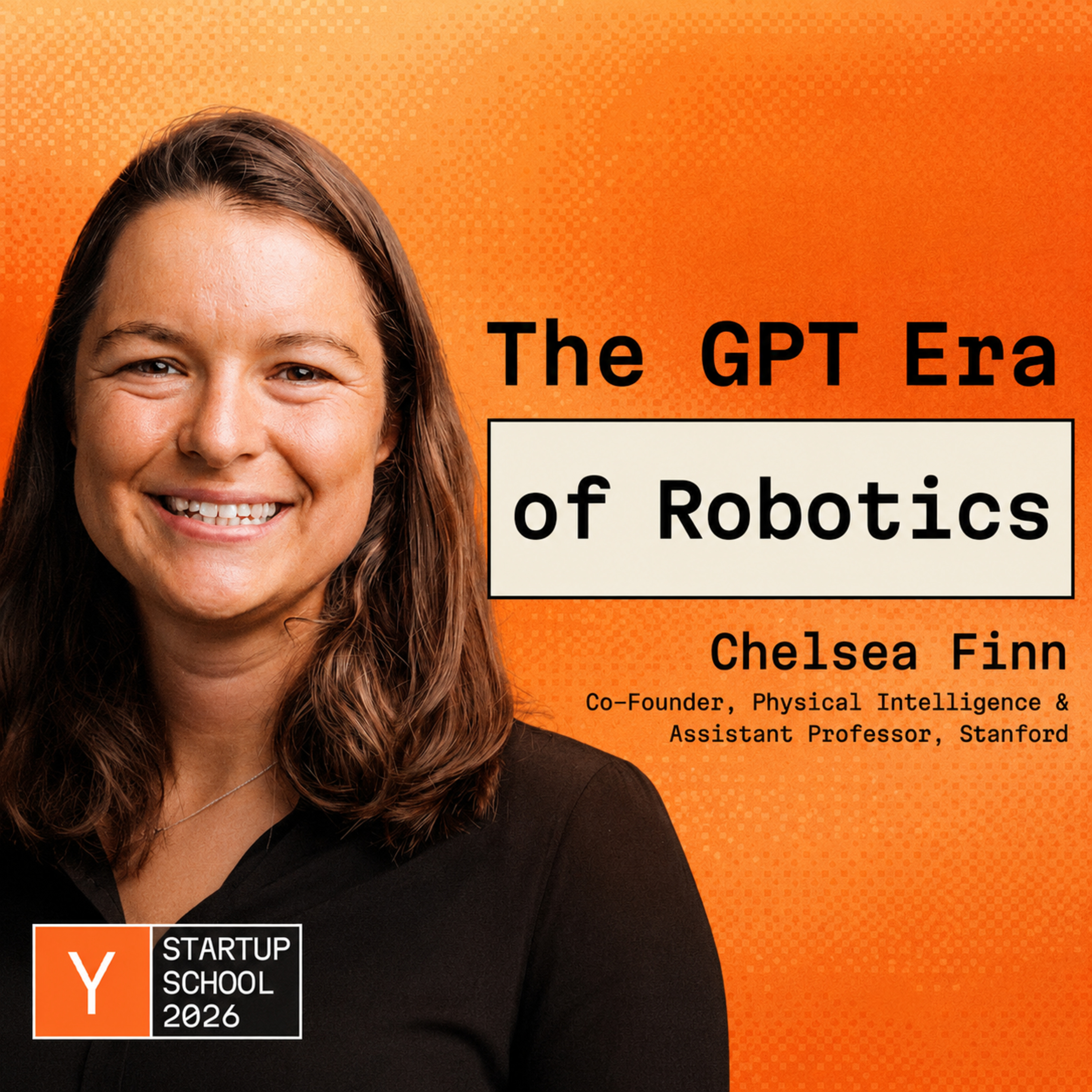
Chelsea Finn: This is the State of the Art in Robotics
Robots can already fold laundry, make espresso, clean kitchens, and assemble things. The harder problem is getting them to do those tasks reliably, for long periods of time, without a human babysitting them.At Startup School 2026, Physical Intelligence cofounder Chelsea Finn explains what it takes to build general-purpose robots that work in the real world. She shares how reinforcement learning pushed robot throughput up 2x, how their systems can run autonomously for hours, and why she believes robotics is entering its GPT era: moving from specialized models toward general-purpose systems that can work across tasks, robots, and environments.Transcript: https://www.ycrootaccess.com/p/chelsea-finn-on-the-next-decade-in
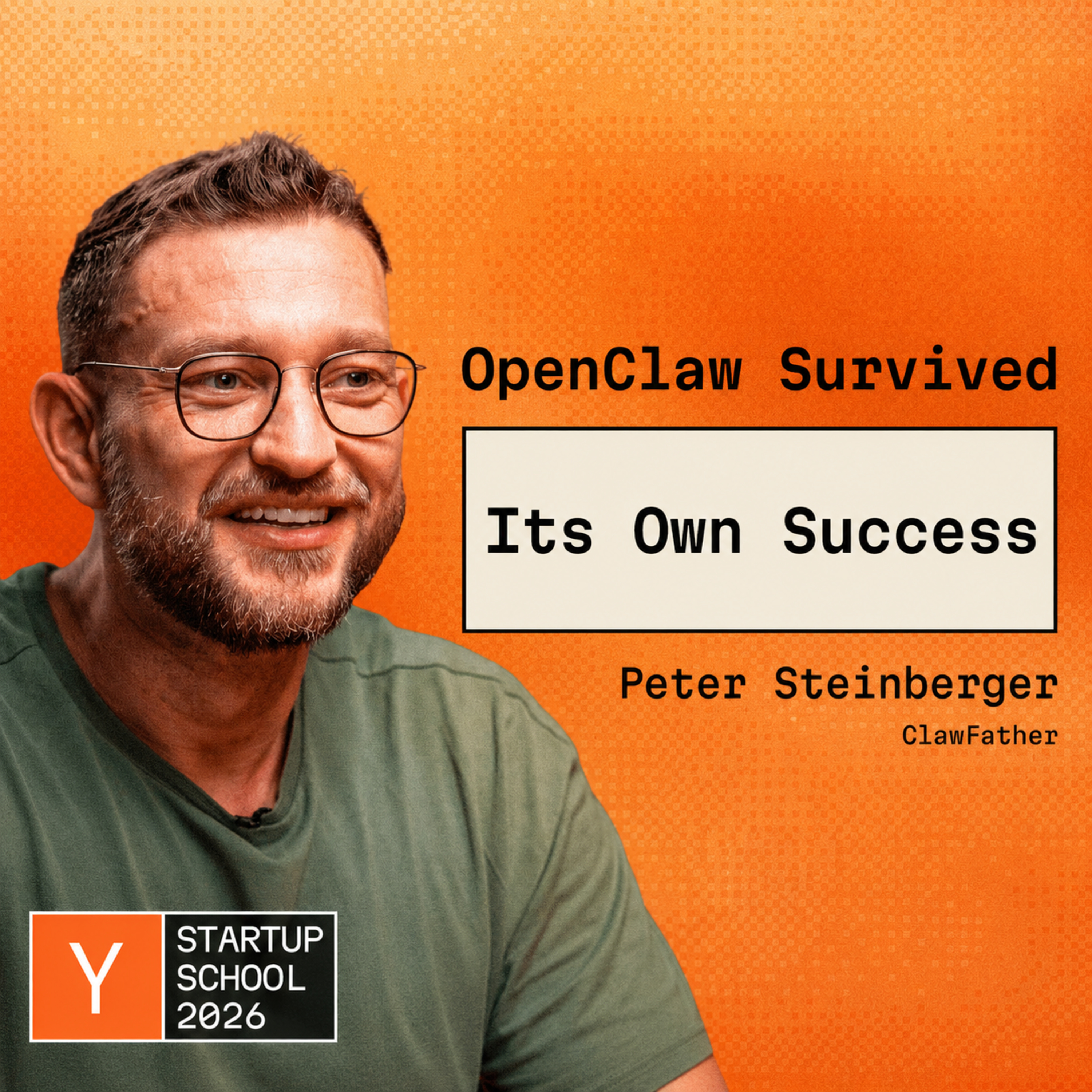
Peter Steinberger: "Fun Is Velocity"
Last November, Peter Steinberger was annoyed that there was no good way to talk to his coding agents from his phone, so he built one himself. A few months later, OpenClaw had exploded into one of the biggest open source AI projects in the world, with nearly 3,000 contributors and a peak of 4.7 million weekly downloads.At Startup School 2026, Peter tells the story of what happened when OpenClaw took off, what he got wrong as it grew, and how he eventually stopped using the product he had built for himself.He shares why the best products often start with something that annoys you, why focus matters more as building gets easier, and why, in his words, “fun is velocity.”Transcript: https://www.ycrootaccess.com/p/peter-steinberger-what-happens-when
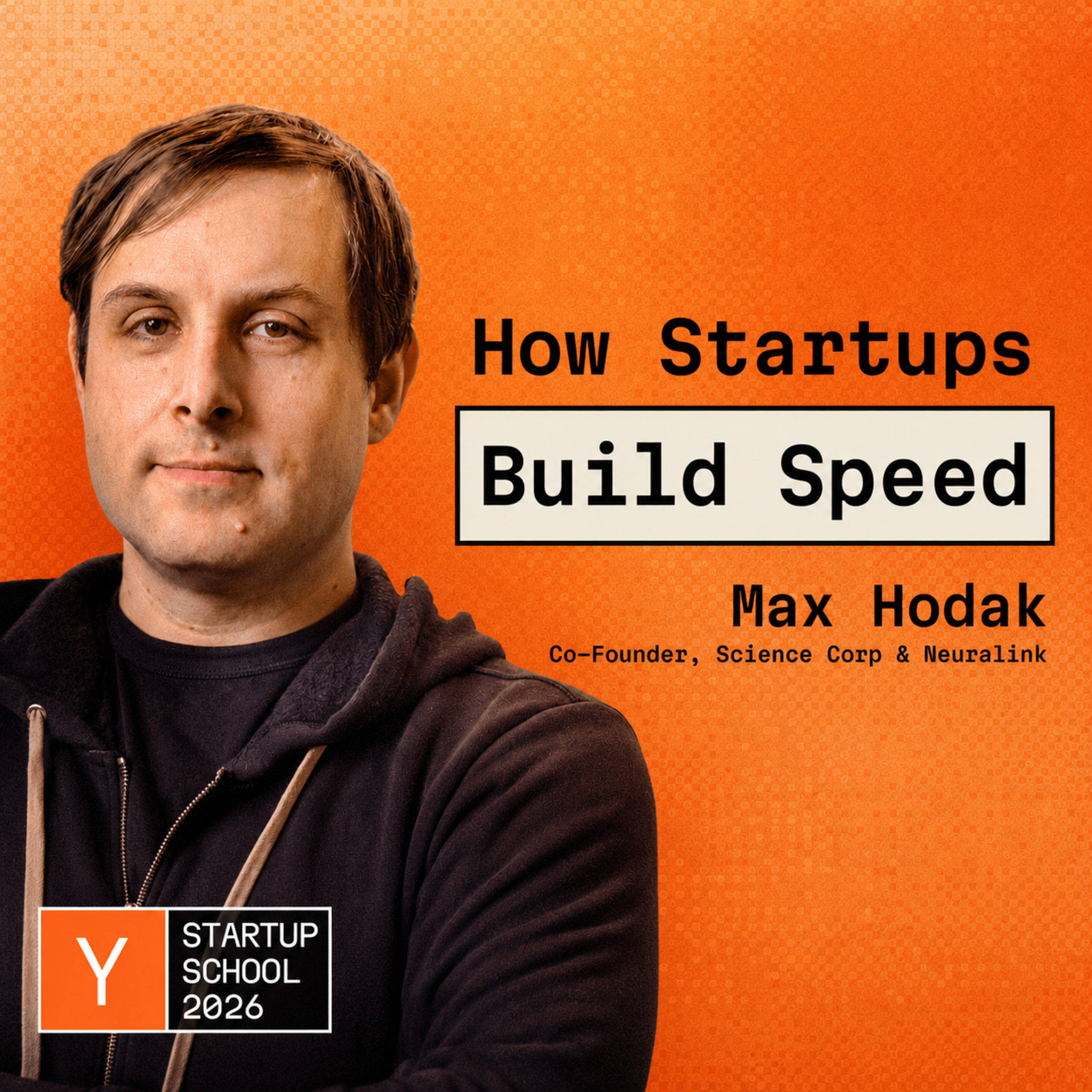
Max Hodak: How Startups Build Speed
Science is building a retinal implant that restores vision to people who have gone blind. One patient has already used it to read a 300-page novel.Building a company like that requires a lot more than getting the technology right. At Startup School 2026, Science CEO Max Hodak explains how the company buys things and hires people, and why those systems determine how fast it can move.He also gets into why founders can’t delegate their judgment, and why there’s no set of five bullet points that makes a startup work.Transcript: https://www.ycrootaccess.com/p/max-hodak-there-are-no-blanket-rules
How To Design In The Agent Era
AI isn't just changing the tools designers use. It's changing how they build, ship, and stand out. In this episode of Design Review, Stephen Haney, founder of AI-native design tool Paper, joins YC General Partner Aaron Epstein to demo the agent-first workflow that's making Paper one of the fastest-growing design tools since Figma. Using live redesigns of user-submitted websites as examples, they break down the most common AI design tells, show how to fix them in seconds, and explain why the biggest risk for founders isn't moving too slow, it's shipping something that looks like everyone else.

Garry Tan: Own Your Intelligence
The next generation of startups will be built by smaller teams than ever before.At Startup School 2026, YC President & CEO Garry Tan explains why we're entering the era of personal AGI: AI agents that run on your own infrastructure, compound your knowledge over time, and dramatically increase your ability to build. He shares the tools and workflows he uses every day, why every founder should own their intelligence instead of renting it, and what it means to build under your own power.Transcript: https://www.ycrootaccess.com/p/garry-tan-own-your-intelligence
You may also like









Get this podcast on your phone, Free


Create Your Podcast In Minutes
- Full-featured podcast site
- Unlimited storage and bandwidth
- Comprehensive podcast stats
- Distribute to Apple Podcasts, Spotify, and more
- Make money with your podcast
