Vineyard Justice Network Podcast
https://feeds.soundcloud.com/users/soundcloud:users:179787124/sounds.rssEpisode List
There Are No Strangers with Jeanine Winfrey
In this episode, Jeanine shares her own immigration story from Vietnam and how her lived experiences fuels her work representing DACA clients and people seeking asylum in the US. She discusses the intersection and challenges of her immigration work and her faith and her hope for the church as a place of welcome. “In all of us, we would hope that the Holy Spirit would allow us to discern what laws need to be examined through the lens of biblical justice and need to be changed proactively through advocacy for immigration reform,” Jeanine says. “How do we address these issues in a way that honors everybody involved?” “We’re not trying to win a fight. We are trying to reconcile.” Jeanine attended the University of Virginia for her undergraduate education. She then went on to complete her law degree at Georgetown University. Jeanine Winfrey is the Director of Immigration Counseling Services at the Vineyard Community Center in Colombus, OH.

Redefining Poverty, Reimagining Justice: A Podcast Interview with Dr. Beth Stovell
A worship leader and professor of Old Testament, Dr. Beth Stovell says that caring for the poor and marginalized is not something on the periphery of what we do as Christians, but is deeply woven into how scripture imagines worship. Our love of one another affects how we love God and how we love God affects how we love one another. In this episode and her larger work, she skillfully bridges between the world of the church and academy. For Beth, reimagining “wholistic” justice means redefining poverty. The Vineyard movement has a part in healing this division between worship and Biblical justice. Beth is an Associate Professor of Old Testament at Ambrose University in Calgary, AB, Canada. Within Ambrose, she also serves as a Faculty Associate for The Canadian Poverty Institute, an inter-disciplinary institute “that seeks to heal poverty through teaching, research and public education.” Further, she works for Vineyard Canada as a Theological and Spiritual Formation Catalyst.

Transforming Lives of Refugees: Walnut Vineyard and Habibi Int'l
In this episode, VJN talks with Stephanie Tsang and Jessica Chan of Vineyard of Harvest in Walnut, CA about the justice ministry their church has developed over the years, Habibi International. Vineyard of Harvest is a Chinese-American Vineyard Church in Southern California, and they have a flourishing partnership with Habibi International, an organization that seeks to transform the lives of refugees and internal displaced persons (IDPs) in the Middle East with the love of Jesus Christ by providing humanitarian relief and sustainable development in partnership with local churches and NGOs. https://habibi-international.org/ Stephanie Tsang oversees Operations at Vineyard of Harvest in Walnut, CA and is the Director of Education for Habibi International. Jessica Chan is a member of Vineyard of Harvest and works in Advancement for Habibi International.
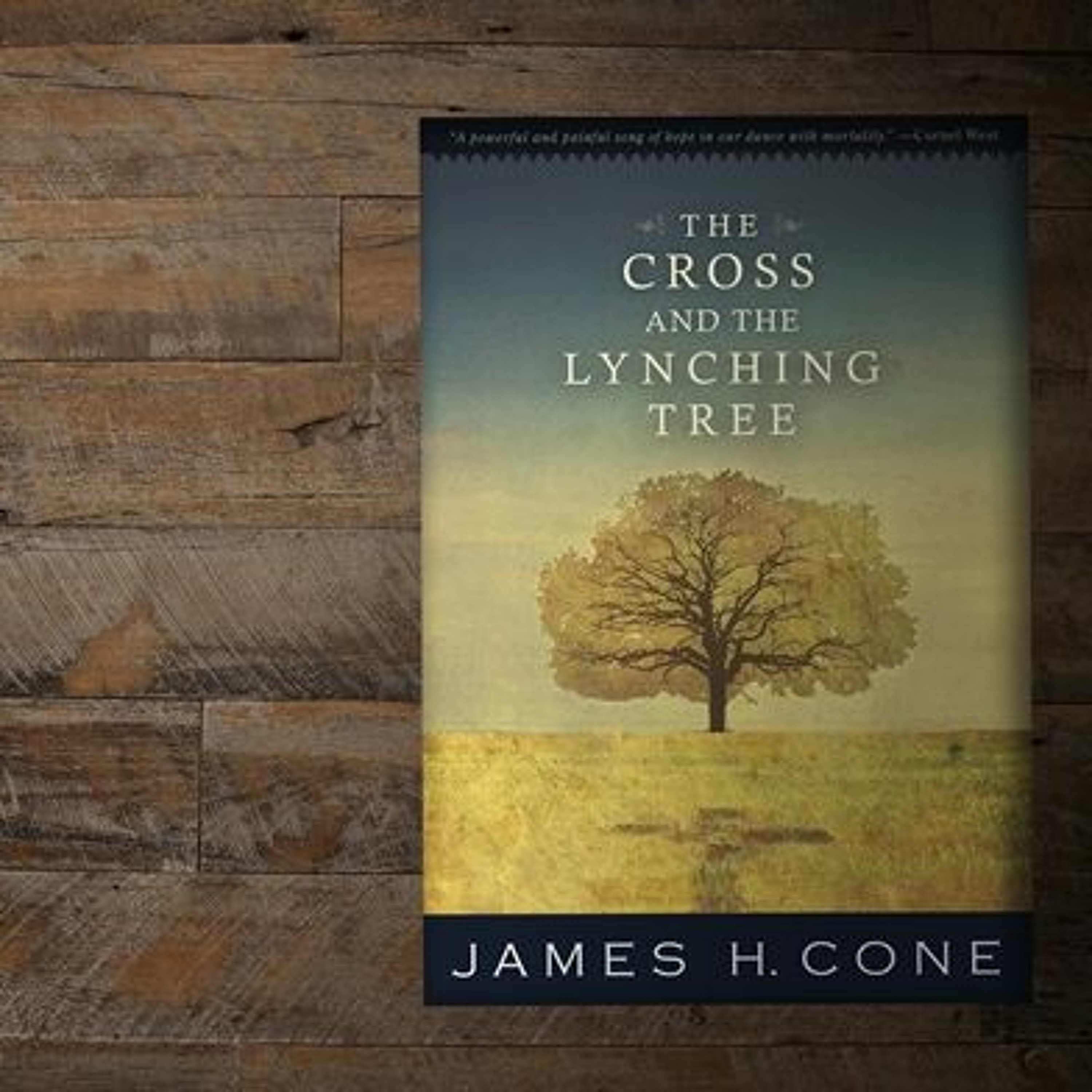
The Cross and Lynching Tree - A Conversation with Ramon Mayo
In this podcast, VJN talks with Ramon Mayo about the key themes and theological principles in James Cone's "Cross and the Lynching Tree." How does Cone help us to discover a new way of looking at the cross in America, especially today? How does the hidden history of lynching impact our ability to live as "Kingdom citizens," especially as leaders who want to lean towards God's power to reconcile and heal all things? Ramon Mayo is the student ministries coordinator at South Suburban Vineyard in Chicago, a multi-ethnic church. He also works for Urban Ministries Inc., the largest black Christian media company in the U.S.
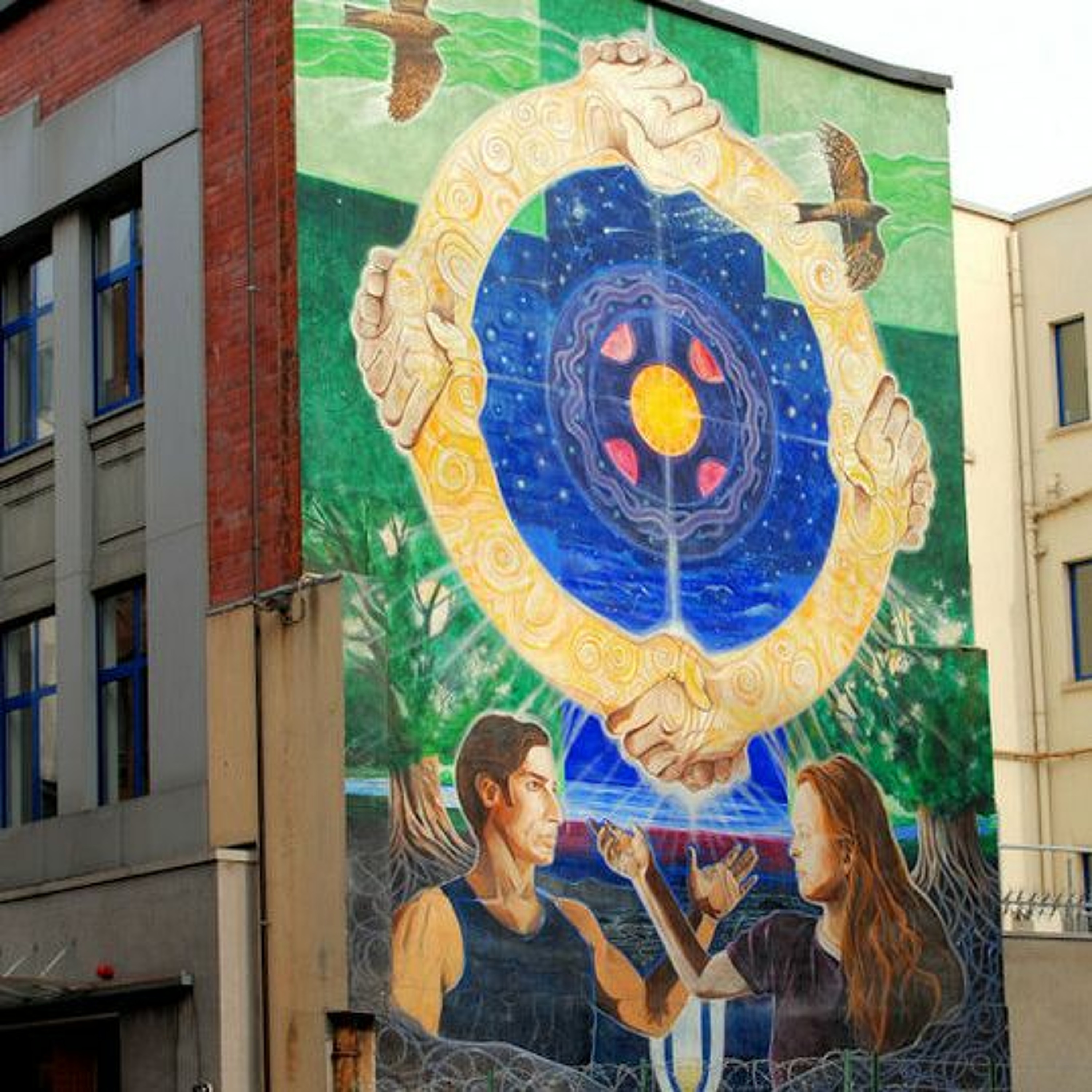
Art, Advent, and Justice: VJn Interview with Michelle Ting
On this week's podcast we had the pleasure of speaking with Michelle Ting, who is a small group leader in the Palo Alto Vineyard in California and a student at Fuller Seminary. We tackle the topic of art and how that is a way Michelle connects with God and has become a place where she has found out more about herself more about where she comes from. Michelle essentially speaks about the expression of lament through art, asking the question, why? When there are moments of pain, and how that affects us individually, for her as a Vietnamese-American, and coming into terms with our own family lineage and eventually lead to the concept of racial reconciliation. Michelle helps us reflect on our own cultural contexts and ethnicity from the standpoint of art as a creative outlet.







Get this podcast on your phone, Free


Create Your Podcast In Minutes
- Full-featured podcast site
- Unlimited storage and bandwidth
- Comprehensive podcast stats
- Distribute to Apple Podcasts, Spotify, and more
- Make money with your podcast