Episode List

'The Pitt' star Sepideh Moafi on being limitless
Sepideh Moafi wants you to get raw with your emotions.Season 2 of HBO Max’s original series, The Pitt, brings a new doctor into the fold: Dr. Baran Al-Hashimi. An Iranian-Iraqi attending physician, she brings empathy and discipline into the chaotic ER that viewers have come to love. While she ruffled some feathers at first, her commitment to her fellow doctors and patients has made her a fan favorite.That’s all thanks to Sepideh. Her performance as Dr. Baran Al-Hashimi has earned her an Emmy nomination for outstanding supporting actress in a drama series. The nomination makes her the first Iranian woman and the first woman of Middle Eastern or SWANA - Southwest Asian, North African - descent to get nominated in the category.Sepideh joins the show to unpack how her journey as an opera singer and a human rights advocate led her to this historic moment.Support public media with NPR+ and enjoy perks for over 25 podcasts like this one. This show’s perks include sponsor-free listening. Learn more at plus.npr.org.See pcm.adswizz.com for information about our collection and use of personal data for sponsorship and to manage your podcast sponsorship preferences.NPR Privacy Policy
Broadway has a labor issue
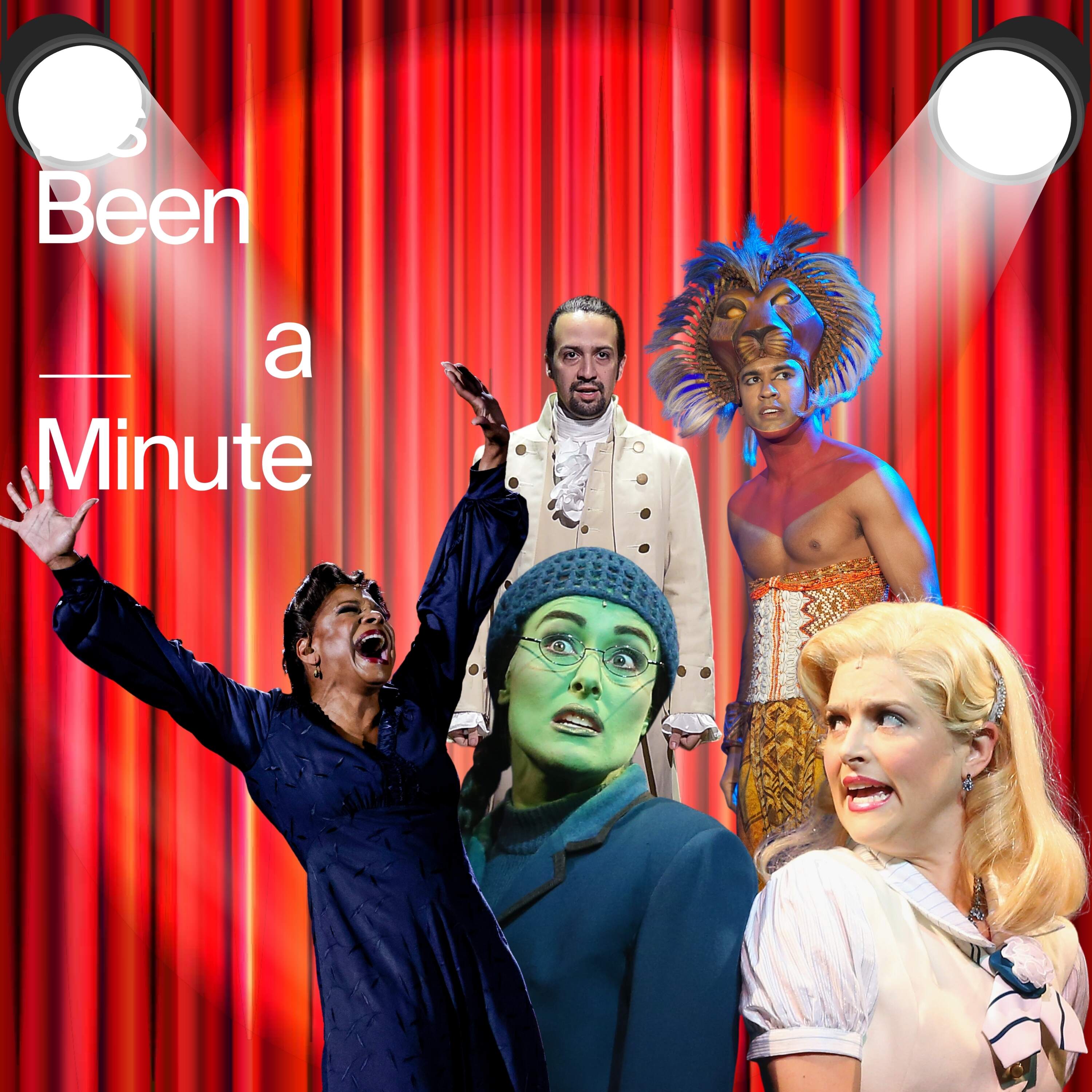
It seems like no one on Broadway is happy.Actors are buckling under the weight of the eight-show week, producers aren't making their money back, and audiences are getting tired of paying astronomical ticket prices to see celebrities on stage. Is Broadway in danger of taking its final bow? To find out, Brittany is joined by Broadway sensitivity specialist Ann James, and entertainment lawyer and business journalist Marc Hershberg.Want more about the intersection of Broadway and culture? Check out these episodes:'Cats: The Jellicle Ball' gets 10s across the boardTony nominee Jocelyn Bioh puts braiders centerstageSupport public media with NPR+ and enjoy perks for over 25 podcasts like this one. This show’s perks include sponsor-free listening. Learn more at plus.npr.org.See pcm.adswizz.com for information about our collection and use of personal data for sponsorship and to manage your podcast sponsorship preferences.NPR Privacy Policy
Are influencers in their flop era?
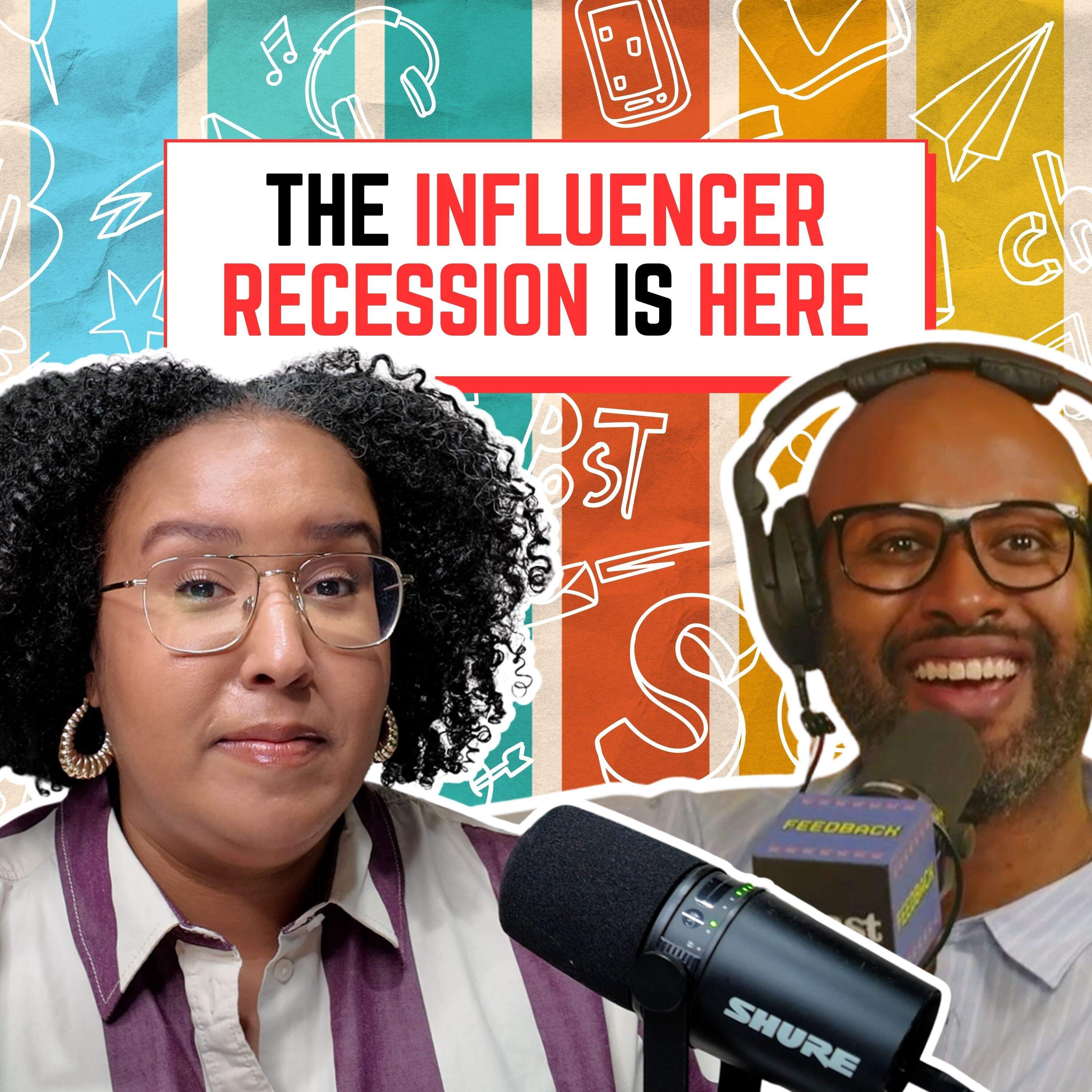
The cultural supremacy of the influencer seems to be waning. For nearly a decade, they’ve become a fount of cultural commerce, affecting how to live, what to buy, and who to follow for advice. But a backlash – against everything from expensive shopping hauls to the very persona that built an influencer's brand – is leaving many questioning their cultural relevance. So what’s going on with influencers – or better yet – who’s going to replace them? To understand this cultural shift, we’re chatting with Ira Madison III, host of The Feedback with Ira Madison, to figure out what happens when the influencers lose influence.Support public media with NPR+ and enjoy perks for over 25 podcasts like this one. This show’s perks include sponsor-free listening. Learn more at plus.npr.org.See pcm.adswizz.com for information about our collection and use of personal data for sponsorship and to manage your podcast sponsorship preferences.NPR Privacy Policy
Don't be THAT person at the music festival. Here's how
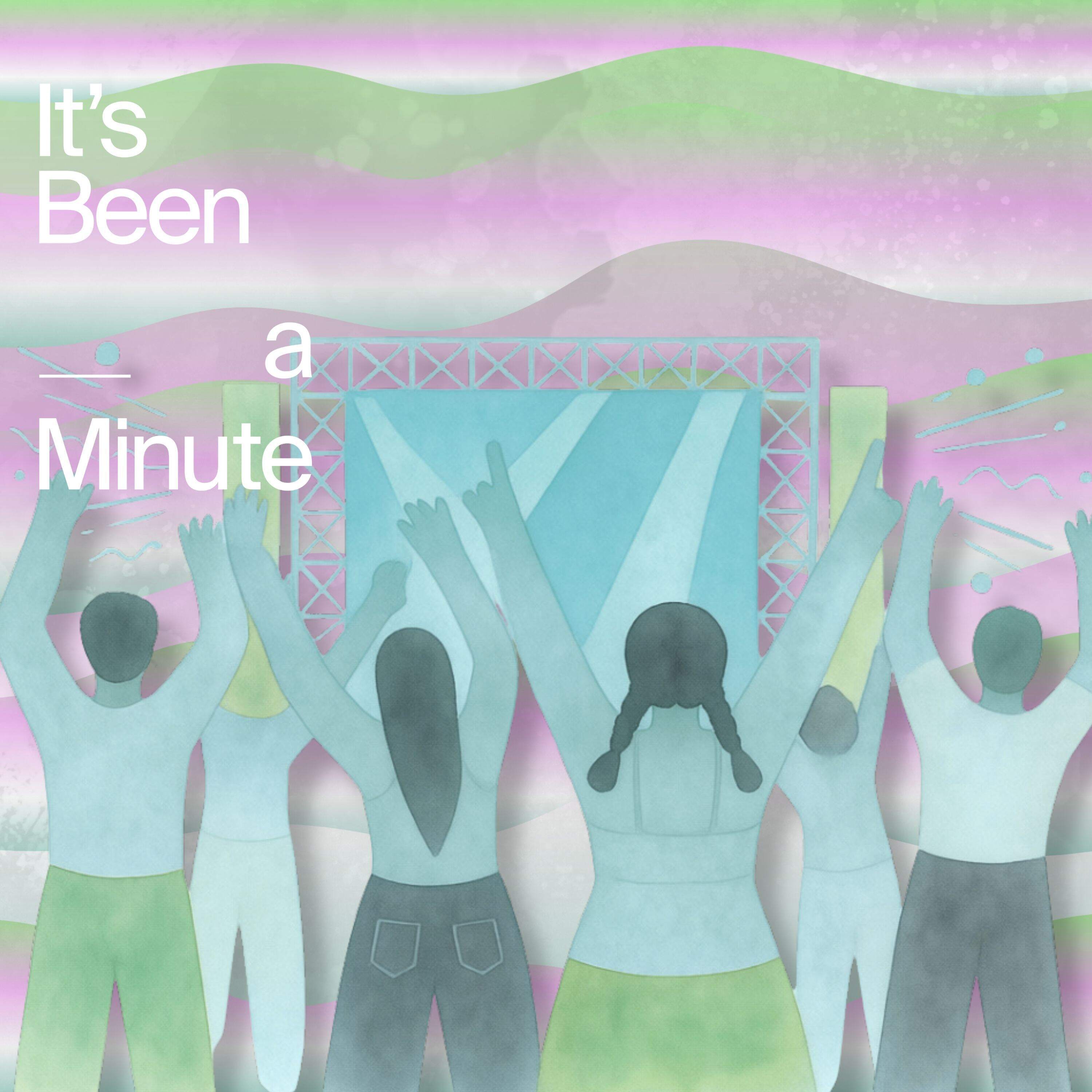
Have some people forgotten how to behave at music festivals?Summer is peak music festival season, and that means many of us are braving huge crowds and sweltering heat to see a bunch of artists we love in one place. But is there a decline in social decorum in these concert settings? From using phones to being in the front row to navigating crowds, our friends at Pop Culture Happy Hour are sharing personal and passionate takes about music festival etiquette.For more episodes on culture and social etiquette, check out:How should we behave online?The social etiquette of sharing locationIs your neighborhood riddled with dog poop?Support public media with NPR+ and enjoy perks for over 25 podcasts like this one. This show’s perks include sponsor-free listening. Learn more at plus.npr.org.See pcm.adswizz.com for information about our collection and use of personal data for sponsorship and to manage your podcast sponsorship preferences.NPR Privacy Policy

People are struggling financially. Even on TV.
Welcome to the age of ‘Broke TV.’It seems like the days of prestige TV shows about the wealthy elite have been replaced by the vocal majority: the downwardly mobile.New Yorker TV critic, Inkoo Kang, noticed that her favorite shows so far this year all focused - in some respect - on the people whose lives have been financially squeezed beyond recognition by the very elite we used to enjoy watching.Building resentment about the shrinking middle class, a hopeless job market, and few political pathways towards change has made our entertainment reflect a devastating reality back to us. Inkoo joins the show to break down how we got to this point and the fine line between entertainment and catharsis on screen.You can read Inkoo’s article, ‘Welcome to the Age of Broke TV’, here. Support public media with NPR+ and enjoy perks for over 25 podcasts like this one. This show’s perks include sponsor-free listening. Learn more at plus.npr.org.See pcm.adswizz.com for information about our collection and use of personal data for sponsorship and to manage your podcast sponsorship preferences.NPR Privacy Policy



Get this podcast on your phone, Free


Create Your Podcast In Minutes
- Full-featured podcast site
- Unlimited storage and bandwidth
- Comprehensive podcast stats
- Distribute to Apple Podcasts, Spotify, and more
- Make money with your podcast
