
Episode List

Where Do America’s Colleges Go From Here?
This back-to-school season, higher education finds itself at a crossroads. Amid rising costs, pressures from the Trump administration over admissions and ideological diversity, and AI, a debate is raging about what college is actually for. Radio Atlantic host Adam Harris speaks with Jack Stripling of The Chronicle of Higher Education about new challenges that colleges and universities are facing from the Department of Education, and what purpose higher education serves in the Trump era. --- Get more from your favorite Atlantic voices when you subscribe. You’ll enjoy unlimited access to Pulitzer-winning journalism, from clear-eyed analysis and insight on breaking news to fascinating explorations of our world. Atlantic subscribers also get access to exclusive subscriber audio in Apple Podcasts. Subscribe today at theAtlantic.com/listener. Learn more about your ad choices. Visit podcastchoices.com/adchoices

Secrets of a Jeopardy Champion
What does it take to win Jeopardy? Drew Goins—an Atlantic staff writer, a Jeopardy champion, and the creator of The Atlantic’s new trivia game, Rabbithole—shares his secrets on winning at Jeopardy and cultivating a very particular brand of curiosity. - - - Get more from your favorite Atlantic voices when you subscribe. You’ll enjoy unlimited access to Pulitzer-winning journalism, from clear-eyed analysis and insight on breaking news to fascinating explorations of our world. Atlantic subscribers also get access to exclusive subscriber audio in Apple Podcasts. Subscribe today at TheAtlantic.com/Listener. Learn more about your ad choices. Visit podcastchoices.com/adchoices
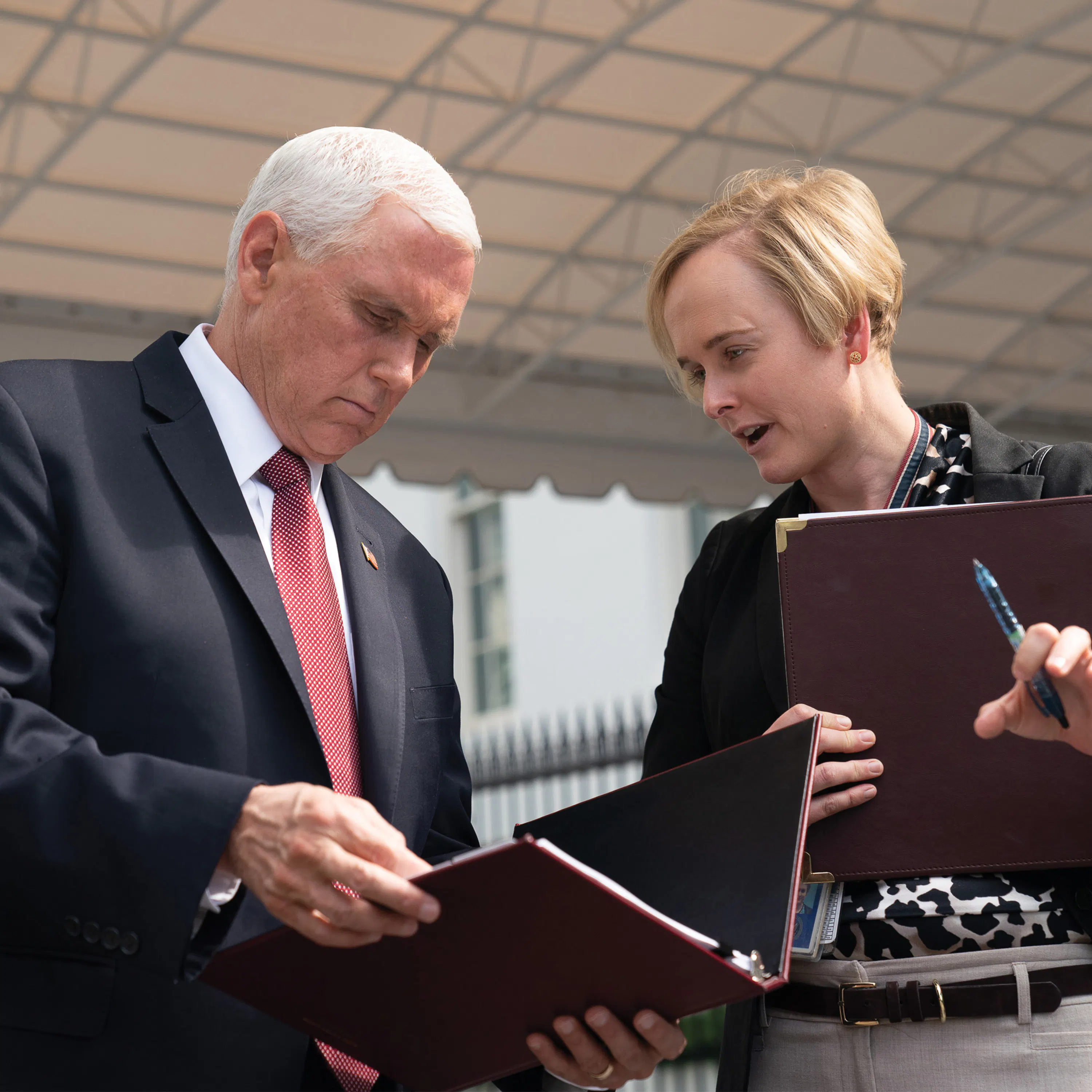
The Trump Administration Wanted Her Expertise, Just Not Her
In 2013, Julia Curlee became the first CIA officer to transition openly and keep serving the agency.She felt more effective at her job living as the person she always believed she was—and years ago she wrote about her experience under a pseudonym in The Atlantic. Her performance proved her effectiveness: She became the daily intelligence briefer for Vice President Pence during the first Trump administration and a director on the National Security Council in both the Biden administration and the second Trump term. Less than 70 days after the president returned to office in 2025, Julia was fired from the White House without explanation. She returned to the CIA and, over time, began to feel a lack of support at the agency in an administration that was openly hostile to transgender people. Julia left her dream job with the federal government earlier this year. This week on Radio Atlantic, she is telling her full story for the first time. --- Get more from your favorite Atlantic voices when you subscribe. You’ll enjoy unlimited access to Pulitzer-winning journalism, from clear-eyed analysis and insight on breaking news to fascinating explorations of our world. Atlantic subscribers also get access to exclusive subscriber audio in Apple Podcasts. Subscribe today at theAtlantic.com/listener. Learn more about your ad choices. Visit podcastchoices.com/adchoices
Longing for a Time Before Smartphones
Gen Z has romanticized the technology of the ’90s—or the era’s lack of it. Young long for a time when people were looking at each other instead of their phones. But could that nostalgia for a smartphone-free society actually help guide the future? That’s one of the driving questions from the latest season of How to Touch Grass, co-hosted by Julie Beck and Natalie Brennan. This week on Radio Atlantic, we’re sharing the first episode, with an introduction by Hanna Rosin. --- Get more from your favorite Atlantic voices when you subscribe. You’ll enjoy unlimited access to Pulitzer-winning journalism, from clear-eyed analysis and insight on breaking news to fascinating explorations of our world. Atlantic subscribers also get access to exclusive subscriber audio in Apple Podcasts. Subscribe today at TheAtlantic.com/Listener. Learn more about your ad choices. Visit podcastchoices.com/adchoices
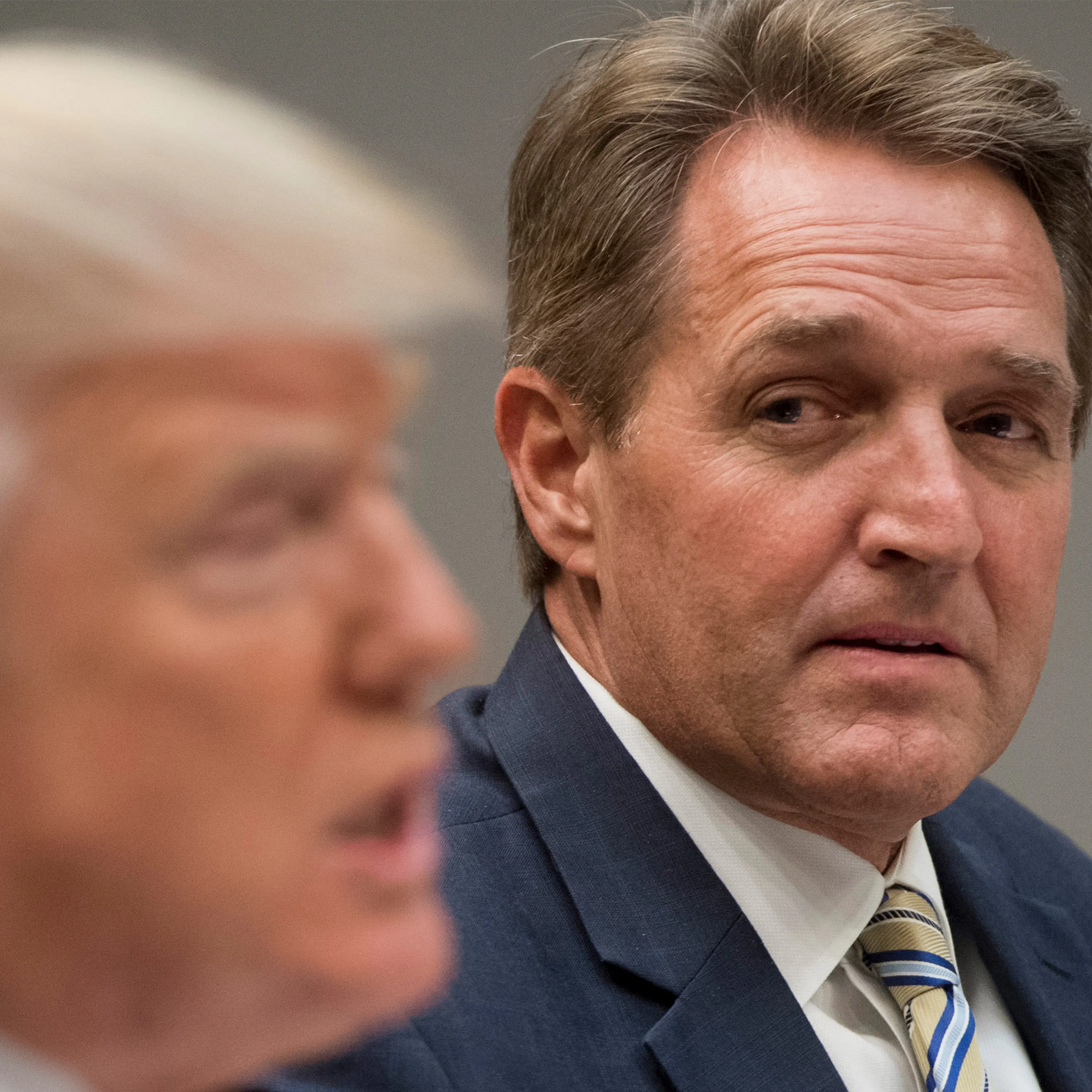
Never Trump, Still a Republican
Radio Atlantic host Adam Harris speaks with former Republican U.S. Senator and former U.S. Ambassador Jeff Flake about his recent endorsement of Democratic Senator Jon Ossoff in the Georgia Senate race and why character in politics still matters. --- Get more from your favorite Atlantic voices when you subscribe. You’ll enjoy unlimited access to Pulitzer-winning journalism, from clear-eyed analysis and insight on breaking news to fascinating explorations of our world. Atlantic subscribers also get access to exclusive subscriber audio in Apple Podcasts. Subscribe today at theAtlantic.com/listener. Learn more about your ad choices. Visit podcastchoices.com/adchoices
You may also like

Get this podcast on your phone, Free


Create Your Podcast In Minutes
- Full-featured podcast site
- Unlimited storage and bandwidth
- Comprehensive podcast stats
- Distribute to Apple Podcasts, Spotify, and more
- Make money with your podcast
