All Creatures Podcast
https://feeds.megaphone.fm/ARML4793150916Episode List

Wildlife CSI: Dr. Greg Simpson on Fighting Wildlife Crime with Forensics
Chris interviews Dr. Greg Simpson, veterinarian and co-founder of South Africa’s Wildlife Forensic Academy. Born from the rhino poaching crisis, the academy trains rangers, veterinarians, law enforcement, and conservationists in wildlife crime scene investigation, evidence collection, forensic science, and courtroom procedures. They discuss the growing threat of wildlife crime, the role of forensic science in securing convictions, innovative training tools including a wildlife “body farm,” and why protecting biodiversity requires stronger collaboration between conservation and law enforcement. Dr. Simpson also shares what gives him hope for the future of wildlife conservation. Learn more about the Wildlife Forensics Academy HERE Timeline 00:00 Welcome and Guest Intro 01:04 Origins of Wildlife Forensics Academy 02:00 Why Wildlife Crime Matters Now 04:29 First Response Crime Scene Basics 06:50 Inside the Training Experience Lab 09:21 Beyond Big Animals 10:27 Entomology and Body Farm Research 14:21 Students and Global Reach 16:34 Trends After COVID 21:23 Megafauna and Marine Threats 25:49 From Field to Courtroom 27:57 Legal Complexities and Taxonomy 31:11 Public Misconceptions and Consumer Choices 36:29 Future of Wildlife Forensics 39:55 What Gives Hope 45:07 How to Get Involved 46:55 Final Thanks and Wrap Up == Another thank you to all our Patreon supporters. You too can join for one cup of "good" coffee a month. With your pledge you can support your favorite podcast on Patreon and give back to conservation. With the funds we receive each month, we are have been sending money to conservation organizations monthly. We now send a check to every organization we cover, as we feel they all are deserving of our support. Thank you so much for your support and for supporting animal conservation. Please considering supporting us at Patreon HERE. We also want to thank you to all our listeners. We are giving back to every conservation organization we cover and you make that possible. We are committed to donating large portions of our revenue (at minimum 25%) to every organization we cover each week. Thank you for helping us to grow, and for helping to conserve our wildlife. Please contact us at advertising@airwavemedia.com if you would like to advertise on our podcast Learn more about your ad choices. Visit megaphone.fm/adchoices
Pelicans: Remarkable Birds With Giant Beaks (Classic)
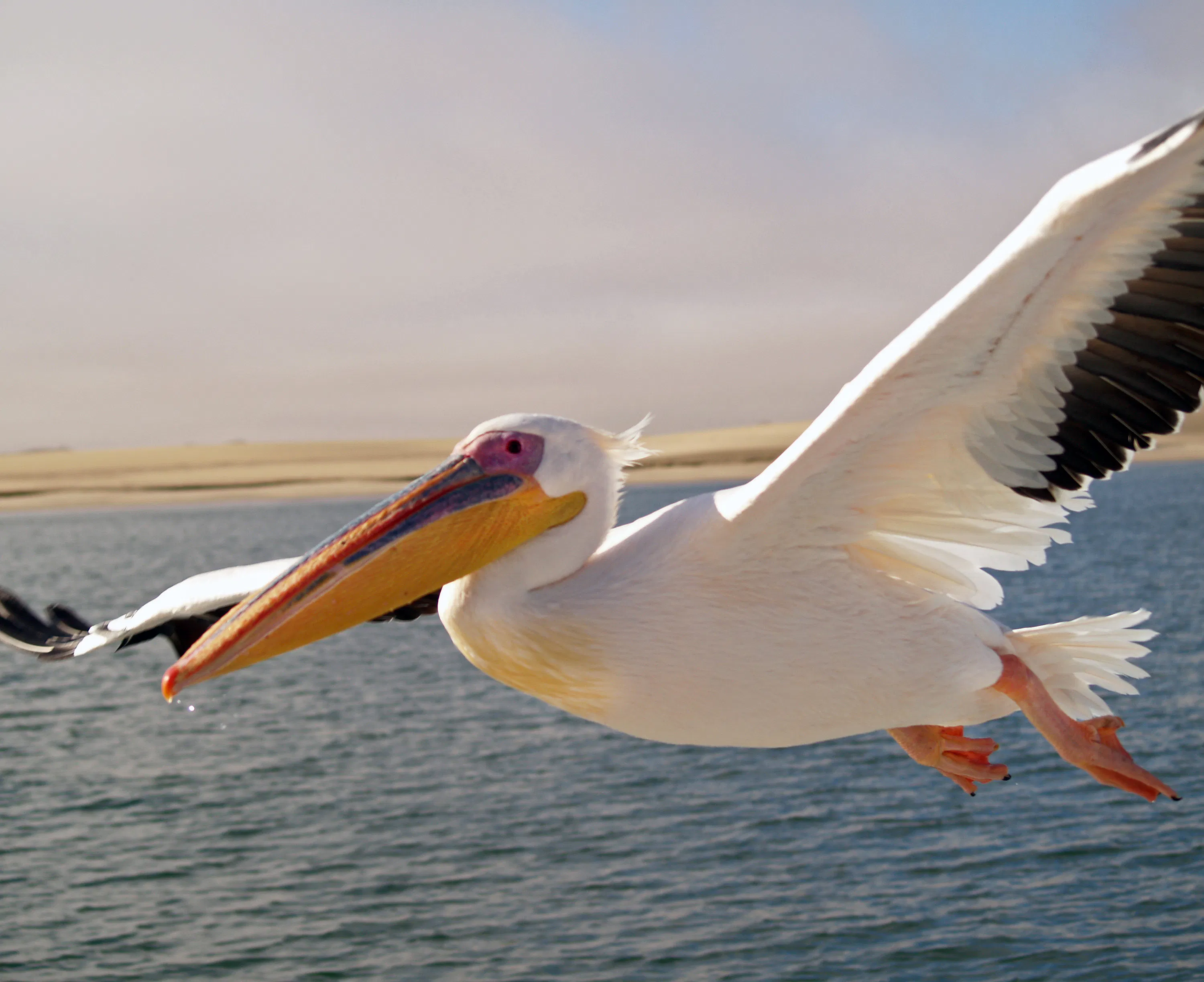
A classic episode! Chris and Angie discuss everything Pelicans. With their enormous bills, expandable throat pouches and almost prehistoric appearance, pelicans are among the most instantly recognizable birds on Earth. But there is much more to them than their famous fishing equipment. In this classic episode, we explore the world’s eight pelican species, from plunge-diving brown pelicans to enormous Dalmatian pelicans—among the heaviest flying birds alive. We uncover how their remarkable pouches really work, why some pelicans hunt cooperatively and how these seemingly awkward birds transform into graceful aerial giants once they take flight. Most pelican species are currently classified as Least Concern, but the Dalmatian and spot-billed pelicans are listed as Near Threatened. Across their ranges, pelicans remain vulnerable to wetland loss, disturbance at breeding colonies, pollution, entanglement in fishing gear and declining fish populations. Rediscover why pelicans are far more intelligent, adaptable and impressive than their comical appearance might suggest—and why protecting wetlands, coastlines and healthy fisheries is essential to their future. Learn more about your ad choices. Visit megaphone.fm/adchoices
Do Animals Have Culture? Hidden Traditions from the Natural World
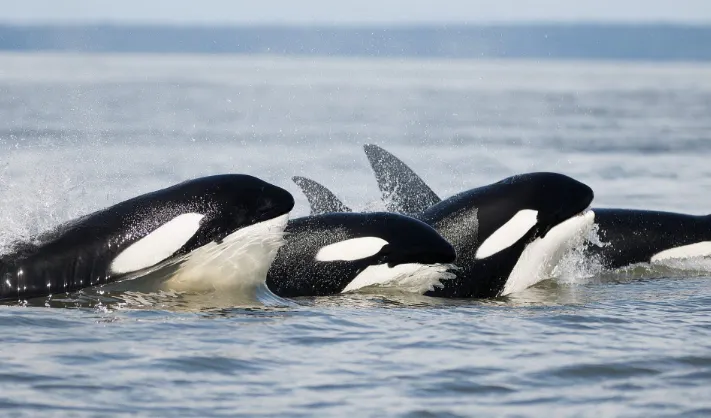
For centuries, we believed culture was uniquely human. But what if elephants, whales, chimpanzees, birds (even bees) also pass knowledge, traditions, and behaviors from one generation to the next? In this episode, Chris explores one of the most fascinating discoveries in modern biology, from orca hunting traditions and elephant matriarchs to humpback whale songs, chimpanzee tool use, regional birdsong dialects, and crow intelligence. Along the way, he reveals how animal culture is reshaping our understanding of evolution—and why conservation is about protecting not just species, but the knowledge they carry. If culture is knowledge that outlives the individual, perhaps we've been too busy looking in the mirror to notice it all around us. If you enjoyed this episode, subscribe to Our Substack, where we share essays exploring the science, philosophy, and wonder of the natural world, from animal behavior and evolution to conservation and the ideas that don't always make it into the podcast. https://substack.com/@cmortensen Timeline 00:00 Orcas And Traditions 03:04 Defining Culture Simply 13:10 Elephants And Memory 18:25 Whale Songs And Dialects 25:50 Jane Goodall And Chimps 30:58 Birdsong Accents And Crows 36:06 Conservation Of Knowledge 42:30 Final Reflections And Call == Another thank you to all our Patreon supporters. You too can join for one cup of "good" coffee a month. With your pledge you can support your favorite podcast on Patreon and give back to conservation. With the funds we receive each month, we are have been sending money to conservation organizations monthly. We now send a check to every organization we cover, as we feel they all are deserving of our support. Thank you so much for your support and for supporting animal conservation. Please considering supporting us at Patreon HERE. We also want to thank you to all our listeners. We are giving back to every conservation organization we cover and you make that possible. We are committed to donating large portions of our revenue (at minimum 25%) to every organization we cover each week. Thank you for helping us to grow, and for helping to conserve our wildlife. Please contact us at advertising@airwavemedia.com if you would like to advertise on our podcast Learn more about your ad choices. Visit megaphone.fm/adchoices

Hedgehogs: Small, Spiky and in Trouble (Classic)
Brining back this class episode. Chris and Angie discuss the all too cute, hedgehog. Hedgehogs may be famous for their adorable faces and protective spines, but these remarkable nocturnal mammals are facing growing conservation pressures. The West European hedgehog is now classified as Near Threatened following significant declines driven by habitat loss, fragmented landscapes, pesticides and road deaths. Hedgehogs help shape their native ecosystems by feeding on insects and other invertebrates and can curl into an almost impenetrable ball when threatened. Join us as we rediscover what makes hedgehogs so fascinating and why protecting connected, wildlife-friendly habitats matters. == Another thank you to all our Patreon supporters. You too can join for one cup of "good" coffee a month. With your pledge you can support your favorite podcast on Patreon and give back to conservation. With the funds we receive each month, we are have been sending money to conservation organizations monthly. We now send a check to every organization we cover, as we feel they all are deserving of our support. Thank you so much for your support and for supporting animal conservation. Please considering supporting us at Patreon HERE. We also want to thank you to all our listeners. We are giving back to every conservation organization we cover and you make that possible. We are committed to donating large portions of our revenue (at minimum 25%) to every organization we cover each week. Thank you for helping us to grow, and for helping to conserve our wildlife. Please contact us at advertising@airwavemedia.com if you would like to advertise on our podcast Learn more about your ad choices. Visit megaphone.fm/adchoices

Are We Living Through Earth's Sixth Mass Extinction?
Chris recounts how reading a scientific review paper titled “Has the Earth’s sixth mass extinction already arrived?” shifted his career from domestic animal reproduction research at the University of Florida to wildlife conservation and inspired his podcast, emphasizing that science alone isn’t enough without stories. Chris explains mass extinctions are rare, only five in ~540 million years, and contrasts past causes (asteroids, volcanism, climate and ocean chemistry shifts) with today’s human-driven “death by a thousand cuts,” including habitat loss and fragmentation, invasive species, overexploitation, pollution, and climate change. Chris argues extinction today is often subtle but highlights hope through global conservation efforts, citing northern white rhino embryo work, elephant corridor protection, and many individuals dedicating their lives to saving species. If you enjoy these episodes, you'll love our new Substack. Each week, I dive deeper into the stories behind the podcast, sharing personal experiences from my years in wildlife conservation, reflections on the science, and the remarkable people working to protect our planet. Read the latest essays here: https://substack.com/@cmortensen Timeline 00:00 One Paper Changes Everything 03:17 What Mass Extinction Means 04:20 The Big Five Extinctions 08:08 Humans as a New Force 09:19 Are We in the Sixth 10:10 Background Rate Explained 12:51 Death by Thousand Cuts 15:01 Quiet Losses Up Close 18:23 Why I Stay Optimistic 21:56 Northern White Rhino Lifeline 24:41 Conservation That Cares 28:51 Hope Is Action 32:27 One Story Sparks Change 35:28 Stewards of the Planet 37:12 Final Call to Wonder == Another thank you to all our Patreon supporters. You too can join for one cup of "good" coffee a month. With your pledge you can support your favorite podcast on Patreon and give back to conservation. With the funds we receive each month, we are have been sending money to conservation organizations monthly. We now send a check to every organization we cover, as we feel they all are deserving of our support. Thank you so much for your support and for supporting animal conservation. Please considering supporting us at Patreon HERE. We also want to thank you to all our listeners. We are giving back to every conservation organization we cover and you make that possible. We are committed to donating large portions of our revenue (at minimum 25%) to every organization we cover each week. Thank you for helping us to grow, and for helping to conserve our wildlife. Please contact us at advertising@airwavemedia.com if you would like to advertise on our podcast Learn more about your ad choices. Visit megaphone.fm/adchoices




Get this podcast on your phone, Free


Create Your Podcast In Minutes
- Full-featured podcast site
- Unlimited storage and bandwidth
- Comprehensive podcast stats
- Distribute to Apple Podcasts, Spotify, and more
- Make money with your podcast
