Big Biology
https://api.substack.com/feed/podcast/120946.rssEpisode List
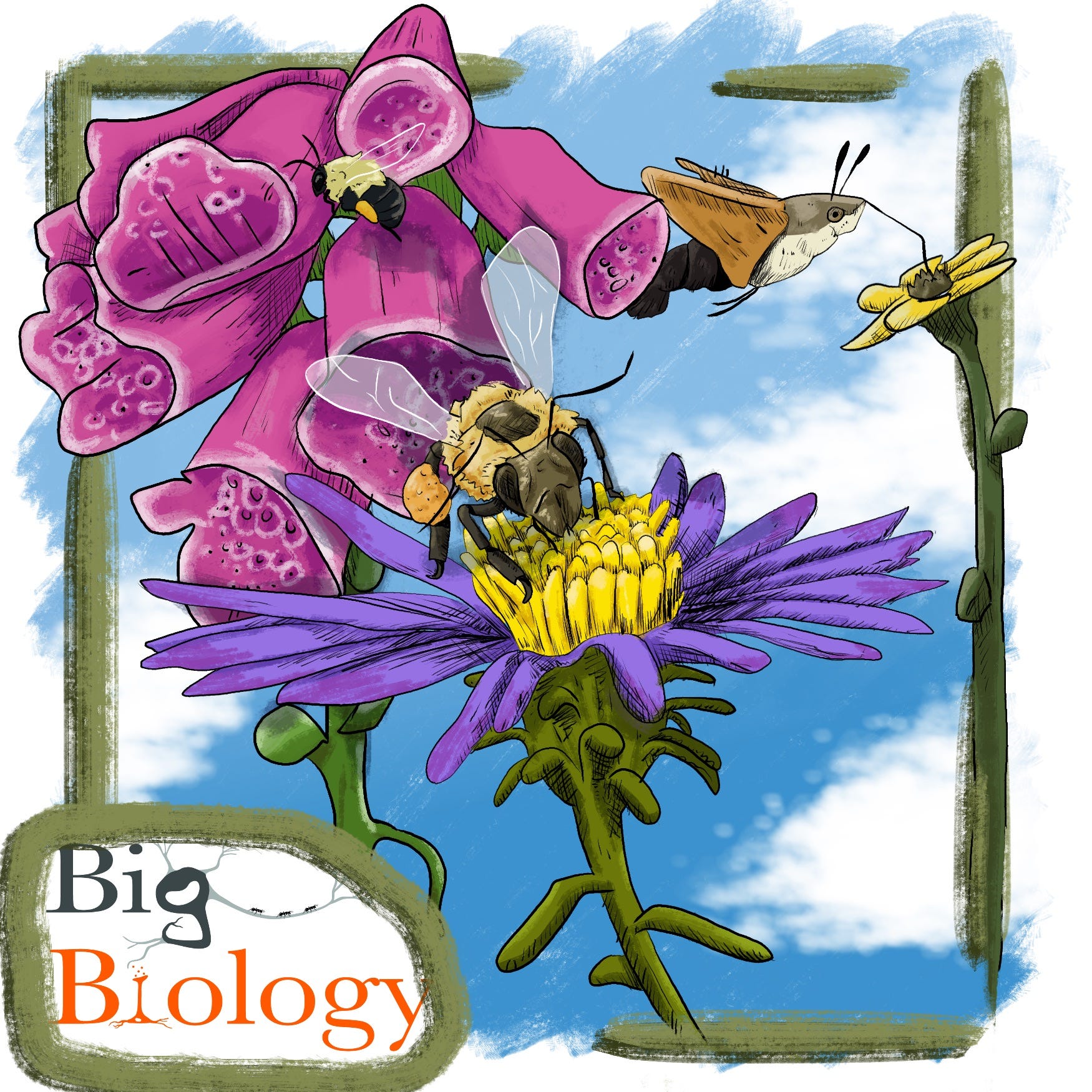
A coevolutionary conundrum (Ep 152)
When a bee visits a flower, what decides the match? How can a neutral model explain community assemblages? Why are long-term ecological studies so important?In this episode, we talk with Diego Vázquez, a community ecologist at CONICET in Mendoza, Argentina, who has spent his career mapping the networks of interaction between plants and pollinators. Textbooks still teach coevolution as tight, faithful pairs, but Diego’s work tells a different story, that specialists mostly interact with generalists, and the best predictor of pollinator visits to plants turns out to be not matching traits or shared ancestry but abundance. Much of the structure ecologists prize in these networks can emerge from “neutral” models that know only who is common and when. We dig into why predicting these interactions remains hard, what his twenty-years of data on declining solitary bees is showing, and what it takes to keep long-term ecology alive in Argentina after deep cuts to science funding.Cover art by Brianna Longo This is a public episode. If you'd like to discuss this with other subscribers or get access to bonus episodes, visit bigbiology.substack.com/subscribe
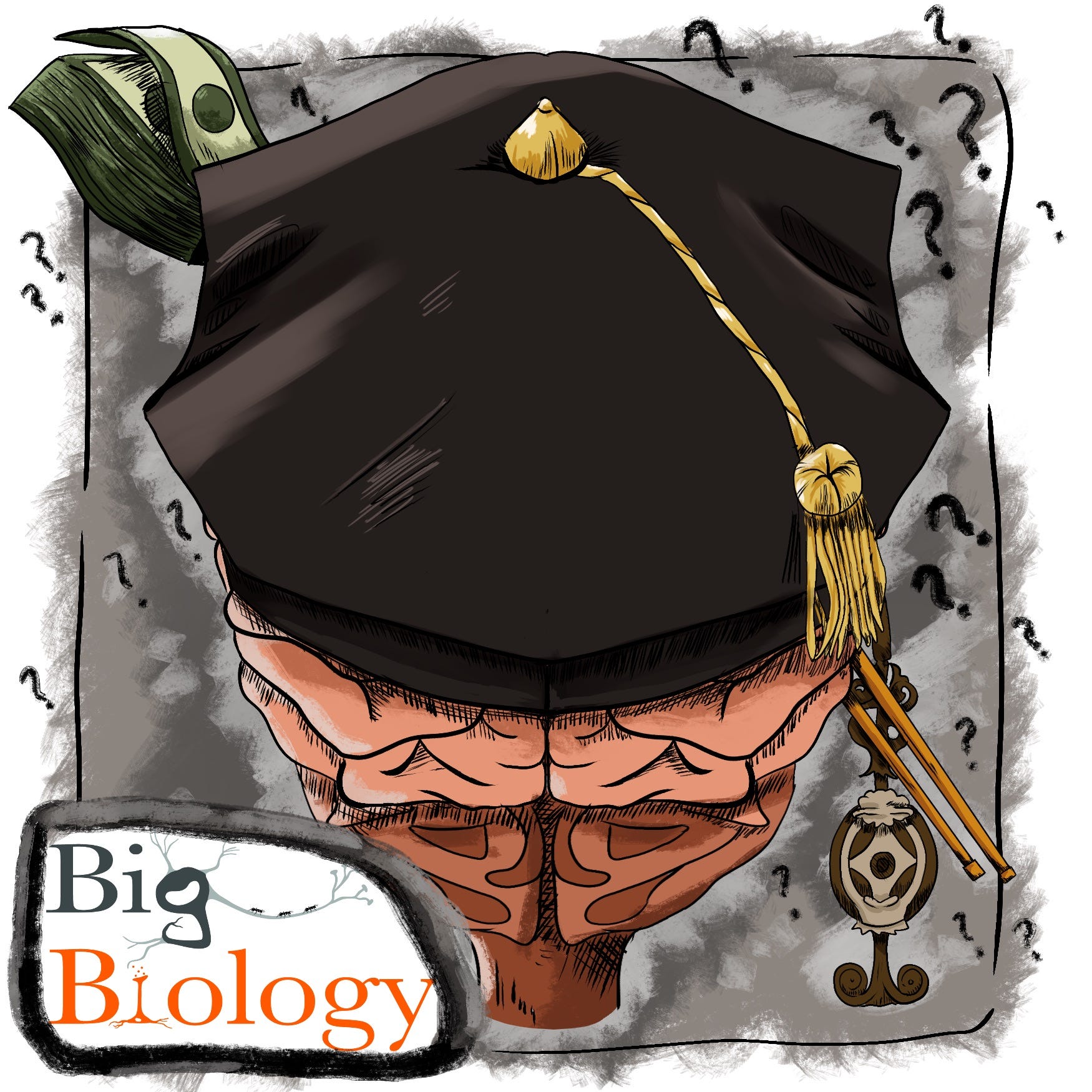
The cost of correctness (Ep 151)
This is a free preview of a paid episode. To hear more, visit bigbiology.substack.comWhat have so many influential scientists been at some time been ridiculed and disbelieved by their peers or institutions? What reforms could foster bolder and more innovative science?In this episode we talk with Matt Kaplan, a science correspondent at The Economist and author, about his most recent book I Told You So! Scientists Who Were Ridiculed, Exil…
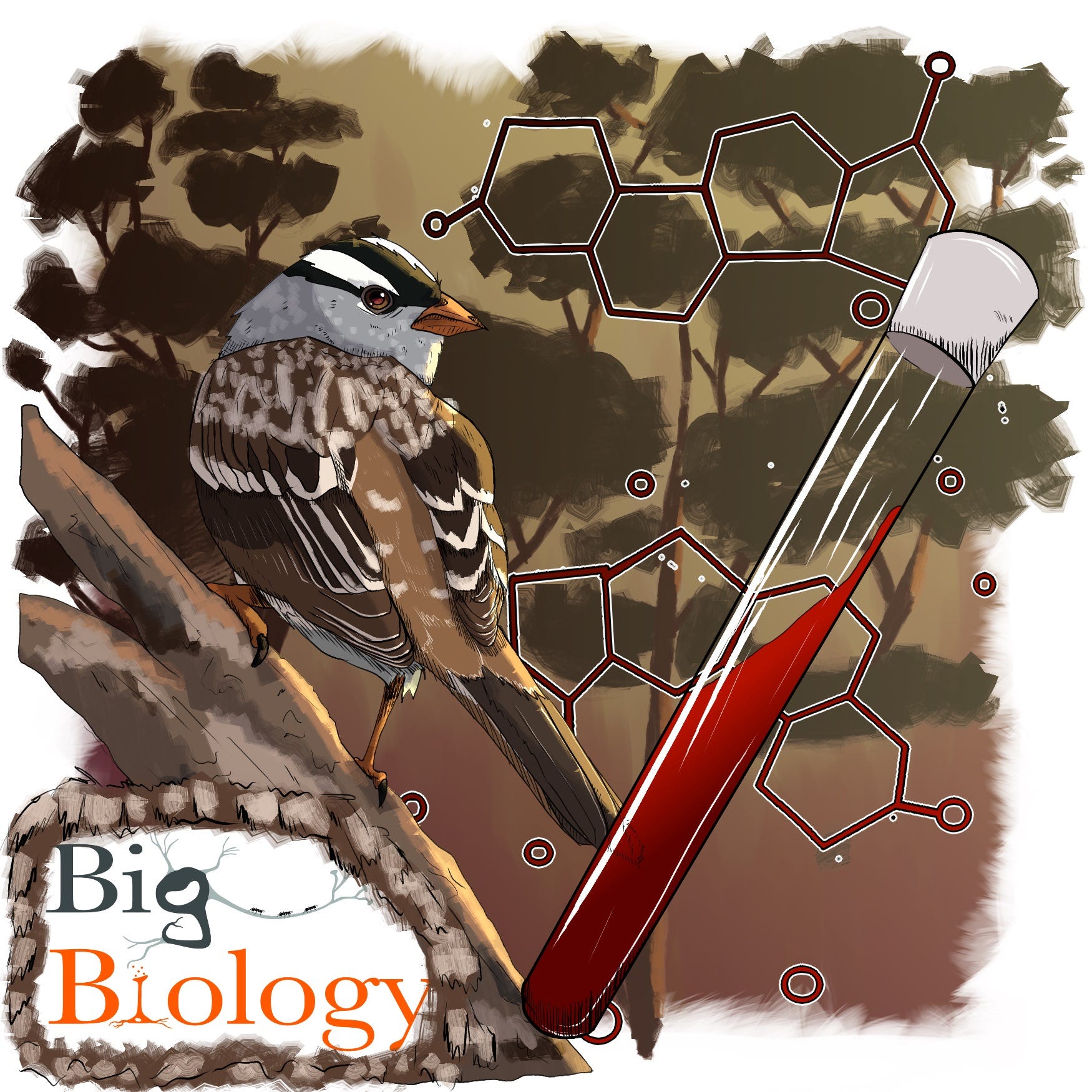
Hormones gone wild (Ep 150)
How do hormones help animals cope with stress, seasons, and climate change? What is allostasis?In this episode, our guest is John Wingfield, Emeritus Professor of Physiology and Behavior, at the University of California, Davis. John helped develop many fundamental hypotheses in the field of endocrinology through his work on wild bird populations, in particular the white-crowned sparrow. Fran Bonier, a former PhD student of John’s and now Professor of Biology at Queen’s University in Kingston, Ontario, also joined us for the chat.We talk with John about how he got interested in understanding wildlife endocrinology, and discuss how he helped formulate the “challenge hypothesis”, “emergency life history hypothesis”, and the concept of “allostasis”. And at the end, John gives some advice to early career researchers, based on his experience as the head of the Biology Directorate at the National Science Foundation.Cover art by Brianna Longo. This is a public episode. If you'd like to discuss this with other subscribers or get access to bonus episodes, visit bigbiology.substack.com/subscribe
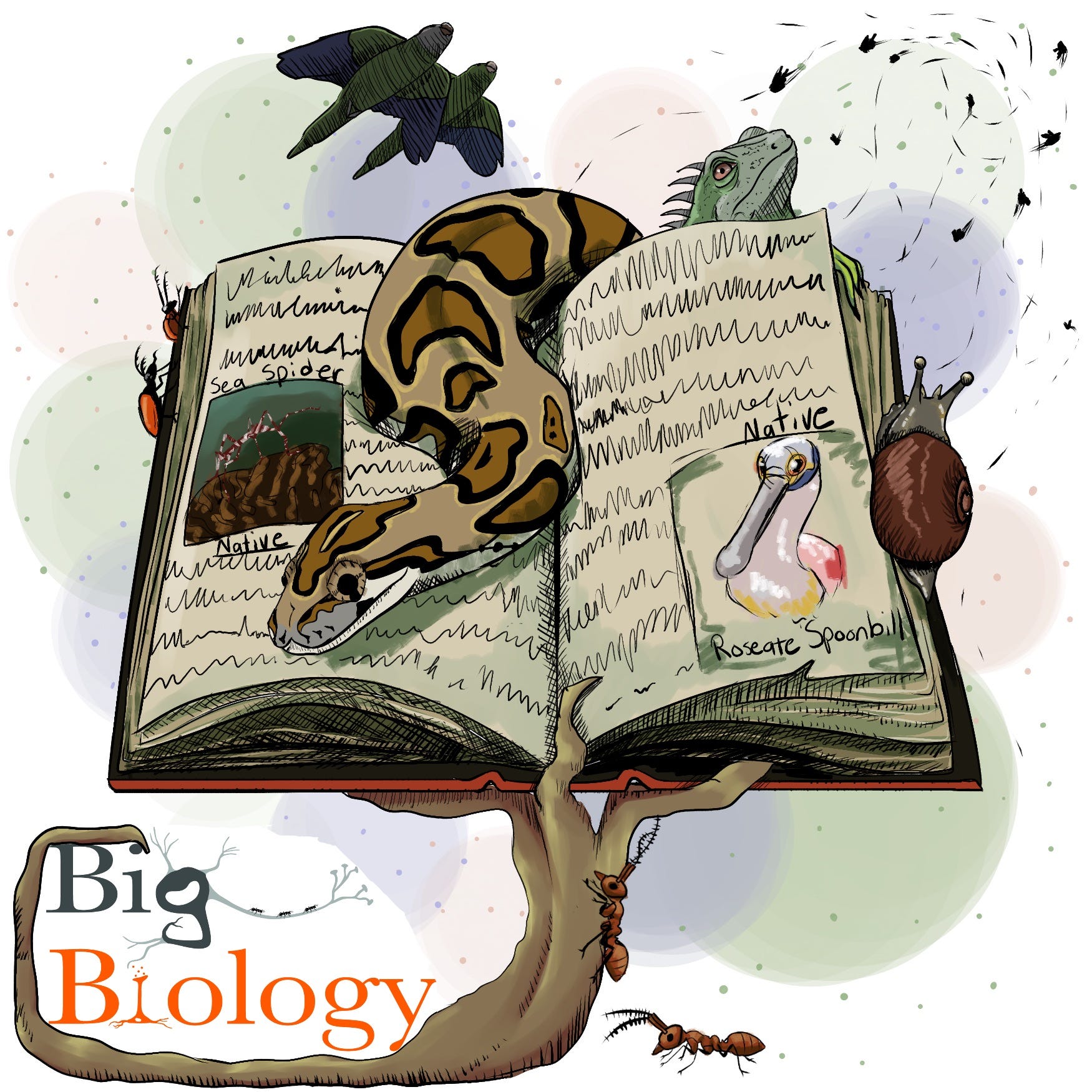
Invasion of the ecosystem snatchers (Ep 149)
This is a free preview of a paid episode. To hear more, visit bigbiology.substack.comHow do you experimentally test theories of island biogeography? Who were the Tallahassee Mafia? Why do some introduced species become invasive and reshape ecosystems?On this episode, we bring you a live recorded conversation we had with Daniel (Dan) Simberloff at the Laurel Theater in Knoxville, Tennessee. Dan Simberloff is the Nancy Gore Hunger Chair o…
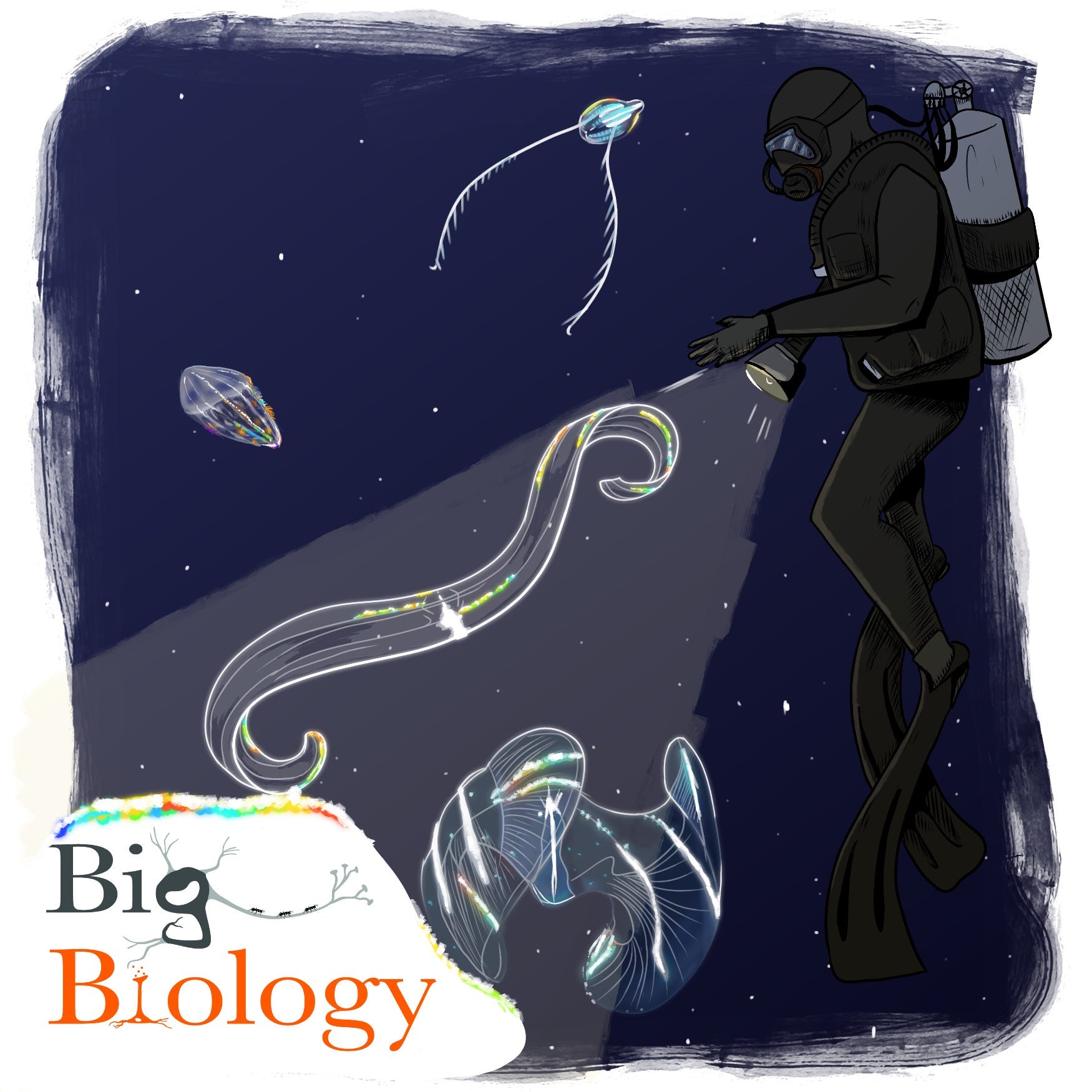
The Voracious Ctenophore and the Silent Sea (Ep 148)
This is a free preview of a paid episode. To hear more, visit bigbiology.substack.comHow is climate change affecting the movements of small predators in the sea? How do diatoms affect ocean carbon cycling? How do Cassiopea jellyfish act like ecosystem engineers?On this episode, we bring you a live conversation from the recent University of South Florida Climate Teach-In where Marty interviewed his colleague, Associate Professor from the…
You may also like


Get this podcast on your phone, Free


Create Your Podcast In Minutes
- Full-featured podcast site
- Unlimited storage and bandwidth
- Comprehensive podcast stats
- Distribute to Apple Podcasts, Spotify, and more
- Make money with your podcast
