Emergence Magazine Podcast
https://feeds.captivate.fm/emergence-magazine/Episode List

The Springing Time - Melanie Challenger
Can we learn from more-than-human beings how to bring our bodies into a more direct conversation with the seasons? In this week’s story, bioethics and history researcher Melanie Challenger explores how our culture insulates us from experiencing seasonal signals in the natural world, ultimately impeding our ability to respond to ecological change. Examining how animals and plants translate important shifts in the land into meaningful activity, Melanie reflects on what it would take for humans to reawaken the same attunement to the changes, great and small, unfolding around us.Read the essay. Discover our latest print edition, Volume 6: Seasons.Photo credit: Credit: Alex Strohl / Verb Photo
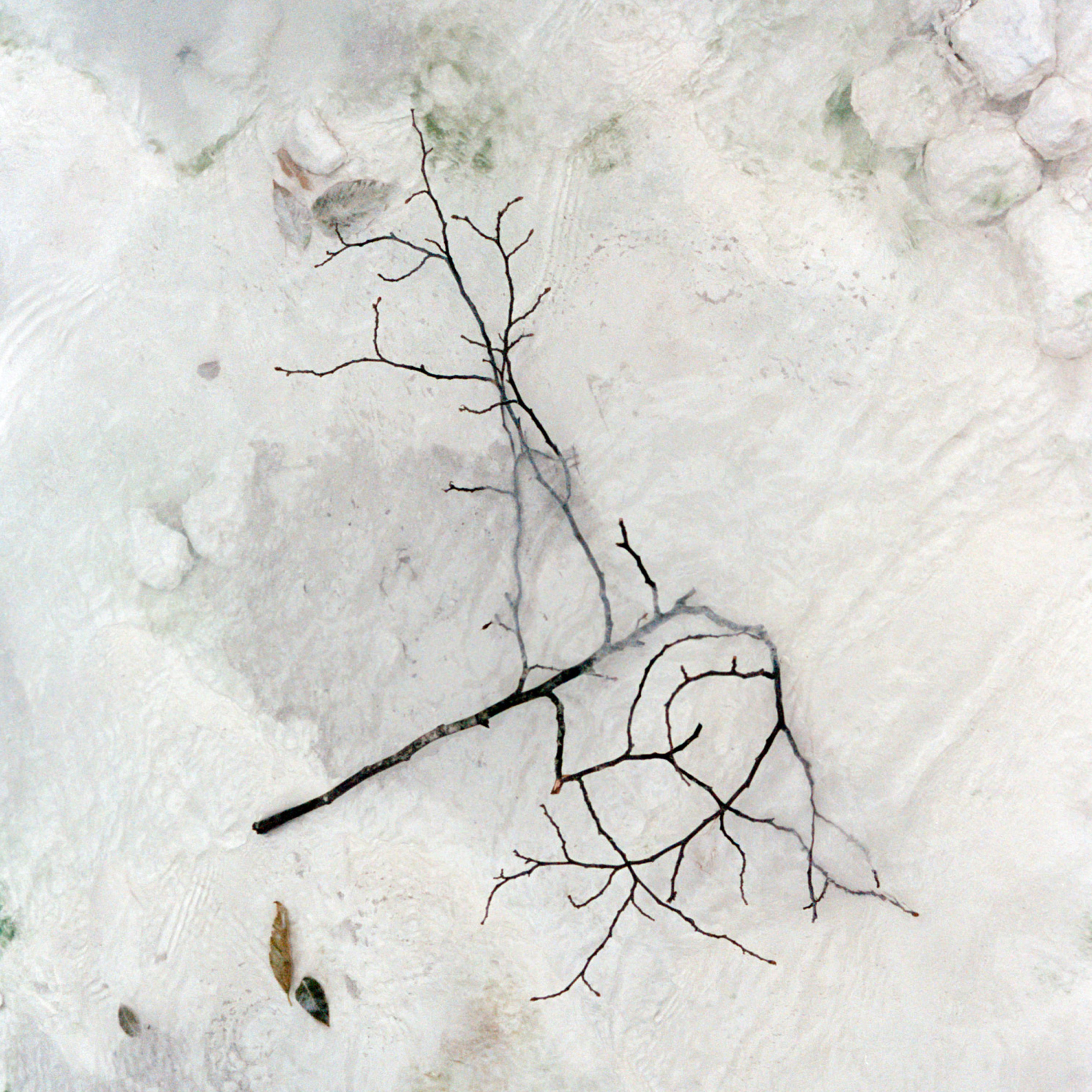
Echoic Memory - CMarie Fuhrman
This week, author and poet CMarie Fuhrman listens to the forest speak its old stories through the roll of thunder, the river emptied of salmon, and the howl of wolves in Idaho’s remote Frank Church Wilderness. In these sounds and silences, she remembers the people and knowledge that colonial history has tried to erase. Recognizing herself as a “person of ground,” she contemplates the past as something that we can call forth into the present, and memory as moving in the opposite direction of prayer—down into the Earth.Read the story.Discover our latest print edition, Volume 6: Seasons.Photo by Luca Werner
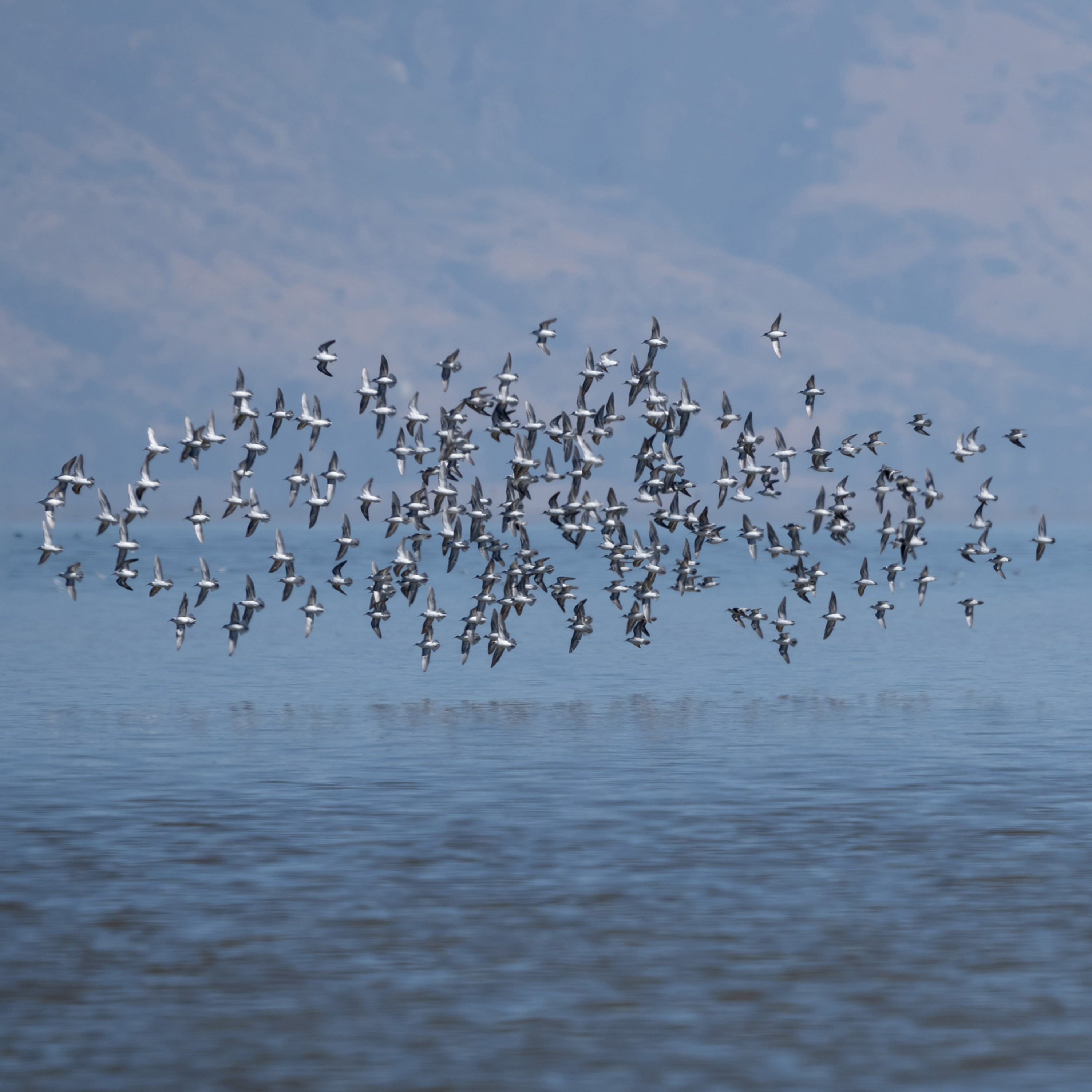
A Hollow Bone - Terry Tempest Williams
In a season of loss, how does absence offer a greater understanding of presence? This week, Terry Tempest Williams brings us into her love affair with Utah’s Great Salt Lake, a place that nourishes twelve million migrating birds, bison herds, and deep-rooted human communities, and which is now in retreat. Contemplating how we might be in service to this dying lake, Terry summons us to be present with the losses in the landscape. Read the story. Discover our latest print edition, Volume 6: Seasons.Photo by Christina Seely
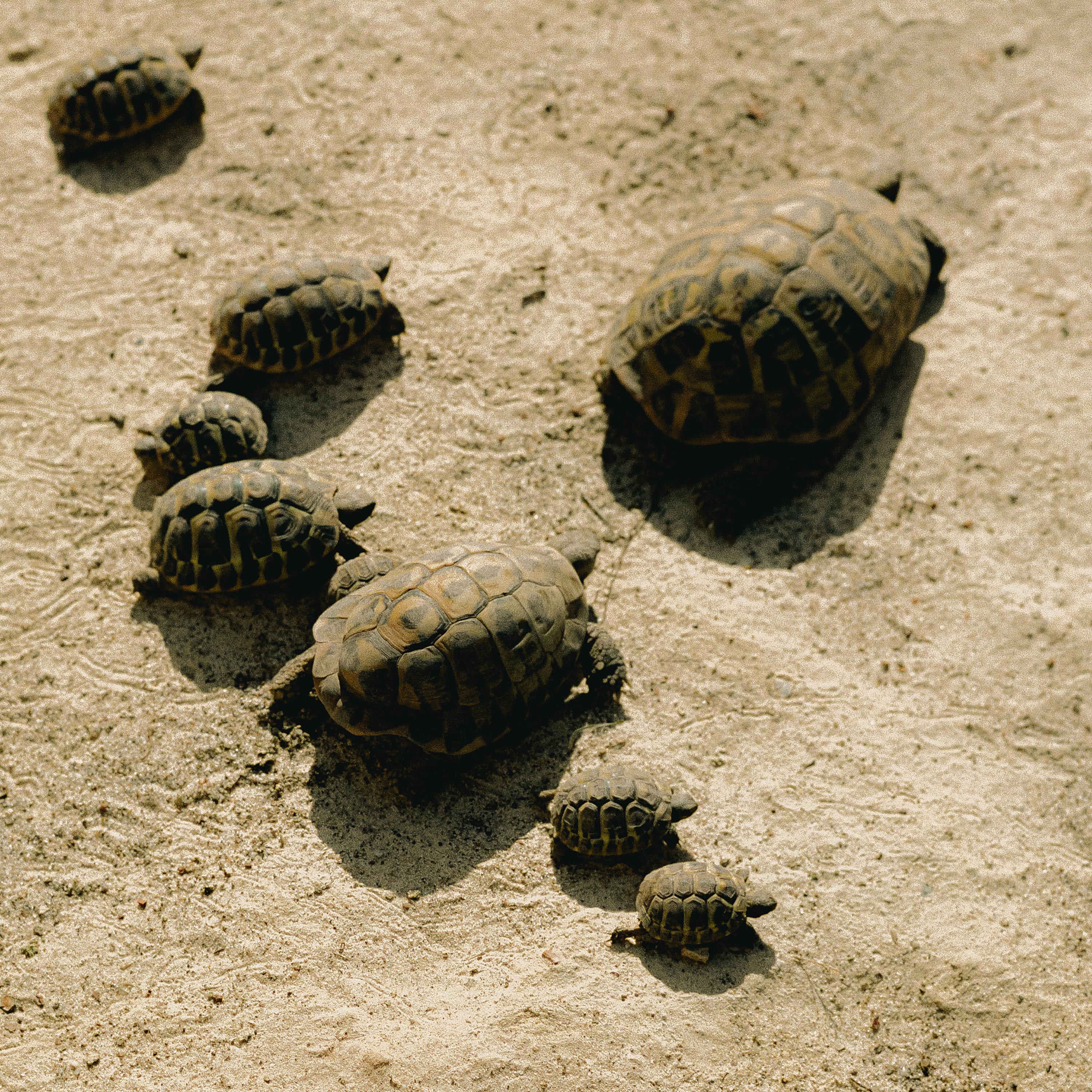
Tortoise Station – Lydia Millet
Depicting a distant age in which river guardians, mothmen, and condor trackers strive to protect a dying world, novelist Lydia Millet asks whether we can navigate species loss not through visions of saviors, but through patient devotion to what might yet emerge through care. Amid extreme temperatures and invasive insects, this short story follows a team of caretakers who track, feed, and hatch the clutches of “the old ones”—ancient desert tortoises nearing extinction.Read the story.Discover our latest print edition, Volume 6: Seasons.Credit: Daniel Farò / Connected Archives
Memory of Winter - Zoë Schlanger
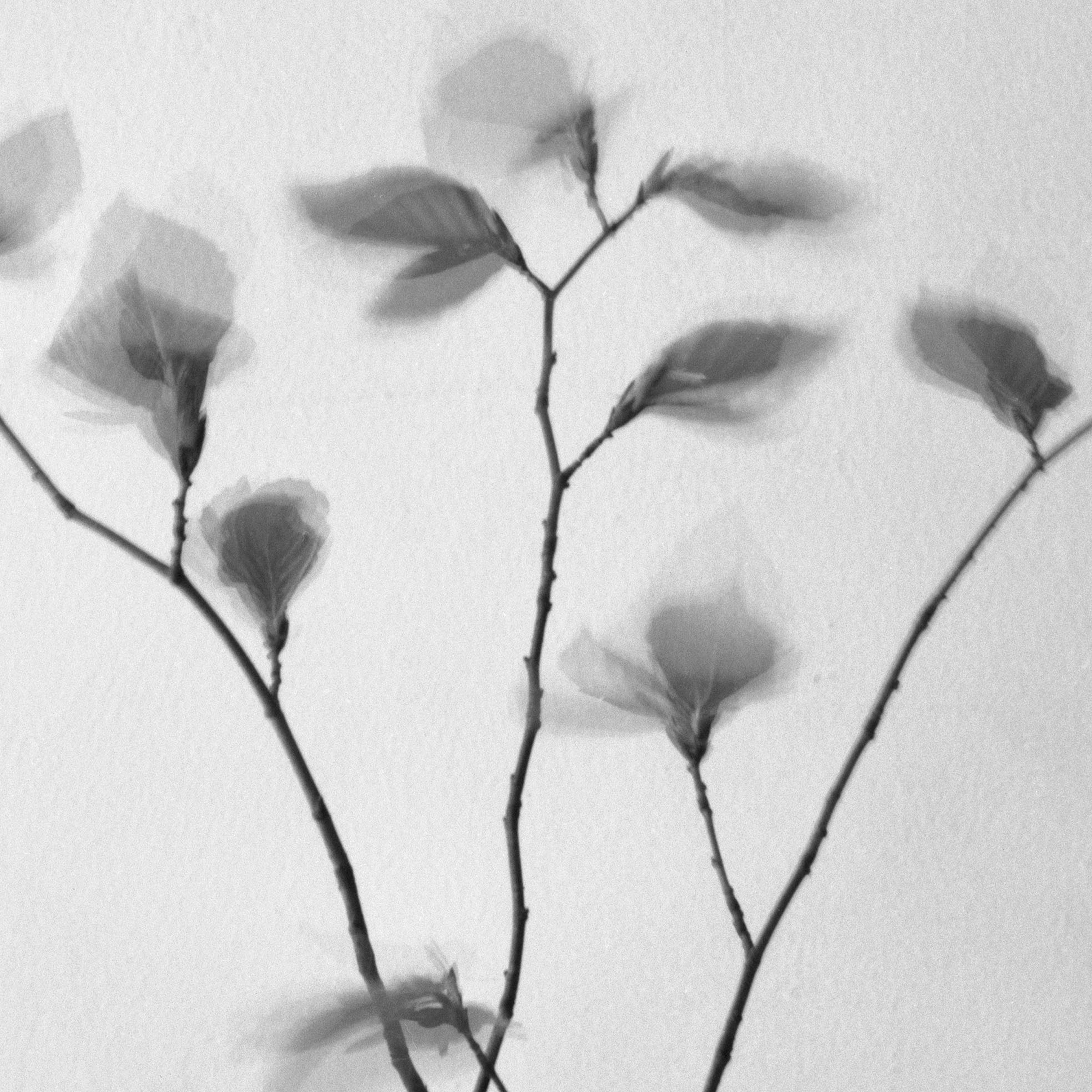
For plants, the moment of spring emergence is the gamble of their lives, says journalist Zoë Schlanger. They rely on a convergence of genetic instructions from within and environmental cues from without to know when it is time to bring new life into the world. But what happens when seasonal markers and a plant’s molecular memory, shaped by generations of winters, no longer agree? Seeing this increasing tension between timelines reflected in her own journey toward parenthood, Zoë asks how we can steward a world where the fragile conversations between biological clocks are being rewritten. Read the essay.Discover our latest print edition, Volume 6: Seasons.Photo by Sam Laughlin.








Get this podcast on your phone, Free


Create Your Podcast In Minutes
- Full-featured podcast site
- Unlimited storage and bandwidth
- Comprehensive podcast stats
- Distribute to Apple Podcasts, Spotify, and more
- Make money with your podcast