Voices of Excellence from Arts and Sciences
https://feeds.soundcloud.com/users/soundcloud:users:494567097/sounds.rssEpisode List
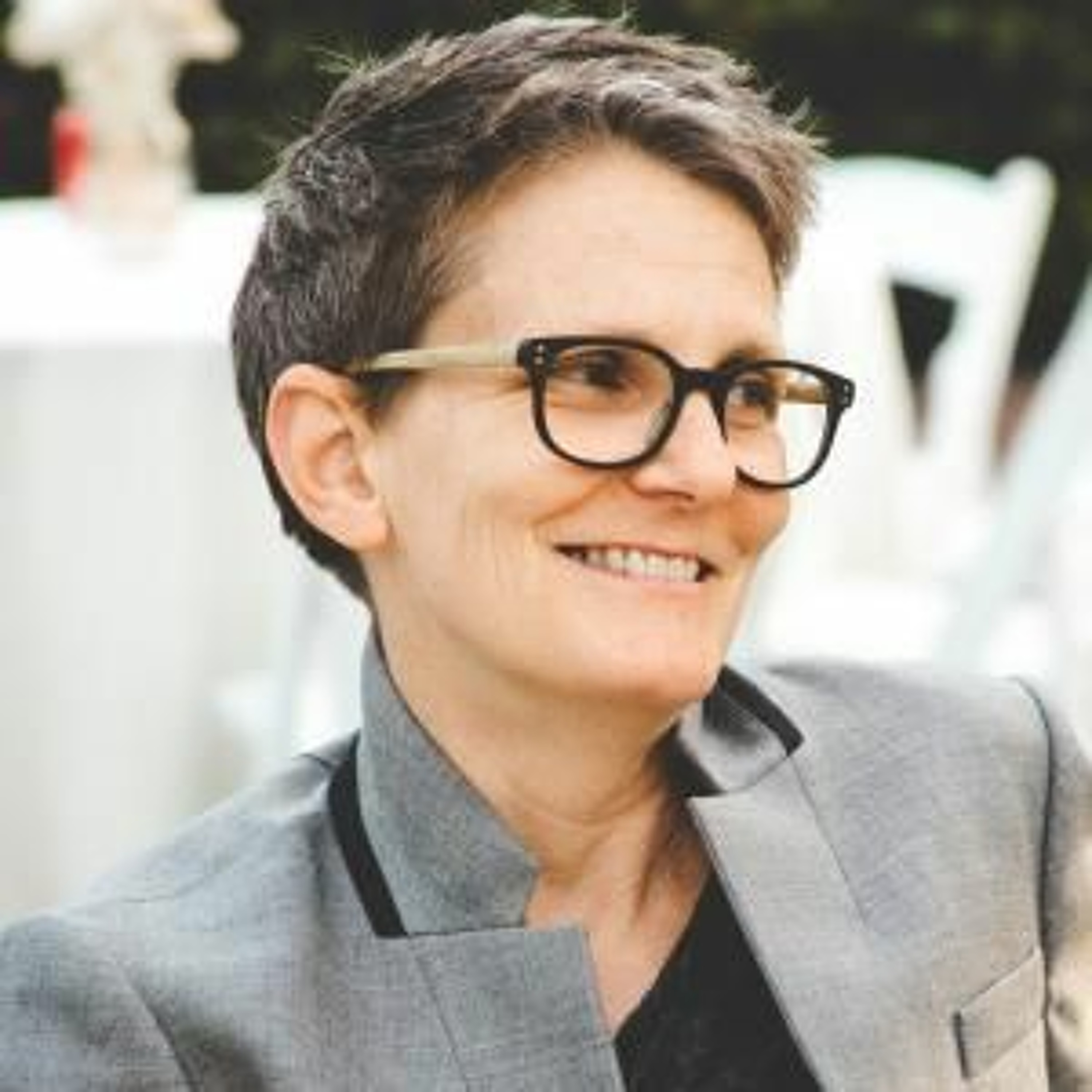
Shannon Winnubst on “the past that is never past:” Anti-Blackness & Anti-Indigeneity
Shannon Winnubst, professor and chair of the Department of Women's, Gender and Sexuality Studies, researches queer and trans studies, race theory, psychoanalytic theory, and 20th century French theory. Energized by the Black Lives Matter movement, she talks about new language that is emerging in the public sphere to name systemic racism and the deeper encounter it offers, especially for white persons and institutions, with the centuries-long violence. For more of her discussion with David Staley, listen to this week's Voices of Excellence
Judson Jeffries: Why the BLM protests look new
Judson Jeffries, professor of African American and African Studies, researches media studies, public policy, Homeland Security, African American politics, and police-community relations. He sees the BLM protests as having a new kind of participant and perhaps a new kind of possibility for success. For more of his discussion with David Staley, listen to this week's Voices of Excellence
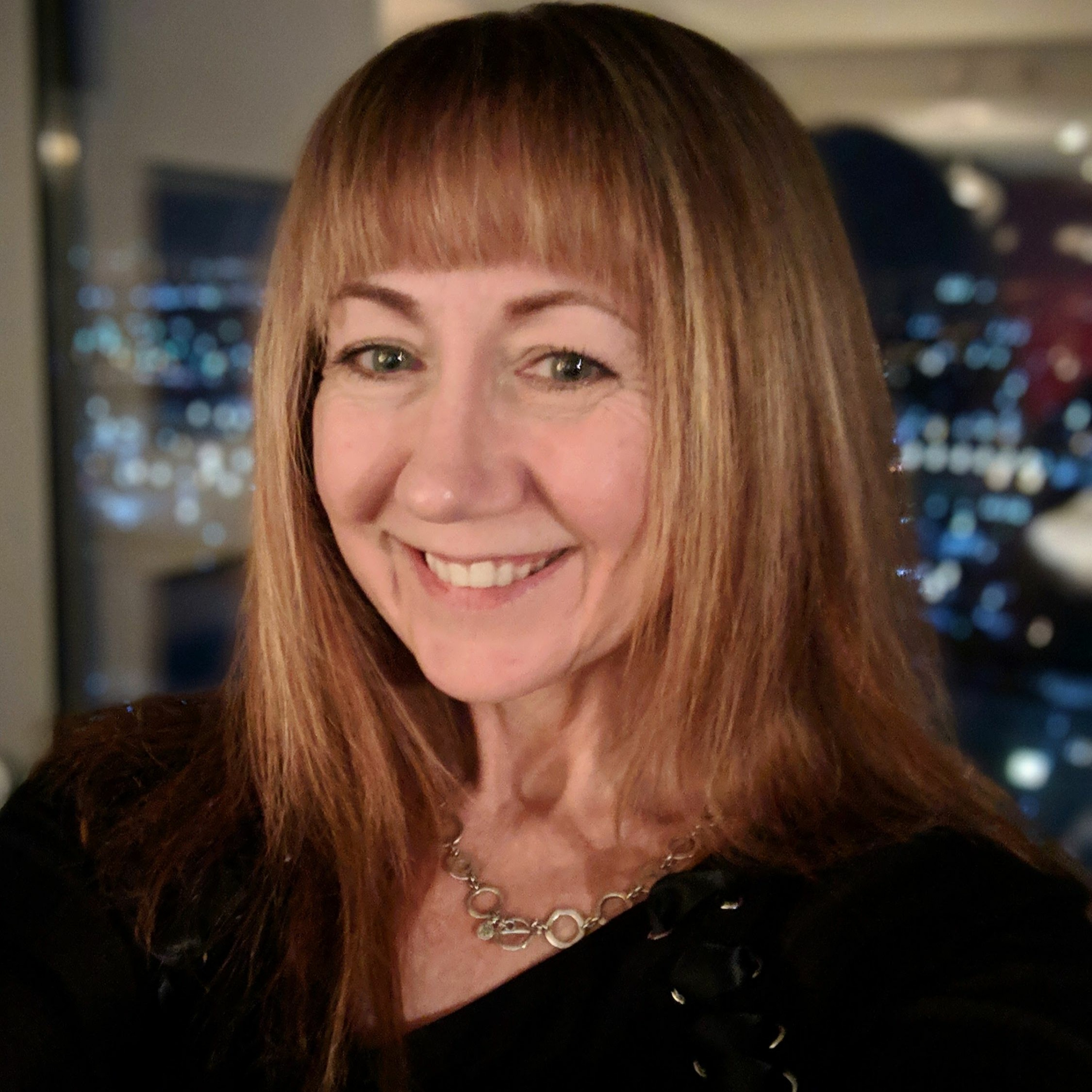
Kristi Williams discusses how 60% of US adults experience trauma before 18
Williams, a professor in the department of sociology, researches the influence of family and other personal relationships on mental and physical health, with a particular focus on gender and life course variations in those patterns. She is particularly interested in exploring how the more trauma people experience, the worse their health is and how that can be treated. For more of her discussion with David Staley, listen to this week's Voices of Excellence

The ethical significance of reading, according to Prof. Ashley Hope Pérez
How readers engage with what they encounter in reading has ethical significance, says Ashley Hope Pérez, assistant professor of comparative studies. In addition to having written three novels, she researches fiction with an eye to how it shapes the way that readers respond to others in the real world. For more of her discussion with David Staley, listen to this week's Voices of Excellence
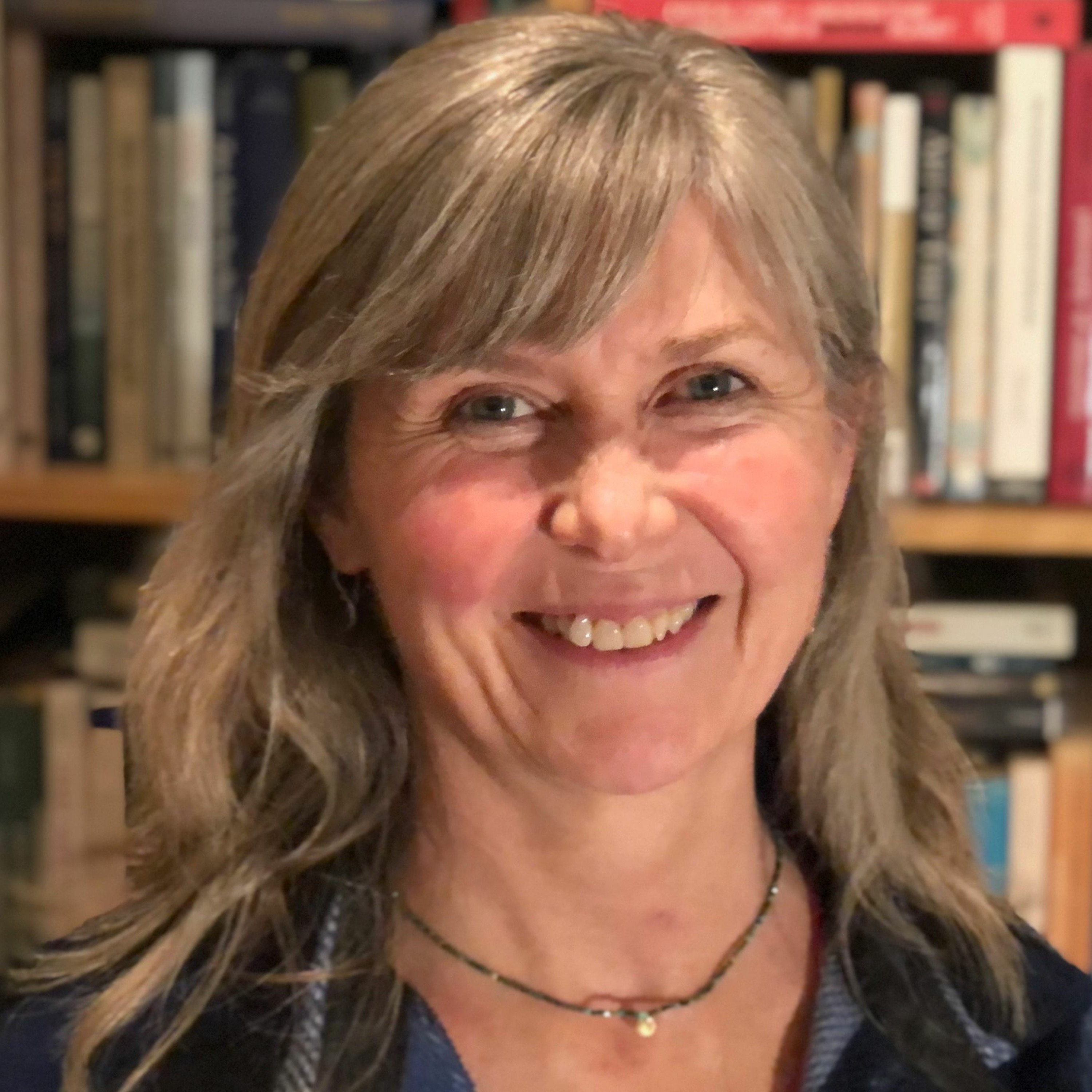
Susan Melsop describes how to turn a bridge into a community resource center
When São Paulo, Brazil, gifted an empty 12,000 square foot building to the city's homeless, a world of opportunities and needs was created. Susan Melsop, an associate professor in the Ohio State Department of Design, had recently received the Ronald and Deborah Ratner Distinguished Teaching Award, which gave her the opportunity to create a social impact design project abroad. Over the course of several months, she developed academic and NGO partnerships in Brazil and formed a design class to illustrate how design can be an agent for change and social justice. More about her experience is available on this week's Voices of Excellence







Get this podcast on your phone, Free


Create Your Podcast In Minutes
- Full-featured podcast site
- Unlimited storage and bandwidth
- Comprehensive podcast stats
- Distribute to Apple Podcasts, Spotify, and more
- Make money with your podcast