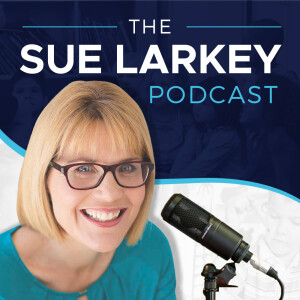
Sue Larkey Podcast - Autism (ASD), ADHD, ODD and PDA education
https://suelarkey.libsyn.com/rssEpisode List
SLP 354: Social Meltdowns Explained: Why "What Happened?" Is the Wrong Question (AS, ADHD, ODD, PDA, etc)
Join Sue for an upcoming Live Virtual Workshop where you will learn from Sue practical tips & strategies to make a difference. ✅ Social Meltdowns: Social overwhelm triggers meltdowns, not just sensory. ✅ Skill Not Will: Children want friends but lack the skills. ✅ Perspective Taking: Explain why a friend didn't pass the ball. ✅ Warning Signs: Yelling, dobbing, crying, shutting down signal overload. ✅ In The Moment: Remove bystanders, distract, don't interrogate about incidents. ✅ Classroom Accommodations: Give thinking time before collaborating or choosing partners. ✅ Connection First: Teach social knowledge proactively in five-minute activities. Read more about this podcast in the show notes found via the link below suelarkey.com.au/difference-between-meltdowns-and-tantrums Join the Facebook group specifically for this podcast www.facebook.com/groups/suelarkeypodcastcommunity/ Join my Neurodiversity Network suelarkey.com.au/neurodiversity-network/ Follow my Instagram account for regular tips www.instagram.com/sue.larkey/ To learn more about teaching or understanding ASD, please visit my website below. elearning.suelarkey.com.au
SLP 353: Why Autistic Girls Mask at School and Meltdown at Home
Join Sue for an upcoming Live Virtual Workshop where you will learn from Sue practical tips & strategies to make a difference. ✅ Masking: Girls mimic peers, appearing fine while exhausted inside. ✅ After-School Meltdowns: Held-in stress erupts at home, not school. ✅ Perfectionism: Small mistakes trigger distress; girls avoid asking help. ✅ Playground Fatigue: Breaks drain autistic girls rather than energise them. ✅ Diagnosis Timing: Earlier understanding eases the transition into high school. ✅ Teacher Signs: Watch anxiety, possessive friendships, and end-of-day unravelling. ✅ Special Interests: Share her passion to build calm and confidence. Read more about this podcast in the show notes found via the link below suelarkey.com.au/masking-meltdowns-neurodiverse-girls Join the Facebook group specifically for this podcast www.facebook.com/groups/suelarkeypodcastcommunity/ Join my Neurodiversity Network suelarkey.com.au/neurodiversity-network/ Follow my Instagram account for regular tips www.instagram.com/sue.larkey/ To learn more about teaching or understanding ASD, please visit my website below. elearning.suelarkey.com.au
SLP 352: Behaviour Is Communication: What Neurodiverse Students Are Really Telling You
Join Sue for an upcoming Live Virtual Workshop where you will learn from Sue practical tips & strategies to make a difference. ✅ Behavior: Reflects unmet needs, not choice. ✅ Mistakes: Fear of errors triggers refusals, meltdowns. ✅ Support: Change structure, not the child. ✅ Being First: Often signals safety, not defiance. ✅ Rewards: Praise completion, not finishing first. ✅ Peer Play: Neurotypical kids can include neurodivergent peers. ✅ Reframe: Ask what support is missing. Read more about this podcast in the show notes found via the link below suelarkey.com.au/behaviour-strategies-for-neurodiverse-students Join the Facebook group specifically for this podcast www.facebook.com/groups/suelarkeypodcastcommunity/ Join my Neurodiversity Network suelarkey.com.au/neurodiversity-network/ Follow my Instagram account for regular tips www.instagram.com/sue.larkey/ To learn more about teaching or understanding ASD, please visit my website below. elearning.suelarkey.com.au
SLP 351: Setting Up a Calm Corner: How to Go From Overwhelm to Regulated
Join Sue for an upcoming Live Virtual Workshop where you will learn from Sue practical tips & strategies to make a difference. ✅ Individual Needs: Every child needs different calming tools. ✅ Teach Usage: Model and practice breaks when calm. ✅ Energy Breaks: Some kids need high-energy activities instead. ✅ Sensory Tools: Weighted blankets, fidgets, and body socks help. ✅ Space Setup: Avoid overload; keep areas simple, tailored. ✅ Non-Verbal Requests: Use tokens or cards to avoid talking. ✅ Returning Routine: Teach timed check-ins to exit calmly. Read more about this podcast in the show notes found via the link below suelarkey.com.au/sensory-tools-emotional-regulation Join the Facebook group specifically for this podcast www.facebook.com/groups/suelarkeypodcastcommunity/ Join my Neurodiversity Network suelarkey.com.au/neurodiversity-network/ Follow my Instagram account for regular tips www.instagram.com/sue.larkey/ To learn more about teaching or understanding ASD, please visit my website below. elearning.suelarkey.com.au
SLP 350: PDA & Supporting the Drive for Autonomy with Expert Guests Laura Kerby & Eliza Flicker
Join Sue for an upcoming Live Virtual Workshop where you will learn from Sue practical tips & strategies to make a difference. ✅ PDA Definition: Drive for autonomy, not pathological demand avoidance. ✅ Demand Types: Internal and external demands create cumulative pressure. ✅ Boiling Kettle: Anxiety builds quietly, small triggers cause big crises. ✅ Crisis Recovery: Children need time and space after overwhelm. ✅ School Environment: Flexible schools with strong relationships make huge difference. ✅ Safe Relationships: Authentic connections reduce anxiety and increase coping. ✅ Perfectionism: Self-sabotage maintains autonomy when fear of failure exists. Read more about this podcast in the show notes found via the link below suelarkey.com.au/pathological-demand-avoidance-in-the-classroom Join the Facebook group specifically for this podcast www.facebook.com/groups/suelarkeypodcastcommunity/ Join my Neurodiversity Network suelarkey.com.au/neurodiversity-network/ Follow my Instagram account for regular tips www.instagram.com/sue.larkey/ To learn more about teaching or understanding ASD, please visit my website below. elearning.suelarkey.com.au
You may also like






Get this podcast on your phone, Free


Create Your Podcast In Minutes
- Full-featured podcast site
- Unlimited storage and bandwidth
- Comprehensive podcast stats
- Distribute to Apple Podcasts, Spotify, and more
- Make money with your podcast
