Episode List

The lightbulb conspiracy is both real and everywhere
Over the next few episodes, we present Hidden Histories: stories that will make you rethink how the world works. First up, the conspiracy behind the lightbulb—and how it came to shape the entire consumer economy. If you ever wondered why your tech outdates so quickly or just plain fails, you can thank the lightbulb. (This episode originally aired in 2019.)Guests: Sally Helm, former NPR Planet Money correspondentMarkus Krajewski, author of The Great Lightbulb ConspiracyGiles Slade, author of Made to Break: Technology and Obsolescence in AmericaSupport shows like Throughline with NPR+. Sign up today at plus.npr.org.See pcm.adswizz.com for information about our collection and use of personal data for sponsorship and to manage your podcast sponsorship preferences.NPR Privacy Policy

The license to be funny in America
One of the most fundamental aspects of American democracy has been the public’s ability to critique power, whether that’s through protest, legislation, or a really funny joke. Today, we take a romp into the history of American comedy, showing no matter how crude, rude, or distasteful the humor may be, Americans have a constitutional right to stand up.To access bonus episodes and listen to Throughline sponsor-free, subscribe to Throughline+ via Apple Podcasts or at plus.npr.org/throughline.See pcm.adswizz.com for information about our collection and use of personal data for sponsorship and to manage your podcast sponsorship preferences.NPR Privacy Policy

The architect of modern China
From impoverishment to global superpower, China’s supremacy happened at a breakneck speed thanks to the visionary strategy of the man who took power in 1978. Over the next decade, under leader Deng Xiaoping’s firm leadership, China flirted with capitalism and transformed its socio-economic and political systems, effectively becoming the world’s factory.Guests:Kerry Brown, professor of Chinese Studies and Director of the Lau China Institute at King's College London and author of several books, including Xi: A Study in PowerDan Wang, a writer specializing in contemporary China and author of Breakneck: China's Quest to Engineer the FutureSupport shows like Throughline with NPR+. Sign up today at plus.npr.org.See pcm.adswizz.com for information about our collection and use of personal data for sponsorship and to manage your podcast sponsorship preferences.NPR Privacy Policy
The Chinafication of Walmart
We think of Walmart as ultra-American, but its business relationship with China has fundamentally changed how American retail operates. In this episode, how one retailer helped turn China into the world’s factory, eventually becoming the single largest U.S. importer of Chinese consumer goods. Guest:Eileen Otis, Associate Professor of Sociology at Northeastern University and author of Walmart: Made in China Support shows like Throughline with NPR+. Sign up today at plus.npr.org.See pcm.adswizz.com for information about our collection and use of personal data for sponsorship and to manage your podcast sponsorship preferences.NPR Privacy Policy
Listen to "We Keep Us Safe" on NPR's Embedded podcast
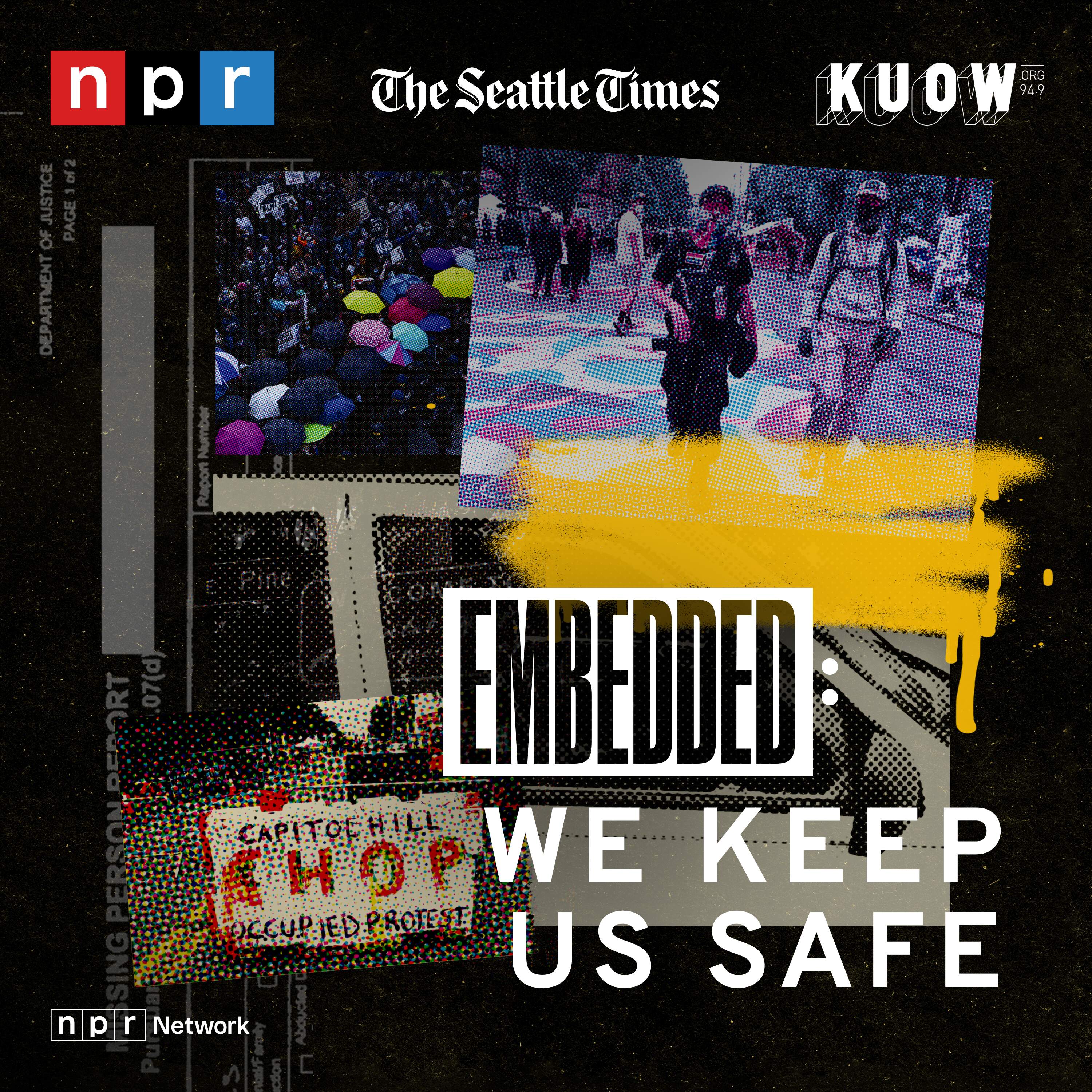
In the summer of 2020, teenager Antonio Mays Jr. traveled a thousand miles to join a racial justice movement after the killing of George Floyd. Less than a week after he arrived in Seattle, he was shot and killed there. The case remains unsolved. In this eight-part series, hosts Sydney Brownstone of The Seattle Times and Will James of KUOW team up with NPR's Embedded to investigate Antonio's death, surfacing crucial evidence and eyewitness accounts.Find "We Keep Us Safe" in the Embedded podcast feed. Listen to Embedded wherever you get your podcasts, including the NPR App, Apple Podcasts, Pocket Casts, Spotify, and via RSS.See pcm.adswizz.com for information about our collection and use of personal data for sponsorship and to manage your podcast sponsorship preferences.NPR Privacy Policy



Get this podcast on your phone, Free


Create Your Podcast In Minutes
- Full-featured podcast site
- Unlimited storage and bandwidth
- Comprehensive podcast stats
- Distribute to Apple Podcasts, Spotify, and more
- Make money with your podcast
