That's So Hindu
https://feeds.acast.com/public/shows/63c85c5e9ae24b0011601ab4Episode List

Food and Digestion in Ayurveda | Dr Reetu Rudra
In this episode of That's So Hindu, Sheetal Shah talks with Dr. Reetu Rudra about the principles of Ayurveda, a holistic system of health that emphasizes the balance of body and mind through understanding one's dosha. The conversation explores the significance of food, digestion, and the importance of proper food combinations in maintaining health. Dr. Rudra explains the three doshas—Vata, Pitta, and Kapha—and how they influence individual health. The episode also addresses common misconceptions about food, including the role of protein powders and the nutritional value of lentils, providing insights into how Ayurveda can guide dietary choices for better health. They also explore the principles of Ayurveda, focusing on the importance of spices in digestion, the individual nature of dietary needs, and the benefits of fresh foods over frozen options. They discuss the significance of ghee in Ayurvedic practices, the perspective on non-vegetarian food, and the practice of soaking foods for better digestion. The dialogue emphasizes understanding one's body and its unique requirements for optimal health.Learn more: https://zenvedany.com/TakeawaysAyurveda is about living a balanced life.Understanding your dosha is crucial for health.Food quality and combinations matter in Ayurveda.Digestion is the foundation of health.Each person has unique dietary needs based on their dosha.Food that is good for one may not be good for another.Ayurveda emphasizes prevention over treatment.Cold foods can suppress digestive fire.Protein powders can be beneficial if digestible.Lentils can be a wholesome protein source when paired correctly. Spices play a crucial role in making food digestible.It's essential to consider how food is prepared, not just what is eaten.Individual digestive needs vary; there is no one-size-fits-all approach.Fresh foods are preferred over frozen for better health.Ghee is valued in Ayurveda for its health benefits and lubrication properties.Ayurveda recognizes both vegetarian and non-vegetarian diets based on individual needs.Soaking foods can aid in digestion and reduce the burden on the gut.Preparation methods can enhance the nutritional value of leftovers.Understanding one's body type is key to following Ayurvedic principles.Half-prepping meals can help busy individuals maintain a healthy diet.Chapters00:00 Introduction to Ayurveda and Dr. Ritu Rudra02:14 Understanding Ayurveda: A Holistic Approach to Health05:53 The Three Doshas: Vata, Pitta, and Kapha Explained09:22 Ayurvedic Perspective on Food and Digestion15:01 Food Combinations: The Ayurvedic Approach20:11 The Impact of Food Combinations on Health23:52 Protein Powders and Ayurvedic Nutrition26:45 Lentils: A Wholesome Source of Protein27:14 The Role of Spices in Digestion32:10 Understanding Individual Digestive Needs35:17 Navigating Fresh vs. Frozen Foods41:21 The Benefits of Ghee in Ayurveda45:20 Ayurveda's Perspective on Non-Vegetarian Food46:59 The Importance of Soaking Foods Hosted on Acast. See acast.com/privacy for more information.
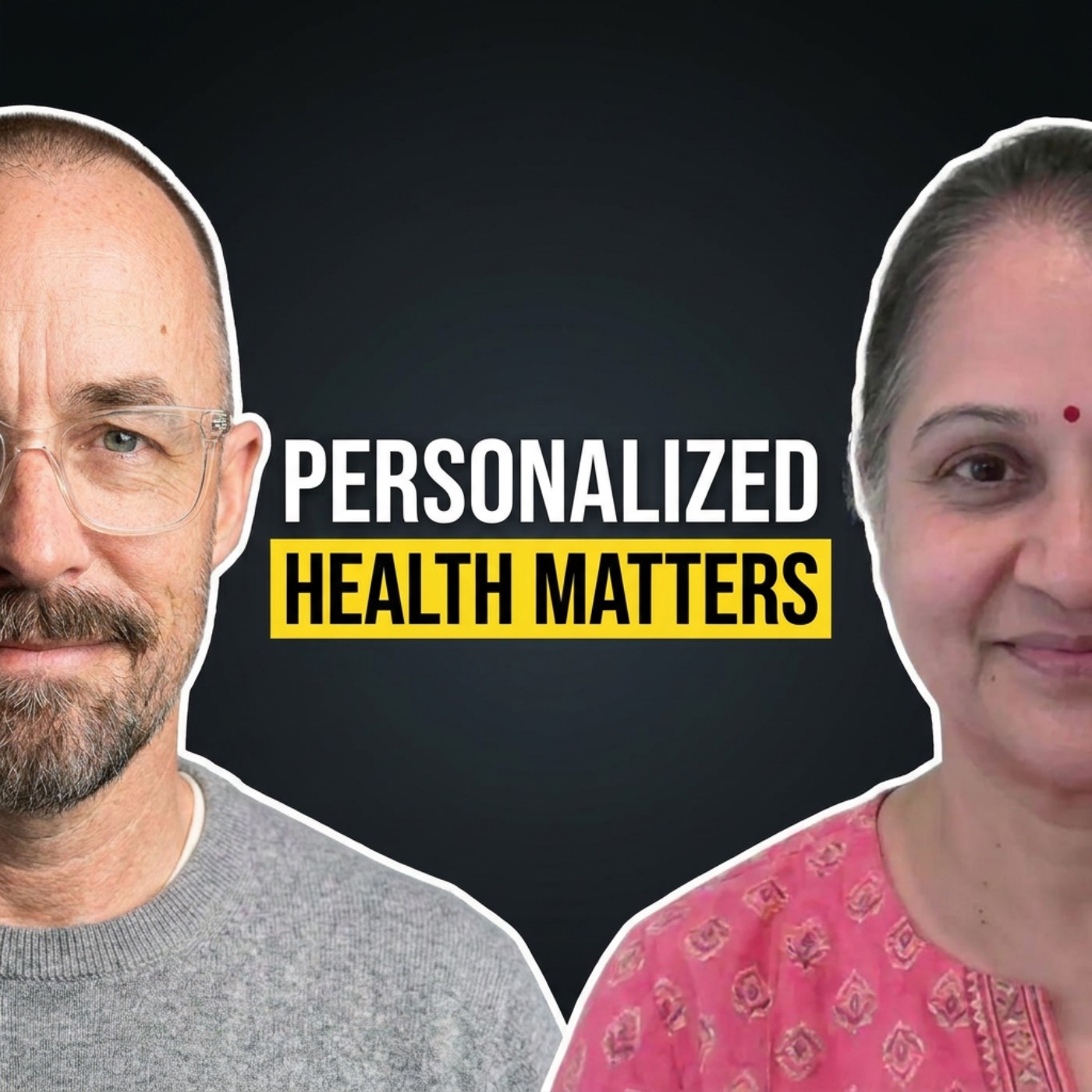
Yes, Ayurveda & Western medicine can be combined | Dr Uma Purighalla
In this episode of That’s So Hindu, Mat McDermott speaks with Dr Uma Purighalla. They discuss her journey as an Ayurvedic doctor and her integration of Ayurvedic principles with Western medicine. She emphasizes the importance of understanding individual dietary needs, particularly in the context of South Asian heart disease, and the historical context that has shaped the perception of Ayurveda. Dr. Uma highlights the significance of personalized medicine and the need to balance dietary qualities based on individual constitution and environmental factors. The discussion also touches on longevity and how different dietary patterns can affect health outcomes; the principles of Ayurveda in relation to dietary choices; the importance of intuition in nutrition; and the global issue of vitamin D deficiency. She emphasizes the role of trust in the efficacy of medications and advocates for a holistic approach to health, particularly in managing heart disease. The discussion highlights the need for individuals to take an active role in their health decisions while respecting their body's signals.https://purighallawellness.comhttps://www.youtube.com/watch?v=YcjGykmipP4https://www.youtube.com/watch?v=9mt5T81I_Y4TakeawaysBoth Ayurveda and Western medicine pursue truth.Ayurveda complements conventional science by offering different perspectives.Historical context has shaped the perception of Ayurveda.South Asian heart disease presents unique challenges.Dietary solutions must be individualized based on personal constitution.Longevity is influenced by various dietary patterns.Ayurveda emphasizes the importance of balancing qualities in diet.Consulting with an Ayurvedic practitioner can provide personalized guidance.Cultural dietary practices can impact health outcomes.Understanding one's body constitution is key to wellness. Listen to your body's needs and intuition.Ayurveda provides a framework for understanding dietary choices.Vitamin D deficiency is prevalent even in sunny regions.Trust in healthcare can enhance treatment efficacy.Holistic health approaches can complement conventional medicine.Individual health decisions should be informed and active.Dietary choices can be influenced by personal circumstances.Understanding the difference between relative and absolute risk is crucial.Consulting with healthcare professionals can provide personalized guidance.Health is a shared decision-making process between patient and provider.Chapters00:00 Introduction to Dr. Uma and Ayurveda02:14 Integrating Ayurveda and Western Medicine06:06 The Historical Context of Ayurveda08:57 Understanding South Asian Heart Disease15:05 Individualized Dietary Solutions in Ayurveda20:12 Longevity and Dietary Patterns27:47 Practical Applications of Ayurvedic Principles31:46 Understanding Dietary Needs Through Ayurveda34:20 The Role of Intuition in Dietary Choices37:39 Vitamin D Deficiency: A Global Concern40:50 The Impact of Trust on Drug Efficacy52:24 Navigating Heart Disease: A Holistic Approach Hosted on Acast. See acast.com/privacy for more information.
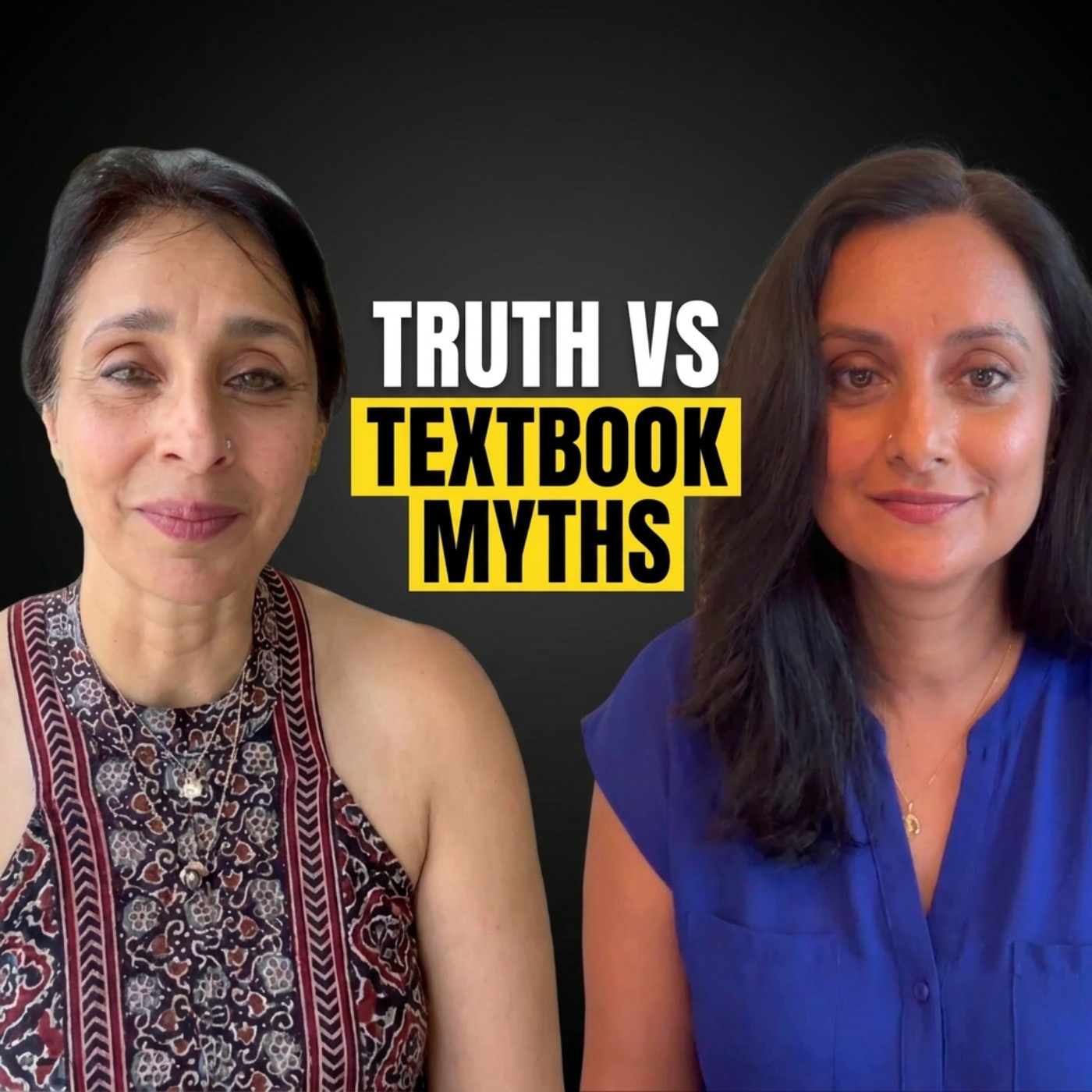
Hindu Identity and Education in America | Dr. Indu Viswanathan
Explore how Hindu Americans navigate identity, belonging, and perceptions in US schools, and discover actionable insights for educators, parents, and communities in this engaging discussion with Dr. Indu Viswanathan. This conversation highlights the importance of inclusive, accurate representation in education. Join the movement to reframe narratives and foster belonging across communities.The formative power of textbook imagery and narratives about India and HinduismRoots of misconceptions in colonial and American educational historyThe role of civic education in shaping belonging and responsibilityStrategies for educators to recognize and dismantle stereotypesThe importance of community and family roles in fostering belongingHow social media magnifies misrepresentations and impacts identitiesBuilding bridges through understanding, empathy, and inclusive educationMoving beyond grievance to Dharma-inspired pedagogical approachesThe potential of Hindu philosophical principles to enrich American educationFuture directions: integrating Dharma into educational content and pedagogyIndu Viswanathan’s book, Hindu By Heart is available on Amazon, Barnes and Noble online, and in bundles at induviswanathan.com02:21 - Reflection on childhood memories and their influence 03:44 - The impact of textbook imagery on identity 04:49 - The storytelling power of personal narratives 06:45 - Injustice and absurdity in textbook representations 10:32 - Advice to young Hindu students facing stereotypes 12:16 - The roots of Hindu stereotypes in historical narratives 13:11 - Colonial and American influences on representations 15:03 - Civic education’s role in shaping American identity 16:07 - The purpose of schooling beyond information transfer 18:11 - The importance of civic responsibility and activism 22:08 - The power of representation and permission structures 23:20 - Personal stories of belonging and misperceptions 26:11 - Recognizing and challenging unchallengeable narratives 27:36 - How teachers can adopt a dharmic approach to inclusivity 28:44 - Addressing misinformation in higher education and textbook reform 30:16 - Civil rights movements and advocacy for representation 32:23 - Roles and responsibilities of Hindu parents in cultivating belonging 33:59 - The impact of social media and ideological extremism 36:57 - Building open communication with children and educators 40:26 - The concept of windows and mirrors in multicultural understanding 41:05 - Who should read this book and why? 44:38 - Future initiatives: integrating Dharma principles into education Resources & Links:Follow Indu here:https://x.com/indumathi37 https://www.instagram.com/indu37 Hosted on Acast. See acast.com/privacy for more information.
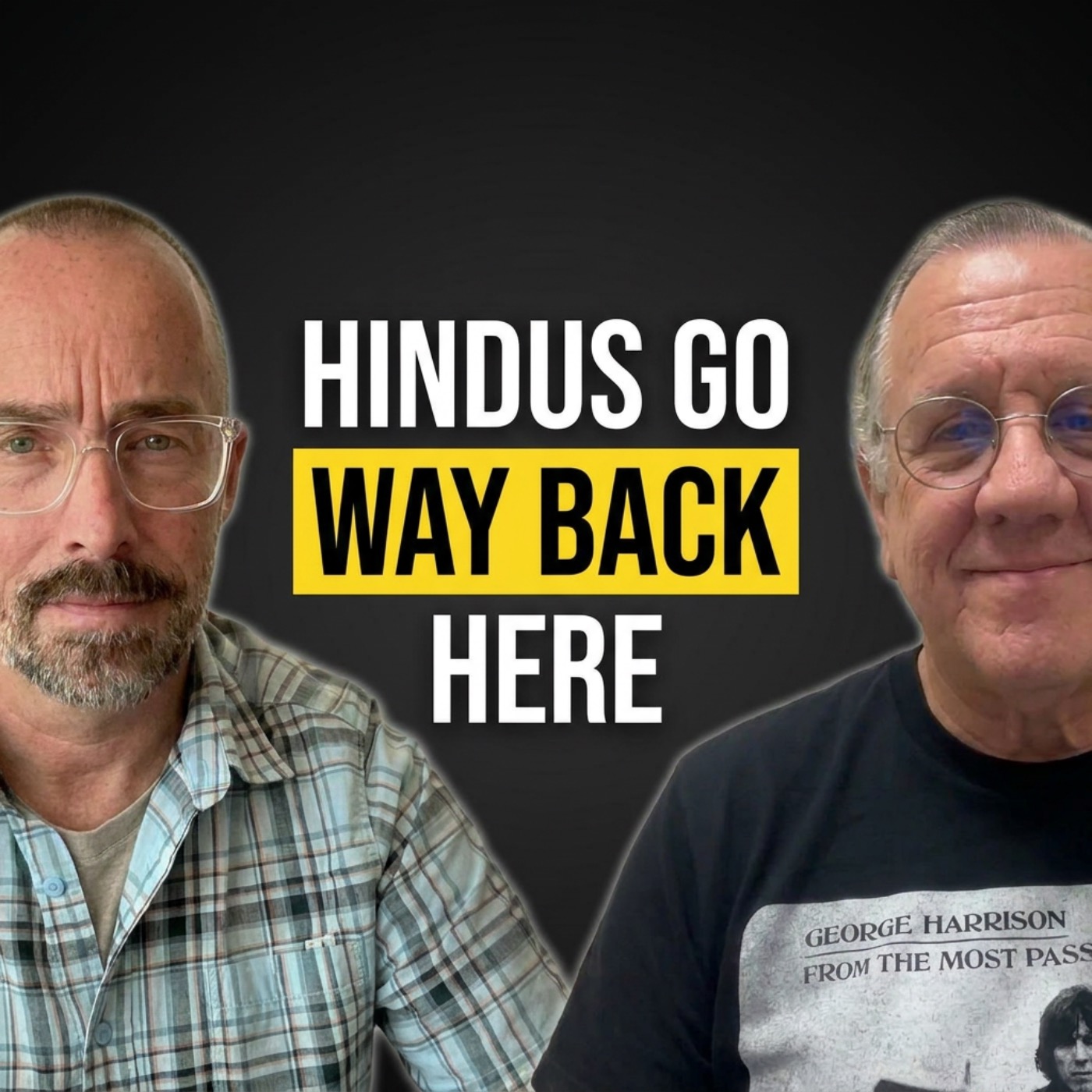
Hindus & Hinduism have influenced America for 250 years | Jeffrey D Long
In this episode of That’s So Hindu, Mat McDermott talks with Professor Jeffrey D Long (Elizabethtown College) about the deep roots and growing presence of Hinduism in the United States. We explore the history from the colonial period to modern American spirituality, and how Western leaders and intellectuals have been influenced by Hindu thought for the past 250 years In this episode:The early awareness of Indian influence in America dating back to the 1600sThe role of founding fathers like John Adams and Thomas Jefferson in engaging with Indian texts and ideasAmerican perceptions of Hindu concepts, including reincarnation and caste, in the 18th and 19th centuriesThe transcendentalist movement, Emerson and Thoreau's fascination with Hindu philosophy, and its influence on American cultureThe emergence of Hindu organizations and the impact of Swami Vivekananda’s arrival in the USThe relationship between Western philosophical traditions and Hindu thought, highlighting influences from Greece to AmericaThe evolution of Hindu-American identity and the modern resurgence of Hindu pride and pride in its philosophical heritageTimestamps: 00:24 - Jeffrey Long’s bio and his book “Hinduism in America” 01:05 - Personal connection to Hindu practices and history in America 01:41 - Early Indian influence in colonial America 02:09 - American figures and their interest in Hindu texts 03:05 - The growth of Hindu temples across the U.S. 04:01 - The convergence of Hindu migrant communities and American-born Hindus 05:14 - The rise of non-Indian Hindus in America 07:19 - Historical references to Hindus in the 1600s 08:05 - Indian sailors and early Asian presence in America 10:24 - Founding fathers’ fascination with Hindu philosophy 11:47 - Deism, Jefferson’s Bible, and early American religious diversification 13:10 - Influence of Benjamin Franklin and Quaker spirituality 14:04 - George Washington and early American religious tolerance 15:01 - Reflections on religious pluralism in the founding era 16:43 - Indian influence and references in early American literature 17:19 - Public perception and common knowledge of Hinduism in early America 18:05 - Education and awareness of Hindu beliefs among common people 19:57 - Stereotypes and misconceptions of Hinduism in the 19th century 20:49 - Mythologies around Jesus' travels in India 21:16 - Broad understanding and stereotypes of Hindu beliefs 22:50 - Challenges and pushback against religious pluralism 24:15 - Influence of Transcendentalism on American thought 25:39 - Emerson’s interest in Hindu texts and nature spirituality 29:57 - The Theosophical Society and wave of Indian nationalism 32:20 - Vivekananda’s groundbreaking impact at the World Parliament of Religions 39:12 - The first influential Indian teachers in America before Vivekananda 44:39 - Western expectations of Swami Vivekananda’s appearance and presentation 48:52 - The role of Vivekananda in inspiring Indian independence and pride 50:48 - The potential for a renewed dialogue between Eastern and Western philosophies Hosted on Acast. See acast.com/privacy for more information.
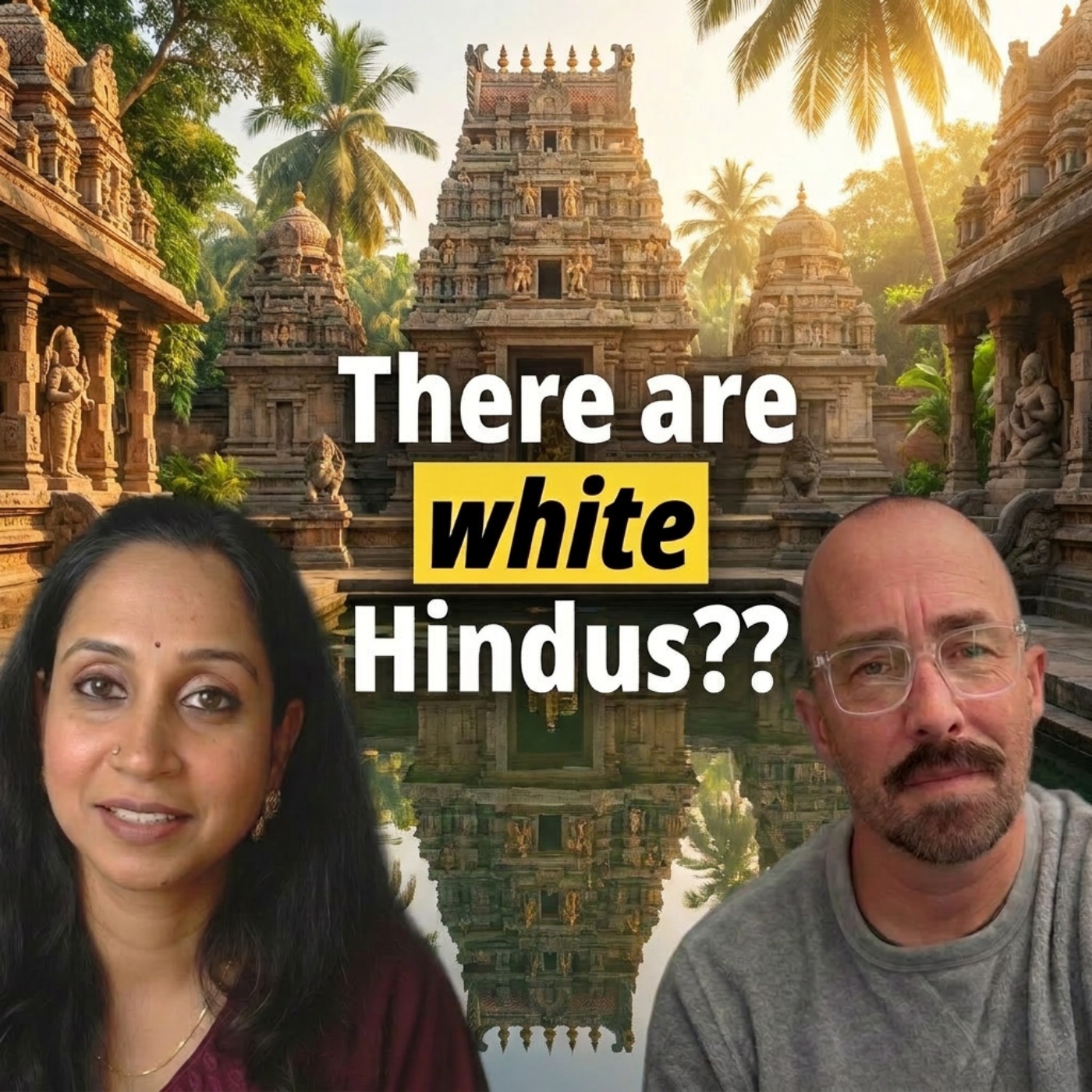
Yes, you can be Hindu and be white
In this episode of That’s So Hindu, Sangeetha Shankar speakers with HAF’s Devala Gupta, Easan Katir, Mat McDermott, and Fred Stella about their journey’s into Hinduism. They discuss their personal spiritual practices, how the wider Hindu community has accepted them, and much more. This episode highlights the diversity within the Hindu community and challenges stereotypes about ethnicity and faithChapters(00:00) Introduction to diverse white Hindu voices in the American context(02:11) The significance of diversity within the Hindu Foundation's donor community(03:29) Guests introduce their backgrounds and how they discovered Hinduism(06:24) Personal stories: From mystical experiences to formal initiation(09:00) Transition from Roman Catholicism to Hindu identity(12:12) The journey from cultural curiosity to full commitment(15:52) The balancing act of practicing Hinduism as a non-Indian(18:00) Celebration of different practices and philosophies within Hinduism(22:17) Personal devotion: favorite deity and festival choices(26:56) Funny temple experiences: line-cutting and outsider perceptions(33:17) The impact of Hindu philosophies on worldview and resilience(39:44) Navigating societal explanations and misconceptions(43:04) Experiences with attempts at reconversion or challenges faced(47:45) Interfaith dialogues, community outreach, and unique religious conversations(52:09) Stories of spiritual journeys intertwined with cultural exchanges(56:00) Visions, spiritual visions, and transformative experiences•(56:45) Closing thoughts and gratitude Hosted on Acast. See acast.com/privacy for more information.



Get this podcast on your phone, Free


Create Your Podcast In Minutes
- Full-featured podcast site
- Unlimited storage and bandwidth
- Comprehensive podcast stats
- Distribute to Apple Podcasts, Spotify, and more
- Make money with your podcast
