Episode List

Justice Clarence Thomas One-on-One (Part 1)
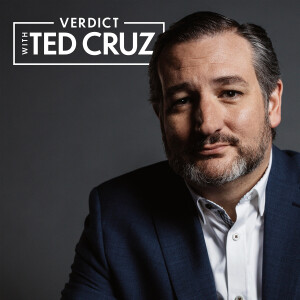
In this episode of Verdict with Ted Cruz, Senator Ted Cruz welcomes Justice Thomas for a rare and personal discussion about his life story, from growing up in segregated Georgia to attending Yale Law School, confronting racism in both the South and the North, and developing the constitutional philosophy that would define his career on the Supreme Court. Thomas reflects on the people, ideas, and moments that shaped his thinking and helped forge one of the most consequential judicial careers of the modern era. Before he became a Supreme Court justice, Clarence Thomas experienced poverty in Georgia, considered the priesthood, wrestled with anger over racial injustice, and underwent a profound intellectual transformation. In this special conversation, he reflects on the experiences that shaped his life and worldview.Joined by Senator Ted Cruz, Justice Thomas discusses his upbringing in Pin Point and Savannah, Georgia, the decisive influence of his grandparents, and the role faith played throughout his life. He shares memories of segregation, Catholic education, and the lessons in discipline, responsibility, and perseverance that guided him from childhood to the nation's highest court.The conversation also explores his years in the seminary, his reaction to the civil rights era, his departure from the church as a young man, and the personal journey that eventually brought him back to foundational principles of faith and individual responsibility. Topics Covered: Thomas's childhood in Pin Point and Savannah, Georgia The influence of his grandparents, particularly Myers Anderson Faith, Catholic education, and his years in the seminary Segregation, the civil rights movement, and Brown v. Board of Education His intellectual and political evolution through college and law school Individual responsibility, liberty, and constitutional principles Please Hit Subscribe to this podcast Right Now. Also Please Subscribe to the 47 Morning Update with Ben Ferguson and The Ben Ferguson Show Podcast Wherever You get You're Podcasts. And don't forget to follow the show on Social Media so you never miss a moment! Thanks for Listening YouTube: https://www.youtube.com/@VerdictwithTedCruz/ Facebook: https://www.facebook.com/verdictwithtedcruz X: https://x.com/tedcruz X: https://x.com/benfergusonshowYouTube: https://www.youtube.com/@VerdictwithTedCruzSee omnystudio.com/listener for privacy information.

Meet Abdul El-Sayed's Sister, DNC (soon to be DSA) Goes All-In on Abolishing ICE & Meet Hasan Piker's Brother-All in the Family Week In Review
In this episode of Verdict with Ted Cruz, Senator Ted Cruz and Ben Ferguson discuss the DNC’s unanimous support for a resolution calling for the abolition of ICE, the political implications of that vote, and how immigration enforcement has become a major dividing line between Republicans and Democrats. They also examine public statements attributed to Abdul El-Sayed's sister, concerns about ideological activism in higher education, questions raised about the family ties of political commentator Hasan Piker, and the Democratic Party’s relationship with progressive activists and influencers. The Democratic National Committee has approved a resolution supporting the abolition of ICE, a move presented in this episode as evidence of a broader shift toward more progressive and activist positions within the Democratic Party. The discussion examines what that policy would mean for immigration enforcement, public safety, and the party’s political direction.The episode also explores controversies surrounding Abdul El-Sayed, comments and activism attributed to members of his family, and debates over the influence of political activists, academics, and online personalities on Democratic politics. Topics Covered: The DNC resolution supporting the abolition of ICE and its unanimous approval process Immigration enforcement, deportation policy, and border security debates Criticism of Abdul El-Sayed and statements attributed to his family members Activism, anti-capitalist views, and organizing efforts within universities Questions surrounding Hasan Piker, his political influence, and national security concerns discussed in the episode Reactions from Democratic leaders and the party’s progressive wing Please Hit Subscribe to this podcast Right Now. Also Please Subscribe to the 47 Morning Update with Ben Ferguson and The Ben Ferguson Show Podcast Wherever You get You're Podcasts. And don't forget to follow the show on Social Media so you never miss a moment! Thanks for Listening YouTube: https://www.youtube.com/@VerdictwithTedCruz/ Facebook: https://www.facebook.com/verdictwithtedcruz X: https://x.com/tedcruz X: https://x.com/benfergusonshowYouTube: https://www.youtube.com/@VerdictwithTedCruzSee omnystudio.com/listener for privacy information.

Radicalism: Terror Plot in New York, Extreme Democrat Candidates, Nike Stock Plummets after Embracing Wokeness & Hasan Piker Islamist Threat
In this episode of Verdict with Ted Cruz, Senator Ted Cruz and Ben Ferguson discuss the FBI's arrest of a New York woman accused of supporting ISIS and planning an attack on the New York State Capitol, the financial and cultural fallout surrounding Nike's corporate activism, controversial statements and positions from Democratic Senate candidates James Talarico and Abdul El-Sayed, and questions surrounding national security concerns related to commentator Hasan Piker and reports about his brother's work on sensitive aerospace and defense projects. An alleged ISIS-inspired terror plot targeting the New York State Capitol has renewed concerns about domestic radicalization, political extremism, and national security. Federal authorities say the suspect planned a mass-casualty attack and was stopped before the plot could be carried out. The case raises broader questions about how extremist ideologies spread and the challenges facing law enforcement. The episode also examines growing debates over corporate activism, the financial struggles facing Nike, and the political direction of several high-profile Democratic Senate candidates. Ted Cruz and Ben Ferguson argue that radical political movements are gaining influence in politics, culture, and public discourse. Topics Covered: FBI investigation into an alleged ISIS-inspired terror plot targeting the New York State Capitol Domestic radicalization, online extremism, and national security concerns Nike’s stock decline and the debate over corporate activism and consumer backlash Statements and policy positions associated with James Talarico and Abdul El-Sayed Antisemitism, religious questions, and ideological divisions in American politics Hasan Piker, Democratic alliances, and concerns involving sensitive defense-related work The Bottom Line: Ted Cruz argues that radical political and ideological movements are becoming more influential across politics, culture, and public institutions. He contends that the alleged terror plot, corporate activism controversies, and emerging political figures reflect a broader shift that Americans should take seriously. Please Hit Subscribe to this podcast Right Now. Also Please Subscribe to the 47 Morning Update with Ben Ferguson and The Ben Ferguson Show Podcast Wherever You get You're Podcasts. And don't forget to follow the show on Social Media so you never miss a moment! Thanks for Listening YouTube: https://www.youtube.com/@VerdictwithTedCruz/ Facebook: https://www.facebook.com/verdictwithtedcruz X: https://x.com/tedcruz X: https://x.com/benfergusonshowYouTube: https://www.youtube.com/@VerdictwithTedCruzSee omnystudio.com/listener for privacy information.

BONUS POD: Swalwell’s 'Devices' in Federal Trouble & Nike’s WOKE Market Meltdown
In this edition of the 47 Morning Update, Ben Ferguson examines two stories he argues are drawing significant public attention. First, he discusses reports that federal agents seized electronic devices belonging to former Congressman Eric Swalwell pursuant to search warrants connected to an investigation involving sexual misconduct allegations. Ferguson reviews publicly reported details, notes that Swalwell has denied the allegations, and emphasizes that no conviction has occurred. Former Congressman Eric Swalwell is facing renewed scrutiny after reports that the FBI seized electronic devices as part of an investigation tied to sexual misconduct allegations. At the same time, Nike’s long decline from its 2021 market peak is fueling another debate over brand strategy, consumer behavior, and corporate activism. The episode then turns to Nike’s stock performance and market value decline since its peak several years ago. Ferguson argues that a series of highly visible corporate and cultural decisions contributed to consumer backlash against the company. He connects Nike’s financial struggles to a broader debate over corporate activism, branding, and long-term customer loyalty. Topics Covered: Reports of FBI search warrants involving former Congressman Eric Swalwell Sexual misconduct allegations and Swalwell’s public denials The significance of electronic-device seizures in federal investigations Nike’s market value decline since its 2021 peak Consumer reactions to corporate activism and brand positioning The “go woke, go broke” argument and its impact on business debates Please Hit Subscribe to this podcast Right Now. Also Please Subscribe to the The Ben Ferguson Show Podcast and Verdict with Ted Cruz Wherever You get You're Podcasts. And don't forget to follow the show on Social Media so you never miss a moment! Thanks for Listening X: https://x.com/benfergusonshowYouTube: https://www.youtube.com/@VerdictwithTedCruzSee omnystudio.com/listener for privacy information.

BONUS POD: Heads in the Sand—The Unsustainable Numbers behind America’s $40 Trill Debt
In this episode of 47 Morning Update w Ben Ferguson, Ben examines America’s $40 trillion debt milestone, the Congressional Budget Office’s projections for future borrowing, and the rising cost of servicing the national debt. They discuss debt-to-GDP ratios, annual federal deficits, interest payments approaching $1 trillion per year, and the broader debate over whether Washington’s spending habits are creating risks for future generations. The United States has officially crossed a historic threshold: $40 trillion in gross federal debt. According to figures discussed in this episode, the debt burden is now roughly comparable to the size of the entire U.S. economy, raising concerns about long-term fiscal sustainability and the growing cost of interest payments.The discussion focuses on how federal spending continues to outpace revenue, the rapid growth of annual deficits, and projections that debt held by the public could exceed previous post-World War II records in the years ahead. Topics Covered: America surpasses $40 trillion in gross federal debt Federal spending exceeds revenue by nearly $2 trillion annually Congressional Budget Office projections for debt-to-GDP growth Rising federal interest costs and their budget impact Historical comparisons to post-World War II debt levels The political debate over government spending and fiscal responsibility Please Hit Subscribe to this podcast Right Now. Also Please Subscribe to the The Ben Ferguson Show Podcast and Verdict with Ted Cruz Wherever You get You're Podcasts. And don't forget to follow the show on Social Media so you never miss a moment! Thanks for Listening X: https://x.com/benfergusonshowYouTube: https://www.youtube.com/@VerdictwithTedCruzSee omnystudio.com/listener for privacy information.







Get this podcast on your phone, Free


Create Your Podcast In Minutes
- Full-featured podcast site
- Unlimited storage and bandwidth
- Comprehensive podcast stats
- Distribute to Apple Podcasts, Spotify, and more
- Make money with your podcast
