Forest of Thought
https://api.substack.com/feed/podcast/4379453.rssEpisode List
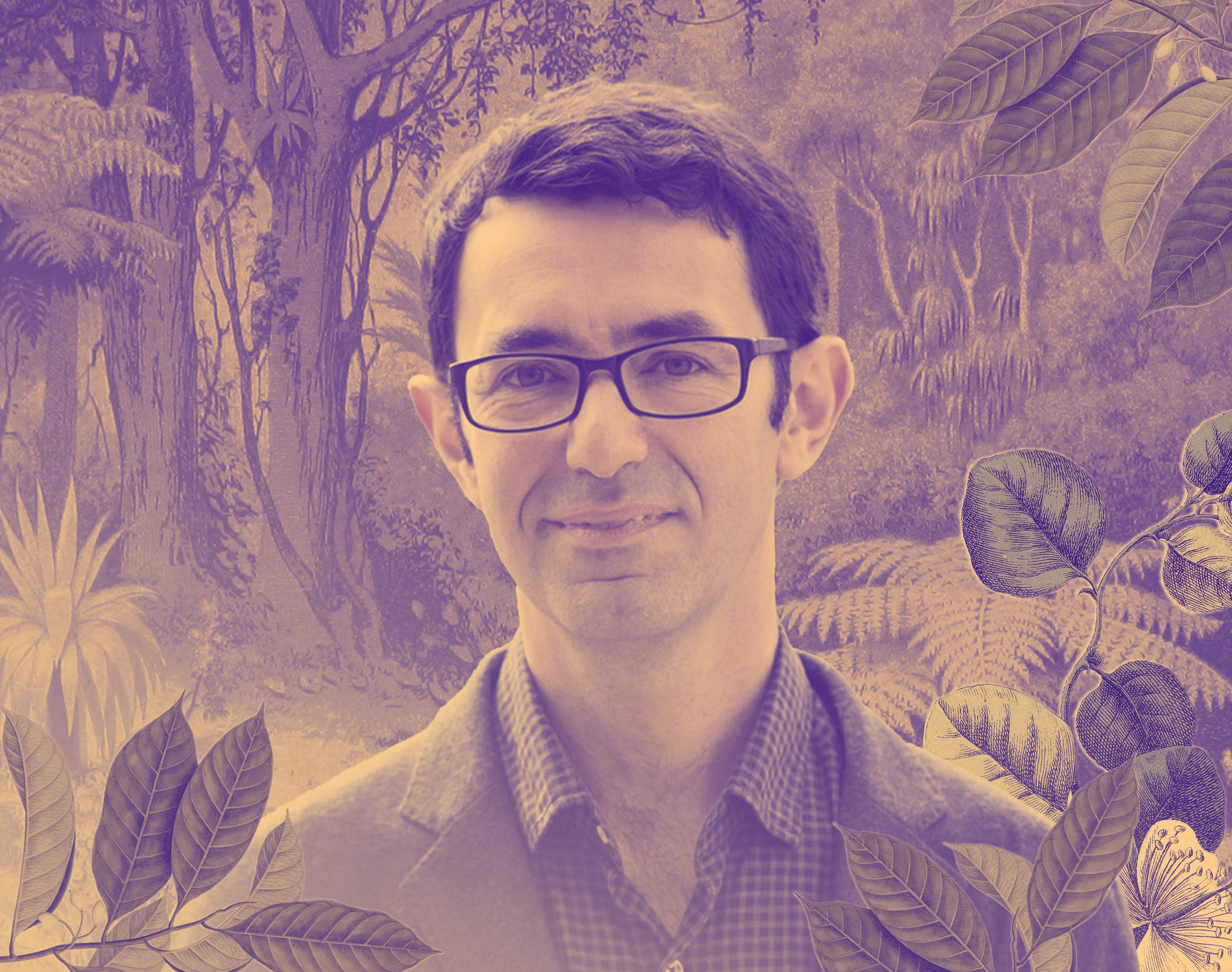
36. Thinking with plants – on Hildegard of Bingen’s ecological theology // MICHAEL MARDER
What can we learn from plants? In Western thinking, plants have usually been seen as the most lowly beings, fixed in one place and without capacity for thinking. But many cultures have known – and modern science is confirming – that plants carry their own kind of vibrant intelligence. They communicate, interpret and elaborate – could it be that we humans are more plant-like than we tend to believe? In the 12th century, the mystic Hildegard of Bingen wrote about viriditas, a kind of capacity for self-renewal and vitality expressed most clearly in the vegetal realm. In today’s episode I speak to philosopher Michael Marder about Hildegard’s ecological theology and what we might learn from plants. Michael Marder is Ikerbasque Research Professor of Philosophy at University of the Basque Country, and his work spans the fields of environmental philosophy and ecological thought, political theory, and phenomenology. LINKSMichael Marder website (free articles, book overviews)Green Mass: The Ecological Theology of St. Hildegard of Bingen Pyropolitics: Fire and the political Michael’s SubstackSHARE AND SUBSCRIBE🎙️ The FoT Substack is now live! Become a free or paid subscriber and receive newsletters direct to your inbox.🎧 All episodes and more at forestofthought.substack.com.💜 Support us on Patreon or Substack.🎵 Our theme music is by Christian Holtsteen. Get full access to Forest of Thought Podcast at forestofthought.substack.com/subscribe

35. Walking for peace and learning with head, heart & hands // SATISH KUMAR
If you’d prefer to watch the episode, it is available here on Youtube. In 1962 , a young man named Satish Kumar set out with his friend Prabakhar Menon on a pilgrimage for peace that would take him around the world, forever changing the course of his life. Later on, Satish dedicated himself to the work of making peace with nature, as the editor of the ecological magazine Resurgence, and in helping to found Schumacher College, a school for transformative learning. We first met when I did my master’s at that college more than a decade ago. In this conversation we talk about the power of walking and of pilgrimage, about the kind of education we are in need of today, and about whether working for peace means the same thing today as when Satish was young. Peace-pilgrim, life-long activist, and former monk, Satish Kumar has been inspiring global change for over 50 years. He undertook a pilgrimage for peace, walking for two years without money from India to America for the cause of nuclear disarmament. Now in his 80s, Satish has devoted his life to campaigning for ecological regeneration and social justice. He is a world-renown author and international speaker, founder of The Resurgence Trust and Editor Emeritus of Resurgence & Ecologist – a change-making magazine he edited for over 40 years. LINKS TO THINGS WE TALKED ABOUT:Satish Kumar’s autobiography No Destination – autobiography of a pilgrim.Satish's mentor Vinoba BhaveSatish’s peace pilgrimage – if you’d like to hear more details about his trip, I can recommend this episode of Follow your Blissters. Schumacher College – support the college here.Resurgence magazineSHARE AND SUBSCRIBE🎙️ The FoT Substack is now live! Become a free or paid subscriber and receive newsletters direct to your inbox.🎧 All episodes and more at forestofthought.substack.com.💜 Support us on Patreon or Substack.🎵 Our theme music is by Christian Holtsteen. Get full access to Forest of Thought Podcast at forestofthought.substack.com/subscribe
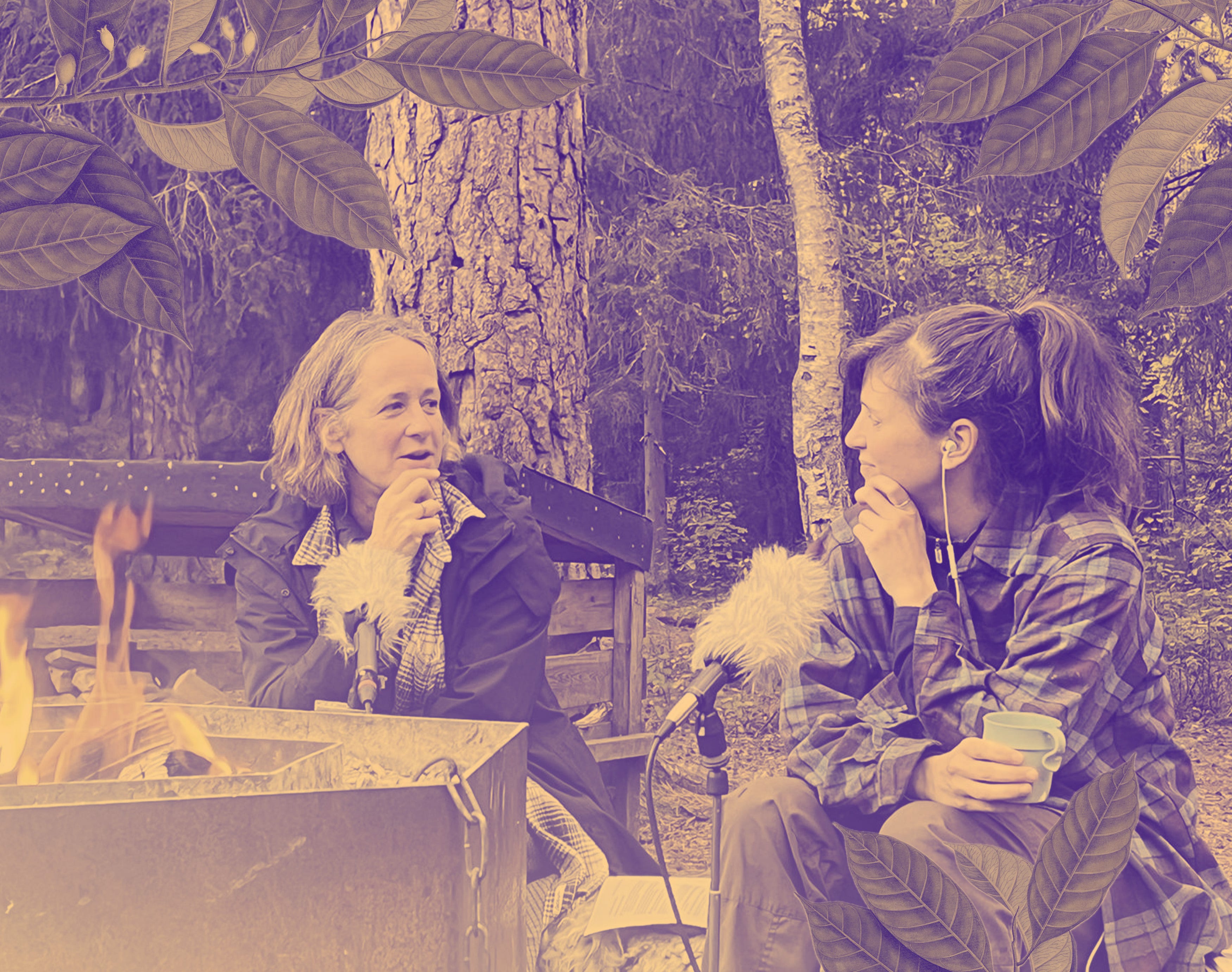
34. The subtle art of listening // KERI FACER
As we are faced with multiplying crises, we often rush into trying to fix the world through words and busy action. What if an adequate response is to simply listen? What new worlds can be made, what wounds can be healed, through listening deeply? In this episode, Keri Facer returns to the podcast to explore the subtle art of listening.Keri is Professor of Educational and Social Futures at the University of Bristol, and co-founder of the Society for Transformative conversations at the Swedish Agricultural university. LINKS TO THINGS WE TALKED ABOUT: My previous conversation with KeriKeri’s paper “Beyond voice: Listening and silence in climate change education”Momo by Michael EndeLisbet LipariSand Talk by Tyson YunkaportaTim Ingold - the pause as the moment of thoughtWays of Council and Keri’s mentor Pip Bondy SHARE AND SUBSCRIBE🎙️ The FoT Substack is now live! Become a free or paid subscriber and receive newsletters direct to your inbox.🎧 All episodes and more at forestofthought.substack.com.💜 Support us on Patreon or Substack.🎵 Our theme music is by Christian Holtsteen. Get full access to Forest of Thought Podcast at forestofthought.substack.com/subscribe
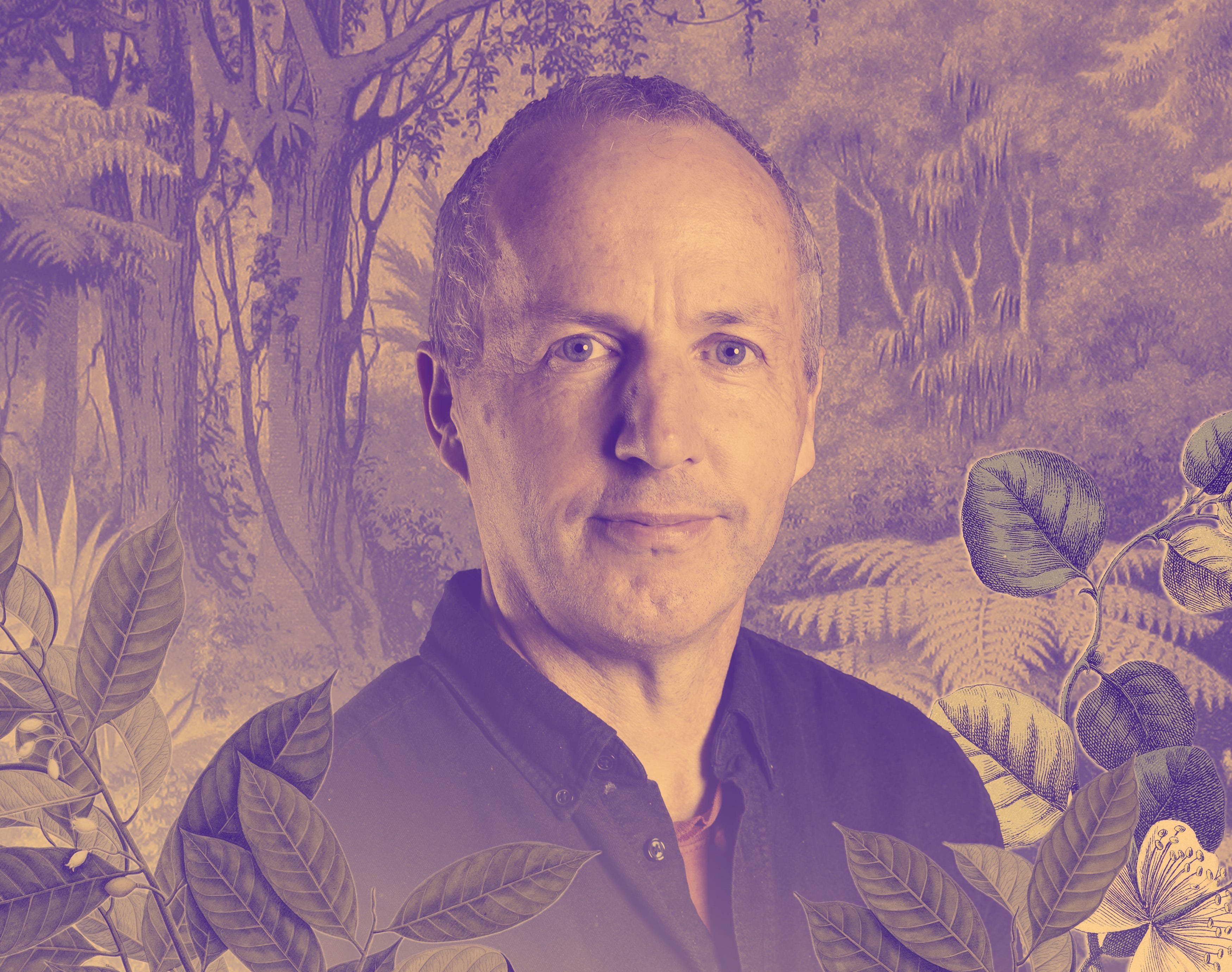
33. “Our crisis is an aesthetic crisis” – on art, education and ecology // JAN VAN BOECKEL
What could art making and aesthetics mean to us in these difficult times? Can we justify going off to paint or to spend time in nature when there is so much destruction going on in the world? Aesthetics is about opening up our senses to the world - but do we even want to stay sensitive when there is so much pain? How do we deal with that paradox? Today’s episode is with artist and educator Jan van Boeckel. Jan’s work brings together art, education and ecology. He has been Professor in Art & Sustainability at Hanze University in the Netherlands and is now a Senior Research Associate there. He is also an avid painter, and hosts wild painting courses throughout Europe. LINKS TO THINGS WE TALKED ABOUTJan’s websiteJan’s Wild painting coursesActive Facebook group on arts-based environmental education“Call of the mountain” – a film on Arne Næss and deep ecologyEveryone is an artist - Joseph BeuysEnabling constraintsJames Hillman: Our crisis is an aesthetic crisisGregory Bateson writes about “the pattern that connects” in Mind and NatureDavid Abram (who talks about Eros)Robert Jay Lifton and psychic numbingRenée Lertzman’s book Environmental MelancholiaBayo Akomolafe: the times are urgent, let’s slow down.F. Scott Fitzgerald : Superior intelligence is the ability to embrace two completely contrary ideas, and still retain the ability to functionBill Wahpepah of the American Indian MovementSHARE AND SUBSCRIBE🎙️ The FoT Substack is now live! Become a free or paid subscriber and receive newsletters direct to your inbox.🎧 All episodes and more at forestofthought.substack.com.💜 Support us on Patreon or Substack.🎵 Our theme music is by Christian Holtsteen. Get full access to Forest of Thought Podcast at forestofthought.substack.com/subscribe
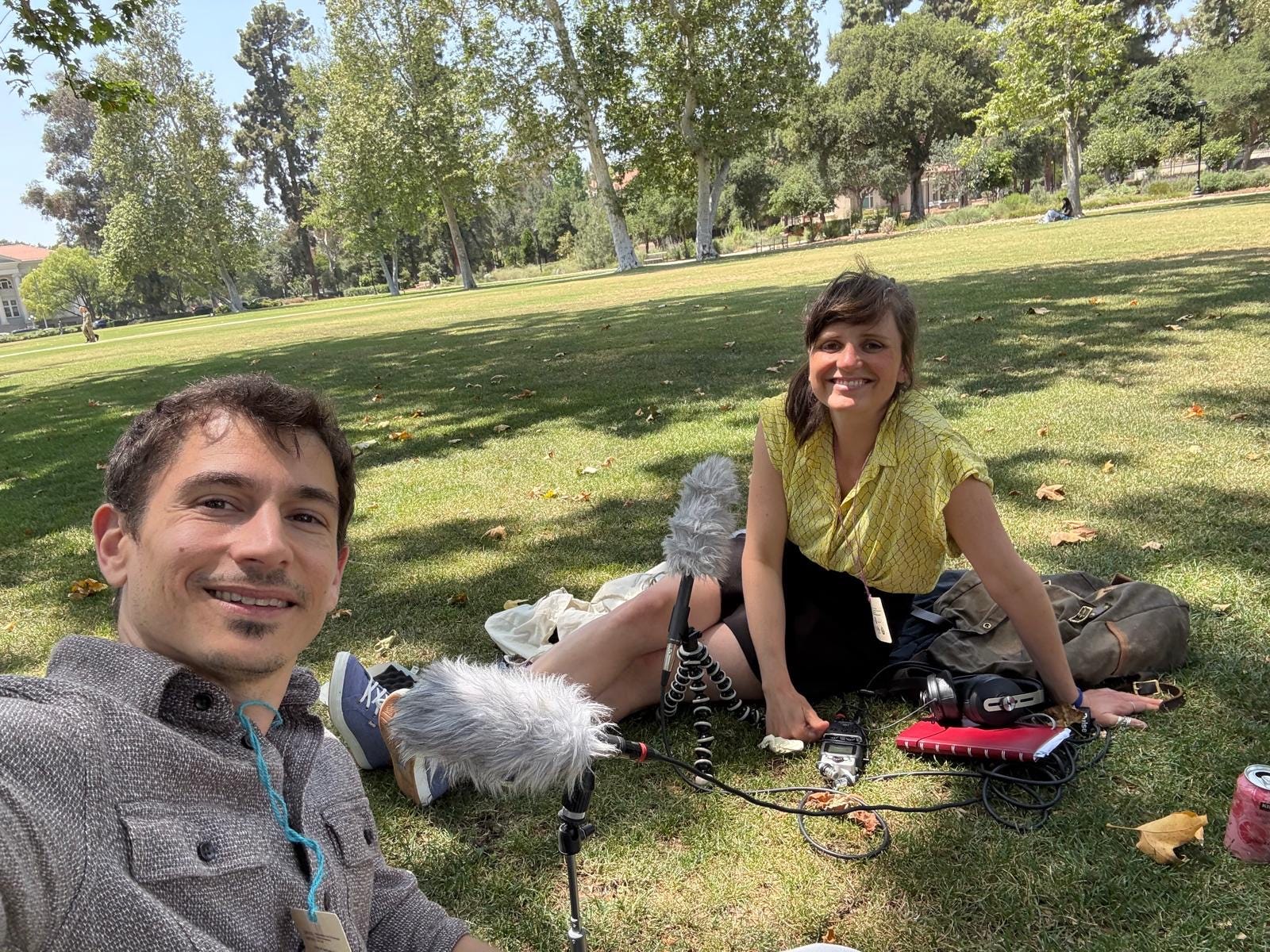
32. God as the poet of the world – on Whitehead's process philosophy // MATTHEW DAVID SEGALL
I was born into a world where many of the things that are most important to me, like art, beauty, relationships, embodied experience, love, and the sacred, are not really considered very important to our understanding of the cosmos. They are thought of as ‘extra fluff’ rather than being at the core of our existence and reality.One of the thinkers who has tried to create a science more attuned to these philosophical questions was mathematician turned philosopher Alfred North Whitehead. In the early 20th century, this really radical time when quantum and relativity theory had begun to undermine the old mechanistic view of physics, Whitehead developed his process philosophy, which focused on the co-creative processes of the world’s becoming, and where lived experience, creativity and a poetic God took centre stage. Matthew David Segall, PhD, is a transdisciplinary philosopher and Associate Professor at California Institute of Integral Studies in San Francisco. His scholarship challenges dualistic and mechanistic paradigms and bridges process philosophy with contemporary science and spirituality. LINKSMatthew David Segall’s website and SubstackCalifornia Institute of Integral StudiesCentre for Process StudiesSHARE AND SUBSCRIBE🎙️ The FoT Substack is now live! Become a free or paid subscriber and receive newsletters direct to your inbox.🎧 All episodes and more at forestofthought.substack.com.💜 Support us on Patreon or Substack.🎵 Our theme music is by Christian Holtsteen. Get full access to Forest of Thought Podcast at forestofthought.substack.com/subscribe







Get this podcast on your phone, Free


Create Your Podcast In Minutes
- Full-featured podcast site
- Unlimited storage and bandwidth
- Comprehensive podcast stats
- Distribute to Apple Podcasts, Spotify, and more
- Make money with your podcast