Reboot For Connection
https://fast.wistia.com/channels/vsyno7o999/rssEpisode List

Ryan Campbell
When we think of a process, we often associate it with a rigid and tedious plan or policy we must follow from A to Z. In this episode, we'll view processes through a different lens.Ryan Campbell, Director Of Business Operations at Alianza, looks at processes as a collaborative and alignment tool that brings people together. He believes processes enable people to become more intentional about their work, focus on things that matter, and as a result, accomplish more. Ryan stresses the importance of process documentation: it’s really challenging to improve a process if you don’t make an effort to document it.Ryan also shares the benefits of information radiators (such as ScreenCloud’s product!) in enhancing transparency, ownership, and accountability, as well as driving a sense of urgency across the company. Last but not least, if you aspire to develop a career in business operations, Ryan has some valuable advice you would not want to miss! --Show notes:Learn more about AlianzaConnect with Ryan Campbell
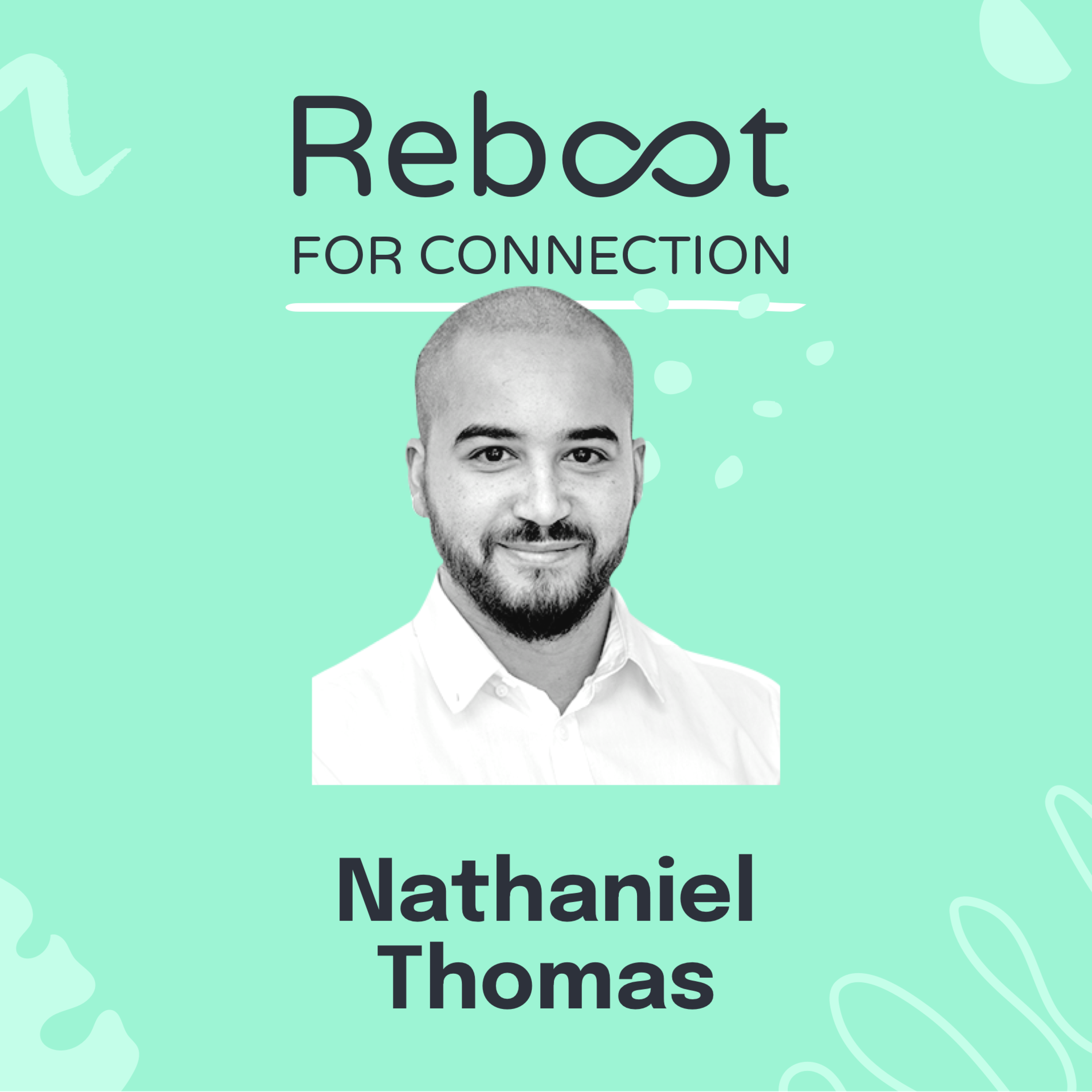
Nathaniel Thomas
For companies searching for the best working environment for their employees post-Covid, the future might be hybrid. An example of the hybrid work model is for employees to spend certain days in the office for team meetings and collaboration and the rest of the time working from home. The framework is flexible and gives people the autonomy to structure their work around their lives. An organization working hard to help businesses better prepare and transition into a hybrid work environment is Ricoh. In today's conversation with their Head of Software Engineering & Design, Nathan Thomas, and their Lead Design Consultant, Dean Bagnall, we'll discover how companies should approach a blended working model and what Ricoh is doing to help. Instead of considering the physical world (in-office) and the digital world (remote) separately, organizations should find ways to mold them together to create an environment where people can work from anywhere, at any time, and still collaborate effectively. Nathan brings up examples of companies that are handling collaboration space mindfully so people can feel safe while getting their jobs done. To learn more about how your company can adapt to a new working era, listen to the full episode!--Show notes:Learn more about RicohConnect with Nathan ThomasConnect with Dean Bagnall

Shawn Cutter & Amber Saba
You might be surprised to hear that free-flowing and timely sharing of information within the cannabis industry, particularly in dispensaries, is stunted and nowhere as modern as the product. To understand why, we invited GreenScreens' CEO & COO, Shawn Cutter and Amber Saba to join today's conversation. As a leading digital signage provider for cannabis dispensaries and brands, GreenScreens takes pride in putting their customers at the center of their business. They operate on the mantra that their success is their client’s success. In this episode, Shawn and Amber talk about how GreenScreens is empowering the cannabis sector to escape the stigma that surrounds it and to thrive by delivering accurate, real-time information to help educate and connect with people. Amber and Shawn also share their experience working with ScreenCloud, how the partnership has enabled them to move quickly and adapt to changes, and help their customers transform their retail experience. Tune in and learn more about information sharing in the cannabis space and what GreenScreens is doing to drive positive changes in this new marketplace. --Show notes:Learn more about GreenScreensConnect with Shawn CutterConnect with Amber Saba
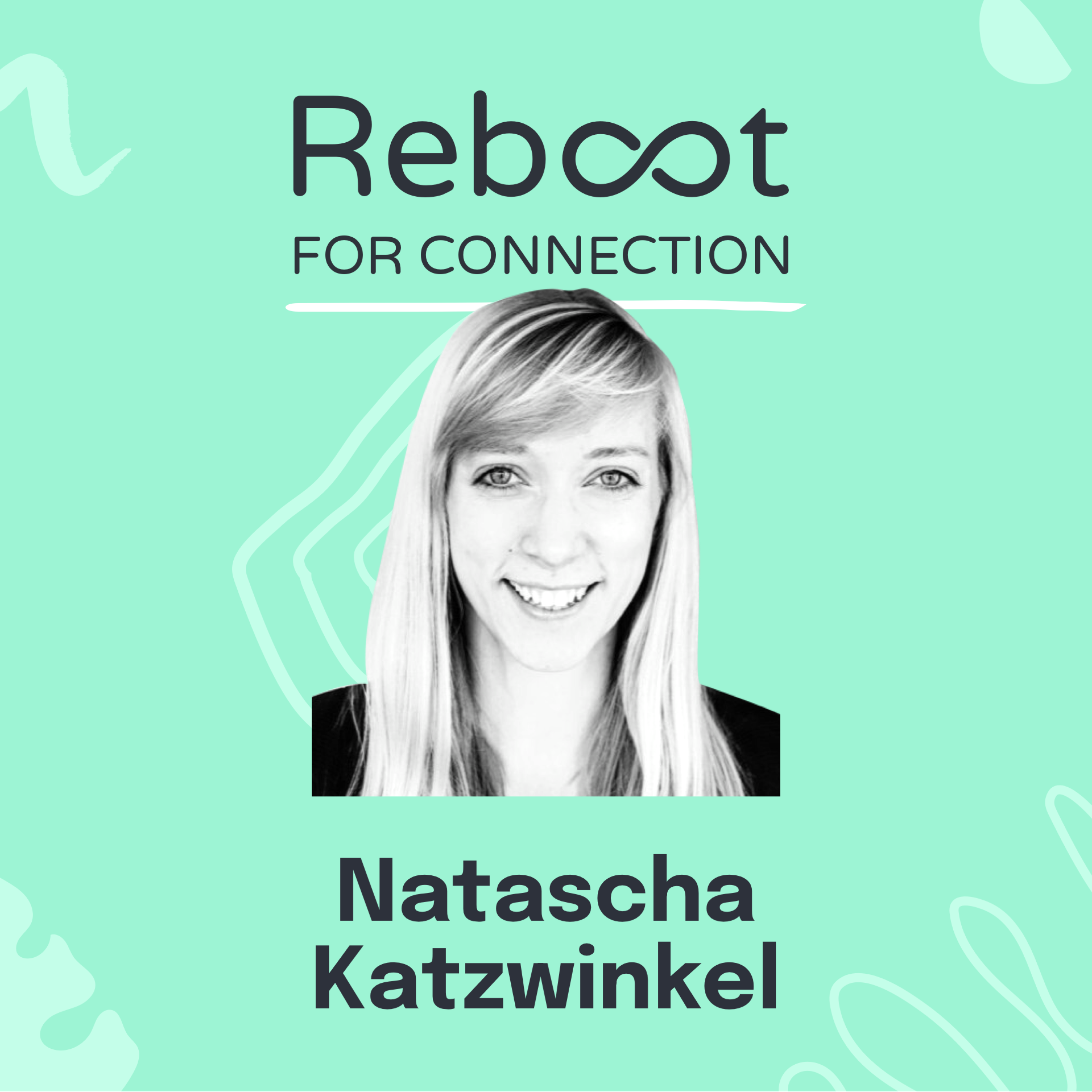
Natascha Katzwinkel
One of the most talked-about mental health problems in the workplace today is burnout. The German-American psychologist Herbert Freudenberger first borrowed the term in the 1970s to describe a state of exhaustion caused by prolonged overwork he observed in his colleagues. Since then, burnout has taken on further definitions and complexity. In this episode with Natascha Katzwinkel, we’ll explore the main components and symptoms of burnout and what leaders can do to help their teams prevent and fight this mental condition. Natascha underlines the importance of vulnerability. She believes that when leaders are vulnerable, they don’t feel threatened by others’ criticism—and that’s where real confidence resides.Natascha also brings a fresh perspective on the topic of conflict at work. We often perceive conflict as a negative thing that threatens what we’ve worked so hard to create. But Natascha suggests that even though it can be uncomfortable and painful, conflict is valuable in helping us learn and grow. Without conflict, there will be no progress. --Show notes:Connect with Natascha Katzwinkel
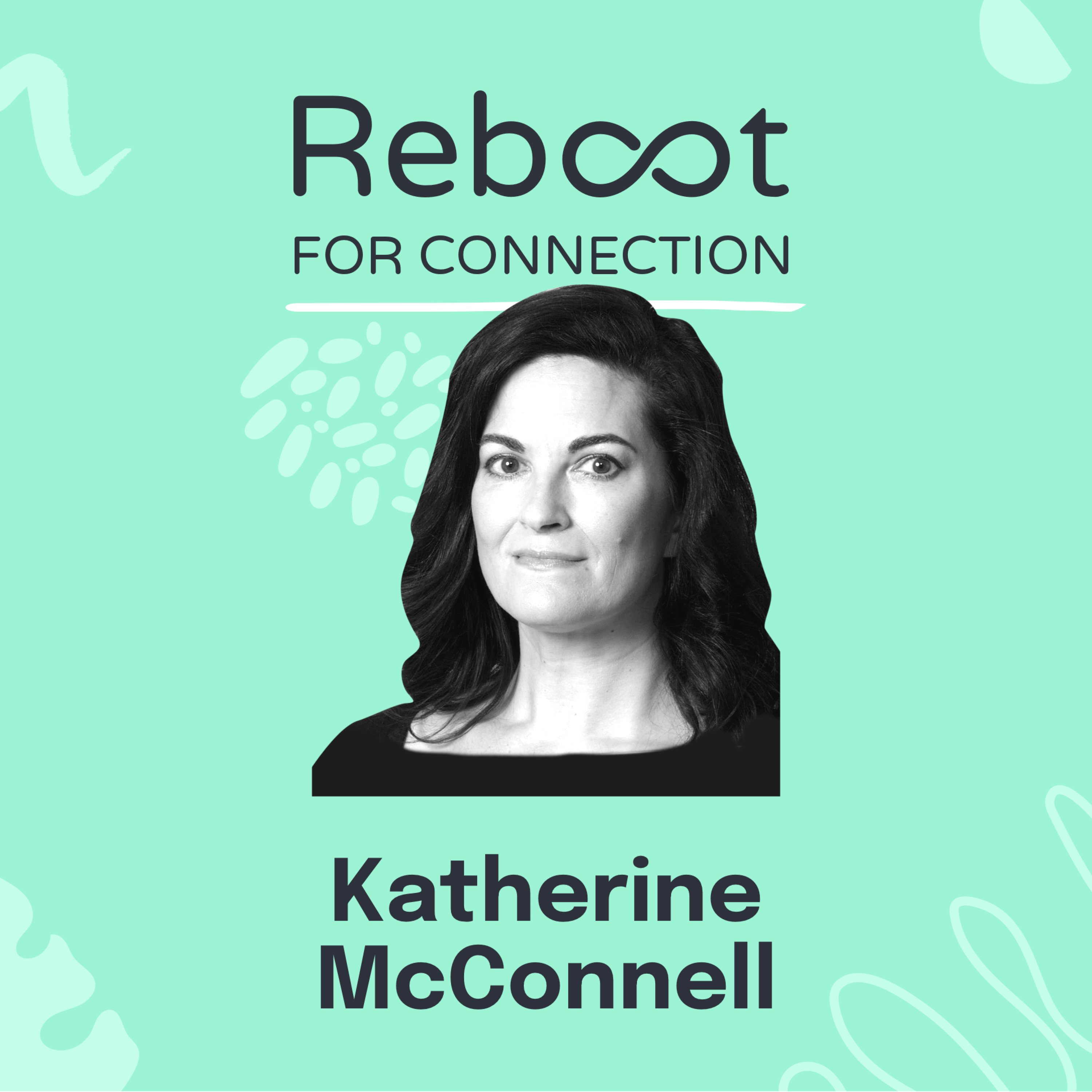
Katherine McConnell
Returning to work after an extended career break can be challenging, even demoralizing. The longer we’ve been away from work, the harder it is to maintain the confidence we once had. As a result, we tend to feel anxious, overwhelmed, and dejected. We underestimate our strengths and capabilities. In this conversation with Katherine McConnell, we’ll explore the inner turmoil and struggles of a successful professional who decided to look for work after spending some time off to take care of her family. Katherine’s track record before her career break, driving substantial revenues and growth at large organizations, is impressive. Yet, when she tried to navigate her way back into the work environment, she was frustrated and disheartened. Listen to the full episode to learn more about Katherine’s story and why companies should do a better job at recognizing people with non-linear career paths, whose curiosity, capabilities, and transferable skills can add incredible value to any teams. -- Show notes:Connect with Katherine McConnell
You may also like









Get this podcast on your phone, Free


Create Your Podcast In Minutes
- Full-featured podcast site
- Unlimited storage and bandwidth
- Comprehensive podcast stats
- Distribute to Apple Podcasts, Spotify, and more
- Make money with your podcast