Episode List
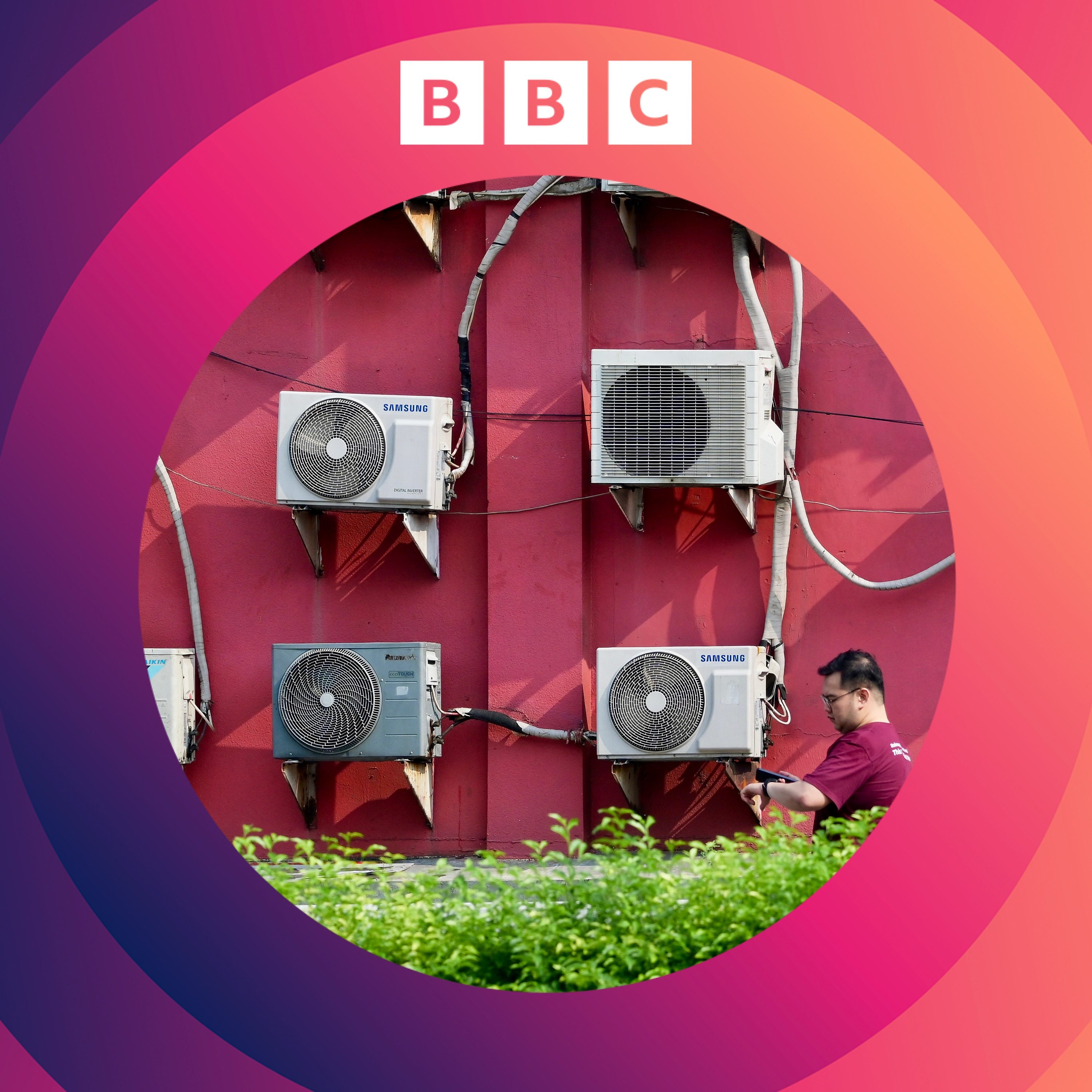
Is air conditioning the answer to extreme heat?
Experts say we may now need to spend more on cooling our homes than heating them because of climate change. In fact, the International Energy Agency thinks the equivalent of 10 new air conditioners every second will be installed for the next 30 years! This surge in air con will put strain on the world’s electricity grids, which are still mostly powered by fossil fuels. The units also pump heat into the streets outside our homes – making cities feel even hotter when we step outside. But there are alternative options – like redesigning houses to include more shading and increase the air flow, or using fans and misting systems. We could also plant more trees or even change the colours of our homes to reflect more sunlight! In this edition of The Climate Question, Host Graihagh Jackson talks to BBC Tokyo Correspondent, Kurumi Mori, and Radhika Khosla, Professor of Environmental Science and Policy at the University of Oxford. Got a question for The Climate Question? Email us: theclimatequestion@bbc.comProducers: Diane Richardson and Melanie Stewart-Smith Sound Mix: Tom Brignell and Ricardo McCarthy Editor: Simon Watts
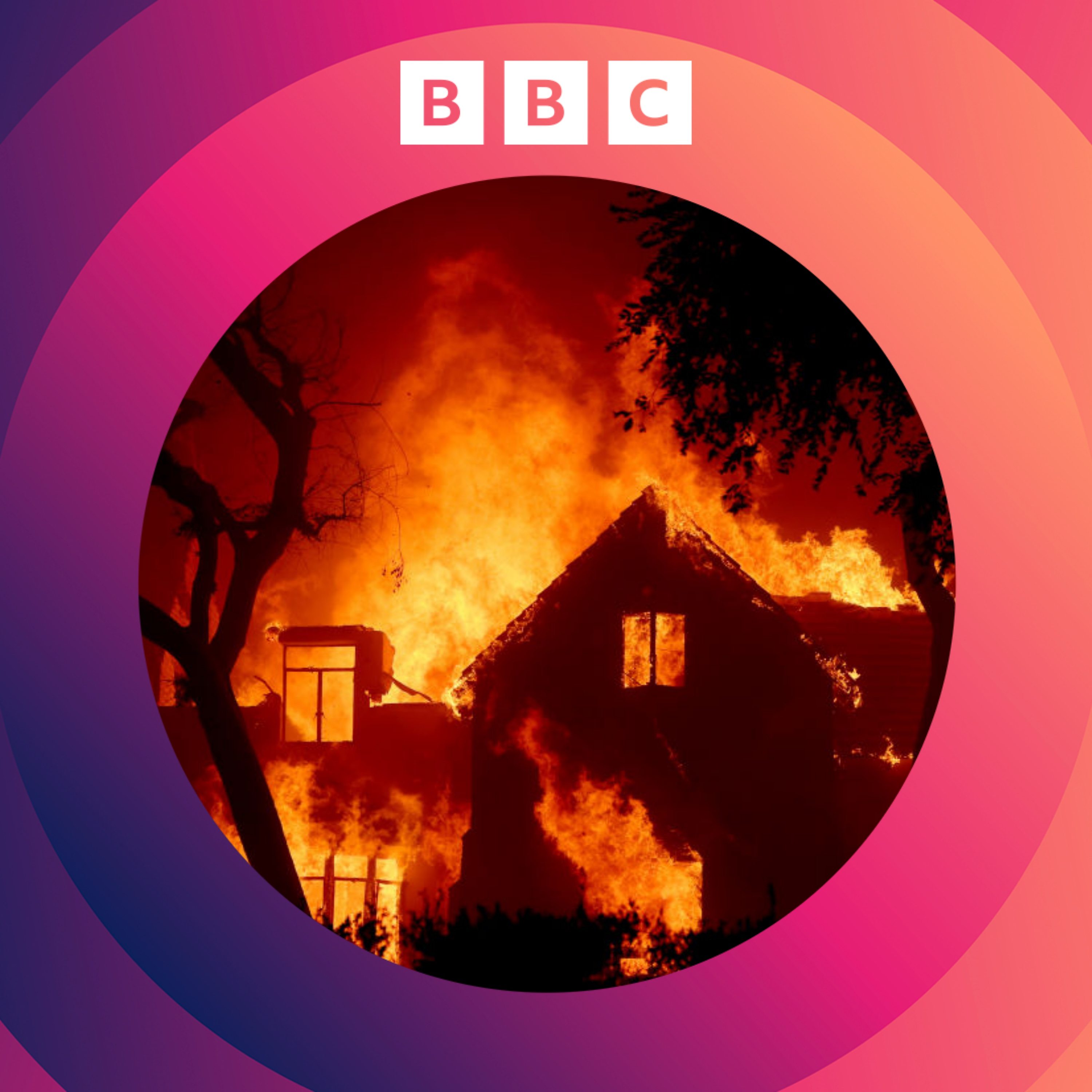
Is this a new era of wildfires?
Huge wildfires have been sweeping across Southern Europe and North America. Is climate change increasing the risk? And what can we do? Weather experts say the world is starting to see new types of wildfire – including enormous Pyrocumulonimbus fire clouds that spit lightning and black hail.These infernos can burn for more than a year. They can also spawn fire tornadoes, which move at more than 200 kilometres an hour, destroying everything in their path. The Climate Question hosts Graihagh Jackson and Jordan Dunbar talk to John Vaillant, the author of “Fire Weather”, about how wildfires are increasing in intensity and frequency, and how they are burning in places they have never burned before. Got a question for The Climate Question? Email us: theclimatequestion@bbc.comProducers: Simon Watts, Diane Richardson and Melanie Stewart-Smith Sound Mix: Tom Brignell and Dafydd Evans Editor: Simon Watts

How is climate change affecting motherhood?
Graihagh Jackson talks to mothers from India, Kenya and the UK about how climate change is affecting women's decisions about whether to have children and how to raise them.Her guests are Bhavreen Kandhari, a clean air campaigner from Delhi; Dr Susan Chomba, a Kenyan forest scientist and environmentalist; and Dr Elizabeth Cripps, a political philosopher specializing in climate justice. This programme was first broadcast in 2025.Got a question for The Climate Question? Email us: theclimatequestion@bbc.comProduced and presented by Graihagh Jackson Sound mix: Tom Brignell and Neil Churchill Editor: Simon Watts

Do climate protests ever work?
Climate activists have blocked highways, scaled oil rigs and even thrown soup at master artworks. But have protests ever made a difference? The modern green movement started in the 1970s when Greenpeace sailed a fishing boat towards a nuclear test site in Alaska. It now encompasses everything from bake-ins and marches to Radiohead concerts. A small minority of activists even favour breaking the law to raise awareness about climate change. Some of them have superglued themselves to railings and blocked bridges. BBC Climate Editor Justin Rowlatt has made a new podcast series about the green movement – and the heated splits among activists about tactics. He talks to Climate Question hosts Graihagh Jackson and Jordan Dunbar about the past - and future - of climate protest. You can hear Ten Fights That Made the Green Movement here: https://www.bbc.co.uk/programmes/m002ybblGot a question for The Climate Question? Email us: theclimatequestion@bbc.comProducers: Simon Watts, Diane Richardson and Ellie House Sound Mix: Mike Regaard Editor: SImon Watts
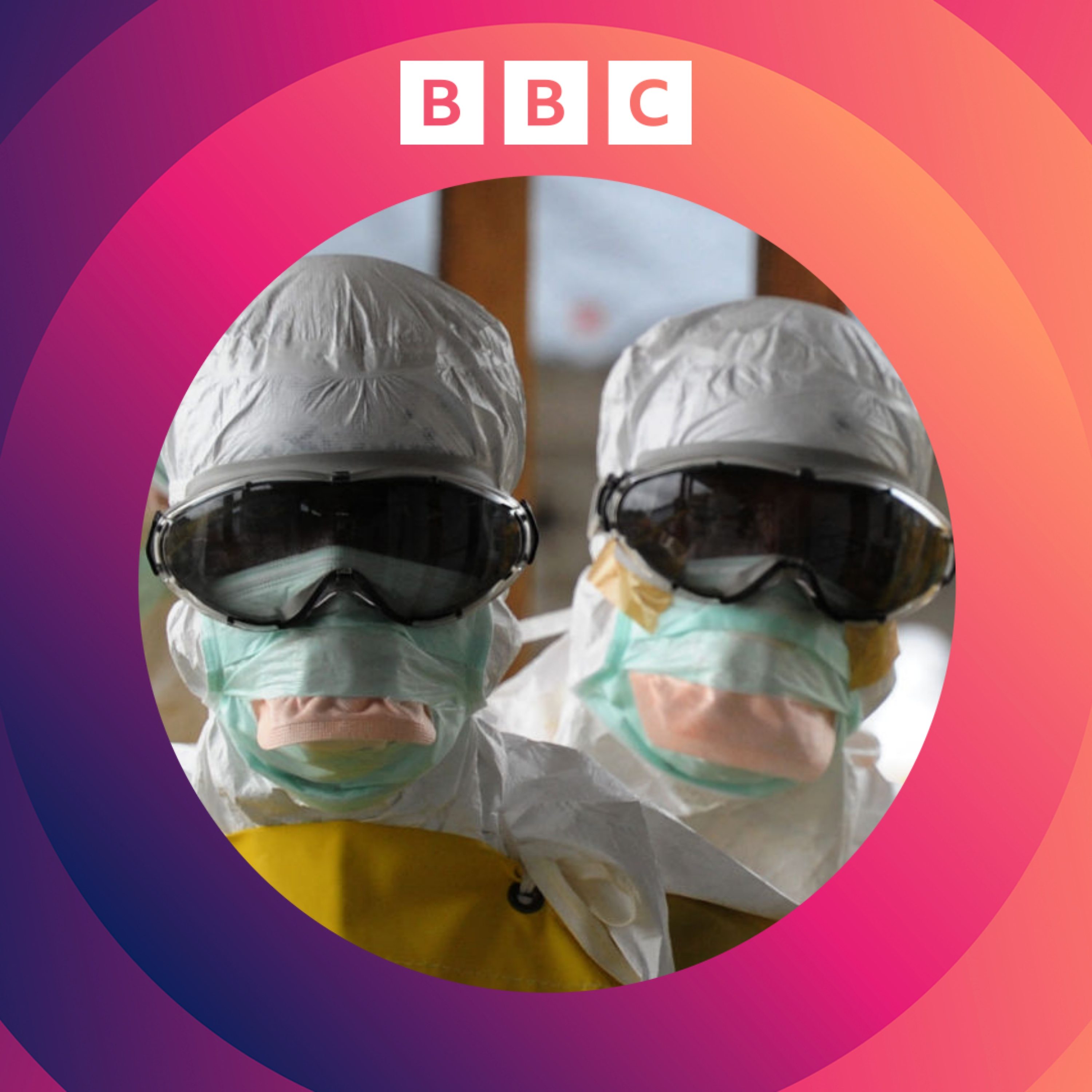
Could climate change fuel an epidemic?
Scientists are warning that climate change and deforestation increase the risk of outbreaks of deadly diseases. How big is the danger? And what action can we take? Dr Neil Vora is a so-called “disease doctor” - an epidemiologist who has travelled the world to help trace the sources of outbreaks of Ebola, cow pox and rabies. Dr Vora tells The Climate Question hosts Graihagh Jackson and Jordan Dunbar about his specialism in zoonotic diseases, which are caused by infections passing from animals to humans. He is worried that the combination of climate change and cutting down forests will lead to more human-animal contact, and that the higher stress levels experienced by animals such as bats and monkeys will make them more likely to pass on deadly pathogens. Dr Vora says we need to act now to protect forests and avoid the possibility of epidemics or even a pandemic. Neil Vora started his career at the US Centres For Diseases Control and Prevention. He is now Executive Director at the Preventing Pandemics at the Source Coalition. Got a question for The Climate Question? Email us: theclimatequestion@bbc.comProducers: Diane Richardson, Jordan Dunbar and Melanie Stewart-Smith Sound Mix: Dafydd Evans and Tom Brignell Editor: Simon Watts



Get this podcast on your phone, Free


Create Your Podcast In Minutes
- Full-featured podcast site
- Unlimited storage and bandwidth
- Comprehensive podcast stats
- Distribute to Apple Podcasts, Spotify, and more
- Make money with your podcast
