
Episode List
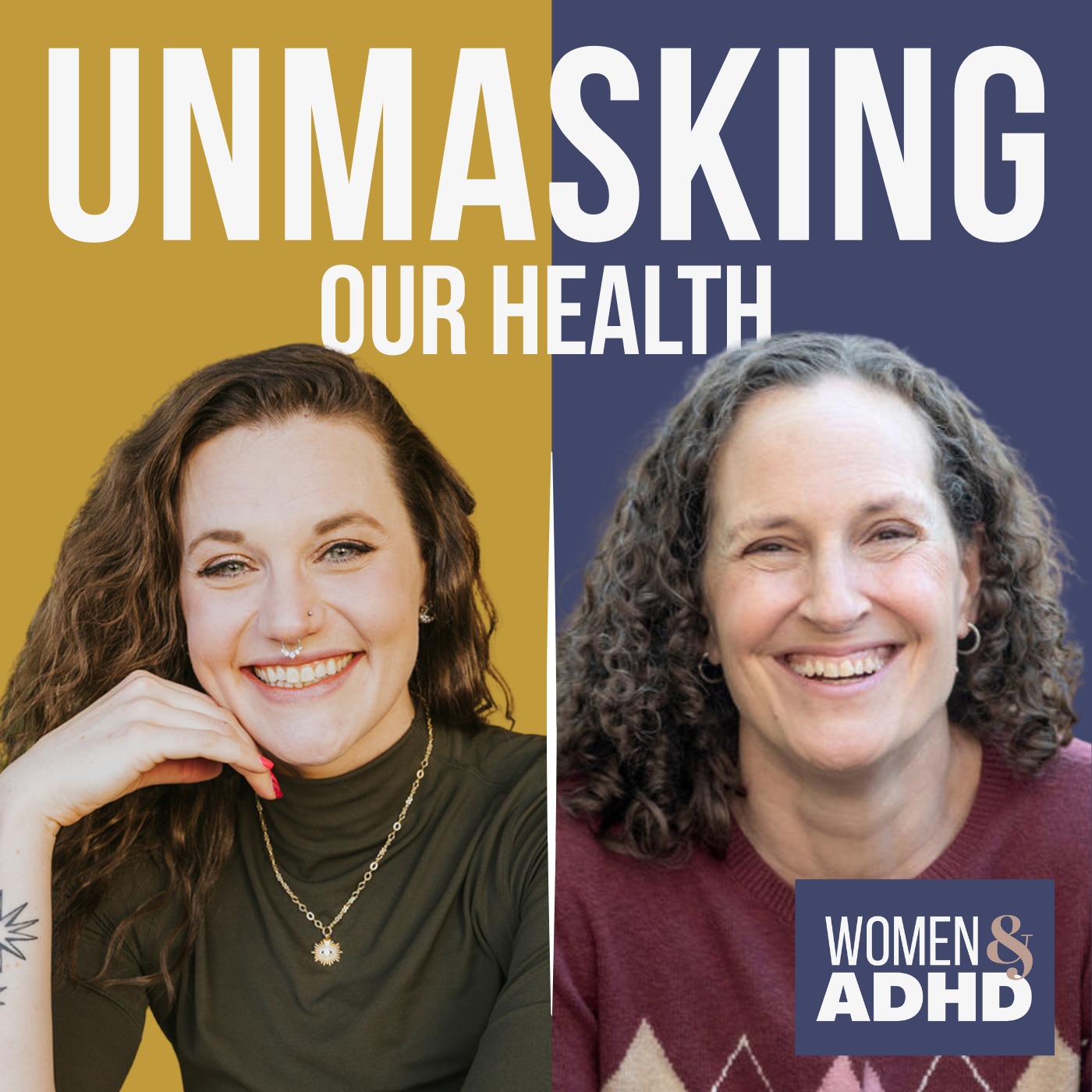
Unmasking Our Health: GLP-1s & ADHD
Episode 213 with Katy Weber & Kalin JohnsonIn this first episode of our new series “Unmasking Our Health,” host Katy Weber teams up with cohost Kalin Johnson, PharmD, to explore a side of ADHD in women that isn’t talked about enough: What it’s like to live in a neurodivergent body. After years of interviewing late‑diagnosed women and seeing the same patterns — chronic pain, fatigue, autoimmune issues, hormonal chaos, gut problems, “mystery” symptoms — Katy created the Unmasking Our Health series to explore the bigger questions behind neurodivergence: What if ADHD isn’t just about our brains, but about our whole bodies — and how and why is the medical system missing the full picture?Our first topic for discussion: the explosion of GLP-1 medications (think Ozempic, Wegovy, Mounjaro) and what their surprising, wide-reaching effects are revealing about the deeply intertwined relationship between metabolic health, inflammation, hormones, and ADHD.In this episode, we cover:What is metabolic psychiatry? And why it's expanding how we understand ADHD beyond just dopamine and norepinephrineGLP-1 medications and ADHD — what patients are actually reporting (quieter brain, less emotional reactivity, reduced compulsive behaviors, improved executive functioning)The inflammation connection — how chronic neuroinflammation creates "cognitive drag" and why reducing it may give the ADHD brain more bandwidthThe vagus nerve and GLP-1 receptors — a fascinating look at how the gut communicates with the brain (and why 80% of vagal fibers run from the body to the brain, not the other way around!)Estrogen, perimenopause, and metabolic decline — why women over 50 are going on GLP-1s faster than any other populationDrug interactions (and physiologic interactions) — what to watch for if you're on stimulants, SSRIs, or HRT while starting a GLP-1Food noise, reward-seeking, and binge eating — what GLP-1s are actually doing in the brain's dopamine reward circuits, and what that means for neurodivergent women with disordered eating historiesWhere is all of this going? Kalin shares her genuinely optimistic vision for how GLP-1 research is opening the door to a more holistic, systemic understanding of neurodivergent women's healthNote: Nothing in this episode constitutes medical advice. Always consult with your physician and pharmacist before starting, stopping, or changing any medication.Kalin’s website: kalinjohnson.comInstagram: @kalinpharmdLinks & Resources:Listen to Kalin's first episode: Episode 97 (August 2022)Have a topic you want Katy and Kalin to cover? Contact us- - - - - Episode edited by E Podcast Productions- - - - -Women & ADHD coaching: www.womenandadhd.com/coaching- - - - -Work 1-on-1 with Katy: www.womenandadhd.com/katy- - - - -Order the “Hey, it’s ADHD!” course: www.womenandadhd.com/adhdcourse- - - - -Did you love this episode? Click here to pledge a one-time donation to the podcast!- - - - -If you are a woman who was diagnosed with ADHD and you’d like to apply to be a guest on this podcast, visit womenandadhd.com/podcastguest.Instagram: @womenandadhdpodcastTiktok: @womenandadhdpodcastTwitter: @womenandadhdFacebook: @womenandadhdAdvertising Inquiries: https://redcircle.com/brandsPrivacy & Opt-Out: https://redcircle.com/privacy
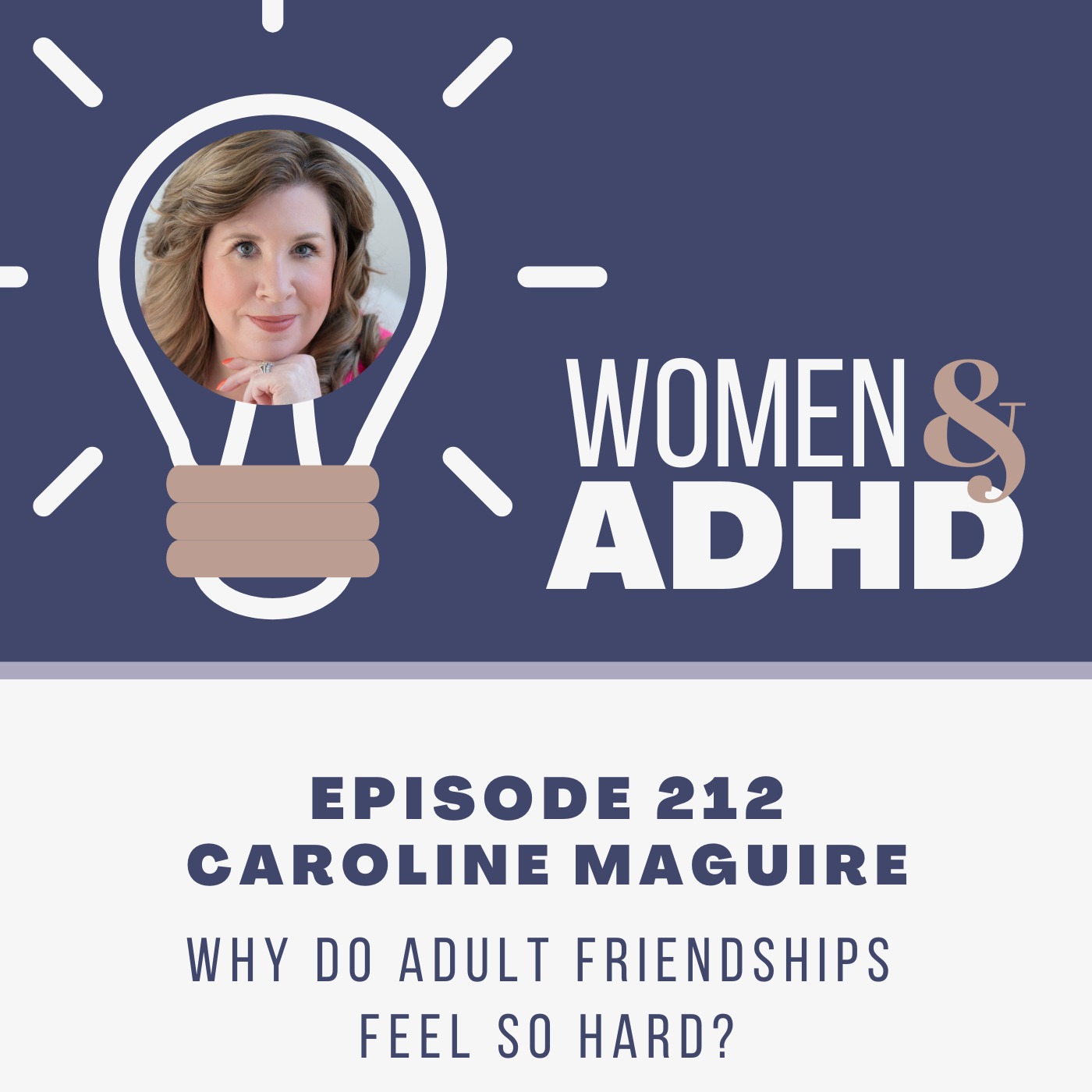
Caroline Maguire: Why do adult friendships feel so hard?
Episode 212 with Caroline Maguire“All the kids I worked with were like, 'I would love to have a friend.' All the adults were like, 'Something's wrong with me, I don't have friends.' And I was like — no, no, no. Nothing's wrong with you.”Caroline Maguire is an ADHD coach, friendship expert, and author of the new book, “Friendship Skills for Neurodivergent Adults: A Guide for the Anxious, Uniquely Wired, and Easily Distracted.” If you’ve ever felt like you missed the “how to be a friend” manual — or that you can do intense one‑on‑one connection but still don’t feel like you truly belong anywhere — this conversation is for you.We dig into why neurodivergent wiring affects the way we show up in friendships, and what it actually looks like to build connection on our own terms. Caroline offers a deeply neuroaffirming roadmap to adult friendship, with language for patterns many of us have felt but never named, plus practical tools that don’t ask you to mask or be “less” of yourself.Key topics discussed:Caroline’s journey into ADHD coaching and why friendship became her nicheThe difference between connection vs. belonging for neurodivergent adultsKey friendship mindsets: scarcity thinking, all‑or‑nothing, anxious over‑correcting, and the impulsive friendship cycleFortressing: what it is, why we do it, and how it protects and isolates usThe five levels of friendship and how mismatched expectations create painCommunirelating: explaining how your brain works without apologizing for itPractical strategies for structured socializing and automating check‑insWebsite: carolinemaguireauthor.comInstagram: @authorcarolinemLinks & Resources:Friendship Skills for Neurodivergent Adults by Caroline MaguireCaroline’s Youtube channel- - - - - Episode edited by E Podcast Productions- - - - -Women & ADHD coaching: www.womenandadhd.com/coaching- - - - -Work 1-on-1 with Katy: www.womenandadhd.com/katy- - - - -Order the “Hey, it’s ADHD!” course: www.womenandadhd.com/adhdcourse- - - - -Did you love this episode? Click here to pledge a one-time donation to the podcast!- - - - -If you are a woman who was diagnosed with ADHD and you’d like to apply to be a guest on this podcast, visit womenandadhd.com/podcastguest.Instagram: @womenandadhdpodcastTiktok: @womenandadhdpodcastTwitter: @womenandadhdFacebook: @womenandadhdAdvertising Inquiries: https://redcircle.com/brandsPrivacy & Opt-Out: https://redcircle.com/privacy
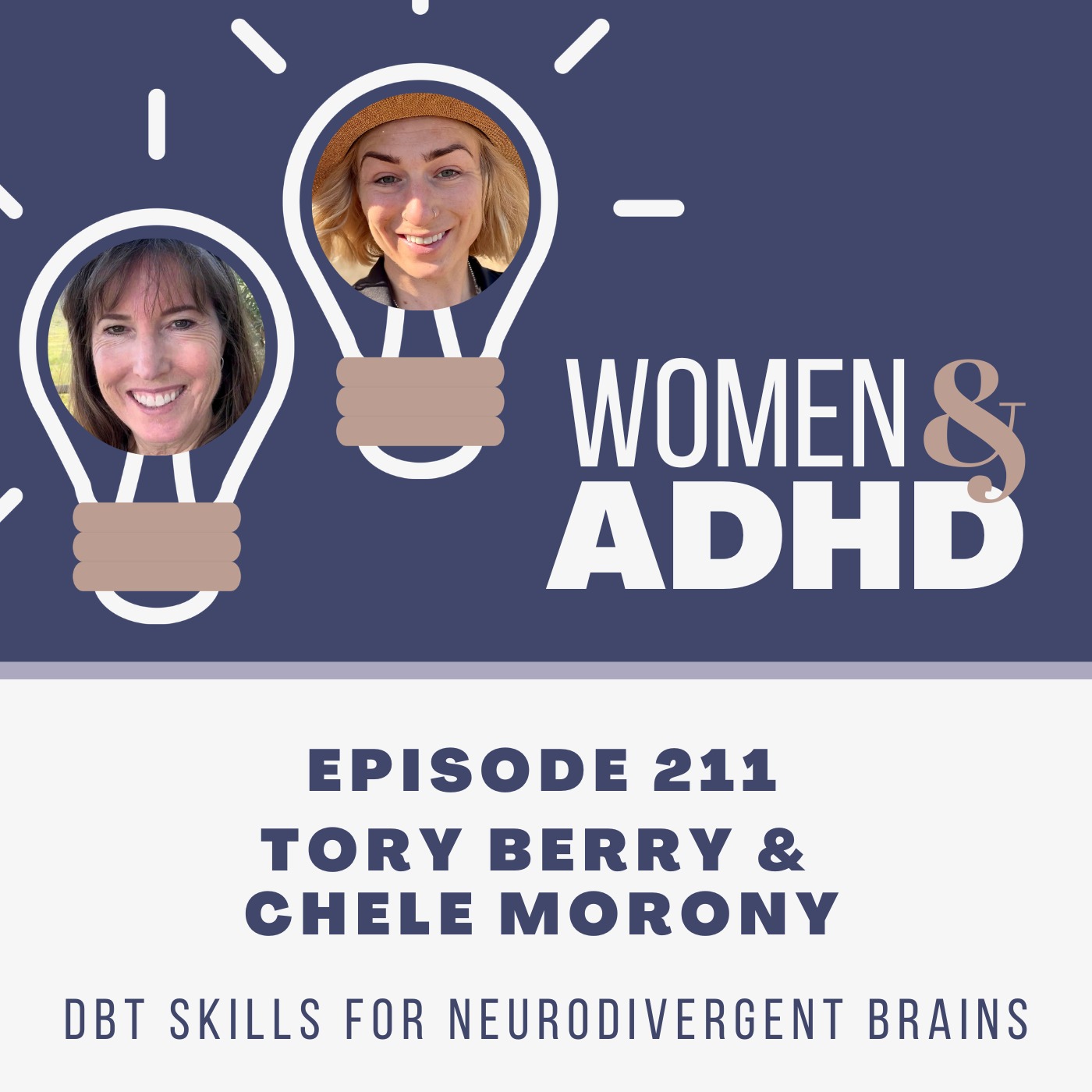
Tory Berry & Chele Morony: DBT skills for neurodivergent brains
Episode 211 with Tory Berry & Chele Morony“People say DBT is for borderline personality disorder. I’m like, what are you talking about? DBT is for everyone. One of the most common refrains that we hear in the group is ‘Where has this been? I needed this in high school!’”This episode combines two of my favorite topics: ADHD coaching and Dialectical Behavior Therapy (DBT)!Tory and Chele are a mother-daughter duo from Southern California who have created something really special in the neurodivergent support space. Tory is the founder of ADHD Works Now, and she is also one of our amazing ADHD coaches at Women & ADHD.Tory was diagnosed with both ADHD and autism in adulthood, and she’s channeled her own lived experience into helping other neurodivergent adults through 1-on-1 coaching and specially adapted DBT groups.Chele is a Licensed Clinical Social Worker with over 35 years of experience. She is also Tory’s business partner, bringing a clinical perspective to their work together.We talk about Tory’s adult diagnosis and how Chele missed her ADHD and autism in childhood, despite her own clinical training.We also talk about the fundamentals of DBT, and how the focus on validation, acceptance, and practical skill development makes it particularly powerful for neurodivergent clients who've spent years asking, “What’s wrong with me?” And Tory & Chele share about their collaborative group approach and how they’re making DBT skills applicable to the neurodivergent experience.Tory & Chele’s DBT groups fill up quickly. The June cohort is already full, but you can sign up at the link below for the next cohort waitlist.Key topics discussed:Tori's journey from adult ADHD/autism diagnosis to becoming an ADHD coachThe missed signs of ADHD in girls and womenHow DBT skills can be adapted for neurodivergent brainsThe importance of validation vs. invalidating environmentsMasking vs. authenticity — when and how to be "legible”The intersection of coaching and therapyRunning neurodivergent-friendly DBT groupsWebsite: adhdworksnow.comLinks & Resources:womenandadhd.com/toryDBT skills group waitlist- - - - - Episode edited by E Podcast Productions- - - - -Women & ADHD coaching: www.womenandadhd.com/coaching- - - - -Work 1-on-1 with Katy: www.womenandadhd.com/katy- - - - -Order the “Hey, it’s ADHD!” course: www.womenandadhd.com/adhdcourse- - - - -Did you love this episode? Click here to pledge a one-time donation to the podcast!- - - - -If you are a woman who was diagnosed with ADHD and you’d like to apply to be a guest on this podcast, visit womenandadhd.com/podcastguest.Instagram: @womenandadhdpodcastTiktok: @womenandadhdpodcastTwitter: @womenandadhdFacebook: @womenandadhdAdvertising Inquiries: https://redcircle.com/brandsPrivacy & Opt-Out: https://redcircle.com/privacy
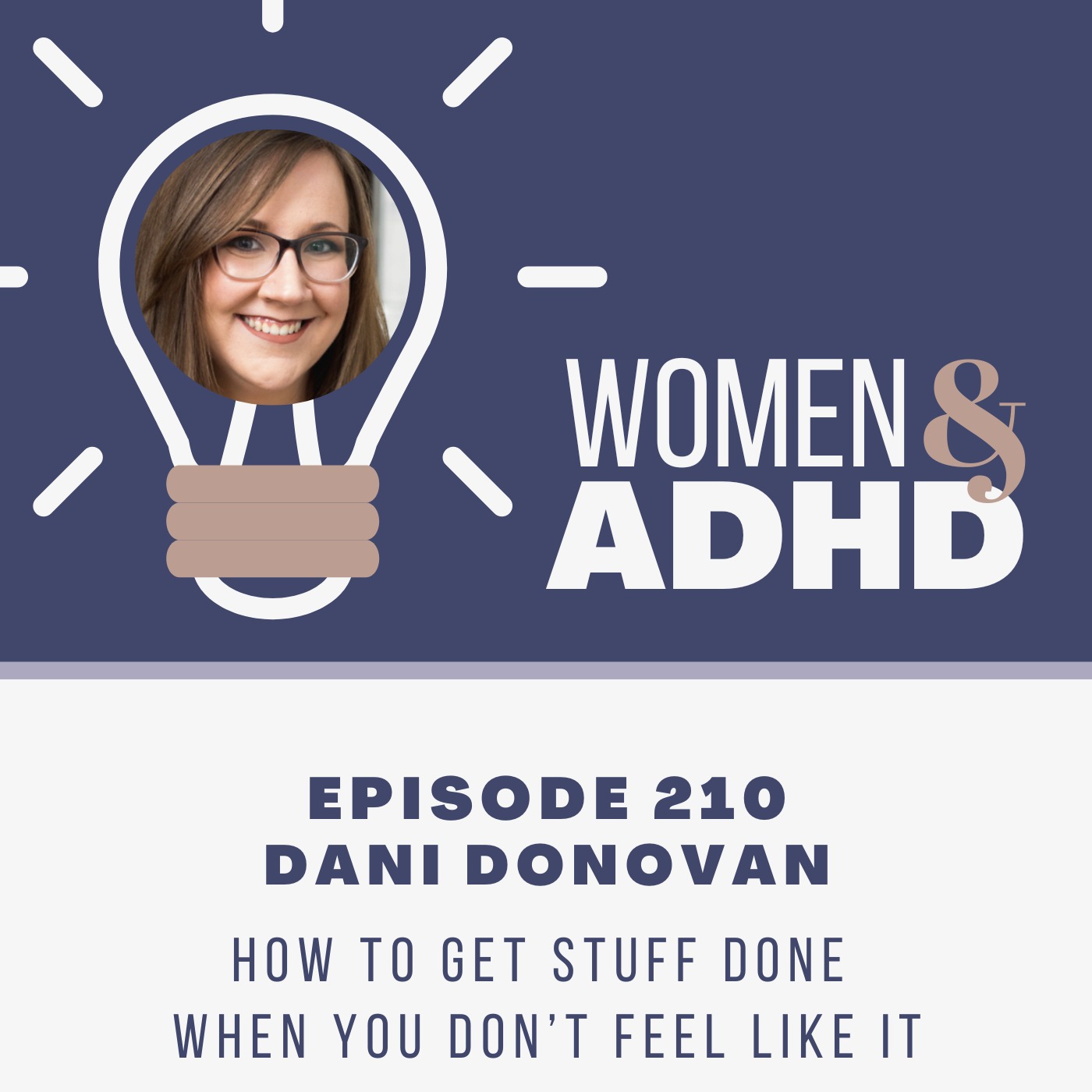
Dani Donovan: How to get stuff done when you don’t feel like it
Episode 210 with Dani Donovan“I either get 30 minutes worth of work done in 8 hours or 8 hours worth of work done in 30 minutes — those are the only two options.”Dani is an ADHD content creator, speaker, and the celebrated author of “The Anti-Planner: How to Get Sh*t Done When You Don't Feel Like It.”Dani became an overnight sensation when a flowchart she drew mapping out her winding, ADHD storytelling style went viral on Twitter. Since then, she has built a massive community by bringing radical vulnerability, humor, and data visualization to the neurodivergent experience. She’s spoken at major companies like Microsoft, Amazon, and Adobe, and she is the founder of The Anti-Boring Project.We dive deep into misconceptions about ADHD, including being told you are “too smart to have ADHD.” Dani shares her story of growing up with teachers who dismissed her mother's ADHD inquiries because she was getting good grades. We also explore the magic behind visual storytelling for ADHD brains, why traditional productivity systems tend to fail us, and how the “Anti-Planner” organizes strategies based on your current emotional resistance — such as feeling stuck, overwhelmed, or unmotivated.Plus, Dani shares some exclusive details about an exciting new app she is prototyping! Key topics discussed:How teachers dismissed her ADHD symptoms because she was "too smart"The therapist who recognized Dani’s ADHD through her communication styleGrowing up questioning authority and fighting unfairnessWhy ADHD brains connect with infographics and memesHow a workplace joke became a career-defining momentFinding people with matching scars and shared experiencesThe Anti-Planner origins: From business field guide to revolutionary productivity systemThe five categories of executive dysfunction (stuck, overwhelmed, unmotivated, disorganized, discouraged)Perfectionism vs. Experimentation: Permission to keep quitting and trying new approachesExclusive preview of Dani’s upcoming ADHD productivity appWebsite: anti-planner.comInstagram: @danidonovanTiktok: @danidonovanLinks & Resources:The Anti-Planner: How to Get Sh*t Done When You Don't Feel Like It- - - - - Episode edited by E Podcast Productions- - - - -Women & ADHD coaching: www.womenandadhd.com/coaching- - - - -Work 1-on-1 with Katy: www.womenandadhd.com/katy- - - - -Order the “Hey, it’s ADHD!” course: www.womenandadhd.com/adhdcourse- - - - -Did you love this episode? Click here to pledge a one-time donation to the podcast!- - - - -If you are a woman who was diagnosed with ADHD and you’d like to apply to be a guest on this podcast, visit womenandadhd.com/podcastguest.Instagram: @womenandadhdpodcastTiktok: @womenandadhdpodcastTwitter: @womenandadhdFacebook: @womenandadhdAdvertising Inquiries: https://redcircle.com/brandsPrivacy & Opt-Out: https://redcircle.com/privacy
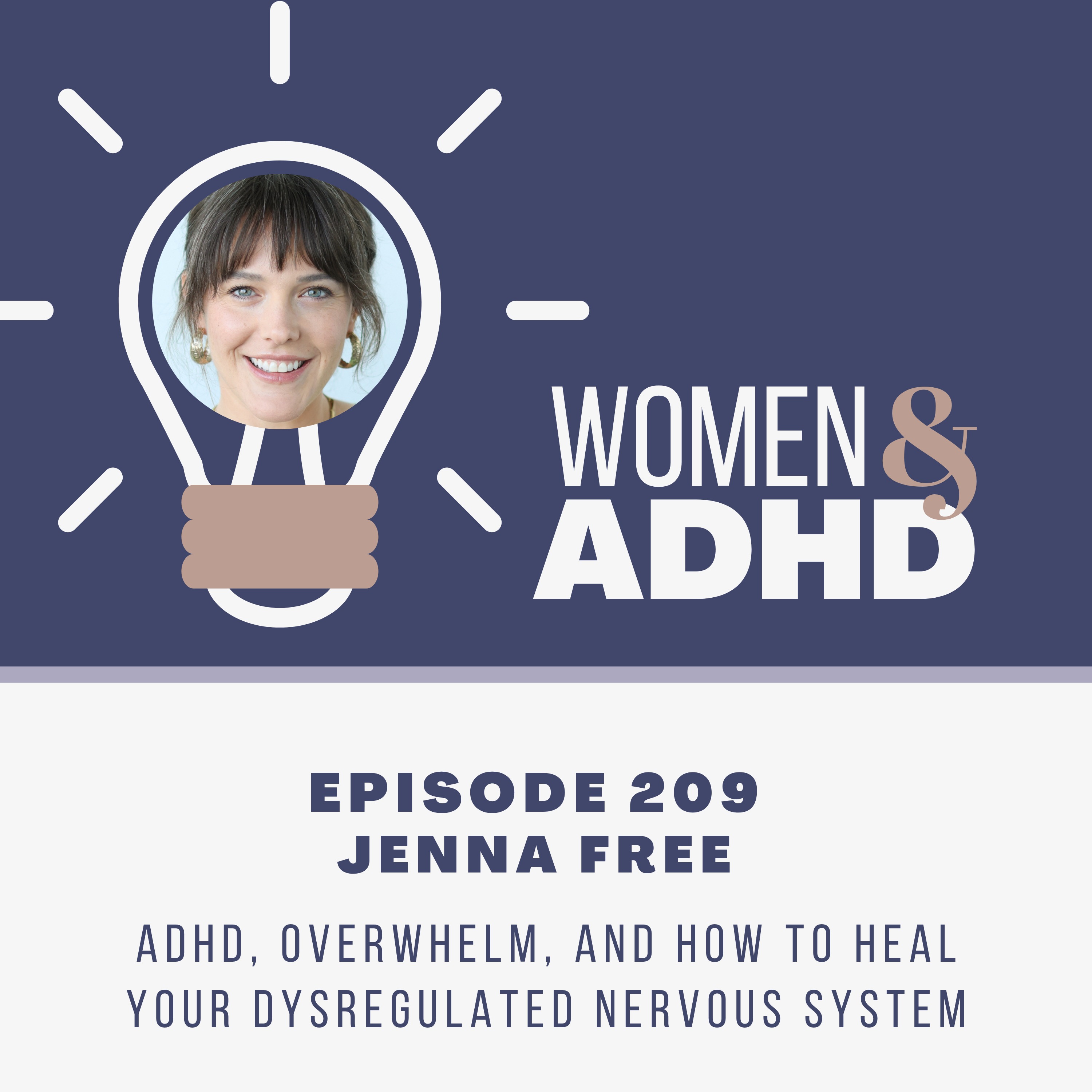
Jenna Free: ADHD, overwhelm, and how to heal your dysregulated nervous system
Episode 209 with Jenna Free“I think the biggest issue is with the current ADHD narrative. People are confusing ‘fight or flight’ and ADHD; they're putting it in a bundle and calling it ADHD. Then people believe, ‘Well, this is how hard it needs to be.’”Jenna is a therapist living in Calgary, Alberta, who not only specializes in ADHD but also has ADHD herself. Jenna was diagnosed with ADHD at 32 while in grad school with two young children – so yes, she gets the overwhelm. But instead of accepting the standard narrative that ADHD women are just destined to live in a constant state of frantic energy followed by crashes, she started asking a different question: What if the struggle isn't actually inevitable? What if what we're calling "ADHD symptoms" are actually signs of a nervous system stuck in chronic fight-or-flight?In this episode, we'll dive into Jenna's journey, her insights on ADHD regulation, and how she helps others through her ADHD regulation groups and certification program. We also chat about her brand new book, “The Simple Guide to ADHD Regulation: The Secret to Finding Balance, Getting Things Done, and Enjoying Your Life.”Key topics discussed:The difference between ADHD traits and fight-or-flight responsesInternal vs. external regulation strategiesWhy overwhelm is actually a cognitive distortion and sign of dysregulationThe role of belief work in nervous system regulationHow regulation can actually increase productivity and capacityThe power of group work for ADHD healingChallenging the narrative that ADHD struggle is inevitableWebsite: jennafree.comInstagram: @adhdwithjennafreeLinks & Resources:Jenna’s book: The Simple Guide to ADHD Regulation: The Secret to Finding Balance, Getting Things Done, and Enjoying Your LifeJenna’s podcast: ADHD with Jenna FreeDr. Anita Johnston's The Log- - - - - Episode edited by E Podcast ProductionsFind the transcript of this episode at www.womenandadhd.com/transcripts- - - - -Women & ADHD coaching: www.womenandadhd.com/coaching- - - - -Work 1-on-1 with Katy: www.womenandadhd.com/katy- - - - -Order the “Hey, it’s ADHD!” course: www.womenandadhd.com/adhdcourse- - - - -Did you love this episode? Click here to pledge a one-time donation to the podcast!- - - - -If you are a woman who was diagnosed with ADHD and you’d like to apply to be a guest on this podcast, visit womenandadhd.com/podcastguest.Instagram: @womenandadhdpodcastTiktok: @womenandadhdpodcastTwitter: @womenandadhdFacebook: @womenandadhdAdvertising Inquiries: https://redcircle.com/brandsPrivacy & Opt-Out: https://redcircle.com/privacy





Get this podcast on your phone, Free


Create Your Podcast In Minutes
- Full-featured podcast site
- Unlimited storage and bandwidth
- Comprehensive podcast stats
- Distribute to Apple Podcasts, Spotify, and more
- Make money with your podcast
