
Insights with Don Mills and David Campbell- An Acadia Broadcasting Podcast
https://feeds.transistor.fm/insights-with-don-mills-and-david-campbellEpisode List

Building New Brunswick’s Future Workforce
On this week’s Insights podcast, Don and David speak with Mary Butler, President and CEO of the New Brunswick Community College. The NBCC has six campuses, 1,200 employees, 5,500 full-time students and 13,000 total learners each year. Enrolment has been rising, and the college boasts a 90 percent graduation rate. Butler and her team are rethinking the role of college education in New Brunswick, tackling issues such as international skills recognition, strengthening college entry pathways for high school students and embracing artificial intelligence (AI). As the NEET rate among young New Brunswickers (those Not in Employment, Education and Training) is rising, she sees a golden opportunity for the NBCC.

The fastest growing university in Atlantic Canada - Bruce Fawcett, President and Vice-Chancellor of Moncton-based Crandall University
On this week’s Insights podcast, Don and David speak with Bruce Fawcett, the outgoing President and Vice-Chancellor of Moncton-based Crandall University. After 14 years at the helm, Fawcett is retiring in August. During his tenure, Crandall University has increased enrolment from 750 to nearly 2,000 students, eliminated its debt and is building up the university’s endowment funds. The university has expanded programs and now attracts hundreds of international students every year.Fawcett reflects on his tenure at Crandall University, the importance of entrepreneurial thinking and the role that Crandall plays in turning out graduates that meet workforce demand across the province. He estimates 85 percent of international graduates stay in the province.

The Largest Blueberry Producer in the World
This week's Insight Podcast features an in-depth and revealing conversation with Lee Bragg, the Executive Vice Chair of Eastlink, one of the companies in the Bragg Group of Companies, one of Atlantic Canada's most successful family companies. The early history of the Bragg family was in forestry, but John Bragg's decision to build a manufacturing facility in Oxford in 1968 marked the beginning of the shift of the wild blueberry sector from a cottage industry to a scalable, large-scale business. In 1968, the total production of wild blueberries in North America was about 200,000 pounds. Now, production exceeds 140 million pounds annually. Today, Oxford Frozen Foods represents nearly half of all the blueberries produced in North America and has plants in Nova Scotia, New Brunswick and Maine with 220 million pounds of storage capacity. Along the way, the company has become the largest beekeeper in Canada, with nearly 40,000 hives to pollinate its 45,000 acres of blueberry fields under its management. Employment at the Bragg Group peaks at nearly 10,000 during the growing season. The Group of Companies includes airport services, renewable energy, forestry, cable, hospitality (including the Rodd Hotel Chain and Cabot Cliffs and Links) and real estate development. The company recently purchased 435,000 acres of forest land, previously owned by Northern Pulp, from the Province of Nova Scotia, making Bragg's one of the largest landowners in the province. This podcast is a rare insider view of a spectacularly successful company.
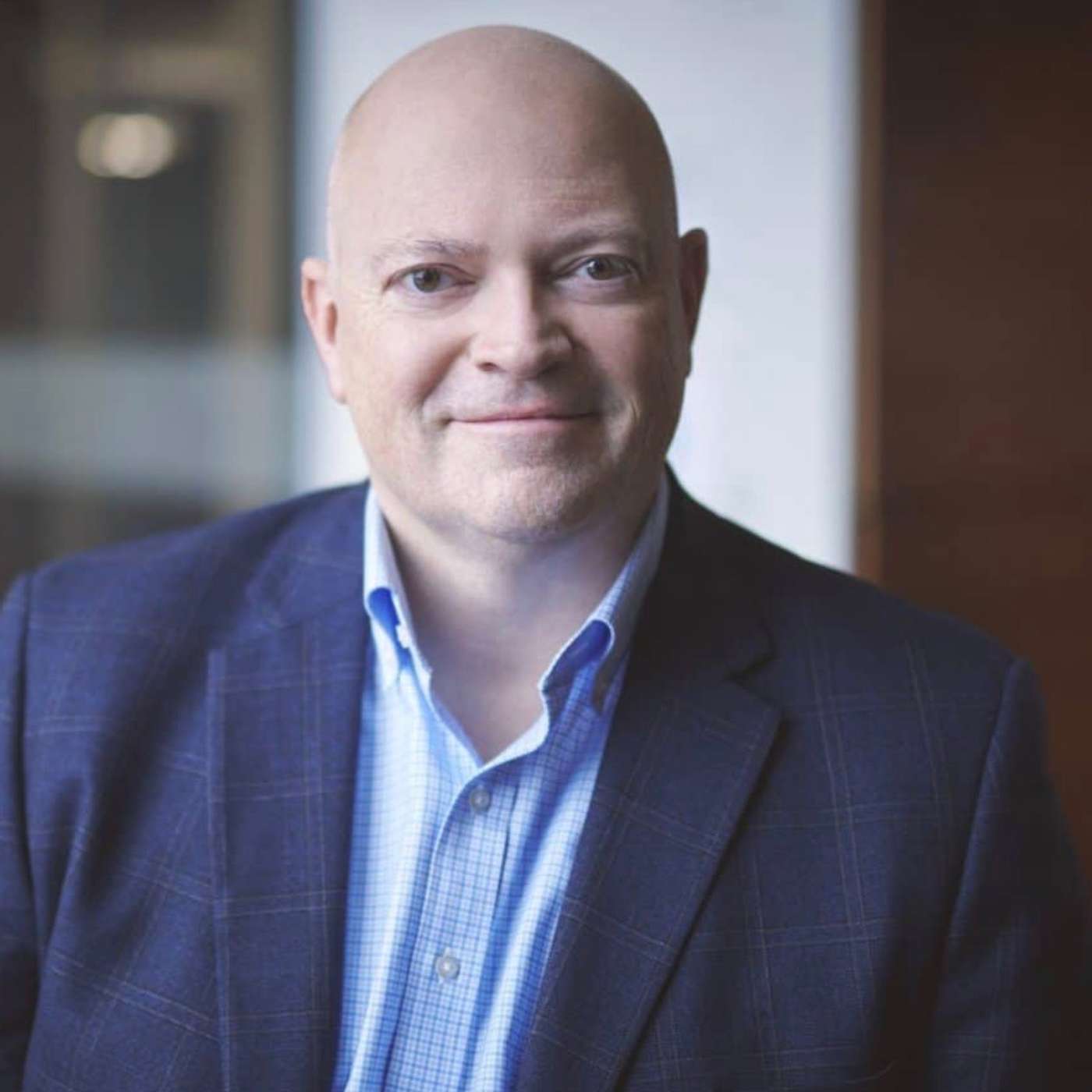
Newfoundland & Labrador Equity Stake in Offshore Oil Has Proven Profitable
Thanks to former Premier Danny Williams, Newfoundland & Labrador has a state owned oil company. Williams wanted his province not only to benefit from the royalties from offshore oil but to have the benefit of ownership as well. This led to the creation of the Oil & Gas Corporation of Newfoundland & Labrador (OilCoNL), the crown corporation that holds equity in three major oil fields, Hebron, White Rose and Hibernia. The company originally began as a division of Nalcor before becoming a crown corporation in 2019. Our podcast this week features a very interesting conversation with Jim Keating, the CEO and employee number one with OilCo who provided a comprehensive overview of the financial return associated with a state owned oil company and the enormous opportunity of the province's offshore oil & gas sector. The province earned $1.5 billion in royalties from the offshore in the last month alone. The offshore oil sector provides about 20% of the province's annual GDP. OilCo now has accumulated $1.3 billion in assets as a result of its investments to date and earned nearly $800 million in dividends since 2010. Keating indicated that Oilco has a legislated right to purchase up to 10% equity in any new discovery that leads to a producing well. The company is expected to take equity in the Bay du Nord project which is expected to be confirmed in early 2027. Bay du Nord's initial phase is expected to generate 500-600 barrels of oil over its lifetime and is the first of several phases. There are interesting lessons for Nova Scotia in the success of OilCo as it attempts to restart its offshore oil & gas sector.
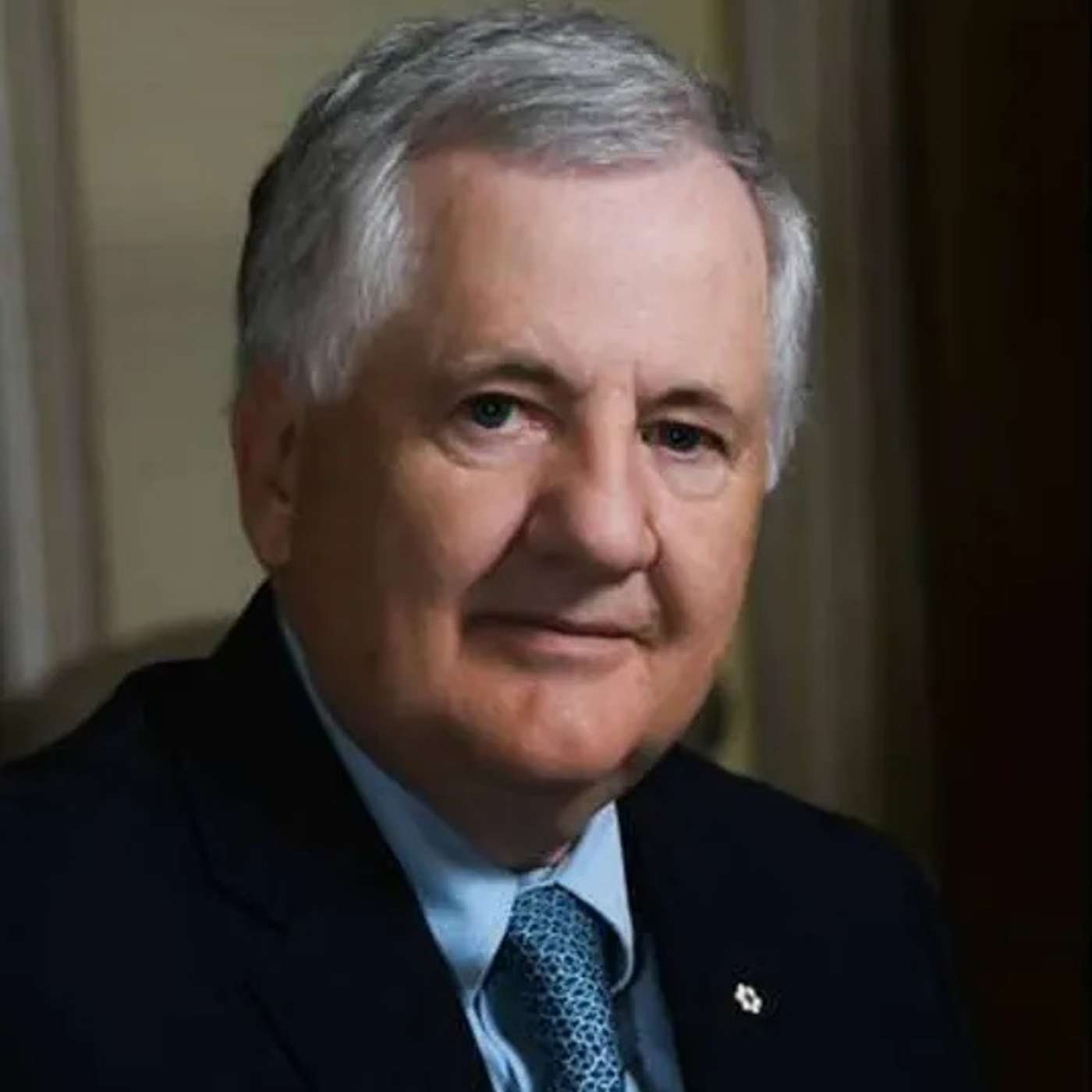
The Architect of Modern New Brunswick - Donald Savoie on Louis J Robichaud
One of Canada's most prolific and celebrated thinkers on regional economic development in Canada, Université de Moncton professor Donald Savoie is back on the Insights podcast to discuss his latest book, a biography of former New Brunswick Premier Louis J. Robichaud. This is a timely work that exposes a new generation to LJR's radical program to foster Equal Opportunity in New Brunswick, spanning everything from regional economic development to health care and education. Savoie tells Don and David about Robichaud's biggest reforms, including the modernization of the public service, the centralization of government administration in Fredericton, and the establishment of the Université de Moncton. He also suggests that LJR might not have been effective if he were leading the government today in the era of social media and deepening skepticism of politics. This was a thoroughly interesting conversation and well worth an hour of your time.




Get this podcast on your phone, Free


Create Your Podcast In Minutes
- Full-featured podcast site
- Unlimited storage and bandwidth
- Comprehensive podcast stats
- Distribute to Apple Podcasts, Spotify, and more
- Make money with your podcast
