Episode List
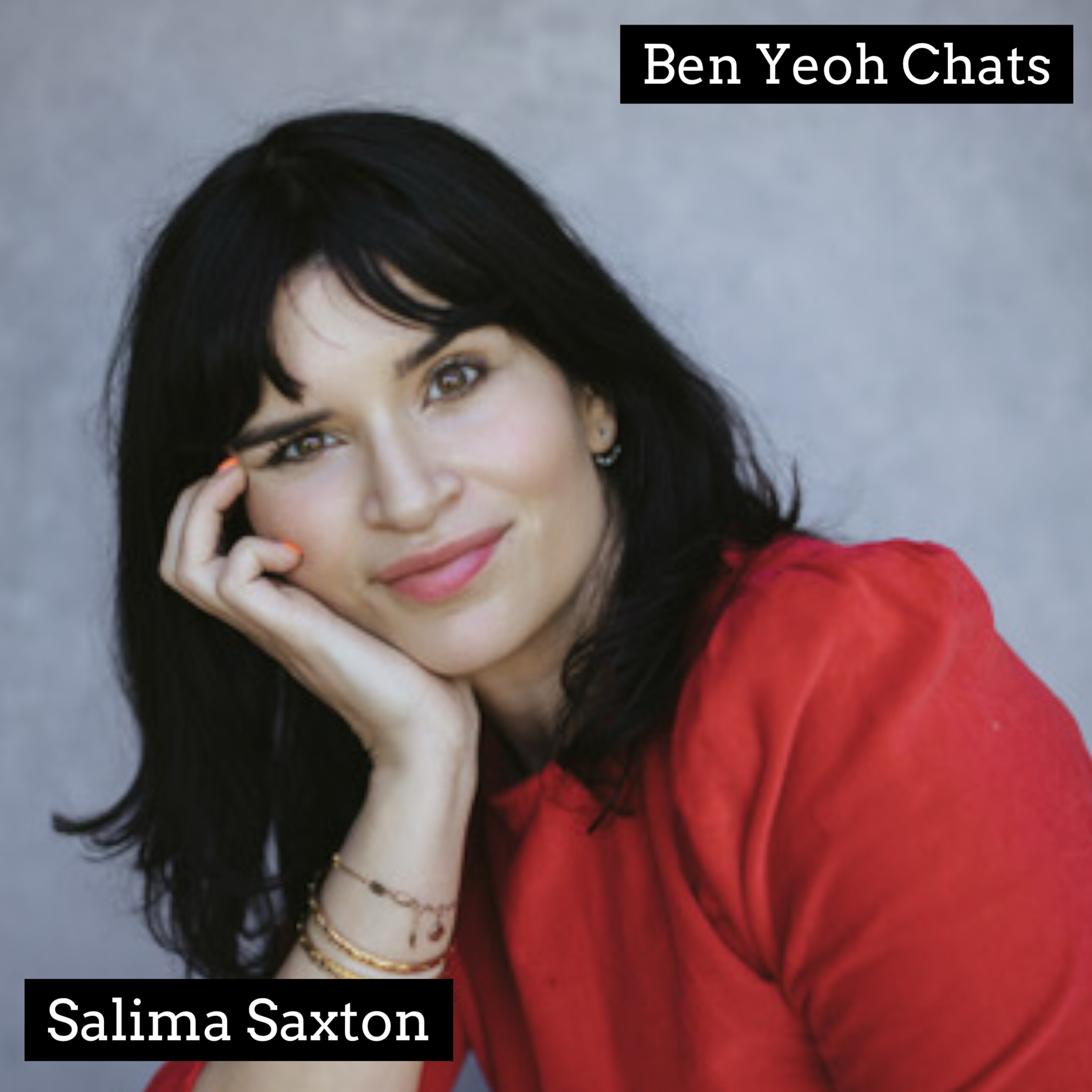
Salima Saxton: Cancer, Estrangement, and “Bad Patient” Honesty
Salima Saxton on cancer, honesty, estrangement, and creative work in real life. Salima is Ben’s longtime friend, and they talk about her cancer diagnosis and what she calls an unexpected new “year of undoing”, a return to herself rather than a neat reinvention story.“Be the sky, not the weather. The weather passes through.”They discuss why the language of “brave” can feel wrong, why “What can I do?” often misses the mark, and what Salima means by being a “bad patient”.The conversation turns to Salima’s Substack essay “Builder Dad” on estrangement and what outsiders routinely misunderstand.“‘Blood is thicker than water’ is not advice I believe in.” Salima also shares the hardest things to write in memoir: telling the whole truth, including the parts that do not flatter you.The chat then touches on anti-heroine storytelling, friendship breakups, social media’s double edge, and what creative work looks like without romantic routines: write where you can, start small, “plod”, find mentors, and build community.“There’s never a perfect moment. Start with something tiny and plod.”A lighter finish includes an overrated/underrated game (champagne, dressing up, height, hustle culture, social media, coconut oil), Salima’s plan to audition again, and why dark humour matters when things get rough.“A sense of humour is absolutely vital. You either laugh or you crack.” Transcript and video: https://www.thendobetter.com/arts/2026/2/24/salima-saxton-cancer-bad-patient-honesty-estrangement-and-writing-without-waiting Contents:00:00 30-year friendship, Himalayas, coconut oil01:23 Cancer diagnosis and a new “year of undoing”03:41 Returning to the 18-year-old self05:07 Illness clarifies relationships, energy is finite07:29 Why “brave” and “What can I do?” can land badly09:02 “Bad patient”: performing “good” on an overstretched NHS ward13:05 Honest female voices, dissonance, anti-heroine truth15:28 “Builder Dad”, estrangement, and searching for father figures17:57 What people get wrong about estrangement and friendship breakups21:29 Hypervigilance and the hidden inner life23:31 The hardest memoir scene: dad’s death and anger at mum26:15 Writing about mum: respect, friction, truth29:44 Childhood contradictions: hippie roots, no heating, love of glamour30:37 No perfect routine: writing around kids, work, real life33:09 Ditch the artist romance: money, time, and the true cost35:00 Tiny wins: one sentence still counts36:49 Bed writing, socks, and self-trickery38:06 Overrated/underrated game41:31 Social media love/hate and quiet communities43:59 2026 as the “year of saying yes”, auditions, dark humour46:37 Advice to creatives: start small, “plod”, mentors, community50:15 Long friendships and gratitude
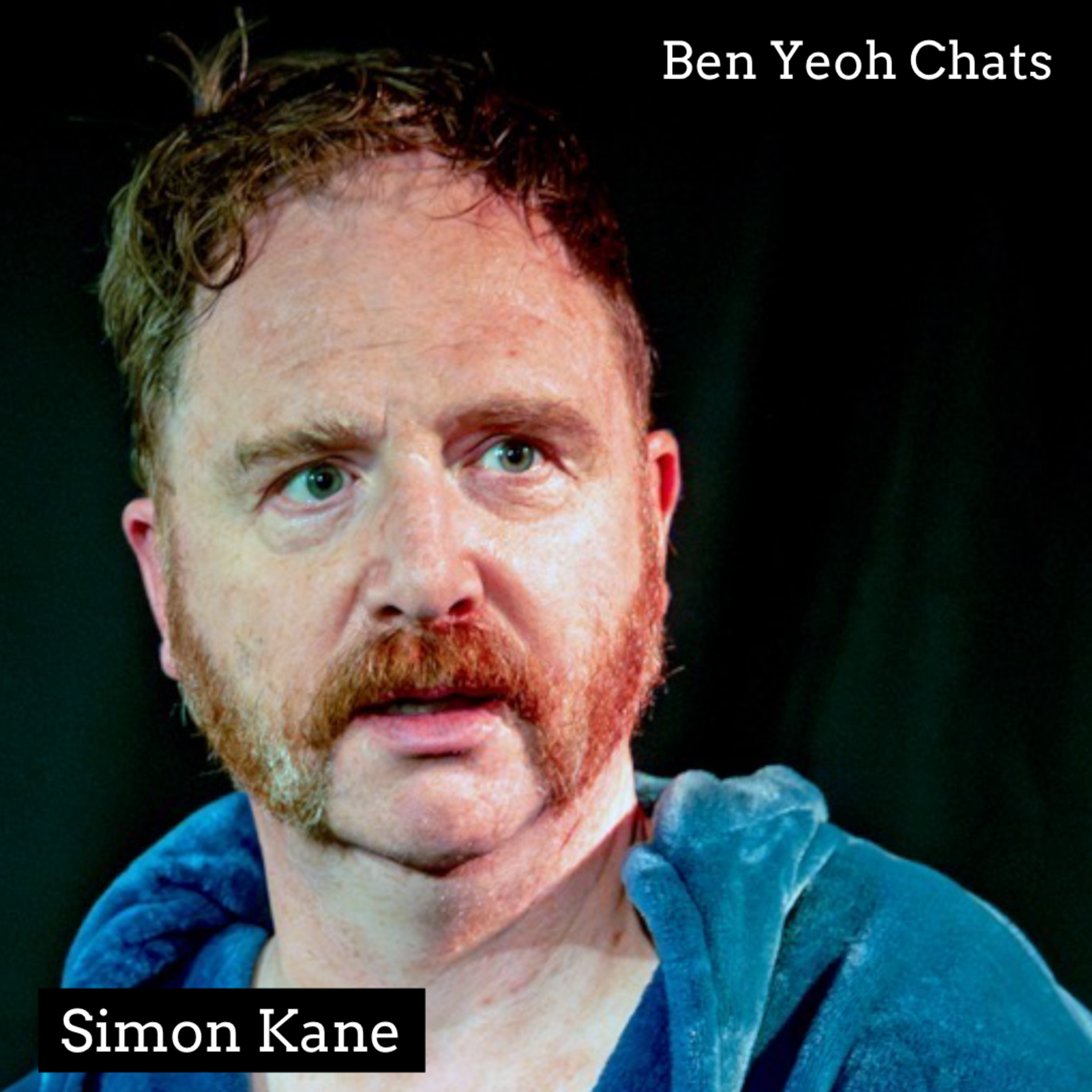
Simon Kane: Disneyland, Punchdrunk, Shunt; What “Immersive” Really Means
Is walking around a fake bathroom really “immersive” theatre, or is a theme park the more honest art form?Ben sits down with Simon Kane, writer and performer whose work spans Shunt’s devised theatre, BBC radio comedy (John Finnemore’s Souvenir Programme), and a lockdown project performing Shakespeare chronologically on YouTube. Simon unpacks what “immersive” should actually mean, why a seated audience isn’t a passive audience, and why “fun” is a serious artistic standard.“If you’re making a space from scratch, why make a space that already exists?”We also riff on Richard II as a story of celebrity collapse, the strange distance of voice work compared to stage acting, and how to stay creatively intentional when algorithms would rather you just hit Next.Transcript: https://www.thendobetter.com/arts/2026/2/14/simon-kane-performing-shakespeare-on-youtube-immersive-theatre-and-why-fun-mattersWe cover:Story-first acting: unlocking Richard II by changing the characterDevised vs scripted: how Shunt builds worlds, and what audio comedy demands insteadThe “immersive” fallacy: when you’re just walking around a setClowning, refusal, and the myth you must always say yesEscaping autoplay: consuming culture on purpose
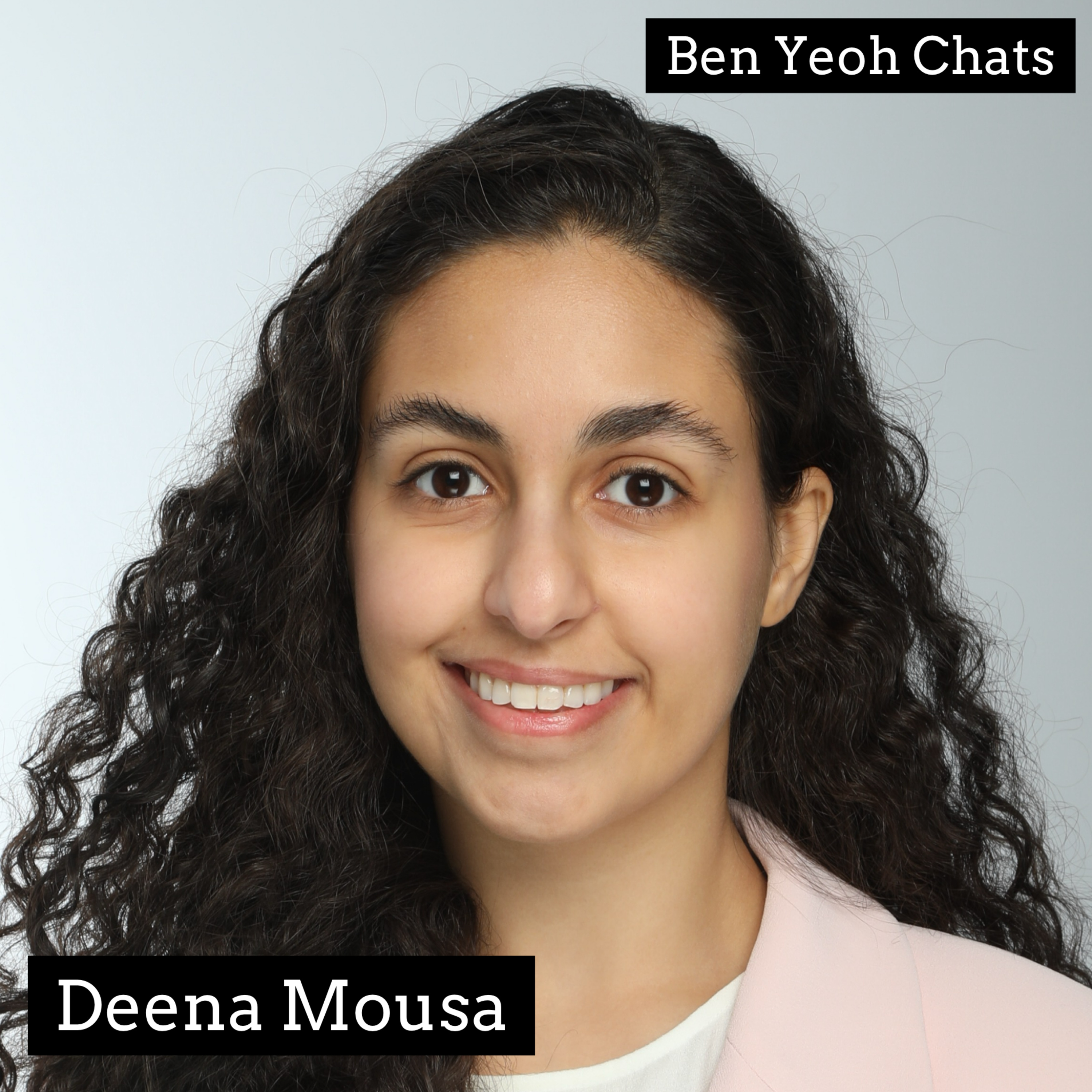
Deena Mousa: How Much Is A Life Worth? Effective Philanthropy, AI For Good & Global Health
How do you put a price tag on a human life?It sounds like a cold question, but for grant makers, it is the necessary calculus of doing good. In this episode, Ben sits down with Deena Mousa (Open Philanthropy, Coefficient Giving) to discuss the difficult frameworks used to allocate finite resources."Every time you choose whether to take a more dangerous job at a higher wage... you are implicitly putting a price on how much you value a year of your life."We dive into the "Coefficient Dollar," the complexities of measuring pain, and why government procurement might be the world's most underrated problem.WE COVER:The Calculus of Altruism: Using "revealed preference" to value a year of lifeThe Pain Paradox: Why health models struggle to measure sufferingAI for Good: "AI washing" vs. actual capacity buildingSystemic Bottlenecks: Why boring process fixes beat flashy policiesLife Advice: Why you should ignore advice that resonates too much"Often, the people listening to a piece of general advice are exactly the group of people that should be doing the opposite."Contents:00:00 Introduction01:17 Valuing Life and Health05:46 Challenges in Measuring Pain and Health Outcomes13:32 Creative Process and Research Methodology18:38 Journey and Early Experiences22:23 Debate on International Aid and USAID29:20 Impact of AI in Global Health and Development36:25 Overrated or Underrated44:59 Exciting Projects and AI for Good46:14 Balancing Cause Areas and Funding Decisions58:31 Advice for Aspiring Philanthropists and Innovators
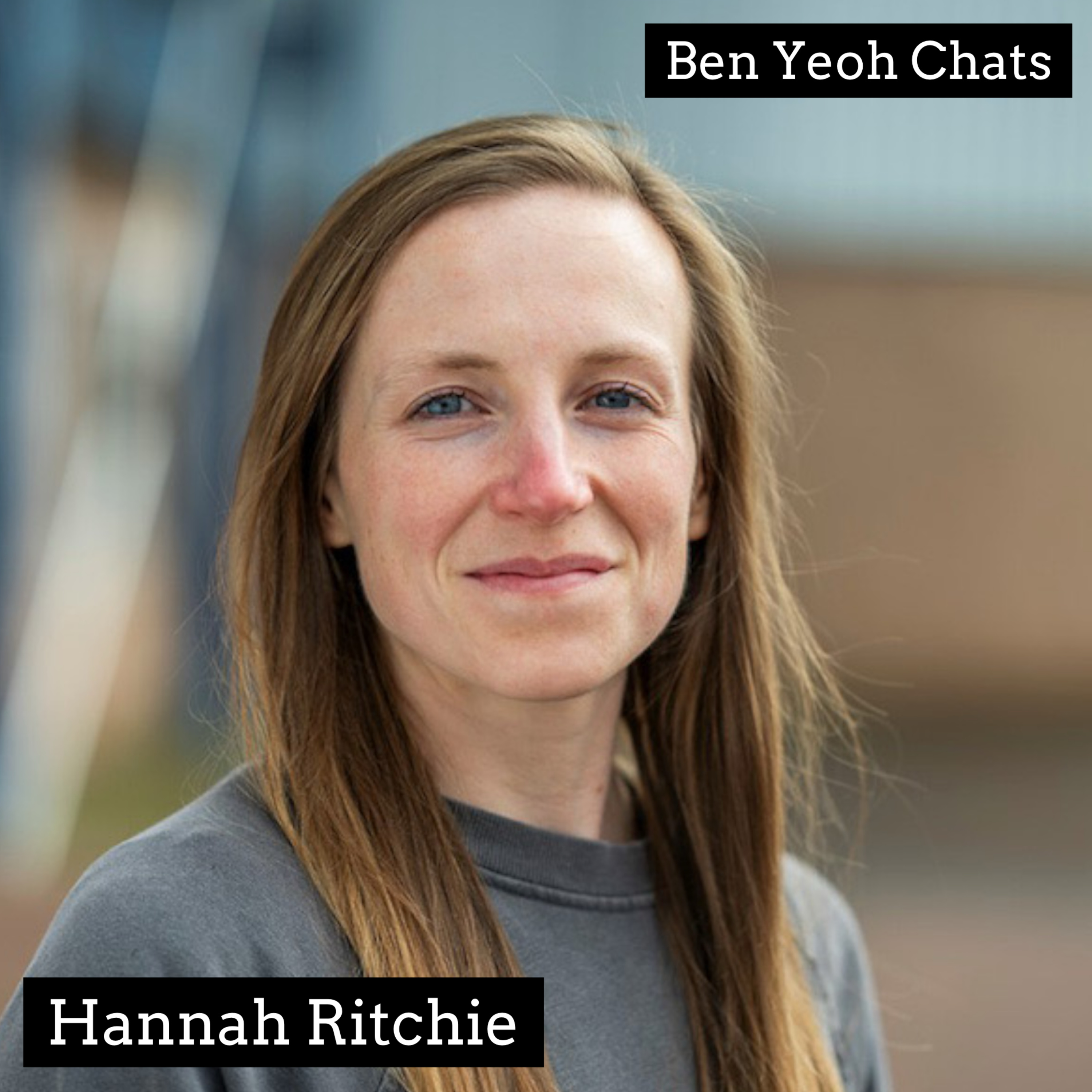
Hannah Ritchie On Climate Honesty, Hope, And The Future. Discussing her book Clearing The Air.
Hannah Ritchie — one of the most lucid and data-driven voices in climate and sustainability — returns to talk about her new book Clearing the Air: 50 Questions and Answers about Climate.Ben and Hannah explore why honesty builds trust in climate science, why the 1.5 °C target is likely out of reach (and why that’s not the end of hope), and China’s paradoxical role as both the world’s largest emitter and clean-tech powerhouse.They dig into how abundance, not austerity, could define the next phase of climate progress; how to manage renewable energy variability and mineral demand; and why “net zero” may need a more realistic framing.Hannah also shares personal reflections — what she’d tell her 16-year-old self, how she balances optimism with realism, and the daily coastal runs that keep her creative and grounded. The conversation closes with a look at smart philanthropy, innovative climate projects, and the habits that sustain hope and curiosity.An hour of evidence, insight, and grounded optimism — a conversation about how to think clearly, act practically, and stay inspired in a warming world.Transcript and notes: www.thendobetter.com/arts/2025/10/25/clearing-the-air-hannah-ritchie-on-climate-honesty-hope-and-the-future
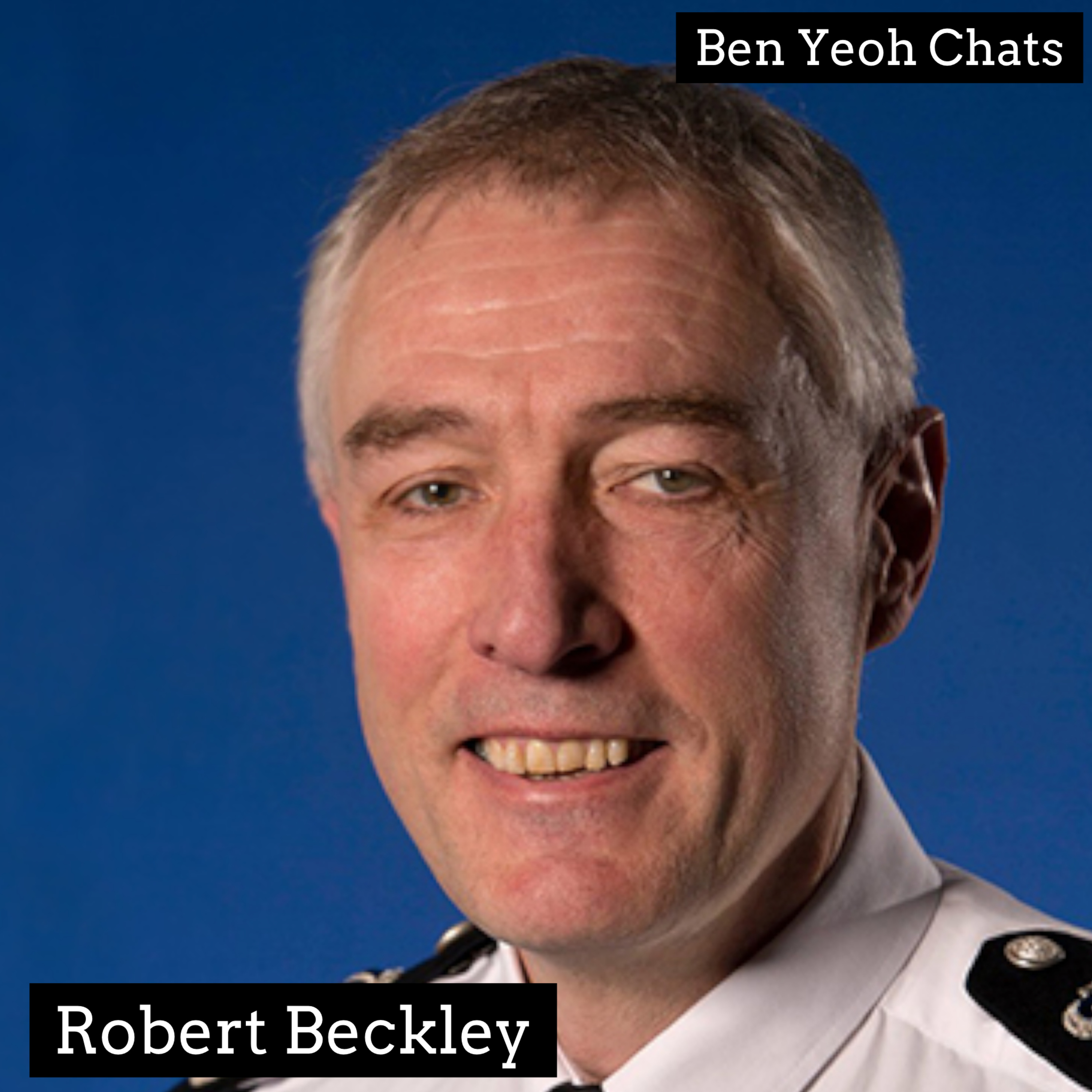
Robert Beckley: Lessons from 40 Years in Policing, Hillsborough & Civic Service
Retired police officer Robert Beckley reflects on 40 years of service — from Brixton to Hillsborough and beyond. We discuss crisis response, institutional change, community policing, and why public service and volunteering still matter today.We explore:The misunderstood role of policing: “Policing is about being there in a crisis — when someone needs action, and needs it now.”Rob’s early career in Brixton and how his experiences in Sudan shaped his views on culture and policing.Honest reflections on institutional racism and sexism: “Institutional racism isn’t about bad people — it’s about systems and processes that have disproportionate impacts.”Hillsborough: what really went wrong, the persistence of false narratives, and why “we can never afford complacency in disaster preparedness.”The evolution of crime, the importance of community policing: “Community policing works because people trust officers who know their area and take ownership of local problems.”Rob’s year as High Sheriff of Somerset, his advocacy for volunteering, and the civic glue that holds communities together.Advice for aspiring public servants: “In public service, you may never know the lives you’ve touched — but the impact is real.”This episode provides deep insights into policing, society, and civic responsibility — offering lessons not only for those in public service but for anyone interested in how communities can thrive.Find more episodes, transcripts, and writing at https://www.thendobetter.com/arts/2025/9/14/rob-beckley-insights-from-a-policing-career-hillsborough-amp-civic-service-lessons-podcastEpisode highlights:00:32 – Misunderstandings in Policing01:57 – Early Career in Brixton05:18 – Sudan and Cultural Insights08:51 – Institutional Racism and Sexism18:14 – Hillsborough Disaster33:30 – The Evolution of Crime37:20 – Community Policing51:05 – The Role of High Sheriff54:06 – Volunteering and Civic Society58:16 – Advice for Aspiring Public Servants



Get this podcast on your phone, Free


Create Your Podcast In Minutes
- Full-featured podcast site
- Unlimited storage and bandwidth
- Comprehensive podcast stats
- Distribute to Apple Podcasts, Spotify, and more
- Make money with your podcast