Episode List
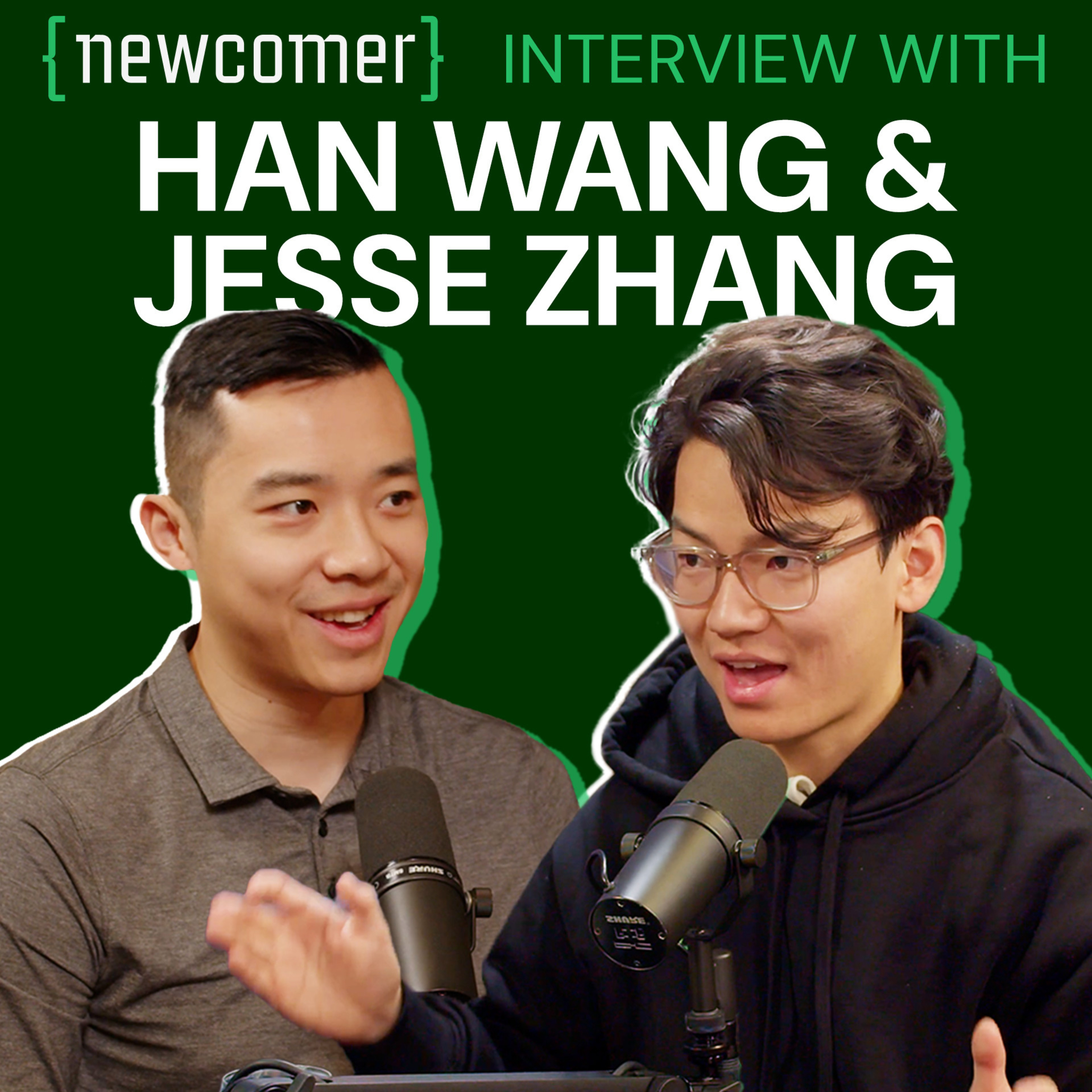
The Startup That Crashed Its Own Servers Because of Open Claw
VCs surveyed across the industry ranked their most exciting enterprise tech companies and the #1 early stage pick was a name almost nobody had heard of. Eric sits down with Han Wang, CEO of Mintlify, the knowledge infrastructure platform that quietly powers the docs for Anthropic, Lovable, and thousands of other companies and found out their servers crashed overnight because of Open Claw before Han even knew what it was.Then in the second half, Eric talks to Jesse Zhang, CEO of Decagon, ranked #4 on the late stage list in a category that includes some of the most well funded names in enterprise AI, on how agents are replacing call centers, why voice AI is closer than you think, and where the customer experience space is headed in the next three years.Two of the most exciting under the radar bets in enterprise AI right now, in one episode.
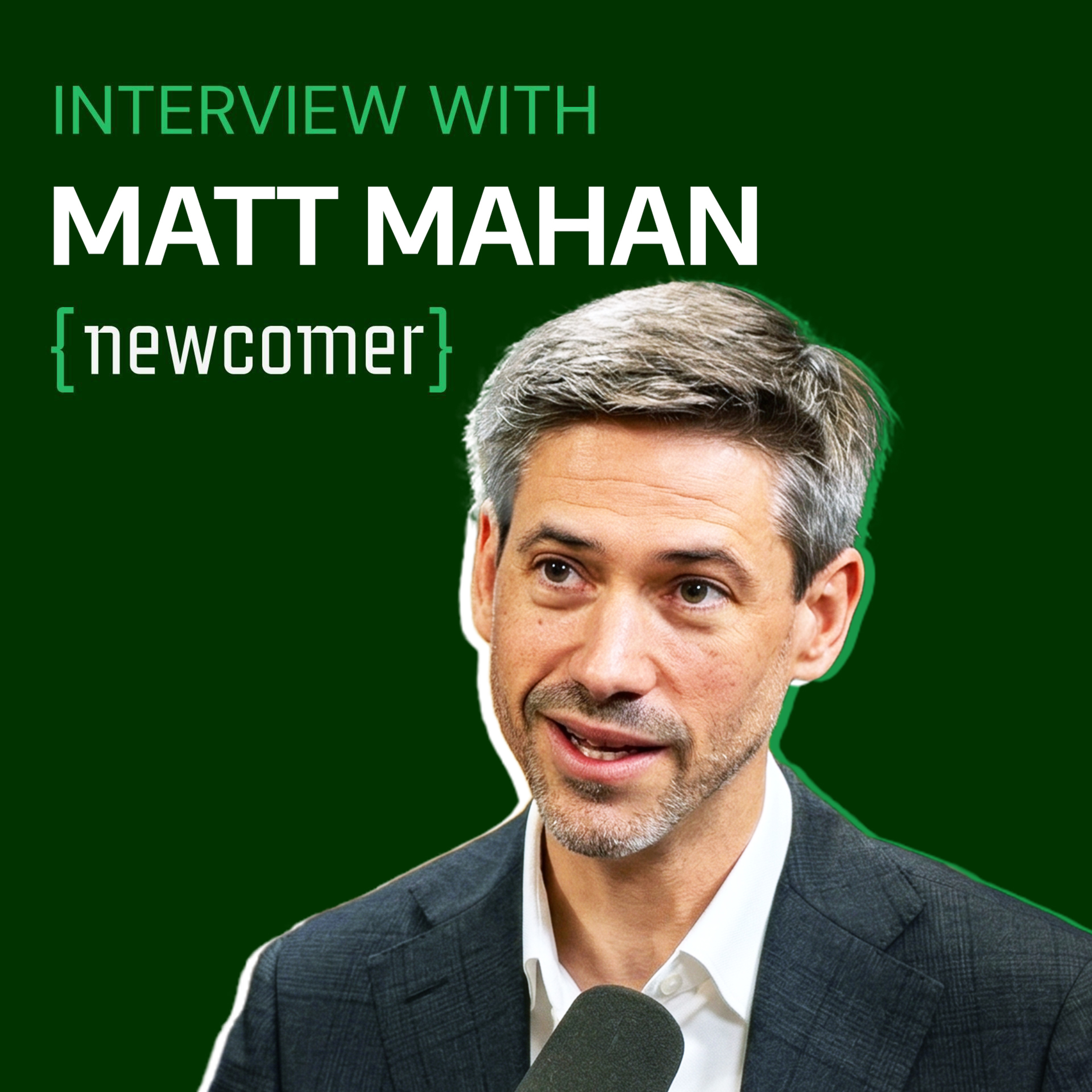
Matt Mahan — "California's Failure Is the Best Ammunition Trump Has Ever Had"
Matt Mahan is the Mayor of San Jose and a candidate for Governor of California. He is one of the only prominent Democrats in the state willing to say out loud that California's failure to fix housing, homelessness, and energy costs has handed the MAGA movement its best ammunition. It isn't a partisan argument. It's a governance one.In this conversation, Eric sits down with Matt to get into why California has spent $20 billion on high speed rail and delivered nothing, why the billionaire wealth tax will backfire, and how San Jose reduced homelessness by a third without raising taxes. They also get into his break with Gavin Newsom, the tech industry's growing political power, and what a competence first Democratic message actually looks like in practice.They also talk about what's next — the jungle primary on June 2nd, what Matt thinks California needs from its next governor, and why he believes fixing the state is the most powerful counter to what's happening in Washington right now.
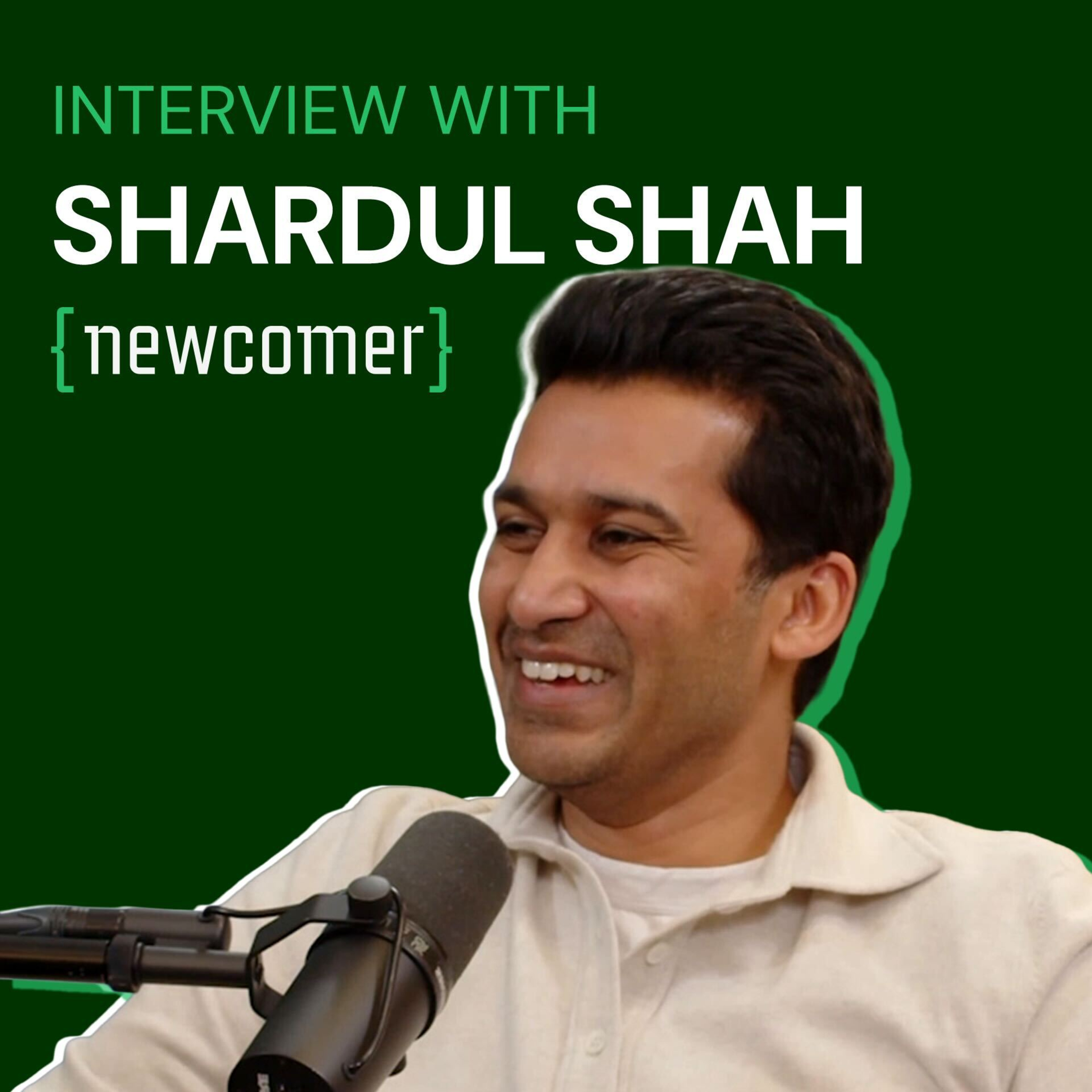
Shardul Shah — "I wired the money before knowing what they were building"
Shardul Shah, Partner at Index Ventures, was one of the first checks into Wiz — the Israeli cybersecurity company Google acquired for $32 billion. It wasn't luck. It was a decade-long relationship with the founders, a willingness to wire money on conviction alone, and a philosophy that treats risk calculus as a fool's errand.In this conversation, Eric sits down with Shardul to unpack how the Wiz deal actually came together, what Google really bought for $32 billion, and why mid-sized acquisitions almost always fail. They get into how Index thinks about doubling down across funds, why Shardul refuses to invest in a founder he's only met over Zoom, and what he saw in the Wiz founders a decade before anyone else was paying attention.They also talk about what's next — the categories Shardul is hunting, the founders he's already betting on, and why he thinks everything that happened with Wiz should stretch every entrepreneur's sense of what's possible.Eric Newcomer covers the inner workings of startups and venture capital. Subscribe for interviews with the people building and funding the next generation of tech.
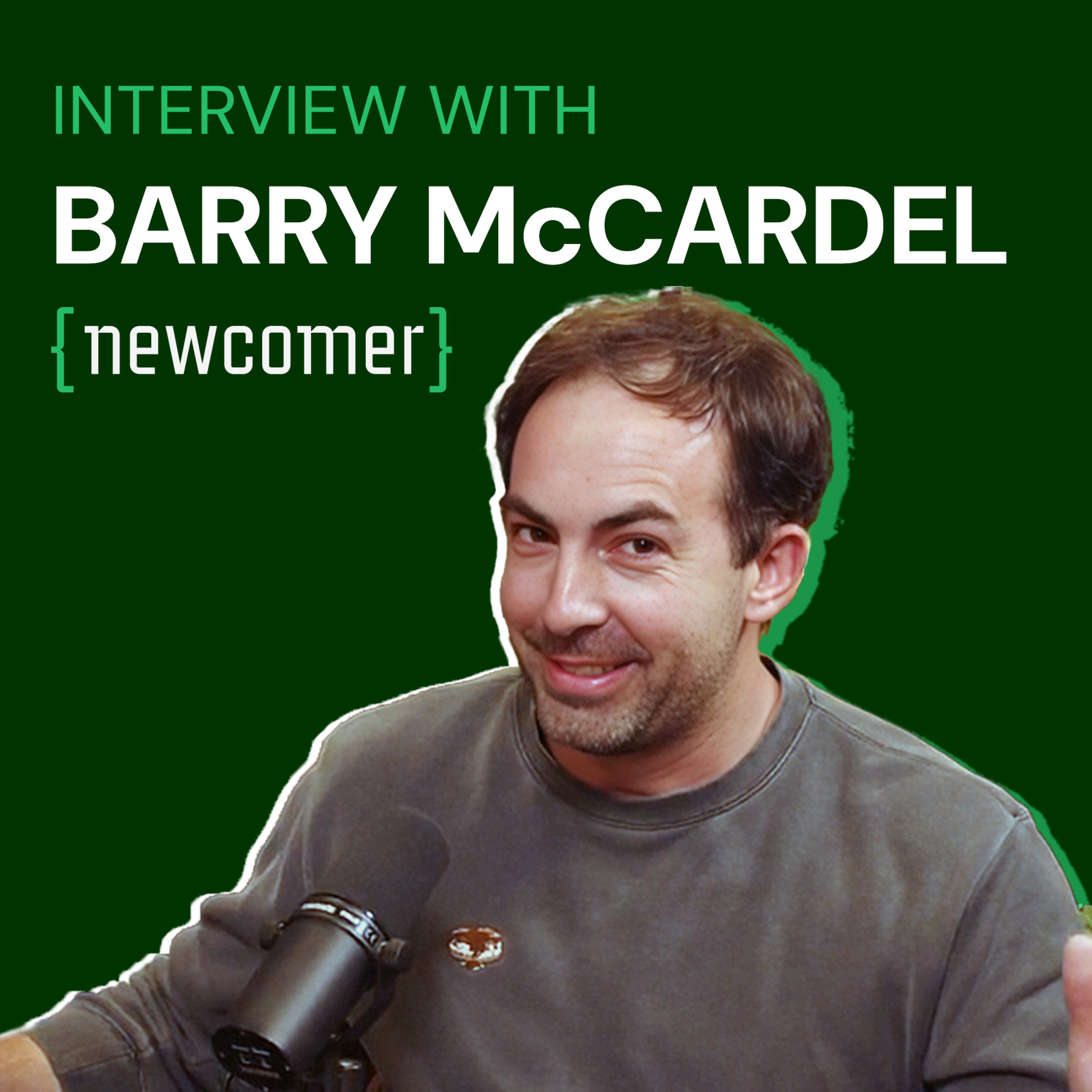
Barry McCardel on Why Everyone Is Copying Palantir’s Playbook (And Getting It Wrong)
Barry McCardel spent years at Palantir before co-founding Hex, the AI data platform he describes as “Cursor for data.” In this conversation with Eric Newcomer, he breaks down Palantir’s business model, the truth about forward deployed engineers, how AI agents are changing data analytics and business intelligence, and why Hex is taking a different path in enterprise software.They also get into AI agents, the future of data work, the reinvention of business intelligence, whether white-collar jobs are really at risk, and the fight over Anthropic, defense tech, surveillance, and government power.
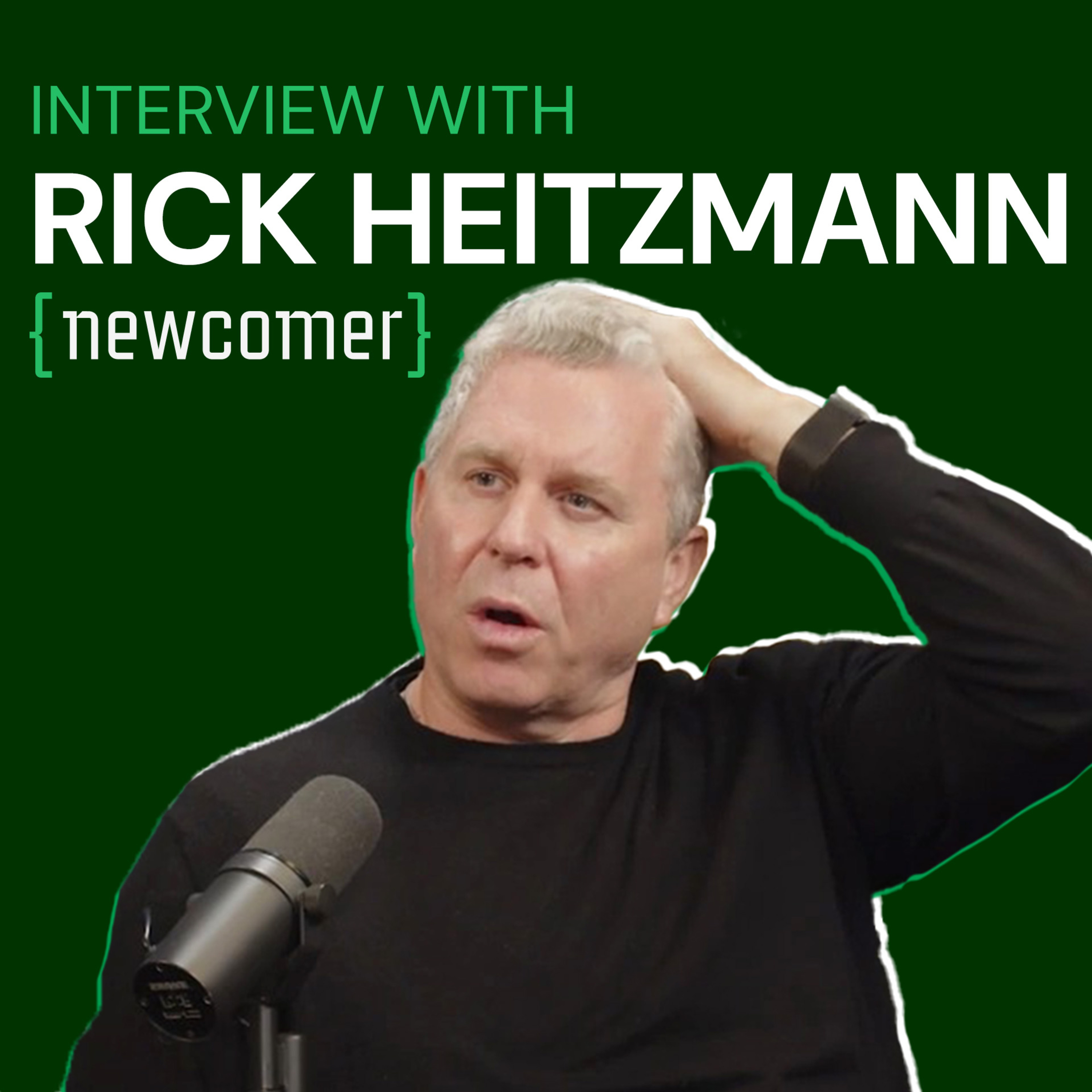
Rick Heitzmann: The AI Boom Is Forcing a New IPO Wave
Rick Heitzmann of FirstMark joins the Newcomer Podcast to discuss the state of venture capital, the AI investment boom, and why the next wave of tech IPOs may be closer than many expect.Rick shares how investors are thinking about AI infrastructure, the role of data as the core advantage in the AI race, and why massive private capital has allowed companies to stay private far longer than in previous cycles. As AI companies continue raising unprecedented amounts of money, the conversation turns to what happens when that capital eventually runs out and why public markets may become the next step.Eric and Rick also discuss the broader venture cycle, the impact of market uncertainty on IPO timing, and how investors are navigating a period defined by rapid technological change and massive AI spending.This conversation explores how venture capital is adapting to the AI era and what it could mean for the future of startups, public markets, and the next generation of tech giants.









Get this podcast on your phone, Free


Create Your Podcast In Minutes
- Full-featured podcast site
- Unlimited storage and bandwidth
- Comprehensive podcast stats
- Distribute to Apple Podcasts, Spotify, and more
- Make money with your podcast