
Classes by Mordechai Dinerman
https://anchor.fm/s/8867b3c0/podcast/rssEpisode List
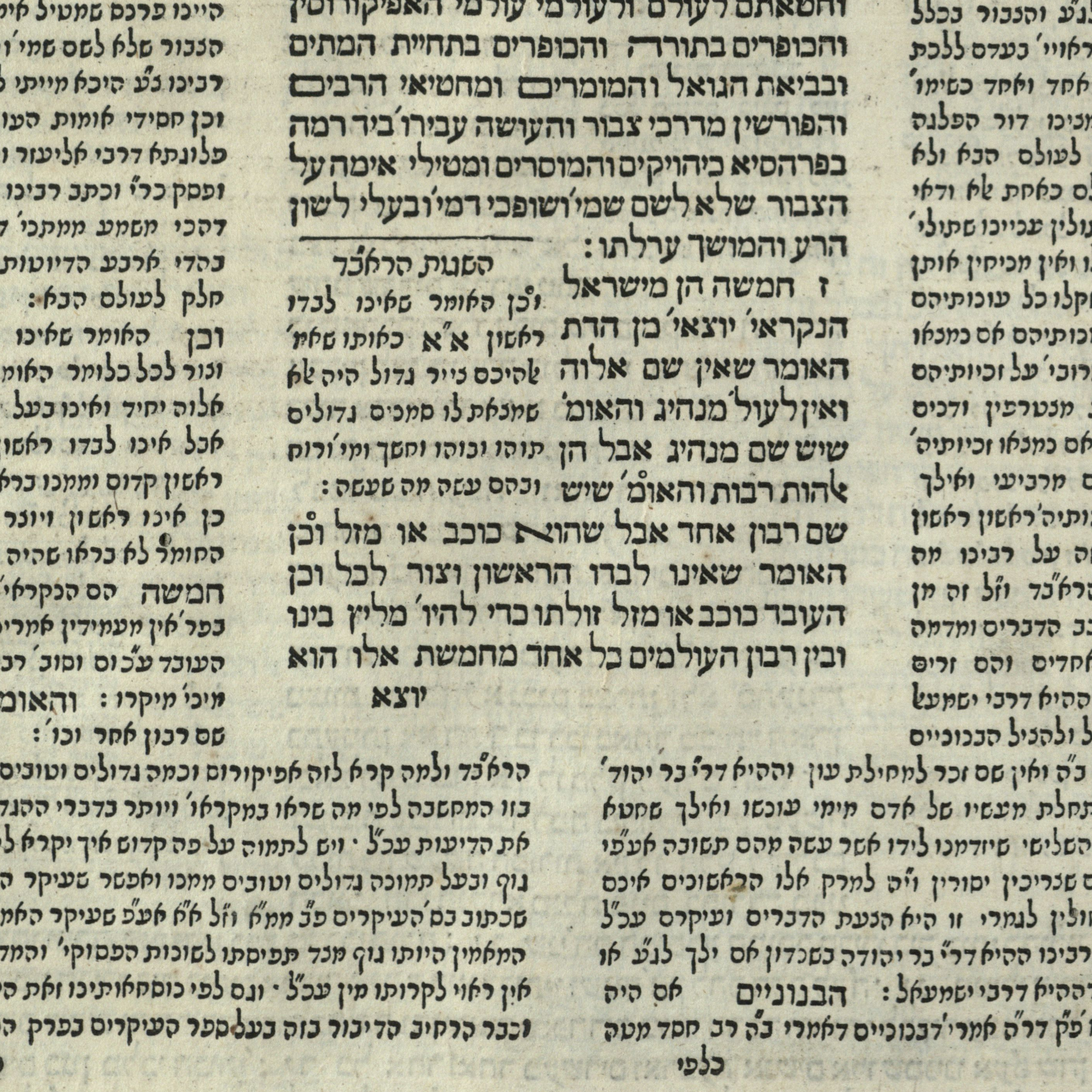
Censoring the Rambam: Part II
The Mishneh Torah printed in Venice in the 1570s was the product of a broad and deliberate program of censorship. Beyond removing the handful of references to the Christian founder, which we discussed in the prior class, the censors altered many other words and phrases. In some places, entire laws disappear; in others, the language is carefully adjusted to soften its force. In this class, we trace the principles that guided the censors and examine how their work left a lasting imprint on one of Judaism’s foundational texts. Censoring the Rambam: Part II
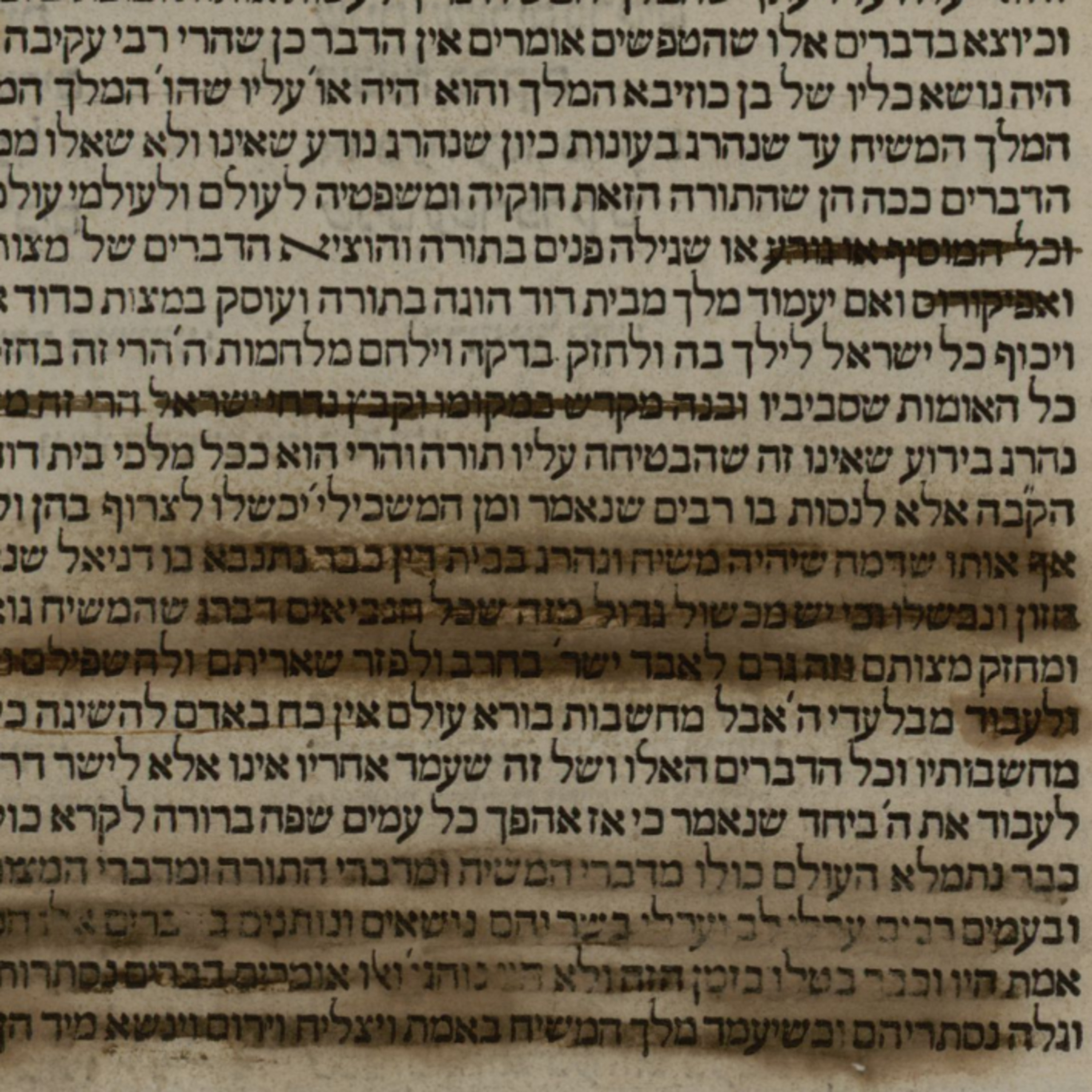
Censoring the Rambam
In October 1949, The New York Times announced a sensational discovery: an ancient manuscript of Mishneh Torah was discovered and it contained a long-lost provocative passage about the Christian founder. The headline sparked excitement, but the story was riddled with errors. In this class, we trace the real history of that controversial passage and examine when, how, and why it was cut by the censor. Censoring the Rambam
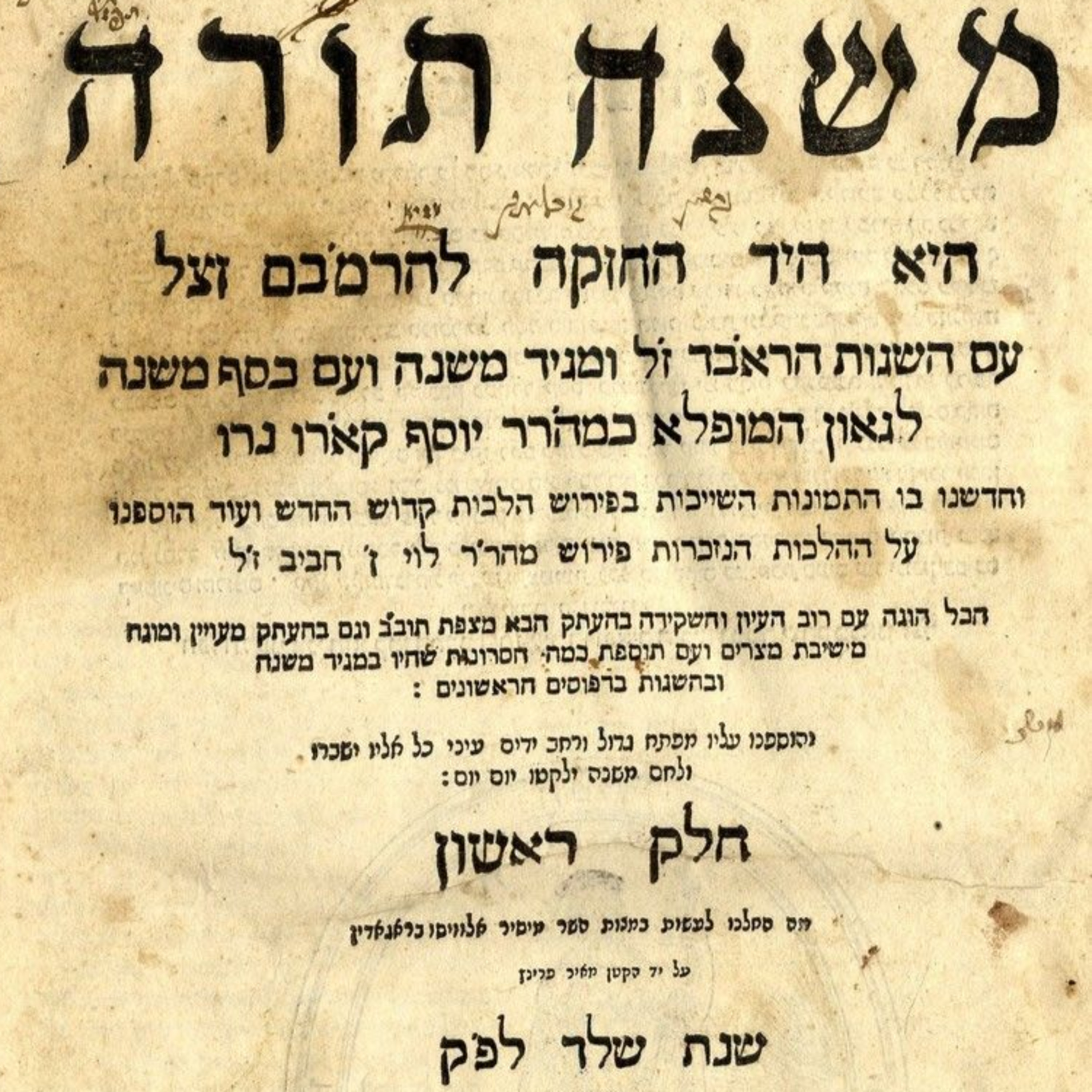
Beis Yosef vs. Kesef Mishneh: Following the Paper Trail
The class follows the paper trail in Rabbi Yosef Caro’s Kesef Mishneh to reconstruct how and when this major commentary actually came into being. After examining its printing history and the author’s stated purpose, the discussion turns to a key flashpoint: whether Kesef Mishneh represents Rabbi Yosef Caro’s final halachic word. We work through the evidence—internal cross-references, page numbers, textual features, and colophons—and ultimately arrive at a tentative conclusion. As one of the central commentaries on the Rambam, this investigation is a fitting and meaningful way to mark the start of the new Rambam learning cycle. Beis Yosef vs. Kesef Mishneh: Following the Paper Trail
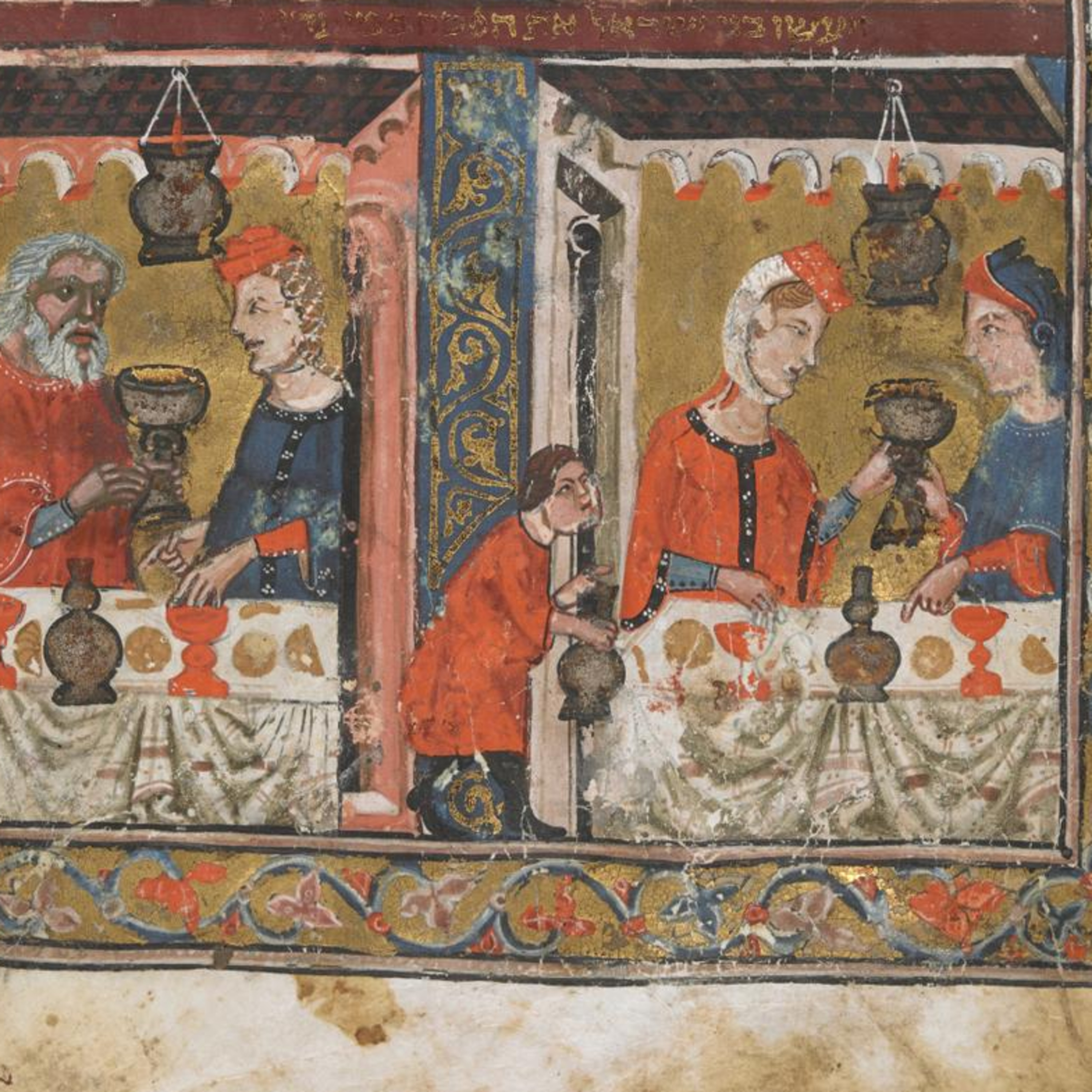
Jews and Booze: Uncorking the Wine Debate During the Age of Prohibition
Today, we explore Jewish life during Prohibition, when the manufacture and sale of alcoholic beverages were banned in the United States. While the U.S. government granted religious exceptions for wine, both the Reform and Conservative movements distanced themselves from this loophole, endorsing the use of grape juice instead. One contemporary posek passionately rejected grape juice, and we’ll examine the central arguments that shaped this debate. As we’ll see, this issue became a defining point for Orthodox Judaism in the early 20th century. Jews and Booze: Uncorking the Wine Debate During the Age of Prohibition
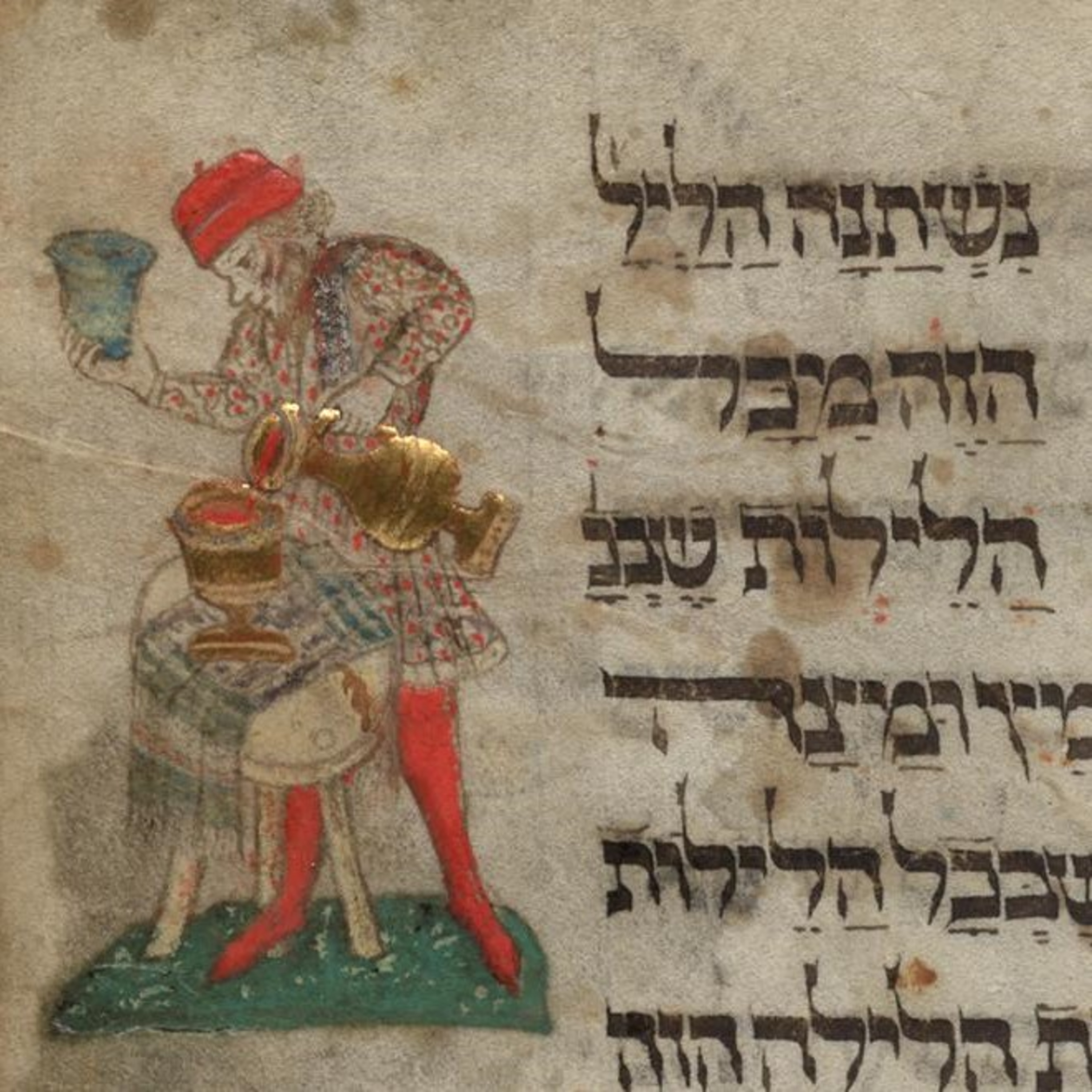
Wine: Blind Tastes, Price Controls, and the Most Regulated Wine Market You’ve Ever Seen
This class takes us inside the Jewish wine economy of earlier centuries. We will see communities enforcing price ceilings, outlawing seller collusion, and appointing assessors to protect community members from being overcharged. In some places, the system became so aggressively strict: monopoly-style selling rights, blind tastings, barrels sealed by wine assessors, community-owned measuring jugs, and stiff fines for anyone who tried to sell wine off the books. Wine: Blind Tastes, Price Controls, and the Most Regulated Wine Market You’ve Ever Seen








Get this podcast on your phone, Free


Create Your Podcast In Minutes
- Full-featured podcast site
- Unlimited storage and bandwidth
- Comprehensive podcast stats
- Distribute to Apple Podcasts, Spotify, and more
- Make money with your podcast