'60s '70s '80s - Warm, Candid, Classic Rock Interviews with Music Legends - A BREATH OF FRESH AIR
https://anchor.fm/s/9000f484/podcast/rssEpisode List
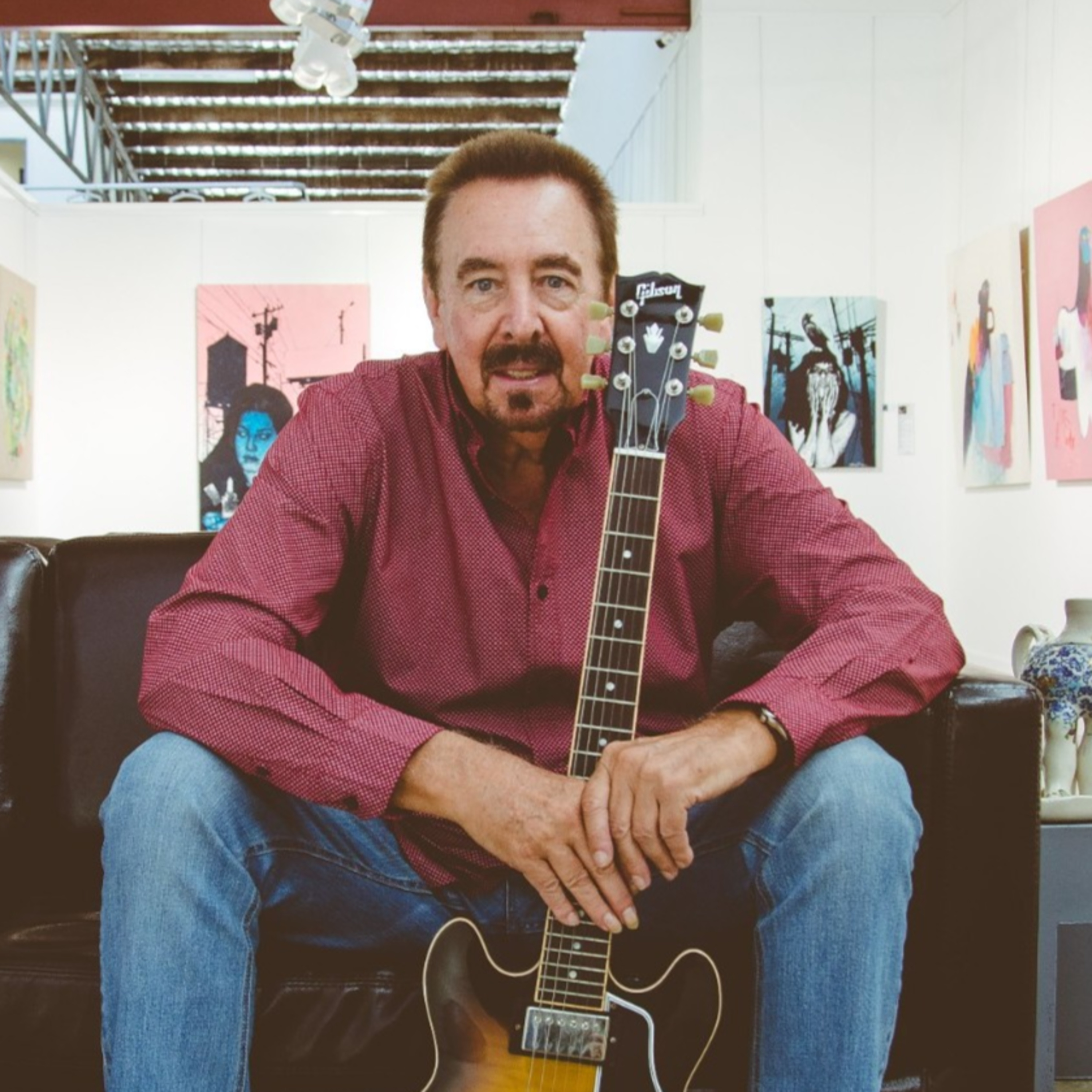
Louie Shelton: The Guitarist Behind Hundreds of Hit Songs You've Loved for 60 Years
Few musicians have influenced popular music as profoundly as Louie Shelton, yet millions of people know his guitar long before they know his name. In this episode of A Breath of Fresh Air, Louie opens the studio door on one of the greatest periods in recording history.Growing up in Arkansas, Louie discovered the guitar as a young boy, met Elvis Presley while still at junior high school and later became friends with fellow Arkansan Glen Campbell before heading west to Los Angeles with one ambition—to become a top session guitarist. He explains why becoming a studio musician was the ultimate dream and how years of relentless work finally earned him a place among the legendary Wrecking Crew. Louie reveals how one inspired guitar hook changed everything. Asked to come up with something memorable for a new television project called The Monkees, he created the famous opening riff to Last Train to Clarksville, launching a career that would see producers across Los Angeles competing for his talents. He shares extraordinary stories from sessions with The Jackson 5, Motown, Boz Scaggs, Neil Diamond, The Carpenters, Lionel Richie, Marvin Gaye, Diana Ross, Smokey Robinson and dozens more, explaining how many classic recordings were built before the artists even stepped into the studio. You'll hear what made the Motown rhythm section so unique, why Michael Jackson immediately stood out as an 11-year-old vocalist and how session musicians created some of the most recognisable guitar parts in music history. Louie also reflects on working with Elvis Presley, Karen Carpenter, Tiny Tim and countless stars whose careers he watched unfold, while offering thoughtful observations on fame, celebrity and why so many legendary artists struggled with the pressures that accompanied enormous success. The conversation also explores Louie's transition from session guitarist to acclaimed producer, producing Seals & Crofts' Summer Breeze and Diamond Girl, launching England Dan & John Ford Coley, and producing Art Garfunkel's platinum-selling Fate For Breakfast. Finally, Louie reflects on why he believes the music of the '60s and 70s continues to resonate with audiences around the world and explains why, despite an extraordinary career spanning more than six decades, he still picks up the guitar every day. This is a rare opportunity to hear from one of the true architects of popular music—a man whose guitar playing became part of the soundtrack of generations.
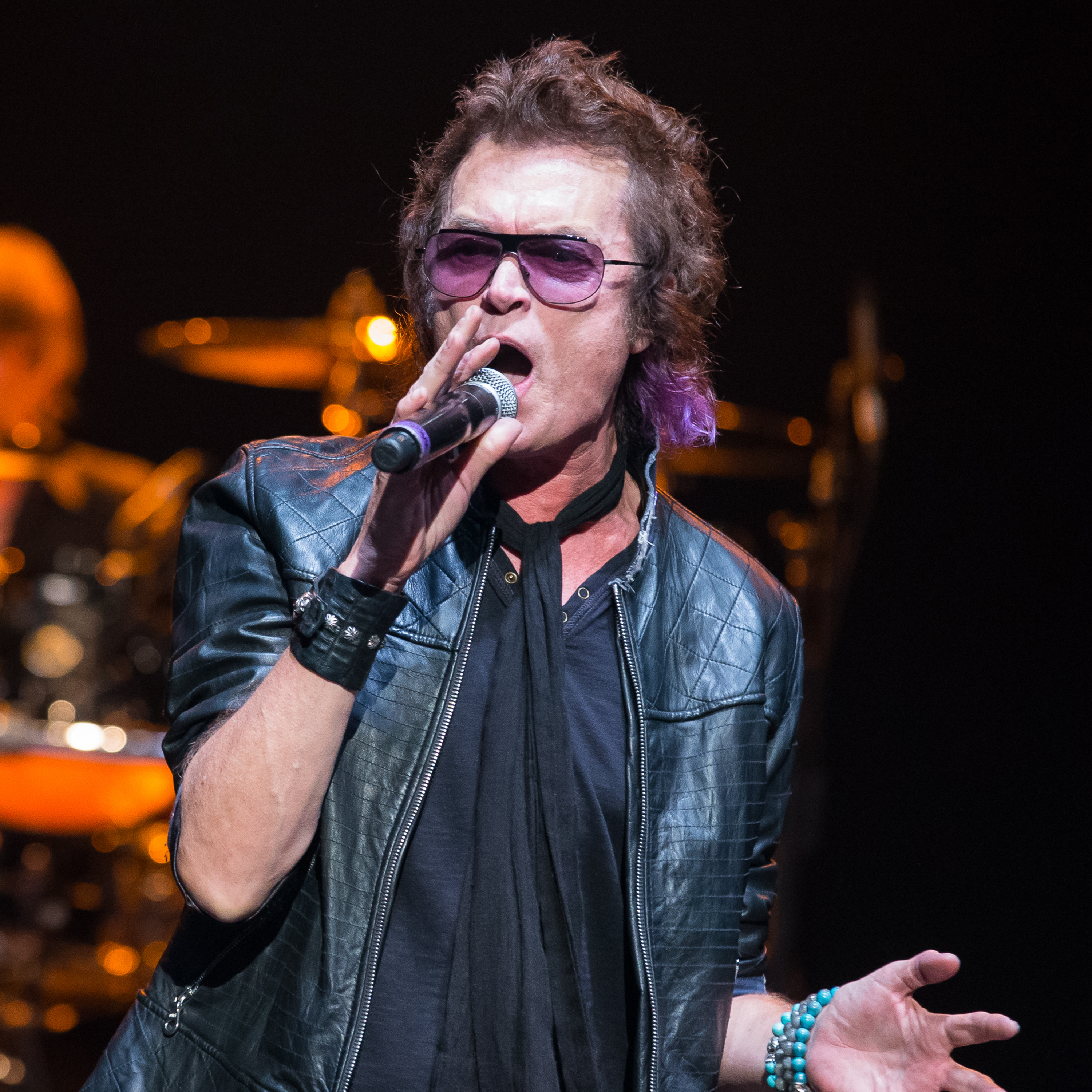
Glenn Hughes: The Untold Story of Deep Purple's Voice of Rock
Glenn Hughes is one of rock music's most enduring and distinctive talents. Known worldwide as the "Voice of Rock," he first rose to prominence with British rock band Trapeze before joining the legendary Deep Purple in 1973. As bassist and co-lead vocalist, Hughes helped shape a new era for the band, bringing his powerful soul-infused vocals to classic albums including Burn, Stormbringer and Come Taste the Band.Following Deep Purple, Glenn embarked on a remarkable career that has spanned more than five decades. He has performed with Black Sabbath, collaborated with countless rock icons, fronted supergroups including Black Country Communion and The Dead Daisies, and maintained a successful solo career that continues to earn critical acclaim.Along the way, Hughes faced and overcame significant personal challenges, emerging stronger and more creative than ever. His story is one of resilience, reinvention and an unwavering commitment to music. Today, his voice remains as powerful and distinctive as it was during rock's golden era.In this episode of A Breath of Fresh Air, Glenn takes us on a journey from his earliest musical influences through the highs and lows of an extraordinary career, sharing candid stories from Deep Purple, his personal battles, creative rebirth, and his ongoing passion for performing. As he prepares to return to Australia with Kings of Chaos aboard the Rock The Boat cruise, Glenn reflects on a lifetime in music and the legacy he continues to build.
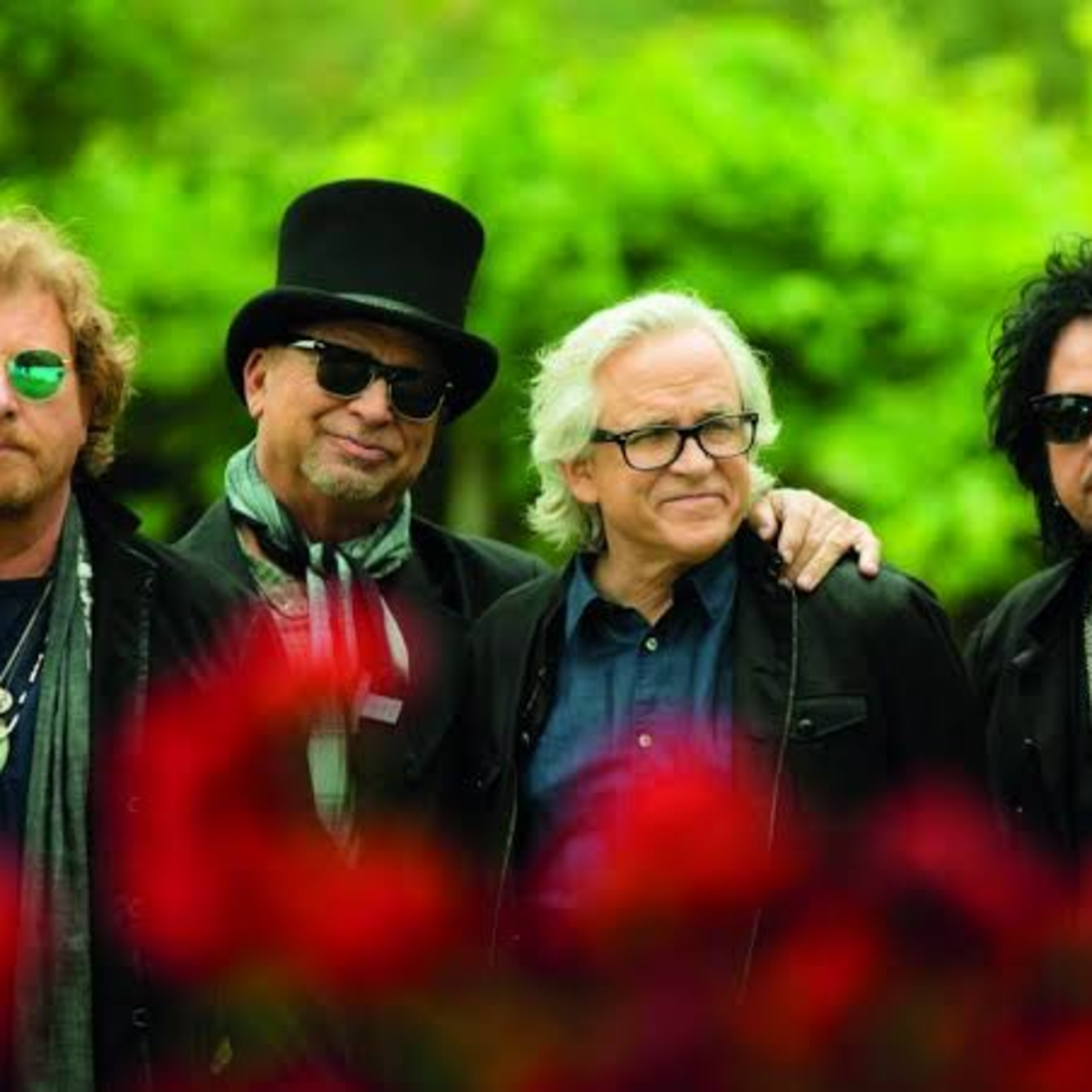
Steve Porcaro: Inside Toto, Thriller & Human Nature
Few musicians have influenced popular music quite like Steve Porcaro.As a founding member of Toto, Steve helped create one of the most successful and respected bands of the late twentieth century while simultaneously becoming one of the most sought-after keyboard players, synthesizer programmers and songwriters in the recording industry. In this revealing conversation, he opens the door on a career that stretches from the birth of Toto through to Michael Jackson's Thriller and beyond.Steve shares stories of growing up in an extraordinary musical household under the guidance of his father Joe Porcaro, one of America's most respected jazz drummers, alongside brothers Jeff and Mike, whose own careers would become legendary. He explains why he struggled with traditional piano lessons, how his fascination with synthesizers gave him a unique place in the industry, and why embracing new technology helped launch his career.The conversation follows Steve's early years touring with Gary Wright, his work alongside David Foster and Boz Scaggs, and the remarkable chain of events that led to the formation of Toto. He tells the real story behind the band's unusual name, explains why success arrived almost immediately, and reveals the collaborative spirit that made Toto one of the most accomplished bands of its era.Steve also takes listeners behind two of the biggest songs of the 1980s. He explains the inspiration behind Rosanna, discusses why Africa was almost left off Toto IV, and recalls watching those songs become worldwide hits despite the band's own doubts about their commercial appeal.Perhaps the most remarkable story concerns the song, Human Nature. Steve explains how Quincy Jones accidentally discovered his unfinished demo while searching for songs for Michael Jackson's Thriller. What followed became one of the most celebrated songs in pop music history.Along the way, Steve reflects on working with Quincy Jones, David Foster, Earth, Wind & Fire, Hall & Oates, Chicago and countless other artists, before discussing his transition into film and television composing, his departure from Toto, and his later return to honour brother Mike during his battle with ALS.The episode concludes with Steve's thoughts on today's music industry, the decline of school bands, the future of musicianship, and why songwriting continues to inspire him more than ever.Fans should also know about Steve's latest chapter. His long-awaited second solo album, The Very Day, brings together songs developed over many years, including collaborations with Michael McDonald and Jason Scheff, proving that one of rock's most gifted musical architects is still creating compelling new music.I hope you love this chat as I did.
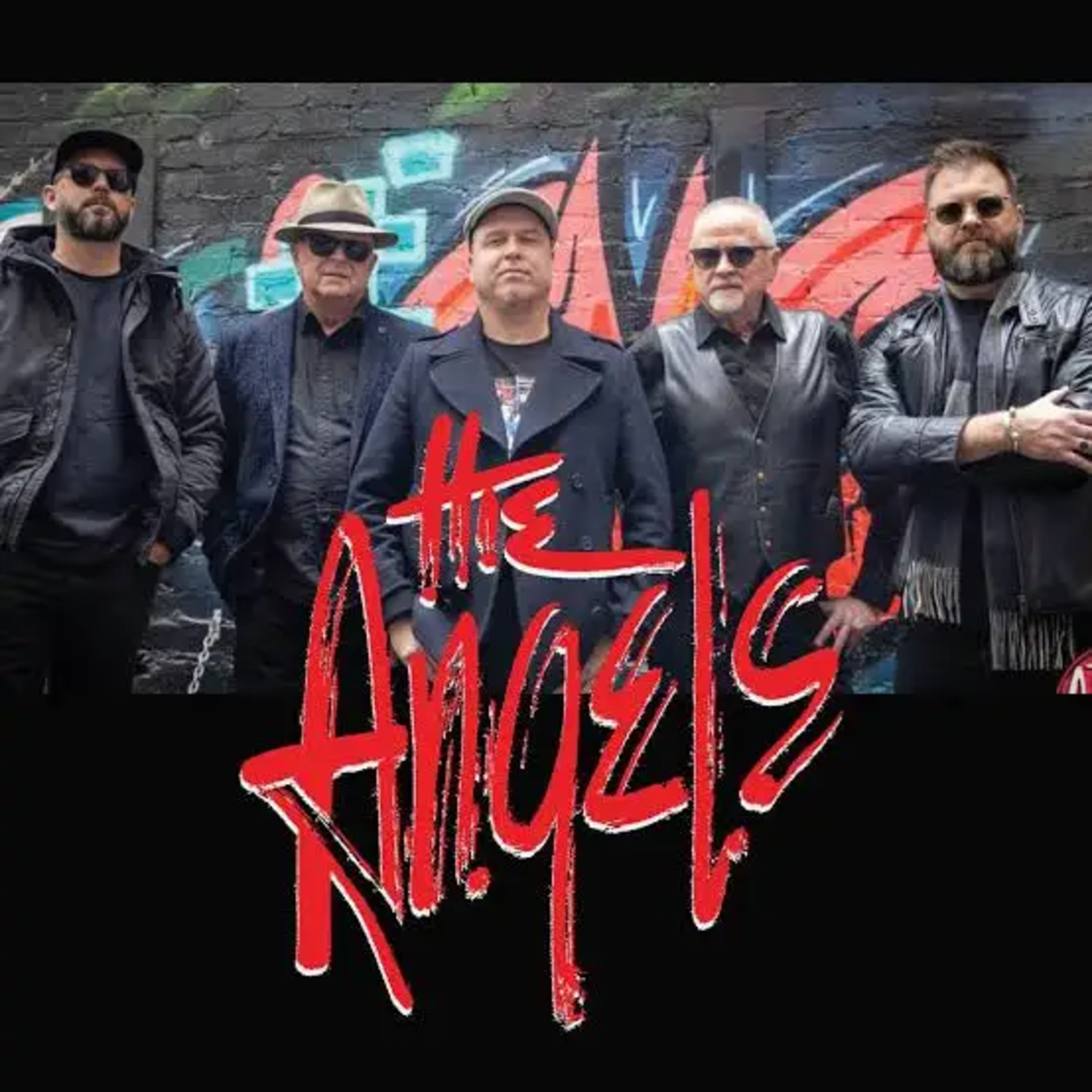
The Angels' John Brewster - Aussie Rock Classics And How The Crowd Changed the Song Forever
For more than five decades, The Angels have been one of Australia's most influential and enduring rock bands, delivering powerful live performances and timeless songs that have become woven into the fabric of Australian music. Their catalogue has stood the test of time, but perhaps no song is more iconic than Am I Ever Gonna See Your Face Again, which this year celebrates its 50th anniversary.In this episode, Sandy Kaye welcomes founding guitarist John Brewster for an engaging conversation that looks back on an extraordinary career while celebrating one of the most recognisable songs in Australian rock history. John shares the story of how The Angels came together, the musical influences that shaped the band, and the determination that helped them build a career spanning half a century.The discussion explores the origins of Am I Ever Gonna See Your Face Again and how the song evolved into a global live music phenomenon, thanks to the famous audience chant that has become as legendary as the song itself. John reflects on watching generations of fans embrace the tradition, creating one of the most unique and enduring moments in rock and roll.John also opens up about life on the road, the band's remarkable longevity, and how The Angels have managed to remain relevant while many of their contemporaries have faded away. He explains why the band's songs continue to resonate with audiences of all ages and why performing live remains just as exciting today as it was in the 1970s.The conversation turns to the future of The Angels, with John sharing the pride he feels in welcoming his sons into the band. Together they discuss the passing of the torch to a new generation, preserving the band's unmistakable sound while bringing fresh energy to one of Australia's most respected rock acts.Filled with great stories, behind-the-scenes insights and reflections on a career that has shaped Australian rock music, this episode is a celebration of resilience, family, unforgettable songs and the enduring connection between artists and their audiences.Whether you're a lifelong Angels fan or simply love hearing the stories behind classic music, this is an episode you won't want to miss.Subscribe to A Breath of Fresh Air for more intimate conversations with the legendary artists who created the soundtrack of our lives. New episodes feature candid interviews with the musicians behind the songs, revealing the stories you've never heard and the memories that continue to inspire generations of music lovers.
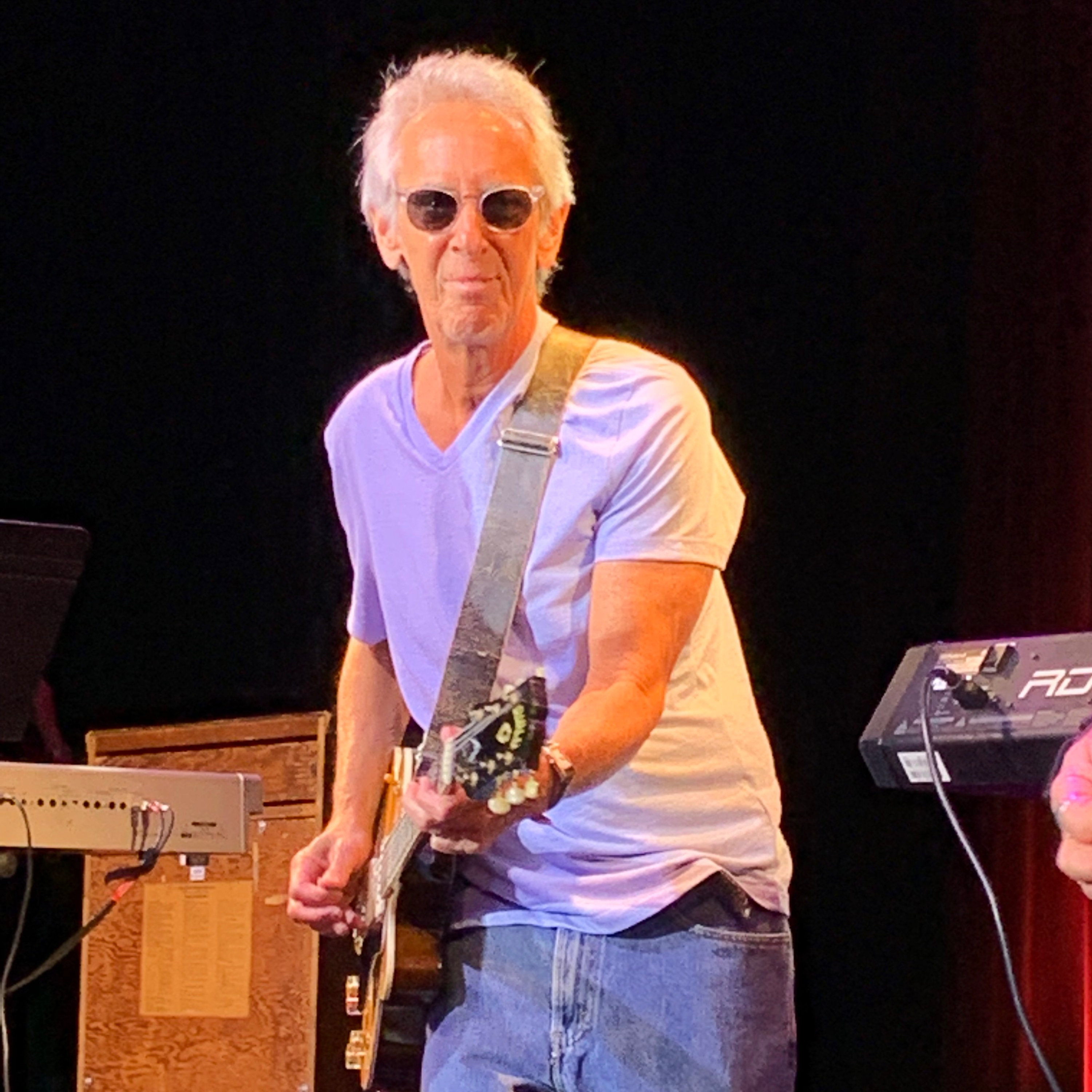
Elliot Lurie of Looking Glass: How Brandy Became One of the '70s Greatest Songs
More than fifty years after it first sailed onto the charts, Brandy (You're a Fine Girl) remains one of the most beloved songs of the 1970s. In this episode of A Breath of Fresh Air, Sandy Kaye welcomes Elliot Lurie, the lead singer, guitarist and songwriter behind Looking Glass, for a fascinating conversation about the song that changed his life forever.Elliot shares the remarkable story of how Brandy was written in a farmhouse in rural New Jersey, revealing that the song originally began with the name "Sandy" before evolving into the fictional barmaid the world would come to know. He explains how the song developed slowly, almost like writing a short story, and how the band painstakingly recorded multiple versions before finally creating the version that would become a number one hit.The conversation explores the early days of Looking Glass, from playing long nights in bars and fraternity houses to chasing a record deal and living together in a rented farmhouse where the band wrote and rehearsed. Elliot recalls the moment when Brandy unexpectedly caught fire at a Washington DC radio station and how that single moment changed the band's fortunes forever.Although many people regard Looking Glass as a one-hit wonder, Elliot discusses the band's later successes, including Jimmy Loves Mary-Anne, and reflects honestly on the challenges of trying to follow a massive hit. He speaks candidly about the disappointment of his solo career and the uncertainty he faced during the late 1970s.Listeners will also discover Elliot's remarkable second career in Hollywood as a music supervisor, where he worked on major films and television productions including Alien 3, A Night at the Roxbury and Riding in Cars with Boys. He explains the vital role music supervisors play in matching songs to film and television and how the business changed dramatically over the years.Now performing selectively, Elliot still enjoys the thrill of hearing audiences sing every word of Brandy more than five decades after its release. His reflections on creativity, success, reinvention and ageing offer warmth, humour and genuine wisdom.This is a wonderful conversation about one of the great songs of the '70s, the pressures of success, the importance of perseverance and the extraordinary staying power of music that connects across generations.
You may also like








Get this podcast on your phone, Free


Create Your Podcast In Minutes
- Full-featured podcast site
- Unlimited storage and bandwidth
- Comprehensive podcast stats
- Distribute to Apple Podcasts, Spotify, and more
- Make money with your podcast
