Lady Killers with Lucy Worsley
https://podcasts.files.bbci.co.uk/m0016pq3.rssEpisode List
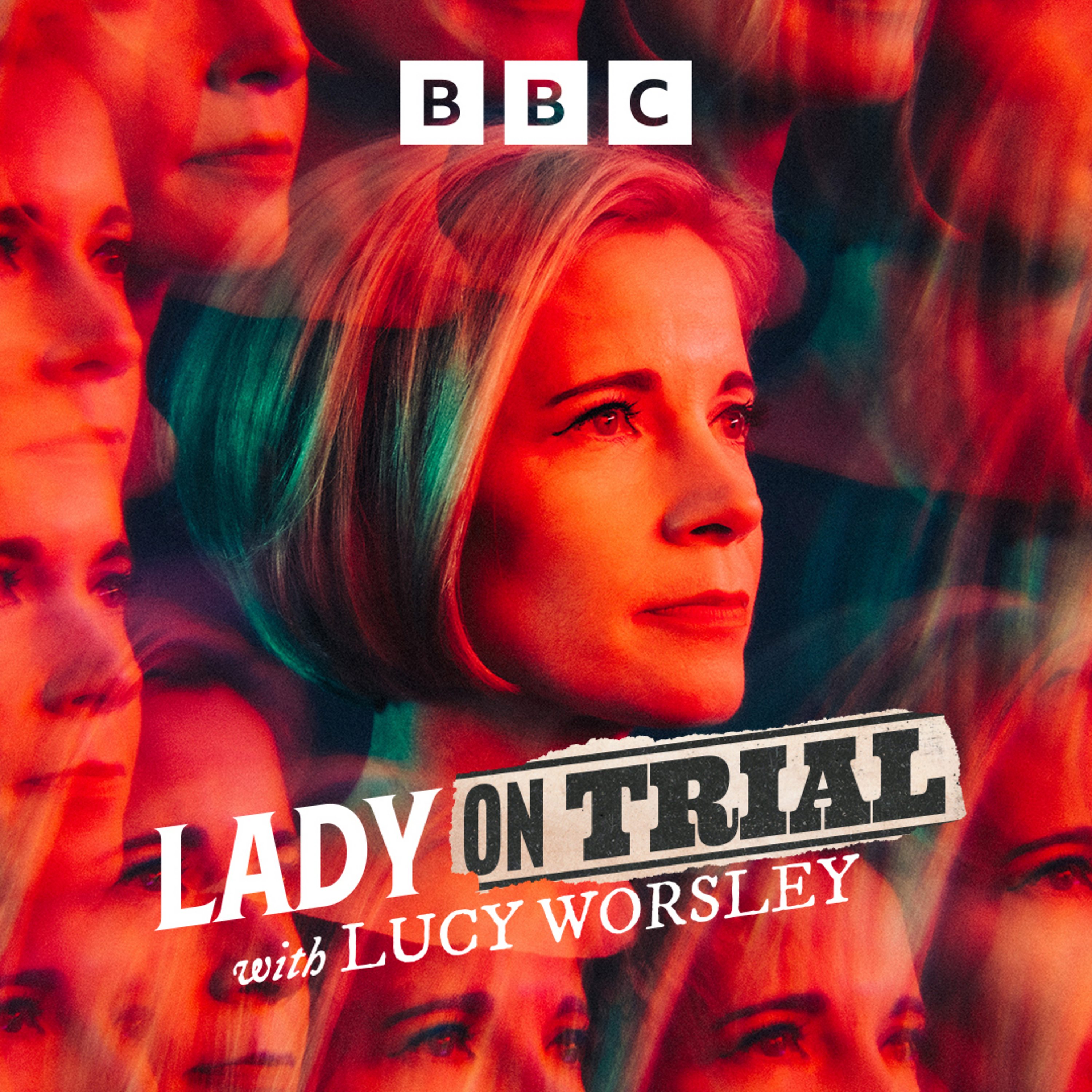
Trial by Media
Lucy Worsley continues the new series Lady on Trial, where courtroom drama meets history with a twist.Lucy and her team are meeting women who find themselves at the centre of extraordinary legal battles, from the 18th century to the 1920s.But in this episode, we’re putting something else on trial - the media itself. In our first four cases, Caroline Norton, Elizabeth Chudleigh, Audrey Jacob and Annie Kenney, aren’t just judged in the courtroom. They are also judged in newspapers, pamphlets and gossip columns.Lucy is joined by journalist and broadcaster Anoushka Mutanda Doughtery, who hosts the BBC Sounds podcast Fame Under Fire, and Professor Rosalind Crone from The Open University. They’ll discuss if it's ever really possible - either then, or now - for a woman to have a fair trial when a case goes viral. And why, three centuries on, women are still being judged in the court of public opinion. Producer: Julia Hayball Readers: Clare Corbett, William Hope, Jonathan Keeble and Dave Mason Head of Production: Claire Myers Sound design: Chris Maclean Assistant Producer: Alice Homewood Executive Producer: Kirsty Hunter A StoryHunter production for BBC Radio 4
Audrey Jacob - Murder on the Dancefloor
Lucy Worsley goes to a glittering ball in Western Australia to investigate the sensational case of Audrey Jacob. It’s the 1920s, the era of bobbed hair and daring hemlines, and a ball at the Government House in Perth is in full swing. A young woman pushes her way through the throng of dancers, and before a ballroom packed with startled witnesses, she produces a concealed pistol and fires. Cyril Gidley, her former fiancé, falls dead at her feet. What follows is a courtroom drama that’s still debated to this day. Is Audrey a cold blooded murderess? Surely an all-male jury will find her guilty? Lucy is joined by historian Professor Leigh Straw and criminal defence barrister Laura Stockdale to untangle this case. They discover a story of passion, abuse and betrayal, with a ruthless defence lawyer who will stop at nothing in his pursuit of freedom for his glamorous young client. Producer: Emily Hughes Readers: Clare Corbett, Jonathan Keeble, Ruth Sillers and William Hope Historical consultant: Professor Leigh Straw Head of Production: Claire Myers Sound Design: Chris Maclean Senior Producer: Julia Hayball Executive Producer: Kirsty HunterA StoryHunter production for BBC Radio 4.
Annie Kenney - Suffragette
Lucy Worsley is back with a new series of Lady on Trial, where courtroom drama meets history - with a twist. Lucy and her team of all female detectives travel back more than a hundred years to meet women hauled before the courts for crimes ranging from murder, adultery, and bigamy, to the shocking offense of not knowing their place.In this episode Lucy is investigating suffragette Annie Kenney. Born in 1879 near Oldham into a large, working-class weaving family, Annie works in a mill from a young age. But everything changes when she hears Christabel Pankhurst speak for votes for women in 1905. She quickly becomes involved in the campaign, giving rousing speeches and encouraging women to smash windows. Constantly in and out of prison, Annie endures hunger strike and is one of the first women released under the infamous Cat and Mouse Act.With Lucy to explore Annie Kenney’s story is barrister Jennifer Robinson, author of Silenced Women: Why the Law Fails Women and How to Fight Back. Jennifer gives us insight into how Annie’s actions might be interpreted today, and how they have directly impacted current protest laws. Lucy is also joined by historian and author Dr Lyndsey Jenkins, who wrote a book on Annie Kenney, Sisters and Sisterhood: The Kenney Family, Class and Suffrage. Lucy wants to know how effective the suffragette movement was in gaining women the vote. What did militancy achieve? And in today’s tumultuous landscape, is our right to vote more fragile than we think? Producer: Hannah Fisher Readers: Clare Corbett, Jonathan Keeble and Ruth Sillers Historical consultant: Dr Lyndsey Jenkins Head of Production: Claire Myers Sound design: Chris Maclean Senior producer: Julia Hayball Executive producer: Kirsty HunterA StoryHunter production for BBC Radio 4.
Elizabeth Chudleigh - Bigamist
Lucy Worsley is back with a new series where courtroom drama meets history…with a twist. In Lady on Trial we hear the voices of women from the past who end up in court charged with everything from murder, adultery and theft to civil disobedience. And Lucy is asking if their true crime could have been to be born female?Lucy is also telling the story of the fight for legal rights for women over three centuries, and wondering what still needs to be done for women to achieve true equality under the law.In this episode, Lucy is exploring the extraordinary case of Elizabeth Chudleigh, maid of honour to the Princess of Wales and one of the 18th century’s most glittering and notorious celebrities. But at the age of 24 Elizabeth makes an impetuous, secret marriage which will haunt her for the rest of her life, and eventually land her in the dock in front of all 116 members of the House of Lords. She’s on trial for bigamy, a crime which potentially carries the death sentence. Lucy wants to know how Elizabeth Chudleigh ended up on trial in the House of Lords. And what can her story tell us about marriage for women in 18th century Britain - and indeed, what can it tell us about women’s lives today? With Lucy to find out more about the case of Elizabeth Chudleigh is Baroness Helena Kennedy, one of the UK’s leading barristers and a member of the House of Lords since 1997. She’s also joined by Catherine Ostler, Elizabeth Chudleigh’s biographer. Together they explore Elizabeth’s extraordinary and unconventional life, and how the uncertainty of Elizabeth’s marital status led to the legal codifying of marriage which remains largely in place today. Producer: Jane Greenwood Readers: Clare Corbett, William Hope, Jonathan Keeble and Ruth Sillers Historical consultant: Catherine Ostler Head of Production: Claire Myers Sound design: Chris Maclean Senior producer: Julia Hayball Executive producer: Kirsty Hunter A StoryHunter production for BBC Radio 4
Caroline Norton - Campaigner
Lucy Worsley presents a brand new series – Lady on Trial, where courtroom drama meets history with a twist. Lucy and her team of all female detectives explore the lives of women involved in some of history’s most famous – and infamous – legal battles. Women who face the law head-on and don't always play by its rules. This time, Lucy is joined by the Baroness Hale of Richmond, first female president of the UK Supreme Court, to uncover the extraordinary story of Caroline Norton – a celebrated writer and socialite, accused of adultery with the British Prime Minister in a scandalous ‘Criminal Conversation’ trial in 1836. The courtroom is packed to the rafters, her private life scrutinised in excruciating detail, but Caroline cannot attend, give evidence or fight her corner.Socially ostracised and denied the right to see her three sons for years on end, Caroline channels her personal experience of injustice into a remarkable campaign to change the law on the custody of children. Her fearless activism also contributes to the dismantling of coverture, the common law doctrine that meant women had no legal existence of their own after marriage. They were completely subsumed or ‘covered’ by their husbands’. Lucy and Lady Hale look at family law today, thinking about what has changed and what could still be improved, especially for children when a relationship breaks down. Caroline Norton never calls herself a feminist, and they reflect on why that might be and the true meaning of feminism in the present day. Professor Rosalind Crone from The Open University sets Caroline’s case within the wider context of married life in 19th century Britain and explains how women used their ingenuity to beat the system wherever possible. Producer: Sarah Goodman Readers: Clare Corbett, William Hope, Jonathan Keeble and Ruth Sillers Historical consultant: Professor Rosalind Crone Head of Production: Claire Myers Sound design: Chris Maclean Senior Producer: Julia Hayball Executive Producer: Kirsty Hunter A StoryHunter production for BBC Radio 4







Get this podcast on your phone, Free


Create Your Podcast In Minutes
- Full-featured podcast site
- Unlimited storage and bandwidth
- Comprehensive podcast stats
- Distribute to Apple Podcasts, Spotify, and more
- Make money with your podcast
