Episode List
Does AI Worsen Gender Inequities?
Machine learning algorithms are increasingly being used to make highly consequential decisions for citizens of the Global South. I talk to Genevieve Smith about how algorithmic decision making in the realm of financial inclusion can lead to inequitable outcomes along gender lines, how that compares to the status quo, and how we can do better as practitioners and researchers.Genevieve Smith is the founding co-director of the Responsible and Equitable AI Initiative at the Berkley AI Research Lab and is also part of the faculty at Haas. She also serves as a Gender & AI Fellow at USAID and leads research partnerships with big tech firms.
How Does Generative AI Represent the Global South?
With all the buzz surrounding AI, we're missing an understanding of how recent AI advancements affect those in the global South. I talk to Rida Qadri about ways in which generative AI fails to represent those in the Global South, what the implications of these failures are, and what's needed to do better. Rida Qadri is an interdisciplinary scholar focusing on the cultural impacts of generative AI for people and communities in the global south. She is a Research Scientist at Google Research, and has a PhD in Computational Urban Science and Masters in Urban Studies from MIT.Both Rida and I are speaking in our private capacities, and neither Rida's nor my views expressed in this episode necessarily represent those of our respective employers.
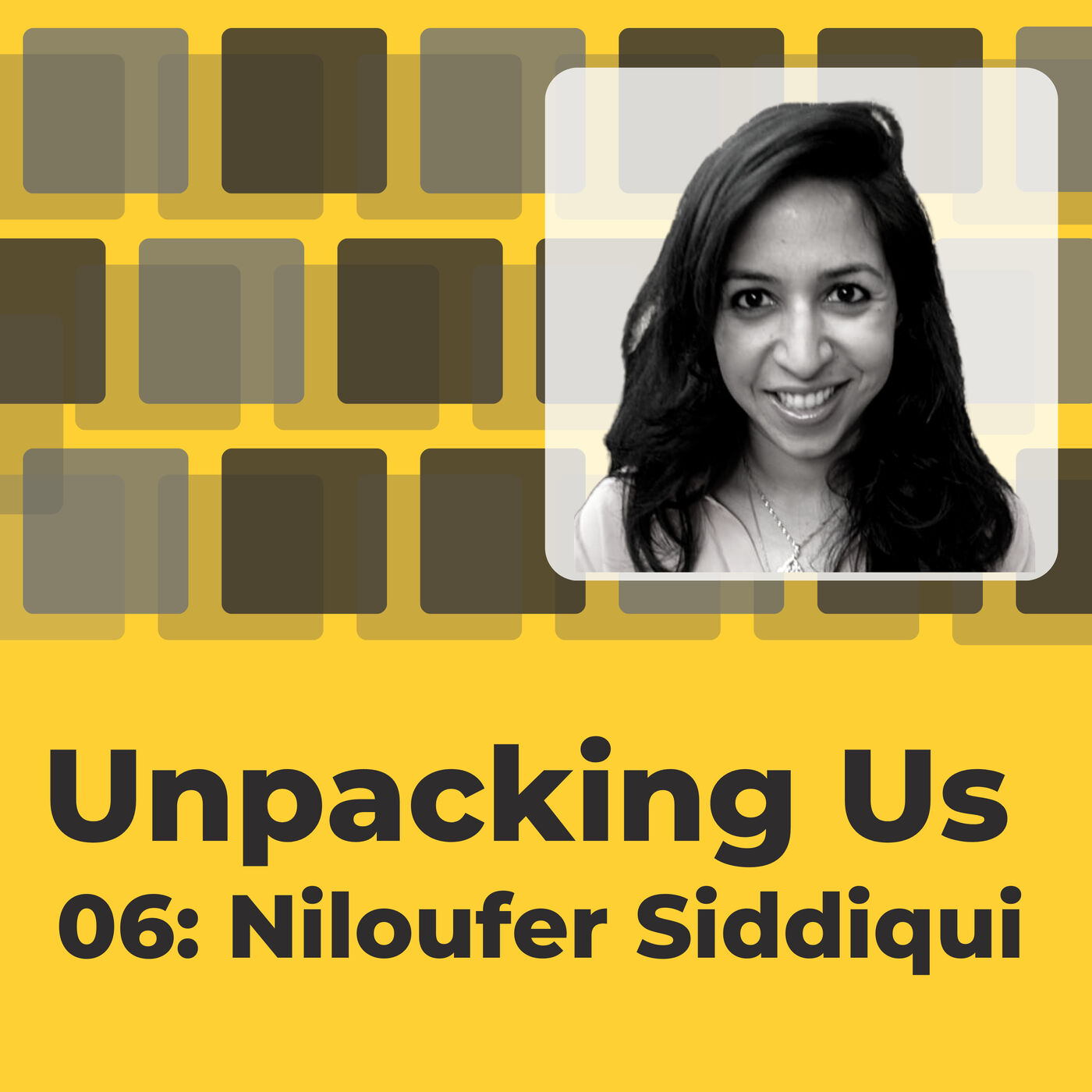
How Will Parties and Voters Influence the Upcoming Election in Pakistan?
In Pakistan, election decisions can be dependent on either the party’s label or the party’s ideology. Currently, Pakistan’s political parties are facing a number of constraints in trying to influence the outcomes of voters’ choice during election time. Dr. Niloufer Siddiqui and Dr. Asad Liaqat discuss these constraints and how the upcoming election outcomes can be influenced by the way parties are structured and the way they interact with voters.This is a guest episode from the "Let's Talk Development" podcast by CDPR. Dr. Niloufer Siddiqui is an Assistant Professor of Political Science at the Rockefeller College of Public Affairs and Policy, University at Albany-State University of New York (SUNY). She is a Nonresident Fellow at the Stimson Center and a Fellow at the Mahbub ul Haq Centre at LUMS. Her research interests include political violence, political behavior, the politics of religion and ethnicity, voters and foreign policy, and the politics of South Asia. Her book manuscript examines why political parties in Pakistan engage in violence or form electoral alliances with violent actors.
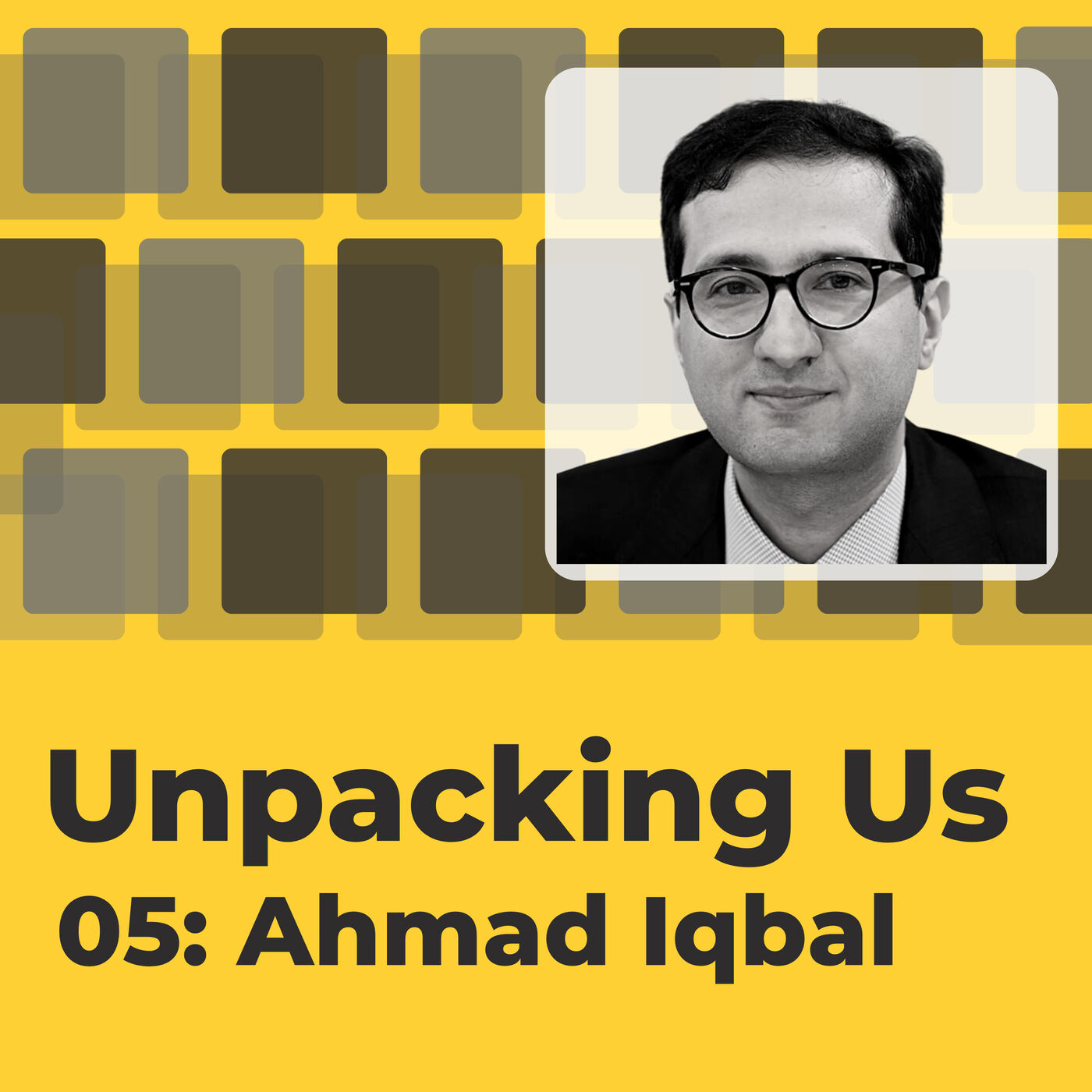
Why Pakistan Needs Strong Local Governments
I talk to Ahmad Iqbal about the state of local governments in Pakistan, why we should care about strong local governments, and what it would take for a lasting and strong local government system in Pakistan. Ahmad Iqbal is the former chairman of the Narowal District Council. He is one of the fiercest advocates for strong local governments in Pakistan, and has recently launched the Pakistan Local Democracy Dialogue. This episode is in Urdu.
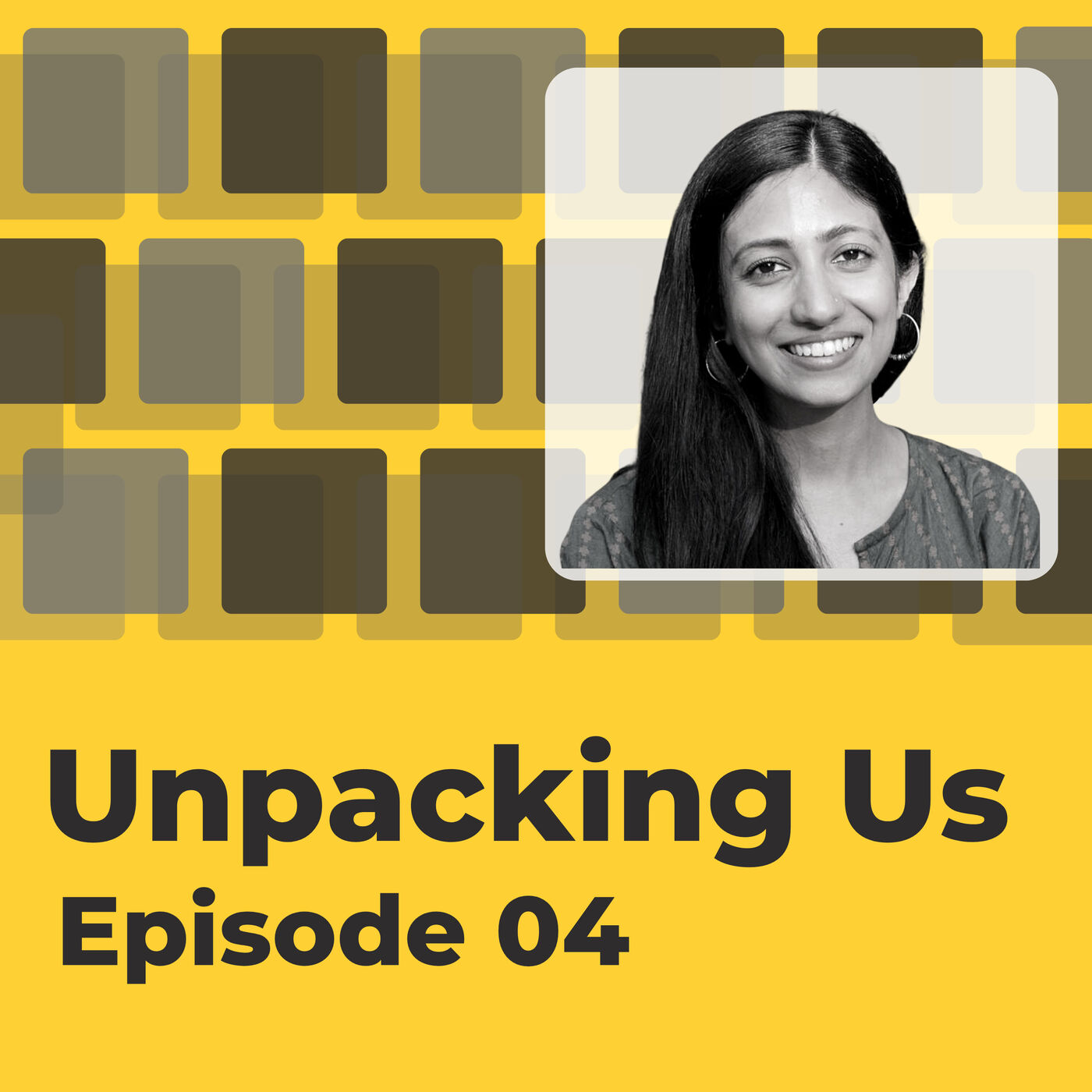
How Can We Close Gender Gaps in Voting?
Pakistan has one of the largest gender gaps in voting in the world. In the 2018 election, the number of women who voted was 11 million less than the number of men who voted. What can we do to close this gender gap? How can we reach a state where women are able to exercise their democratic rights as voters on an equal footing with men? But before we talk about that, why is it even important to close this gender gap? To unpack these questions, I bring in Sarah Khan who is an Assistant Professor of Political Science at Yale University where she does research on gender and politics. We talk today about some research that we did together, along with Ali Cheema and Shandana Mohmand. This research was published in the American Political Science Review. In this episode, we take you through how we found what works to increase women’s turnout in Pakistan, why our findings are surprising, and may also be deeply problematic! Link to the research we talked about: Ali Cheema, Sarah Khan, Asad Liaqat, and Shandana Khan Mohmand (2022) “Canvassing the Gatekeepers: A Field Experiment to Increase Women Voters’ Turnout in Pakistan,” American Political Science Review. Cambridge University Press, pp. 1–21. Sarah's recommendations: Pakistan General Election 2018 Polling Station DataRachel Brulé (2020) Women, Power, and Property: The Paradox of Gender Equality Laws in India. Cambridge: Cambridge University Press Anukriti, S., Herrera-Almanza, C., Pathak, P.K. and Karra, M. (2020), Curse of the Mummy-ji: The Influence of Mothers-in-Law on Women in India. Amer. J. Agr. Econ., 102: 1328-1351.









Get this podcast on your phone, Free


Create Your Podcast In Minutes
- Full-featured podcast site
- Unlimited storage and bandwidth
- Comprehensive podcast stats
- Distribute to Apple Podcasts, Spotify, and more
- Make money with your podcast