Autistic Culture Presents
https://feeds.acast.com/public/shows/6889fedbbe8bca0ca288454aEpisode List
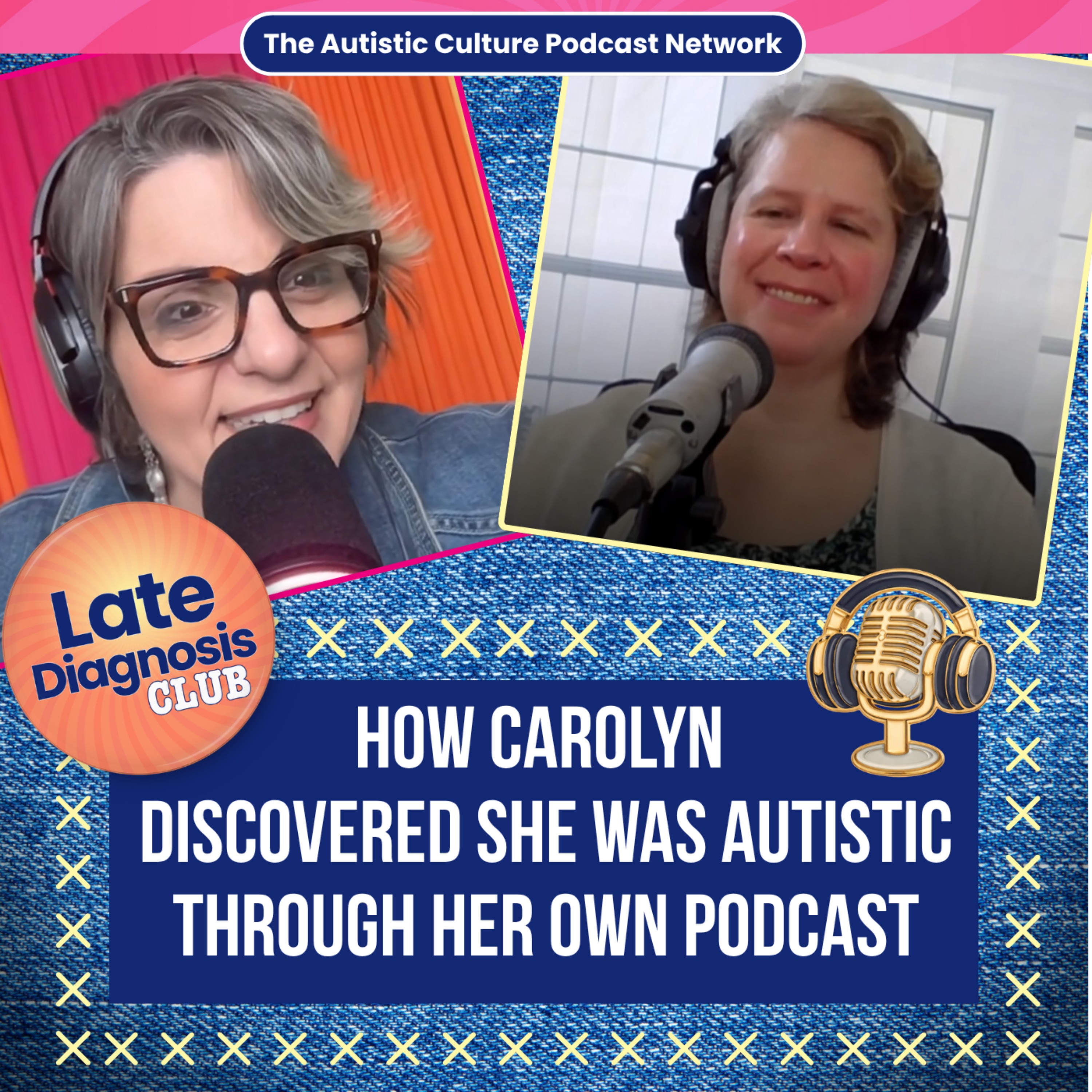
Late Diagnosis Club: How Carolyn Discovered She Was Autistic Through Her Own Podcast
In this meeting of The Late Diagnosis Club, Dr Angela Kingdon welcomes Carolyn Kiel, host of the award-winning podcast Beyond 6 Seconds, who discovered she was Autistic not before, but through her podcasting journey.Together, Angela and Carolyn explore late discovery through connection, the limits of traditional narratives around autism, workplace misunderstandings, and how language and self-understanding can transform everyday life.🪑 AttendeesChair: Dr Angela Kingdon — Author, community-builder, and Autistic advocateGuest: Carolyn Kiel — Host of the Beyond 6 Seconds PodcastYou: The Listener!🗒️ Meeting AgendaOpening remarks from the ChairMember introduction: Discovering autism through podcastingDiscussion: Representation, stereotypes, and lived experienceLate diagnosis and identity integrationSelf-identification vs formal diagnosisPost-diagnosis adjustments and accommodationsAutistic joy and special interestsKey learningsClub announcements🧾 Minutes from the Meeting1️⃣ Opening RemarksAngela introduces Carolyn Kiel, host of Beyond 6 Seconds, a long-running podcast exploring human experiences and neurodiversity. Carolyn shares how her podcasting journey began as a creative outlet, and unexpectedly became the pathway to discovering her own Autistic identity.2️⃣ Member Introduction: Carolyn’s StoryCarolyn began podcasting in 2018 to build creative expression and practise one-on-one conversations. As an introverted and self-described shy person, interviewing others about their passions offered a structured way to connect.Through her podcast, she encountered members of the disability and neurodivergent community, including Autistic creators. Hearing their experiences, particularly how autism felt rather than how it was externally described, led to a growing sense of recognition.After further research, particularly around how autism presents in women, Carolyn began to question whether she might be Autistic. She later pursued a formal diagnosis in her mid-40s, which confirmed her understanding and led her to pivot her podcast toward neurodivergent voices and intersectional experiences.3️⃣ Discussion HighlightsDiscovery through others: Recognising yourself in the lived experiences of othersBeyond stereotypes: Moving past narrow 80s/90s definitions of autismSelf-identification vs diagnosis: Barriers, access, and validity of both pathsSocial confusion: Difficulty navigating conversations, timing, and group dynamicsCommunication shifts: Learning to verbalise internal processing needsAccommodations: Fidgets, earplugs, sunglasses, and sensory awarenessPodcasting as control: Creative ownership, structure, and autonomyIntersectionality: Exploring neurodivergence across race, gender, and identityCorporate navigation: Developing “scripts” to survive workplace culture4️⃣ Key LearningsLate diagnosis can emerge through connection and shared stories, not just clinical pathways.Understanding internal experience is often more powerful than external definitions.Self-identification is valid, particularly where diagnostic barriers exist.Giftedness and competence can mask significant support needs.Small accommodations can meaningfully improve daily life.Workplace challenges are often rooted in misunderstanding, not inability.Identity integration is an ongoing process, not a single moment of clarity.📌 Notice BoardBeyond 6 Seconds: Neurodiversity stories from neurodivergent peopleRecommended Episode: Interview with Tiffany Hammond (A Day With No Words)📣 Club Announcements🎧 The Late Diagnosis Club is available on Spotify, Apple Podcasts, and all major platforms.💬 Join our online meetups and community at latediagnosis.club.📌 Check the LDC Notice Board for Member Contributions💜 There is a small charge — but no one is turned away for lack of funds.🌈 Celebrate autistic voices with early access, ad-free listening, and our full archive at AutisticCulturePlus.com🌐 Visit www.autisticculturepodcast.com📲 Follow us on Instagram: @autisticculturepodcast🎙️ Executive Producers: Amy Burns, Anamaria B Call, Andrew Banner, Anna Goodson, Ashley Apelzin, Audrea Volker, Ben Coulson, Brian Churcek, Cappy Hamper, Carley Biblin, Charlene Deva, Chloe Cross, Clay Duhigg, Clayton Oliver, Danny Dunn, Daria Brown, David Garrido, Emily Burgess, Eric Crane, Erik Stenerud, Fiona Baker, Grace Norman, Helen Shaddock, Jaimie Collins, Jason Killian, Jen Unruh, Jennifer Carpenter, Julia Tretter, Kathie Watson-Gray, Kenneth Knowles, Kira Cotter, Kristine Lang, Kyle Raney, Llew P Williams, Laura Alvarado, Laura De Vito, Laura Provonsha, Lily George, Nelly Darmi, Nigel Rogers, Rachel Miller, Tim Scott, Tyler Kunz, Victoria Steed, Yanina Wood.🎧 Producers: AJ Knight, Bobby Simon, Da Kovac, Eleanor Collins, Emily Griffiths, Hannah Hughes, Jennifer Kemp, Jonas Fløde, Kate F, Katie N Benitez, Kendra Murphy, Lisa Dennys, Logan Wall, Louise Lomas, Melissa Nance, Nicola Owen, Rebecka Johansson, Sam Morris, Sarah Hannah Morris. Hosted on Acast. See acast.com/privacy for more information.
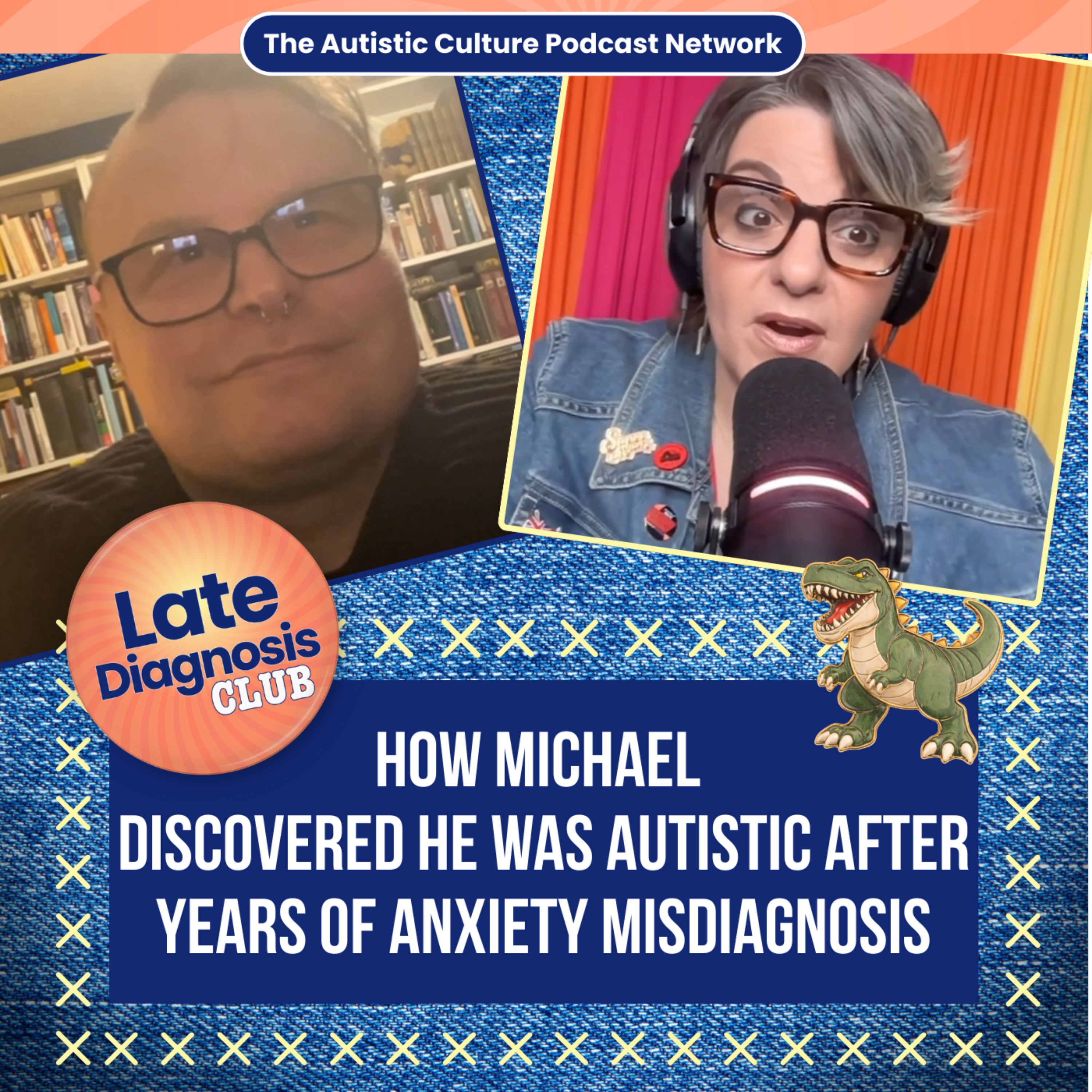
Late Diagnosis Club: How Michael Discovered He Was Autistic After Years of Anxiety Misdiagnosis
In this meeting of The Late Diagnosis Club, Dr Angela Kingdon welcomes Michael Kelly, a late-diagnosed Autistic artist and recent PhD graduate in design whose work explores how art can help us think about thinking.Michael’s path to diagnosis began unexpectedly during his wife Susie’s autism assessment. After sitting in on several sessions as her carer, the clinician suggested that Michael pursue an assessment as well, leading to his own diagnosis a year later.Together, Angela and Michael explore childhood solitude and special interests, creative practice as a way of understanding the mind, and how art can disrupt the systems that shape our thinking.🪑 AttendeesChair: Dr Angela Kingdon — Author, community-builder, and Autistic advocateGuest: Michael Kelly — Autistic artist, designer, and researcherYou: The Listener!🗒️ Meeting AgendaOpening remarks from the ChairMember introduction: Growing up as the “weird kid” and finding refuge in books and ideasDiscussion: Philosophy, art practice, and early adult burnoutPsychosis, misdiagnosis, and years labelled as anxietyAutistic masking, sensory overwhelm, and family patternsArt as inquiry: performance, sculpture, and metacognitionArtificial intelligence, normativity, and the role of artistsKey learningsClub announcements🧾 Minutes from the Meeting1️⃣ Opening RemarksAngela introduces Michael Kelly, a late-diagnosed Autistic artist and newly minted PhD graduate whose research explores how art can help us understand thinking itself, particularly in the context of emerging technologies and artificial intelligence.2️⃣ Member Introduction: Michael’s StoryMichael describes growing up as “the weird kid,” finding comfort in solitary interests like books, dinosaurs, comics, and drawing. As an only child, he often retreated into imagination and reflection. Experiences that, in hindsight, align with Autistic ways of engaging with the world.After studying philosophy at Durham University in the UK, Michael pursued creative work and eventually a career in advertising before experiencing severe burnout and psychosis in his mid-20s. For years afterwards, he lived under an anxiety diagnosis without understanding the deeper neurodivergent context behind his experiences.3️⃣ Discussion HighlightsOnly-child solitude: Safe space for imagination, reading, and deep thinkingEarly interests: Dinosaurs, comics, drawing, theology, and philosophyAdvertising burnout: Workplace pressure and sensory overload leading to psychosisMisdiagnosis: Years labelled with anxiety before autism was consideredPartner recognition: Sitting in on Susie’s autism assessment sparked Michael’s ownMasking and sensory overwhelm: Eye contact, social performance, and inherited patternsArt as inquiry: Performance art, sculpture, and artistic experiments exploring the mindMetacognition: Using art to examine how humans think about thinkingAI and normativity: Concerns about artificial intelligence reinforcing “average” thinking4️⃣ Key LearningsLate discovery often begins with recognition by someone close to us.Years of anxiety or other diagnoses can obscure underlying neurodivergence.Creative practice can become a powerful tool for understanding internal experience.Masking and sensory overwhelm often shape lifelong coping strategies.Artists may play an important role in questioning the systems and technologies shaping our future.📌 Notice BoardMichael’s Website📣 Club Announcements🎧 The Late Diagnosis Club is available on Spotify, Apple Podcasts, and all major platforms.💬 Join our online meetups and community at latediagnosis.club.📌 Check the LDC Notice Board for Member Contributions💜 There is a small charge — but no one is turned away for lack of funds.🌈 Celebrate autistic voices with early access, ad-free listening, and our full archive at AutisticCulturePlus.com🌐 Visit www.autisticculturepodcast.com📲 Follow us on Instagram: @autisticculturepodcast🎙️ Executive Producers: Amy Burns, Anamaria B Call, Andrew Banner, Anna Goodson, Ashley Apelzin, Audrea Volker, Ben Coulson, Brian Churcek, Cappy Hamper, Carley Biblin, Charlene Deva, Chloe Cross, Clay Duhigg, Clayton Oliver, Danny Dunn, Daria Brown, David Garrido, Emily Burgess, Eric Crane, Erik Stenerud, Fiona Baker, Grace Norman, Helen Shaddock, Jaimie Collins, Jason Killian, Jen Unruh, Jennifer Carpenter, Julia Tretter, Kathie Watson-Gray, Kenneth Knowles, Kira Cotter, Kristine Lang, Kyle Raney, Llew P Williams, Laura Alvarado, Laura De Vito, Laura Provonsha, Lily George, Nelly Darmi, Nigel Rogers, Rachel Miller, Tim Scott, Tyler Kunz, Victoria Steed, Yanina Wood.🎧 Producers: AJ Knight, Bobby Simon, Da Kovac, Eleanor Collins, Emily Griffiths, Hannah Hughes, Jennifer Kemp, Jonas Fløde, Kate F, Katie N Benitez, Kendra Murphy, Lisa Dennys, Logan Wall, Louise Lomas, Melissa Nance, Nicola Owen, Rebecka Johansson, Sam Morris, Sarah Hannah Morris. Hosted on Acast. See acast.com/privacy for more information.
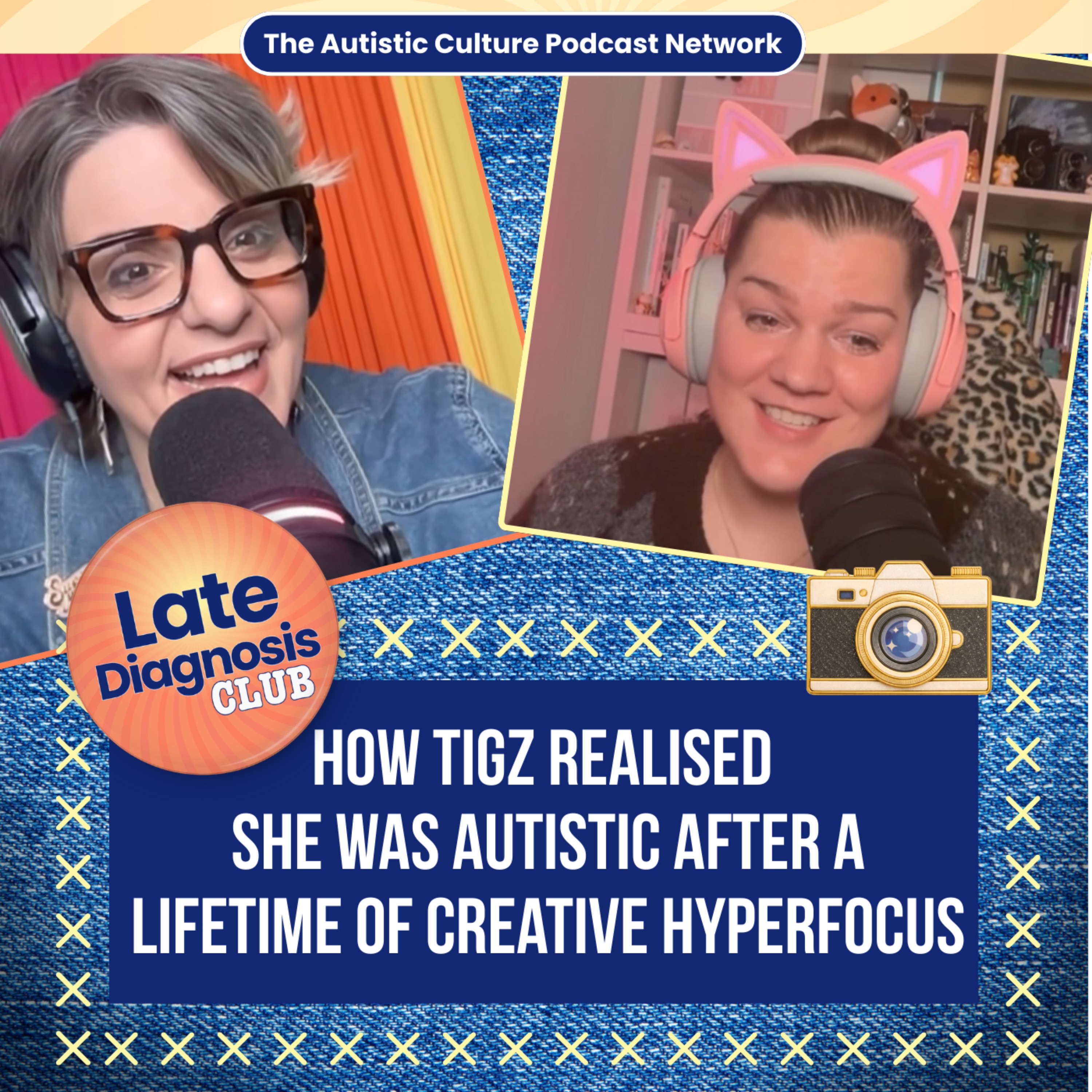
Late Diagnosis Club: How Tigz Realised She Was Autistic After a Lifetime of Creative Hyperfocus
In this meeting of The Late Diagnosis Club, Dr Angela Kingdon welcomes Tigz Rice, an empowerment photographer whose work centres on helping people feel truly seen in their own bodies.Diagnosed with ADHD and autism in her late 30s, Tigz reflects on the subtle signs that were present throughout childhood — from early hyperfocus on computers and photography to lifelong curiosity about how things work. What began as a casual exploration of ADHD eventually led to a dual diagnosis that reframed decades of experience and self-understanding.Together, Angela and Tigz explore late discovery, high masking, creative hyperfocus, and how learning her neurodivergent “user manual” has changed how she treats herself.🪑 AttendeesChair: Dr Angela Kingdon — Author, community-builder, and Autistic advocateGuest: Tigz Rice — Empowerment photographer, podcaster, and late-identified Autistic ADHDerYou: The Listener!🗒️ Meeting AgendaOpening remarks from the ChairMember introduction: Creativity, photography, and late neurodivergent discoveryDiscussion: ADHD first, autism later, and the long path to diagnosisHyperfocus, masking, and childhood signsCreative communities, burlesque, and neurodivergent overlapLearning self-compassion after diagnosisKey learningsClub announcements🧾 Minutes from the Meeting1️⃣ Opening RemarksAngela welcomes listeners to the meeting and introduces photographer Tigz Rice, whose work focuses on helping people feel comfortable being seen in their bodies. Through photography, Tigz creates spaces where authenticity and vulnerability are welcomed rather than hidden.2️⃣ Member Introduction: Tigz’s StoryTigz did not suspect she was neurodivergent until her 30s. The idea first emerged when several friends in her social circle began receiving ADHD and autism diagnoses.What began as curiosity became a deeper investigation. Her ADHD diagnosis arrived first, followed by an autism diagnosis only a few months later at age 38. Rather than shock or shame, the experience felt largely validating — like finally gaining access to the “user manual” for her brain.3️⃣ Discussion HighlightsFriendship pattern: Entire social circle gradually discovering neurodivergenceADHD pathway: Diagnosis first revealed lifelong dopamine-seeking and shifting interestsAutism clarity: ADHD medication made Autistic traits more visibleChildhood signs: Fascination with computers, photography, and how systems workCreative hyperfocus: Photoshop, illustration, and photography as enduring interestsPerformance worlds: Theatre and burlesque communities with strong neurodivergent presenceMasking awareness: Realising later how much effort social performance requiredAutistic glimmers: Full-body sensory moments of joy and alignmentSelf-compassion: Learning to honour limits and support her own needs4️⃣ Key LearningsLate diagnosis can bring validation rather than crisis.ADHD and autism can mask each other until one becomes clearer.Creative communities often offer safer spaces for neurodivergent expression.Understanding your neurodivergence can lead to greater self-compassion.Trusting your intuition and pattern recognition can guide self-discovery.📌 Notice BoardTigz WebsiteTigz PodcastIf anyone wants to be photographed by Tigz, you can find the details at https://www.tigzrice.com📣 Club Announcements🎧 The Late Diagnosis Club is available on Spotify, Apple Podcasts, and all major platforms.💬 Join our online meetups and community at latediagnosis.club.📌 Check the LDC Notice Board for Member Contributions💜 There is a small charge — but no one is turned away for lack of funds.🌈 Celebrate autistic voices with early access, ad-free listening, and our full archive at AutisticCulturePlus.com🌐 Visit www.autisticculturepodcast.com📲 Follow us on Instagram: @autisticculturepodcast🎙️ Executive Producers: Amy Burns, Anamaria B Call, Andrew Banner, Anna Goodson, Ashley Apelzin, Audrea Volker, Ben Coulson, Brian Churcek, Cappy Hamper, Carley Biblin, Charlene Deva, Chloe Cross, Clay Duhigg, Clayton Oliver, Danny Dunn, Daria Brown, David Garrido, Emily Burgess, Eric Crane, Erik Stenerud, Fiona Baker, Grace Norman, Helen Shaddock, Jaimie Collins, Jason Killian, Jen Unruh, Jennifer Carpenter, Julia Tretter, Kathie Watson-Gray, Kenneth Knowles, Kira Cotter, Kristine Lang, Kyle Raney, Llew P Williams, Laura Alvarado, Laura De Vito, Laura Provonsha, Lily George, Nelly Darmi, Nigel Rogers, Rachel Miller, Tim Scott, Tyler Kunz, Victoria Steed, Yanina Wood.🎧 Producers: AJ Knight, Bobby Simon, Da Kovac, Eleanor Collins, Emily Griffiths, Hannah Hughes, Jennifer Kemp, Jonas Fløde, Kate F, Katie N Benitez, Kendra Murphy, Lisa Dennys, Logan Wall, Louise Lomas, Melissa Nance, Nicola Owen, Rebecka Johansson, Sam Morris, Sarah Hannah Morris. Hosted on Acast. See acast.com/privacy for more information.
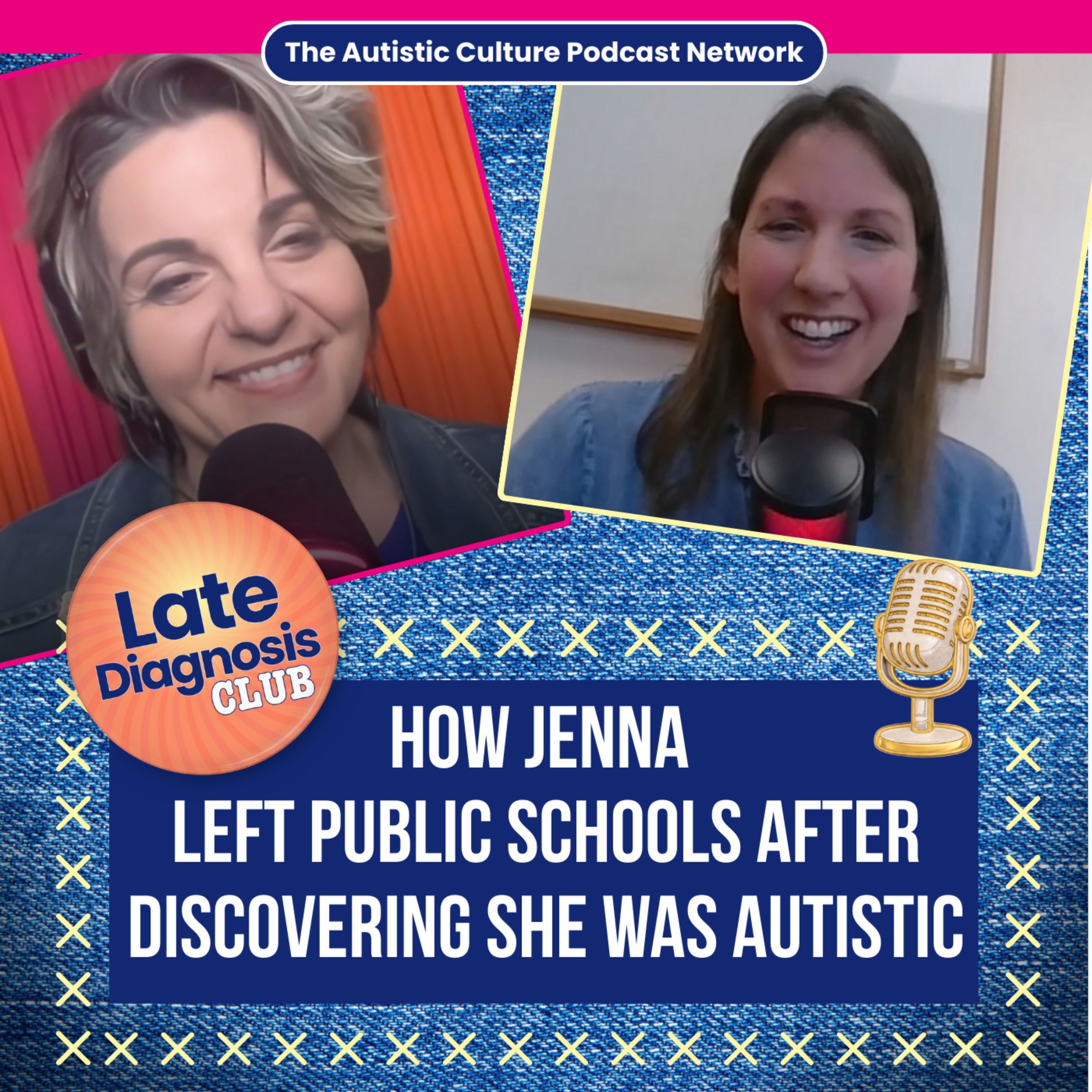
Late Diagnosis Club: How Jenna Left Public Schools After Discovering She Was Autistic
In this meeting of The Late Diagnosis Club, Dr Angela Kingdon welcomes Jenna Goldstein, a late-diagnosed Autistic school psychologist who left the public education system after recognising its incompatibility with neurodiversity-affirming practice.Jenna first recognised her own autism after her three-year-old daughter was identified. As she turned to Autistic voices for understanding, what began as advocacy for her child became a deeper self-recognition. Within months, she self-identified, and years later sought a formal diagnosis from an Autistic evaluator to connect more dots and model an Autistic identity for her children.This is a conversation about human rights, blueprint-building, leaving systems that harm, and crafting lives that actually work for autistic nervous systems.🪑 AttendeesChair: Dr Angela Kingdon — Author, community-builder, and Autistic advocateGuest: Jenna Goldstein — late-diagnosed Autistic school psychologist; founder of ND3You: The Listener!🗒️ Meeting AgendaOpening remarks from the ChairMember introduction: Daughter’s diagnosis and late self-recognitionDiscussion: School psychology training and harmful autism narrativesUnspoken agendas: Budgets, bias, and gatekeeping in public schools“Developmental delay” and the myth of the model childLeaving public schools and building ND3Neurodiversity-affirming family supportDesigning sustainable neurodivergent homes🧾 Minutes from the Meeting1️⃣ Opening RemarksAngela introduces Jenna as a late-diagnosed Autistic school psychologist who recognised her own neurodivergence through parenting, and who ultimately left the public school system after concluding it was structurally incompatible with neurodiversity-affirming values.2️⃣ Member Introduction: Jenna’s StoryJenna first encountered autism when her three-year-old daughter was identified. Dissatisfied with deficit-based descriptions, she sought understanding directly from Autistic adults. As she read first hand accounts, she recognised herself.She self-identified within six months and later pursued a formal diagnosis with autism, not out of doubt, but to deepen understanding and model Autistic identity for her children.3️⃣ Discussion HighlightsAutistic recognition: Learning from Autistic voices instead of textbooksMedical model critique: Rejecting “defective human” narrativesUnspoken pressures: Budget constraints influencing eligibility decisionsGatekeeping language: “Developmental delay” as catch-all categorySystem limits: Realising change from within has ceilingsPrivate practice shift: Leaving public schools for ND3Human rights lens: Equal dignity for neurodivergent childrenFamily sustainability: Peaks, valleys, flexibility, and regulation planningBlueprint building: Co-creating neurodivergent life models4️⃣ Key LearningsListening to autistic voices changes everythingTraining does not guarantee understandingSystems can be well-intentioned and still harmfulBudget pressures quietly shape access to supportNeutral framing reduces shame and blameAutistic pride is pride in humanity, not productivityNot all systems can be changed from withinSustainable lives require intentional designYou are allowed to leave what harms you📌 Notice BoardND3 InstagramND3 Website📣 Club Announcements🎧 The Late Diagnosis Club is available on Spotify, Apple Podcasts, and all major platforms.💬 Join our online meetups and community at latediagnosis.club.📌 Check the LDC Notice Board for Member Contributions💜 There is a small charge — but no one is turned away for lack of funds.🌈 Celebrate autistic voices with early access, ad-free listening, and our full archive at AutisticCulturePlus.com🌐 Visit www.autisticculturepodcast.com📲 Follow us on Instagram: @autisticculturepodcast🎙️ Executive Producers: Amy Burns, Anamaria B Call, Andrew Banner, Anna Goodson, Ashley Apelzin, Audrea Volker, Ben Coulson, Brian Churcek, Cappy Hamper, Carley Biblin, Charlene Deva, Chloe Cross, Clay Duhigg, Clayton Oliver, Danny Dunn, Daria Brown, David Garrido, Emily Burgess, Eric Crane, Erik Stenerud, Fiona Baker, Grace Norman, Helen Shaddock, Jaimie Collins, Jason Killian, Jen Unruh, Jennifer Carpenter, Julia Tretter, Kathie Watson-Gray, Kenneth Knowles, Kira Cotter, Kristine Lang, Kyle Raney, Llew P Williams, Laura Alvarado, Laura De Vito, Laura Provonsha, Lily George, Nelly Darmi, Nigel Rogers, Rachel Miller, Tim Scott, Tyler Kunz, Victoria Steed, Yanina Wood.🎧 Producers: AJ Knight, Bobby Simon, Da Kovac, Eleanor Collins, Emily Griffiths, Hannah Hughes, Jennifer Kemp, Jonas Fløde, Kate F, Katie N Benitez, Kendra Murphy, Lisa Dennys, Logan Wall, Louise Lomas, Melissa Nance, Nicola Owen, Rebecka Johansson, Sam Morris, Sarah Hannah Morris. Hosted on Acast. See acast.com/privacy for more information.
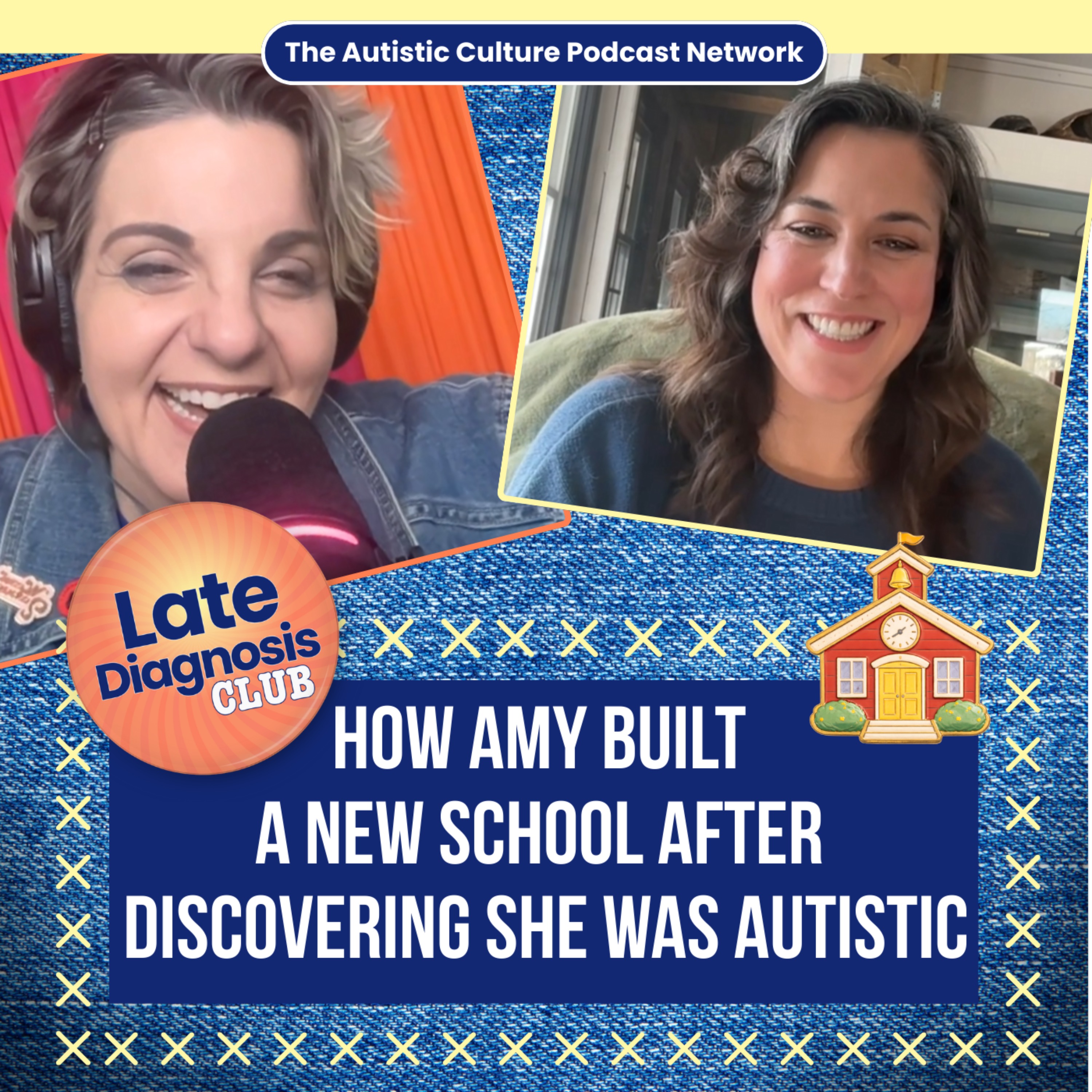
Late Diagnosis Club: How Amy Built a New School After Discovering She Was Autistic
In this meeting of The Late Diagnosis Club, Dr Angela Kingdon welcomes Amy Kriewaldt, a late-diagnosed Autistic, ADHD, and PDA mother of three neurodivergent children.Amy grew up a hyperlexic piano prodigy, praised for talent and performance while quietly navigating sensory overwhelm, situational mutism, perfectionism, and crushing internal expectations. It wasn’t until her children began receiving diagnoses that she started to recognise herself in their traits, and ultimately heard the words that changed everything: “Oh, I think you’re Autistic.”Together, Angela and Amy explore hyperlexia, auditory processing differences, late self-recognition, self-compassion, memoir writing as a reframing, ADHD medication, self-medication through alcohol and caffeine, and the shift from compliance-based education to connection-centred learning.This is a conversation about reframing failure, advocating fiercely, rewriting your past, and building systems that support autistic people across the lifespan.🪑 AttendeesChair: Dr Angela Kingdon — Author, community-builder, and Autistic advocateGuest: Amy Kriewaldt — late-diagnosed Autistic, ADHD, and PDA advocate; founder of Creewald AcademyYou: The Listener!🗒️ Meeting AgendaOpening remarks from the ChairMember introduction: Prodigy pressure, hyperlexia, and sensory overwhelmDiscussion: Parenting autistic children and recognising yourselfAuditory processing, situational mutism, and late diagnosisADHD, self-medication, and relief through treatmentRewriting childhood through memoir and self-compassionRestraint policies, advocacy, and saying “no”🧾 Minutes from the Meeting1️⃣ Opening RemarksAngela introduces Amy as a late-diagnosed Autistic and ADHD parent navigating life with three neurodivergent children — all PDA — and building alternatives where traditional systems fall short.2️⃣ Member Introduction: Amy’s StoryAmy describes growing up as the youngest of eight children and a piano prodigy — hyperlexic, musically analytical, and praised for performance. Behind the talent were sensory overload, situational mutism, intense perfectionism, and chronic overwhelm that went unrecognised.As her children received diagnoses, Amy began to see familiar patterns: auditory processing differences, sensory avoidance, social anxiety, and shutdown.During a phone call describing how she processes information — needing complete silence to think — her psychologist paused and said, “Oh. I think you’re autistic.”3️⃣ Discussion HighlightsProdigy pressure: Performance, perfectionism, and masking through musicParenting mirror: Recognising autistic traits through her childrenAuditory processing: Needing silence to think and workADHD realisation: Chronic lateness, executive dysfunction, and relief through medicationSelf-medication cycle: Alcohol, caffeine, and nervous system swingsIEP advocacy: “It doesn’t need fixing. It needs supporting.”Restraint refusal: Saying no to compliance-based control4️⃣ Key LearningsDiagnosis can transform shame into self-compassionFailure often reflects unmet needs, not broken characterSupport changes everythingAdvocacy sometimes begins with “No”Compliance is not the same as learningChildren thrive when autonomy is honouredRewriting your past can reprogram your futureYou are not a moral failure for having limits📌 Notice BoardAmy Kriewaldt InstagramKriewaldt Academy InstagramPDA USA📣 Club Announcements🎧 The Late Diagnosis Club is available on Spotify, Apple Podcasts, and all major platforms.💬 Join our online meetups and community at latediagnosis.club.📌 Check the LDC Notice Board for Member Contributions💜 There is a small charge — but no one is turned away for lack of funds.🌈 Celebrate autistic voices with early access, ad-free listening, and our full archive at AutisticCulturePlus.com🌐 Visit www.autisticculturepodcast.com📲 Follow us on Instagram: @autisticculturepodcast🎙️ Executive Producers: Amy Burns, Anamaria B Call, Andrew Banner, Anna Goodson, Ashley Apelzin, Audrea Volker, Ben Coulson, Brian Churcek, Cappy Hamper, Carley Biblin, Charlene Deva, Chloe Cross, Clay Duhigg, Clayton Oliver, Danny Dunn, Daria Brown, David Garrido, Emily Burgess, Eric Crane, Erik Stenerud, Fiona Baker, Grace Norman, Helen Shaddock, Jaimie Collins, Jason Killian, Jen Unruh, Jennifer Carpenter, Julia Tretter, Kathie Watson-Gray, Kenneth Knowles, Kira Cotter, Kristine Lang, Kyle Raney, Llew P Williams, Laura Alvarado, Laura De Vito, Laura Provonsha, Lily George, Nelly Darmi, Nigel Rogers, Rachel Miller, Tim Scott, Tyler Kunz, Victoria Steed, Yanina Wood.🎧 Producers: AJ Knight, Bobby Simon, Da Kovac, Eleanor Collins, Emily Griffiths, Hannah Hughes, Jennifer Kemp, Jonas Fløde, Kate F, Katie N Benitez, Kendra Murphy, Lisa Dennys, Logan Wall, Louise Lomas, Melissa Nance, Nicola Owen, Rebecka Johansson, Sam Morris, Sarah Hannah Morris. Hosted on Acast. See acast.com/privacy for more information.






Get this podcast on your phone, Free


Create Your Podcast In Minutes
- Full-featured podcast site
- Unlimited storage and bandwidth
- Comprehensive podcast stats
- Distribute to Apple Podcasts, Spotify, and more
- Make money with your podcast