
Reasonably Optimistic
https://podcast.posttv.com/itunes/impromptu.xmlEpisode List

Is TikTok rewiring childhood?
As students head back to school, families and educators are facing a growing question: What should they do about smartphones?Host Megan McArdle is joined by social psychologist Jonathan Haidt to talk about how TikTok, social media and constant digital stimulation may be changing the way children pay attention, stay motivated and cope emotionally. They discuss how childhood shifted from play-based to phone-based, how strong the evidence really is that social media is harming kids and whether phone-free schools, age limits and new family norms can help turn things around.Subscribe to The Washington Post here.
Stop cooking the ‘right’ way
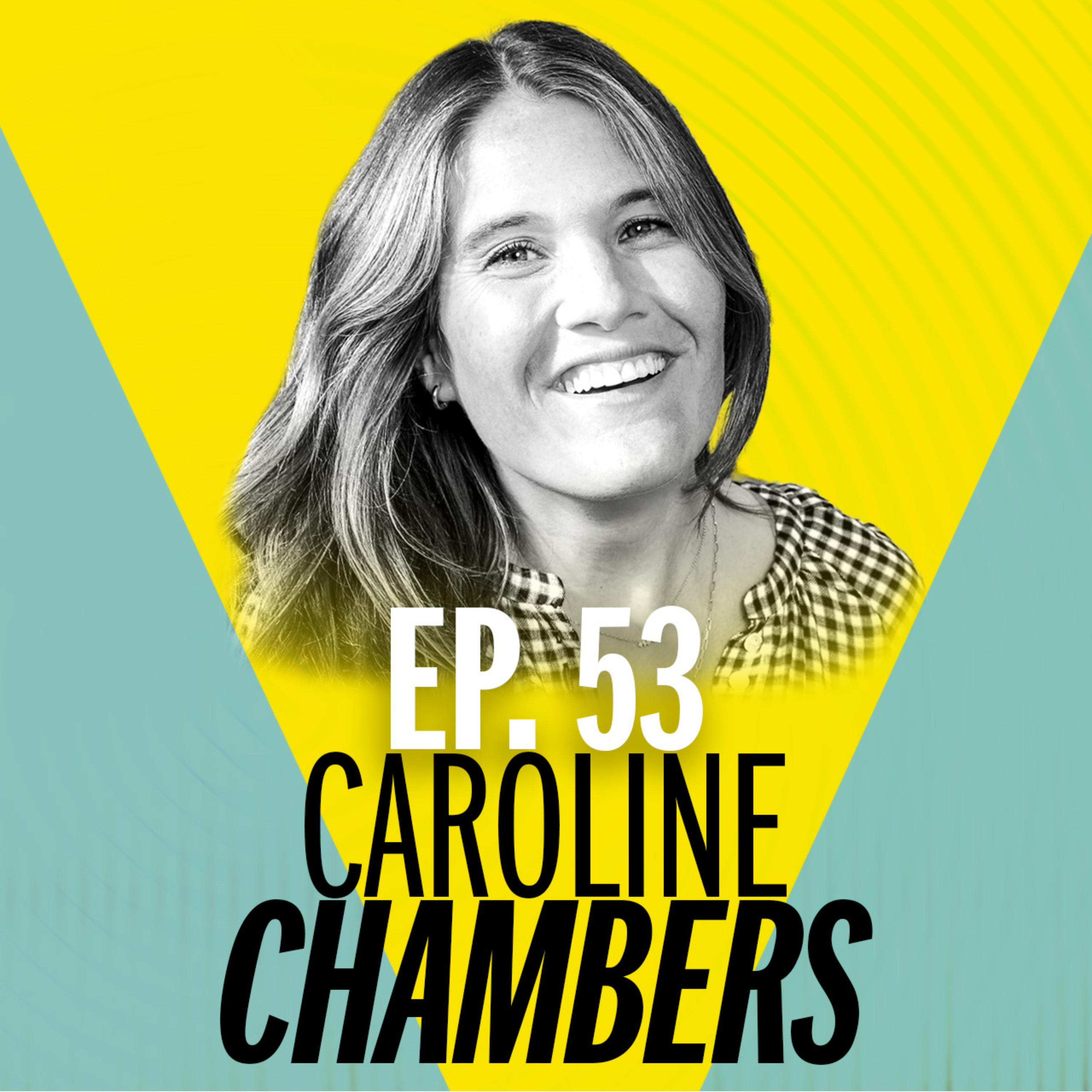
Dinner shouldn’t be stressful. But after a long day, even deciding what to cook can feel like one more exhausting task. Add the pressure to make meals healthy, affordable, interesting and Instagram-worthy, and home cooking can start to feel more like performance than pleasure.Host Megan McArdle talks with Caroline Chambers, author of "What to Cook When You Don’t Feel Like Cooking: Make It Fast," about how she turned a cookbook idea rejected by publishers into a cooking empire, why dinner has become such a source of stress and what we gain when we stop trying to cook the “right” way.Subscribe to The Washington Post here.
How to fix higher education without destroying it
Public confidence in higher education has been eroding for years. Rising costs, uncertain job prospects and political conflict have led many people to question whether colleges still serve the public. But trying to fix that by slashing research funding or putting campuses under tighter government control could destroy a lot of what makes them valuable.Host Megan McArdle argues that universities must confront their credibility crisis by recruiting a wider range of viewpoints, stepping back from institutional politics and recommitting to open debate. Meanwhile, conservatives must decide whether they want to reform higher education or merely punish it.Subscribe to The Washington Post here.
A therapist on relationships, ghosting and realistic standards
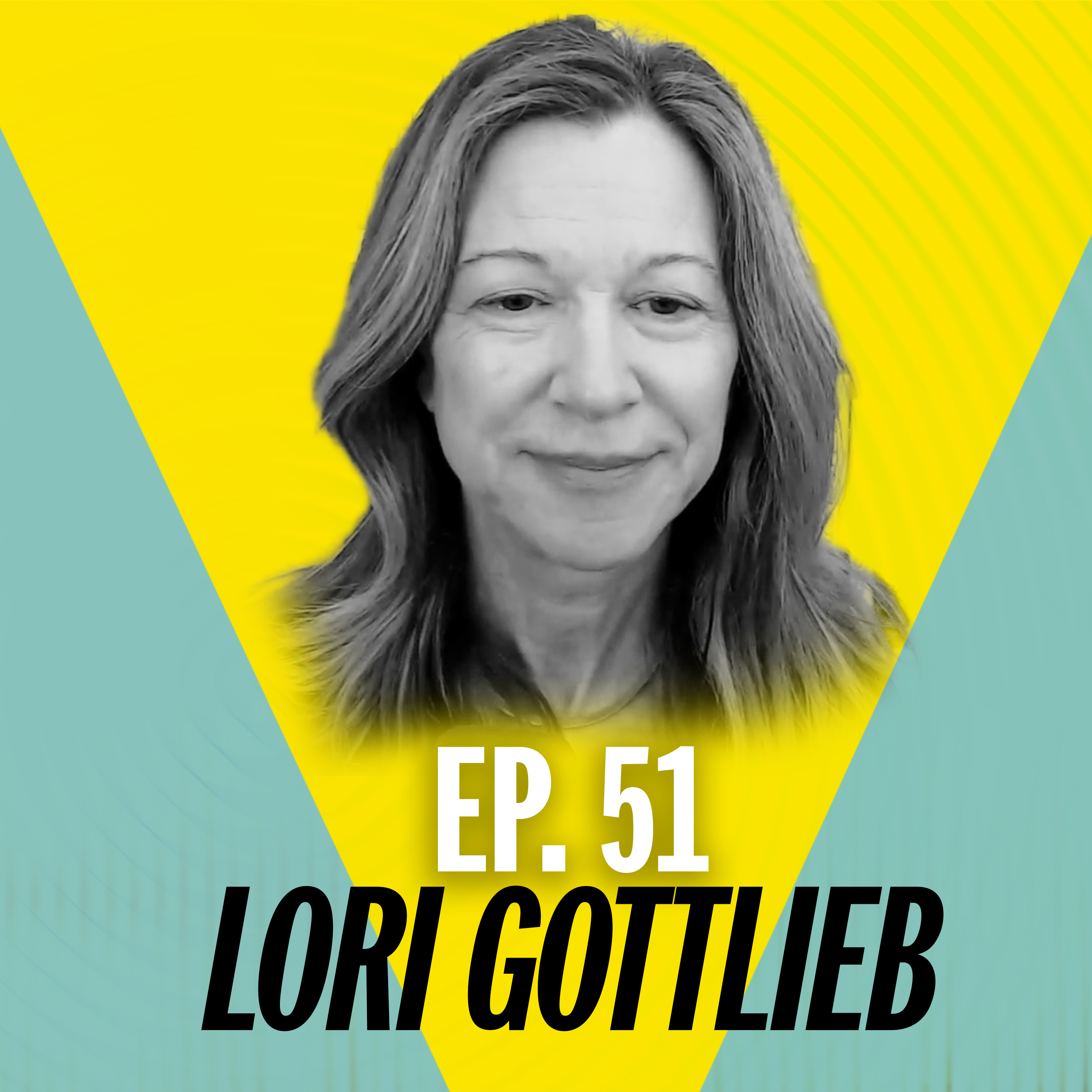
Relationships have always required compromise and patience. But dating apps, social media and therapy-speak can make ordinary human flaws feel like reasons to walk away. So, when is it right to leave and when are we giving up on people too quickly?Host Megan McArdle talks with psychotherapist, author and New York Times “Ask the Therapist” columnist Lori Gottlieb about ghosting, going no-contact, unrealistic dating standards and what actually makes relationships last. They also discuss how to tell the difference between settling and choosing wisely, why the perfect partner does not exist and how giving people grace can make us less lonely.Subscribe to The Washington Post here.
Why homeownership feels impossible for Gen Z
For generations, owning a home was seen as the first real step into adulthood: a place to raise a family, build wealth and claim a piece of the American Dream. But for Gen Z, soaring prices, high mortgage rates and a shortage of starter homes have pushed even modest houses out of reach.Host Megan McArdle argues that young Americans really have received a worse housing deal than earlier generations. But the era of cheap, abundant homes to buy was shaped by forces we cannot simply recreate, and a good life does not have to begin with buying the perfect house.Subscribe to The Washington Post here.










Get this podcast on your phone, Free


Create Your Podcast In Minutes
- Full-featured podcast site
- Unlimited storage and bandwidth
- Comprehensive podcast stats
- Distribute to Apple Podcasts, Spotify, and more
- Make money with your podcast
