
The Wirecutter Show
https://feeds.simplecast.com/tI57z_LNEpisode List

Is Trader Joe’s Skin Care Actually Good?
Trader Joe's is beloved for its quirky snacks and frozen meals, but its beauty aisle has quietly become a hotspot for budget-friendly skincare and viral "dupes". This week, beauty writer Neha Tandon shares the results of her extensive hands-on testing of Trader Joe’s moisturizers, cleansers, serums, and sunscreens. She reveals which $10-and-under products are high-performing gems and which popular items missed the mark. This episode covers: The $4 Holy Grail: Why the Rose Facial Toner is a highly versatile, multi-use must-have for refreshing skin, setting makeup, and even reviving curly hair. A $7 designer "dupe": How the single-ingredient Marula Facial Oil performs just as beautifully as luxury versions costing six times as much. The absolute misses: Why Neha suggests skipping the "Pine-Sol-esque" tea tree oil cleansing pads and the snotty-textured Hyaluronic Moisture Boost Serum. Better alternatives: Superior options for exfoliating pads and vitamin C serums if you want to upgrade your skincare routine. Products we recommend: Rose Water Facial Toner Marula Facial Oil Retinol Night Serum Daily Facial Sunscreen SPF 40 Instead of Trader Joe's Natural Facial Cleansing Pads, try Pacifica Glow Baby Brightening Peel Pads Instead of Trader Joe's Hyaluronic Moisture Boost Serum, try Timeless Skin Care 20% C + E Ferulic Acid Serum Additional reading: We Tested All the Skin-Care Products at Trader Joe’s to Find the Best This Trader Joe’s Sunscreen May Be Even Better Than Its Much Pricier Counterpart The 7 Best Retinol Products of 2026 The 5 Best Exfoliants of 2026 We independently review everything we recommend. When you buy through our links, we may earn a commission. Learn more› Wirecutter Social and WebsiteInstagram: /wirecutterThreads: /@wirecutterTwitter: /wirecutterFacebook: /thewirecutterTikTok: /wirecutterLinkedIn: /nyt-wirecutterWebsite: https://www.nytimes.com/wirecutter/Newsletter: https://www.nytimes.com/wirecutter/newsletters/ The Wirecutter Show is executive produced by Rosie Guerin and produced by Abigail Keel.Engineering support from Maddy Masiello and Nick Pitman. Episodes are mixed by Catherine Anderson, Efim Shapiro, Rowan Niemisto, Sophia Lanman, and Sonia Herrero. Original music by Dan Powell, Marion Lozano, Elisheba Ittoop, and Diane Wong. Wirecutter’s deputy publisher and general manager is Cliff Levy. Ben Frumin is Wirecutter’s editor-in-chief. Hosted by Rosie Guerin, Caira Blackwell and Christine Cyr Clisset.Find edited transcripts for each episode here: The Wirecutter Show Podcast Hosted by Simplecast, an AdsWizz company. See pcm.adswizz.com for information about our collection and use of personal data for advertising.

What an Eye Cream Can (and Can’t) Do
Whether you're trying to soften wrinkles, fade dark circles, or depuff tired morning eyes, a good eye cream can help. But you need to pick one that’s actually meant to address your skin concerns. In this episode, senior beauty writer Abbie Kozolchyk explains precisely what to look for in an eye cream. She breaks down the specific ingredients to look for depending on your personal skin concerns, how to judge results over time, and when to move on if you’re not seeing a change in the skin around your eyes. Abbie tested more 50 eye creams with 65 testers aged 23 to 84 to make recommendations for her Wirecutter guide to eye creams. She reveals our top picks, from a $13 drugstore tube that yielded shockingly dramatic results to a splurge-worthy $130 cream that works wonders on deep crow’s feet. This episode covers: Why eye creams aren't just face creams in disguise: The skin around your eyes is incredibly thin and delicate. Standard face moisturizers are often too harsh for the eye area. Specially formulated eye creams deliver targeted, more effective treatments. What topical creams can and can’t do: While eye creams can't erase deep wrinkles or eliminate dark circles caused by underlying vasculature (veins showing through thin skin), they can subtly soften expression lines, fade hyperpigmentation-related darkness, and help drain fluid to reduce morning puffiness. The active ingredients to seek out: Retinols and peptides are best for wrinkles; niacinamide is a powerhouse for brightening dark circles; caffeine and cooling applicators help depuff; and humectants like glycerin or hyaluronic acid pull in much-needed moisture for dry skin. Why it takes time to see results: Consistency and patience are necessary. Active ingredients need a bare minimum of 30 days to show results, and you may even need six to eight weeks before deciding if a product is working or if it's time to move on. Products we recommend: Best all-around eye cream: CeraVe Skin Renewing Eye Cream A luxe, multitasking eye cream: Innbeauty Project Extreme Cream Eye Best for dark circles: Alastin Restorative Eye Complex Best for wrinkles: Skinbetter Science EyeMax AlphaRet Overnight Cream Best for stubbornly dry skin: Belif Moisturizing Eye Bomb Best for soothing and depuffing: Cocokind Revitalizing Eye Cream Abbie recommends the Peek Scents Organic Rose Phyto3 - Facial Oil and Facial Cream Additional reading: The 6 Best Eye Creams of 2026 The 7 Best Retinol Products of 2026 The 16 Best Drugstore Skin-Care Products of 2026 The 7 Best Moisturizers of 2026 We independently review everything we recommend. When you buy through our links, we may earn a commission. Learn more› Wirecutter Social and WebsiteInstagram: /wirecutterThreads: /@wirecutterTwitter: /wirecutterFacebook: /thewirecutterTikTok: /wirecutterLinkedIn: /nyt-wirecutterWebsite: https://www.nytimes.com/wirecutter/Newsletter: https://www.nytimes.com/wirecutter/newsletters/ The Wirecutter Show is executive produced by Rosie Guerin and produced by Abigail Keel.Engineering support from Maddy Masiello and Nick Pitman. Episodes are mixed by Catherine Anderson, Efim Shapiro, Rowan Niemisto, Sophia Lanman, and Sonia Herrero. Original music by Dan Powell, Marion Lozano, Elisheba Ittoop, and Diane Wong. Wirecutter’s deputy publisher and general manager is Cliff Levy. Ben Frumin is Wirecutter’s editor-in-chief. Hosted by Rosie Guerin, Caira Blackwell and Christine Cyr Clisset.Find edited transcripts for each episode here: The Wirecutter Show Podcast Hosted by Simplecast, an AdsWizz company. See pcm.adswizz.com for information about our collection and use of personal data for advertising.

How to Clean the Air You Breathe (Encore)
This week, we’re re-airing a discussion about keeping your indoor air clean and healthy to breathe. Wirecutter senior writer Tim Heffernan walks us through how to reduce the outdoor pollution that inevitably seeps into your home, what to do if you're dealing with wildfire smoke, and surprising and free ways to keep your air clean. Tim covers exactly why you shouldn’t overspend on an air purifier, and how often you really need to change the filter. Plus he does some myth busting about whether plants clean the air. This episode covers: Monitoring outdoor air: How to use the free EPA Air Now app to track local Air Quality Index (AQI) levels, so that you and know when to wear an N95 mask or seal up your home. Wildfire preparedness: Practical, low-cost steps to prevent outdoor smoke from contaminating your indoor air, from adjusting your HVAC settings to designated shoe-and-clothes drop zones. Air purifier science: How HEPA filters capture microscopic particles, why you don't need to replace filters as often as manufacturers claim, and where to position your unit for maximum coverage. Gimmicks to avoid: Why plants won't clear wildfire smoke and why expensive non-HEPA technologies fail Wirecutter's rigorous testing. Products we recommend: The best indoor air quality monitor: AirGradient One The best app for basic monitoring: AirNow The best air purifier of 2026: Coway Airmega Mighty2 (AP-1512N) Another great air purifier: Coway Airmega AP-1512HH Mighty A great pair of pliers: Knipex Carpenters’ End Cut Pliers Additional reading: The 4 Best Air Purifiers of 2026 How Can I Clear My Home of Wildfire Smoke? How to DIY an Air Purifier LifeStraw Escape Water Purifier Review: I Drank Swamp Water to See If It Works We independently review everything we recommend. When you buy through our links, we may earn a commission. Learn more› Wirecutter Social and WebsiteInstagram: /wirecutterThreads: /@wirecutterTwitter: /wirecutterFacebook: /thewirecutterTikTok: /wirecutterLinkedIn: /nyt-wirecutterWebsite: https://www.nytimes.com/wirecutter/Newsletter: https://www.nytimes.com/wirecutter/newsletters/ The Wirecutter Show is executive produced by Rosie Guerin and produced by Abigail Keel.Engineering support from Maddy Masiello and Nick Pitman. Episodes are mixed by Catherine Anderson, Efim Shapiro, Rowan Niemisto, Sophia Lanman, and Sonia Herrero. Original music by Dan Powell, Marion Lozano, Elisheba Ittoop, and Diane Wong. Wirecutter’s deputy publisher and general manager is Cliff Levy. Ben Frumin is Wirecutter’s editor-in-chief. Hosted by Rosie Guerin, Caira Blackwell and Christine Cyr Clisset.Find edited transcripts for each episode here: The Wirecutter Show Podcast Hosted by Simplecast, an AdsWizz company. See pcm.adswizz.com for information about our collection and use of personal data for advertising.

How to Buy a Sofa You Won’t Regret
Whether you call it a sofa or a couch, it’s arguably the hardest-working piece of furniture in your home. And given the expense, shopping for one can often trigger decision paralysis. This week, Wirecutter home and decor editor Daniela Gorny joins us to break down the complex world of sofa shopping. She shares a practical checklist for testing sofas in-store. And she gives her best tips for shopping for one online, so you won’t be disappointed once it arrives. We also discuss a few easy ways to give new life to an old sofa. This episode covers: How long a sofa should last: A truly high-quality sofa should last you 10 to 15 years, while cheaper options may start falling apart, creaking, or sagging after just two or three. To ensure longevity, always look for manufacturers that offer a lifetime or limited lifetime warranty on the frame and the springs. How to decipher online specs: When shopping online, prioritize solid hardwood or high-quality plywood frames over MDF (particle board). Look for cushions made with "high resiliency" and "high density" foam, which bounce back much better than cheaper alternatives. How to choose a fabric: Daniela explains how to avoid fabrics that will thin or pill over time, how to decide between natural fabrics (like linen or cotton) and more durable high performance fabrics (like acrylics and polyesters). If you prefer leather, stick to top grain or full grain hides, and steer clear of "bonded leather.” How to test a sofa in person: Showrooms are invaluable for testing how a sofa actually wears over time—especially in heavily trafficked store floors like IKEA. When testing, try lifting the edge of the sofa; if it feels exceptionally heavy, it's a great sign that it's made with dense hardwoods. Don't be afraid to aggressively launch yourself onto the cushions—if the sofa shifts or squeaks, walk away. How to make sure the sofa fits your space: Always measure your doorways, hallways, and elevators before purchasing. If space is tight, consider modular sofas that arrive in separate, manageable boxes, and use painter's tape or cardboard to map out the physical footprint in your room before clicking buy. Products we recommend: A curvy, low-slung sofa: Sabai The Elevate Sofa A sofa with staying power: Room & Board Metro Sofa A pillowy place for kicking back: Sundays Get Together Modular Sofa (Large) Customizable with a lifetime guarantee: BenchMade Modern Eva Sofa An airy sofa with natural fabrics: Sixpenny Aria Grande Sectional A sofa for small spaces: Burrow Range Sofa A great starter sofa: IKEA Kivik Sofa Best portable projector: Nebula Mars 3 Air Additional reading: The 10 Best Sofas of 2026 How to Buy a Leather Couch That Will Last The 2 Best Portable Carpet and Upholstery Cleaners of 2026 The Best Projectors for 2026 We independently review everything we recommend. When you buy through our links, we may earn a commission. Learn more› Wirecutter Social and WebsiteInstagram: /wirecutterThreads: /@wirecutterTwitter: /wirecutterFacebook: /thewirecutterTikTok: /wirecutterLinkedIn: /nyt-wirecutterWebsite: https://www.nytimes.com/wirecutter/Newsletter: https://www.nytimes.com/wirecutter/newsletters/ The Wirecutter Show is executive produced by Rosie Guerin and produced by Abigail Keel.Engineering support from Maddy Masiello and Nick Pitman. Episodes are mixed by Catherine Anderson, Efim Shapiro, Rowan Niemisto, Sophia Lanman, and Sonia Herrero. Original music by Dan Powell, Marion Lozano, Elisheba Ittoop, and Diane Wong. Wirecutter’s deputy publisher and general manager is Cliff Levy. Ben Frumin is Wirecutter’s editor-in-chief. Hosted by Rosie Guerin, Caira Blackwell and Christine Cyr Clisset.Find edited transcripts for each episode here: The Wirecutter Show Podcast Hosted by Simplecast, an AdsWizz company. See pcm.adswizz.com for information about our collection and use of personal data for advertising.
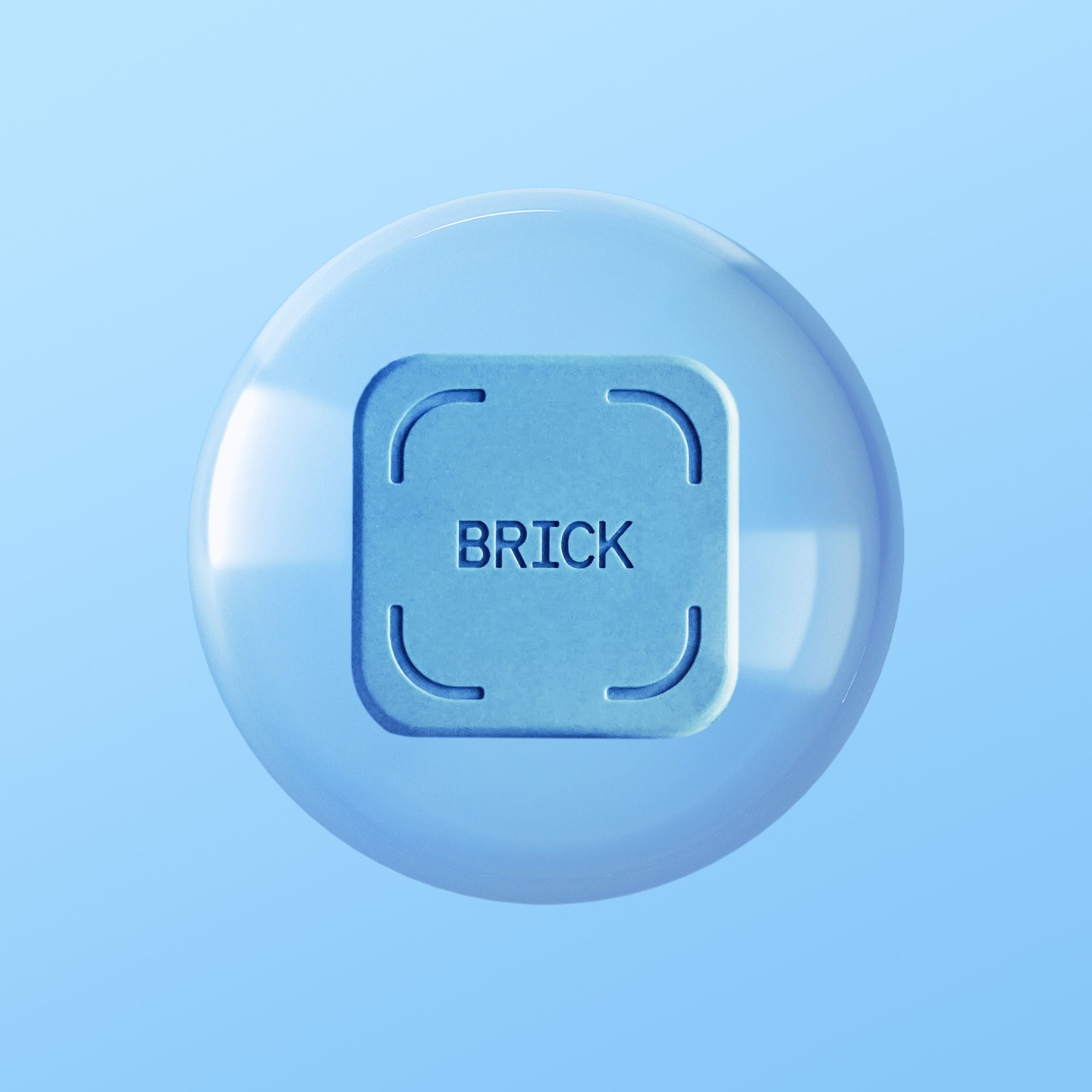
The Gadget That Fixed My 8-Hour Screen Time Habit
If you've ever looked at your phone's screen-time report and wondered where the day went, you're not alone. Many people want to stop mindlessly scrolling, but find it challenging to stop. Some Wirecutter staffers have found a solution: The Brick, a physical device that locks you out of the apps you choose. This episode, Wirecutter senior staff writer Elissa Sanci shares why the Brick worked for her when other approaches didn't. She explains how putting physical distance between herself and her distracting apps helped break the doom-scrolling cycle, how using scheduled "bricking" can protect your workday and mornings, and how families and roommates can share the same device. This episode covers: Why the Brick works so well. Elissa found that built-in screen-time limits and apps like Opal were too easy to bypass, while the Brick forced her to physically get up and retrieve the device before she could resume scrolling. How scheduled bricking protects your time. You can set profiles that automatically block distracting apps during certain hours, including blocking social media before your alarm even goes off so you're not tempted to start the day scrolling. How the Brick's limited emergency unbricks work. You get just five emergency ways to unlock your phone when you're away from the device, and Elissa says the scarcity makes her reluctant to waste them. Who The Brick is actually useful for. You don't have to be a social-media addict: you can block whatever is distracting you, including work apps outside office hours, and the same device can be shared among multiple people or used by parents and teens. Products we recommend: A device that blocks your most distracting apps: Brick Additional reading: I Bricked My Phone for 2 Weeks. My Brain Feels Much Better. I Revived an Old BlackBerry to Cut Down on Screen Time. Things Went Awry. We independently review everything we recommend. When you buy through our links, we may earn a commission. Learn more› Wirecutter Social and WebsiteInstagram: /wirecutterThreads: /@wirecutterTwitter: /wirecutterFacebook: /thewirecutterTikTok: /wirecutterLinkedIn: /nyt-wirecutterWebsite: https://www.nytimes.com/wirecutter/Newsletter: https://www.nytimes.com/wirecutter/newsletters/ The Wirecutter Show is executive produced by Rosie Guerin and produced by Abigail Keel.Engineering support from Maddy Masiello and Nick Pitman. Episodes are mixed by Catherine Anderson, Efim Shapiro, Rowan Niemisto, Sophia Lanman, and Sonia Herrero. Original music by Dan Powell, Marion Lozano, Elisheba Ittoop, and Diane Wong. Wirecutter’s deputy publisher and general manager is Cliff Levy. Ben Frumin is Wirecutter’s editor-in-chief. Hosted by Rosie Guerin, Caira Blackwell and Christine Cyr Clisset.Find edited transcripts for each episode here: The Wirecutter Show Podcast Hosted by Simplecast, an AdsWizz company. See pcm.adswizz.com for information about our collection and use of personal data for advertising.






Get this podcast on your phone, Free


Create Your Podcast In Minutes
- Full-featured podcast site
- Unlimited storage and bandwidth
- Comprehensive podcast stats
- Distribute to Apple Podcasts, Spotify, and more
- Make money with your podcast
