Episode List
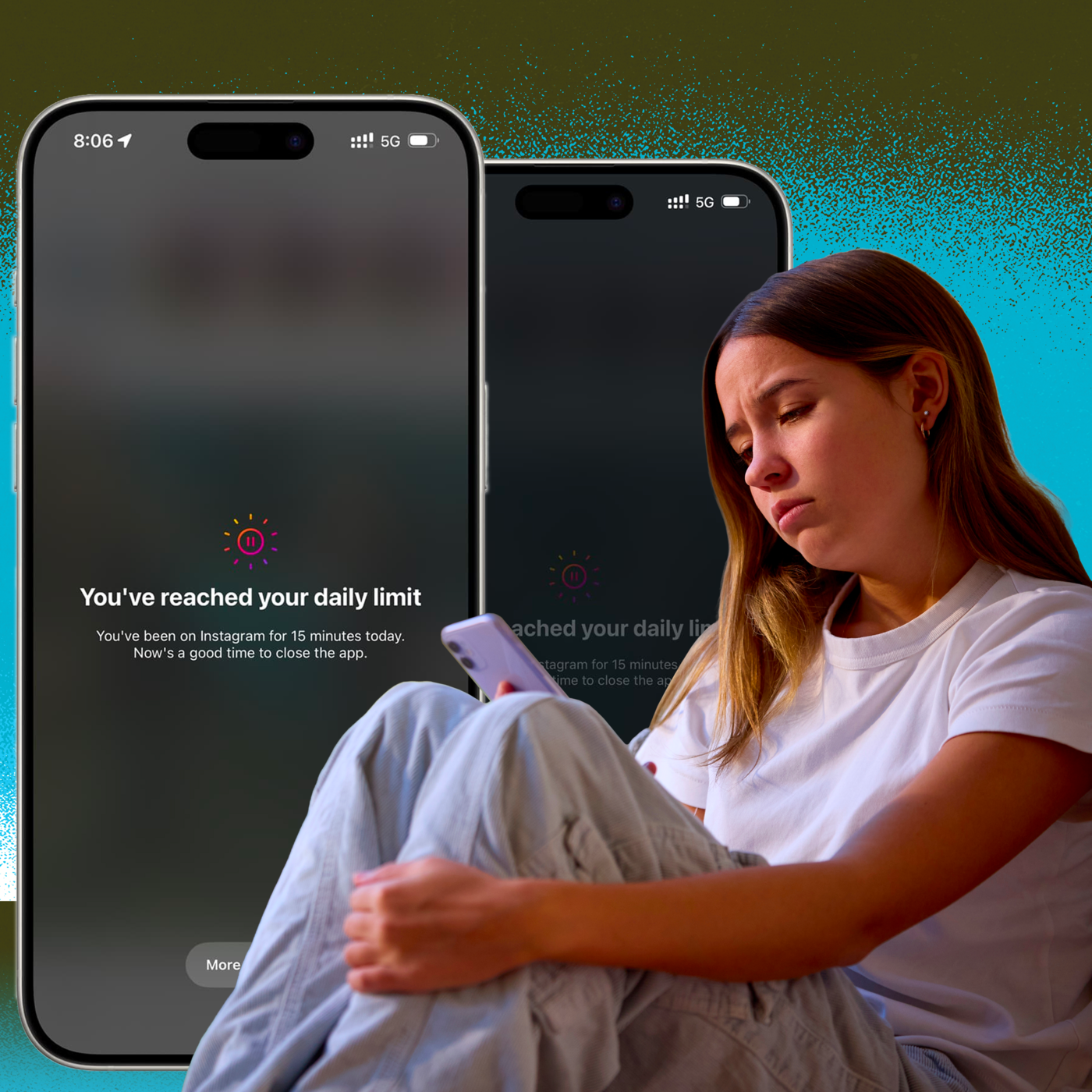
A Gen Z Reporter Questions Jonathan Haidt, author of ‘The Anxious Generation’
Over the past few months, we’ve been closely covering the major lawsuits against Meta over the ways its apps have hurt young people. This week, we’re sharing a special episode of "Left To Their Own Devices", a Peabody-nominated series hosted by Gen Z reporter and tech-safety advocate Ava Smithing. Recorded live on stage shortly after the recent jury verdicts against Meta and YouTube, Ava interviews NYU social psychologist Jonathan Haidt, author of the wildly influential "The Anxious Generation", about his ideas for how to keep kids safe from social media -- some of which Ava doesn't buy into. It’s a timely conversation as courts and policymakers continue to grapple with how to hold tech companies accountable, and force them to make their products safer for young people. Guests: Ava Smithing, Left to Their Own Devices host Jonathan Haidt, author of The Anxious Generation Please support the companies that support this show: Zbiotics Quince OneSkin
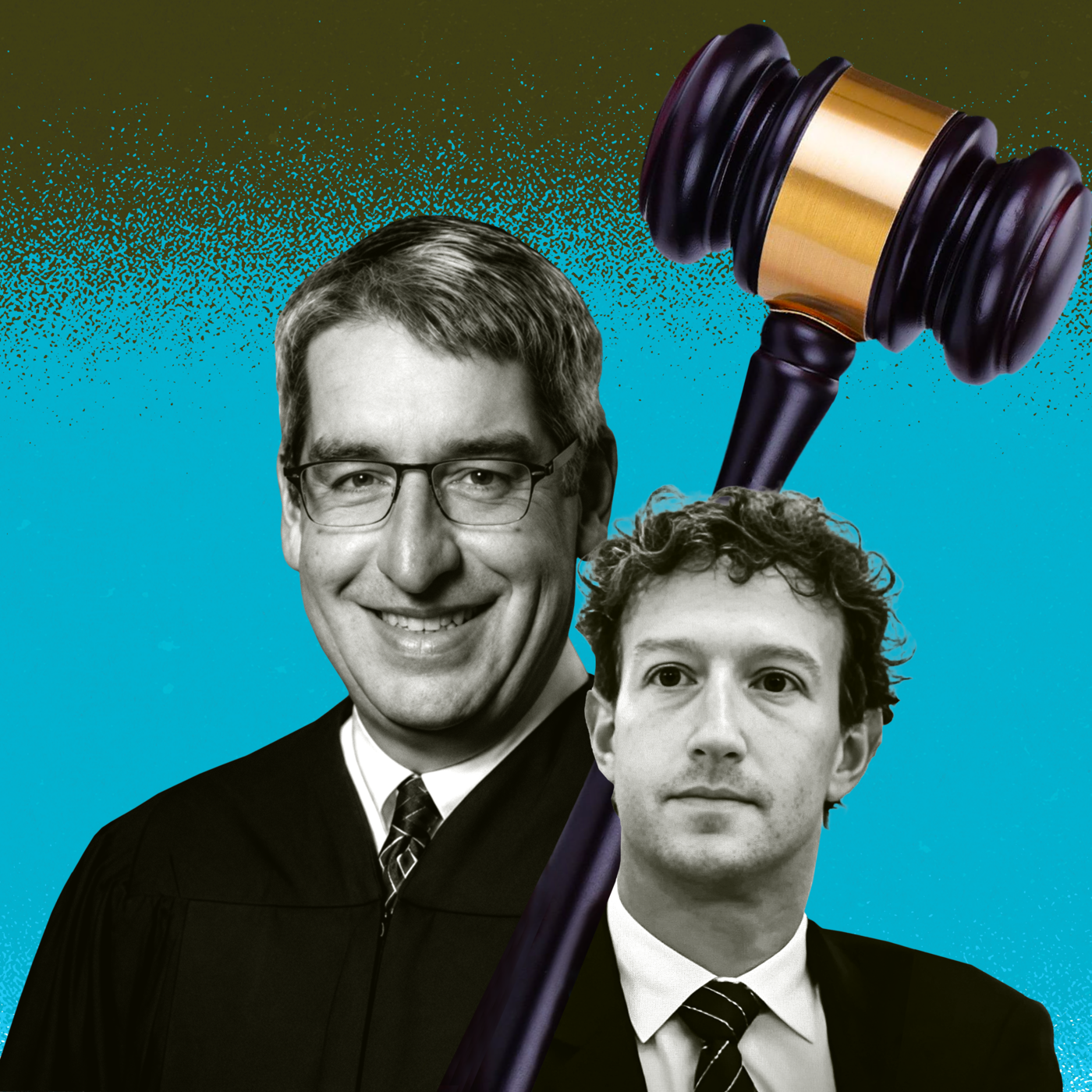
Judge Compares Meta to a Factory Emitting ‘Noxious Pollution’ in a Landmark Ruling
Just hours after we dropped last week’s episode on New Mexico’s landmark trial against Meta, Judge Bryan Biedsheid issued his ruling on what changes the company would have to make to Facebook and Instagram to better protect kids. He ordered Meta to pay New Mexico $567 million, on top of the earlier $375 million jury penalty. He also mandated that Meta make unprecedented changes to its platforms, including limiting how long teens can use its apps and preventing their accounts from being recommended to adult strangers. This decision could become a blueprint for other states as they bring their own suits against Meta. But the judge rejected some of the state’s biggest demands, forcing him to wade into a thicket of questions about privacy, free speech, child safety, and the limits of what one court can do. Brian talks to Question Everything producer Zach St. Louis, one of the only reporters at phase two of the trial in Santa Fe, about the ruling. If you haven’t already, listen first to our other episodes about the New Mexico v Meta case, which led to this consequential decision – The Sting That Exposed How Meta Endangers Kids and We Went to the Trial That Could Force Meta to Change its Ways Question Everything is a production of KCRW and Placement Theory. Follow us on Instagram: @questionverything.podcast. And don’t forget to sign up for our newsletter. Please support the organizations that support this show: Quince OneSkin
We Went to the Trial That Could Force Meta to Change its Ways
Back in 2023, New Mexico Attorney General Raúl Torrez filed a historic lawsuit against Meta, arguing that the tech giant has enabled the exploitation of children on its apps for years. This year, that case finally went to trial in a Santa Fe courthouse. The state argued that Meta has knowingly harmed kids and should be forced, through a court order, to change how they operate. Meta says that these changes are unnecessary and, in some cases, an overreach of the law. Now, one man, Judge Bryan Biedscheid, is deciding what, if any, changes he will force Meta to make to Facebook and Instagram with the aim of protecting kids. It’ll be the first decision of its kind against a major social media company in the United States. We went to this phase of the trial in New Mexico, to see the testimony, evidence, and cross-examinations the judge is weighing right now as he makes his decision – and also to try and convince someone from Meta’s gigantic legal team to talk to us. If you haven’t already, listen first to our initial dispatch from the New Mexico v Meta case – The Sting That Exposed How Meta Endangers Kids. Question Everything is a production of KCRW and Placement Theory. Follow us on Instagram: @questionverything.podcast. And don’t forget to sign up for our newsletter. Please support the organizations that support this show: Zbiotics Quince OneSkin
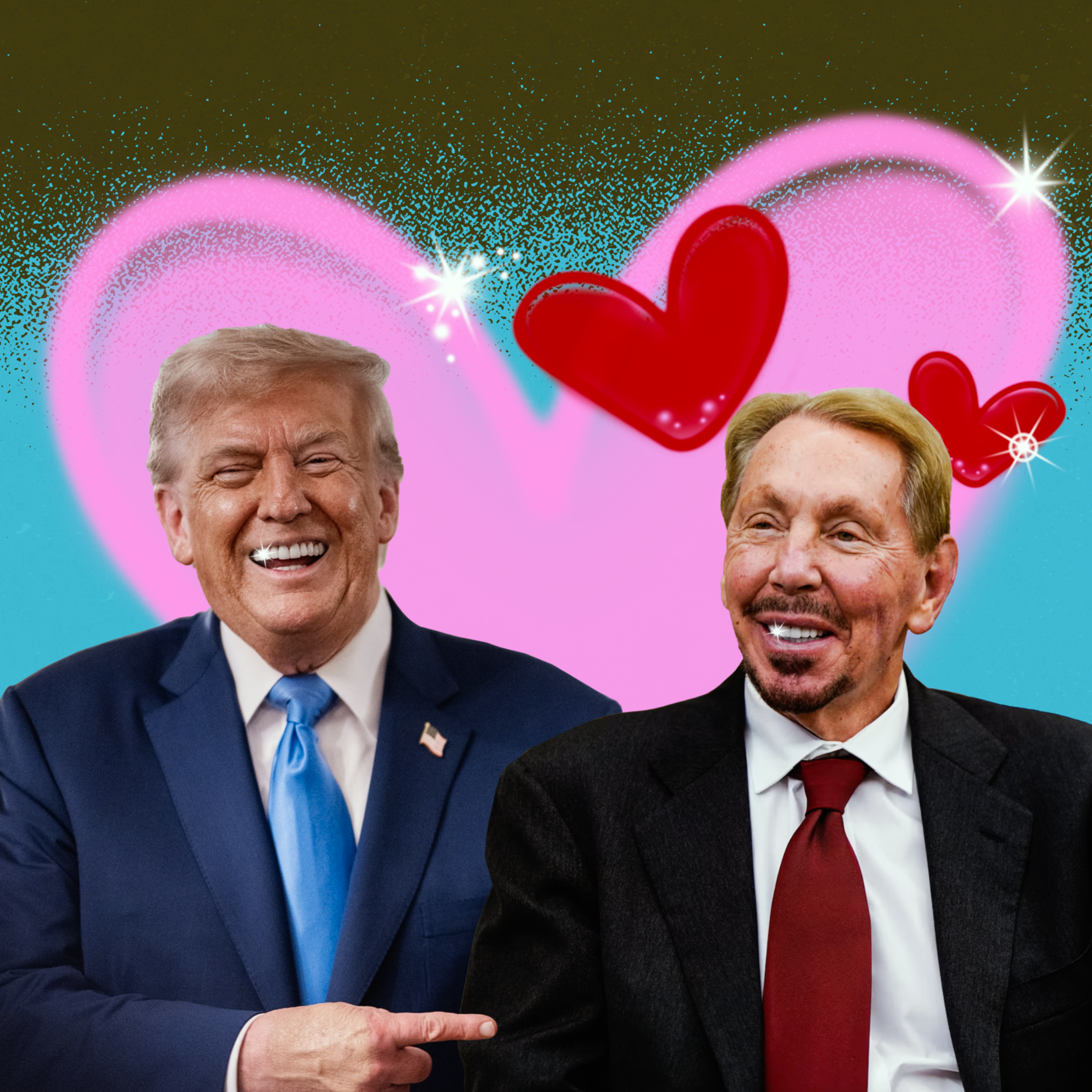
Is A Billionaire Bromance Capturing Our Media?
Wall Street Journal reporter Emily Glazer investigates the rich and powerful, and recently, she got a tip that she couldn’t get out of her head: sources told her that Donald Trump and billionaire Larry Ellison are genuine friends. She found it hard to believe – in all her experience reporting on the wealthy, she’s used to hearing about transactional relationships, not people who truly like each other. It seemed especially important to understand because in Trump’s second term, Larry Ellison has amassed enormous power over American media organizations – including CBS News, 60 Minutes, Paramount, and TikTok – often with the Trump administration’s help. Are Ellison and Trump really friends? Emily and her colleagues set out to investigate and found out way more that was going on behind the scenes between these two men than anyone in the public knew. Question Everything is a production of KCRW and Placement Theory. Follow us on Instagram: @questionverything.podcast. And don’t forget to sign up for our newsletter. Guests: Emily Glazer, Wall Street Journal Enterprise Reporter, covering the rich and powerful. Read Emily's reporting on Larry Ellison and Donald Trump. We first heard Emily talk about her reporting on The Town with Matthew Belloni. Please support the organizations that support this show: Zbiotics GroundNews Quince OneSkin Laundry Sauce Ultra Pouches
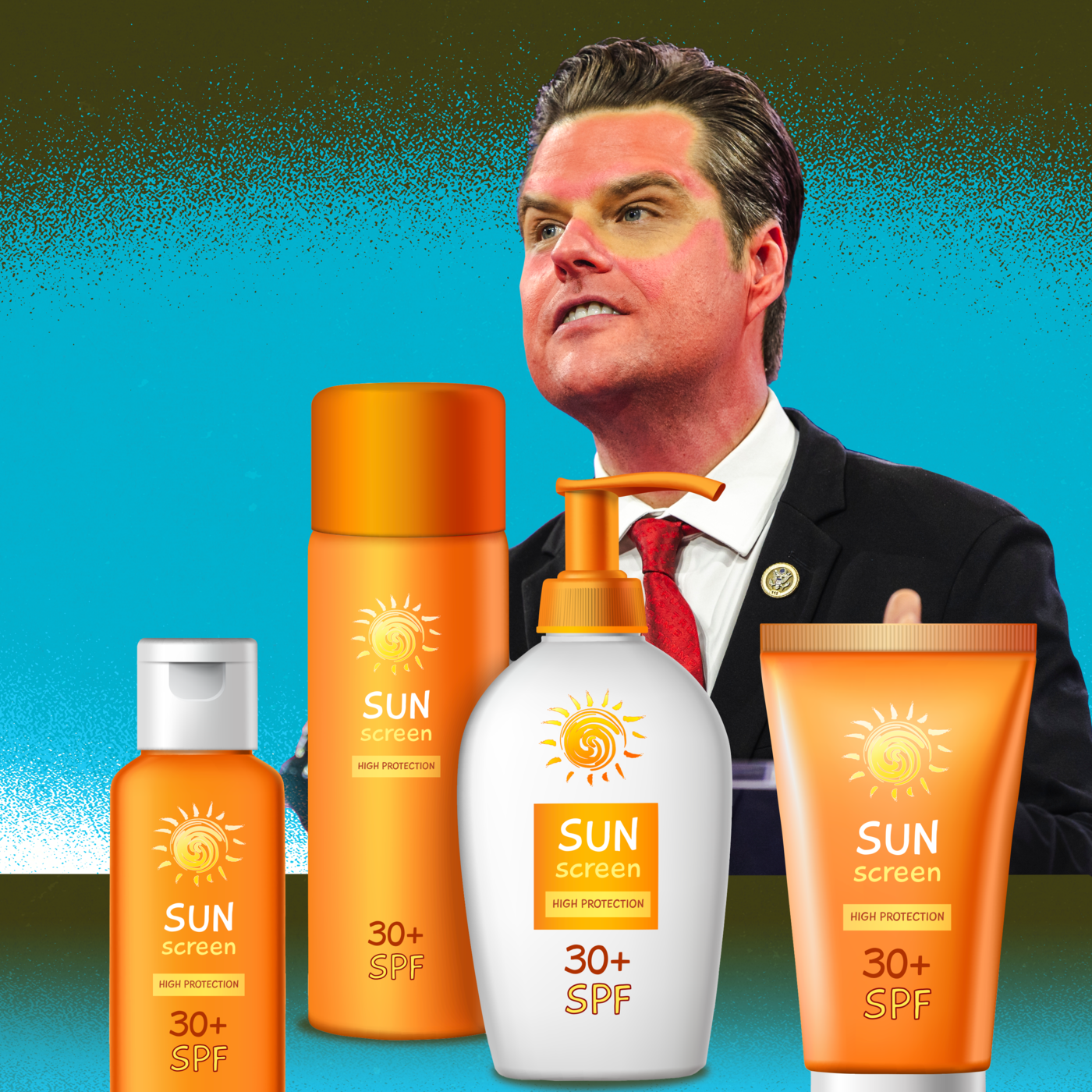
The Sunscreen Paradox
In June, disgraced former Florida Congressman turned right-wing One America News Network anchor Matt Gaetz peddled a novel and dangerous conspiracy to his audience: that using sunscreen causes skin cancer. Gaetz’s guest was Nicholas Hulscher, a prominent voice in the COVID anti-vaccination movement and co-author of one of the most prolific medical disinformation newsletters in America. Within days, this false claim had reached millions of viewers and dozens of countries – and was popping up in the comments of innocuous mommy blogger videos about applying suntan lotion to kids. NewsGuard health editor John Gregory explains how Hulscher’s false claim metastasized throughout the internet, and how he sold it to the world by twisting the surprising findings of a legitimate scientific study. If you're new to our show and liked this episode, let us suggest a couple of our other recent stories you might like "I Was 11 When Instagram Took Over My Life" and "The Talented Ms. Goldiee". Guests: John Gregory, Health Editor at NewsGuard Please support the organizations that support this show: GroundNews Quince OneSkin Ultra Pouches




Get this podcast on your phone, Free


Create Your Podcast In Minutes
- Full-featured podcast site
- Unlimited storage and bandwidth
- Comprehensive podcast stats
- Distribute to Apple Podcasts, Spotify, and more
- Make money with your podcast
