
Sources & Methods
https://feeds.npr.org/g-s1-84651/podcast.xmlEpisode List
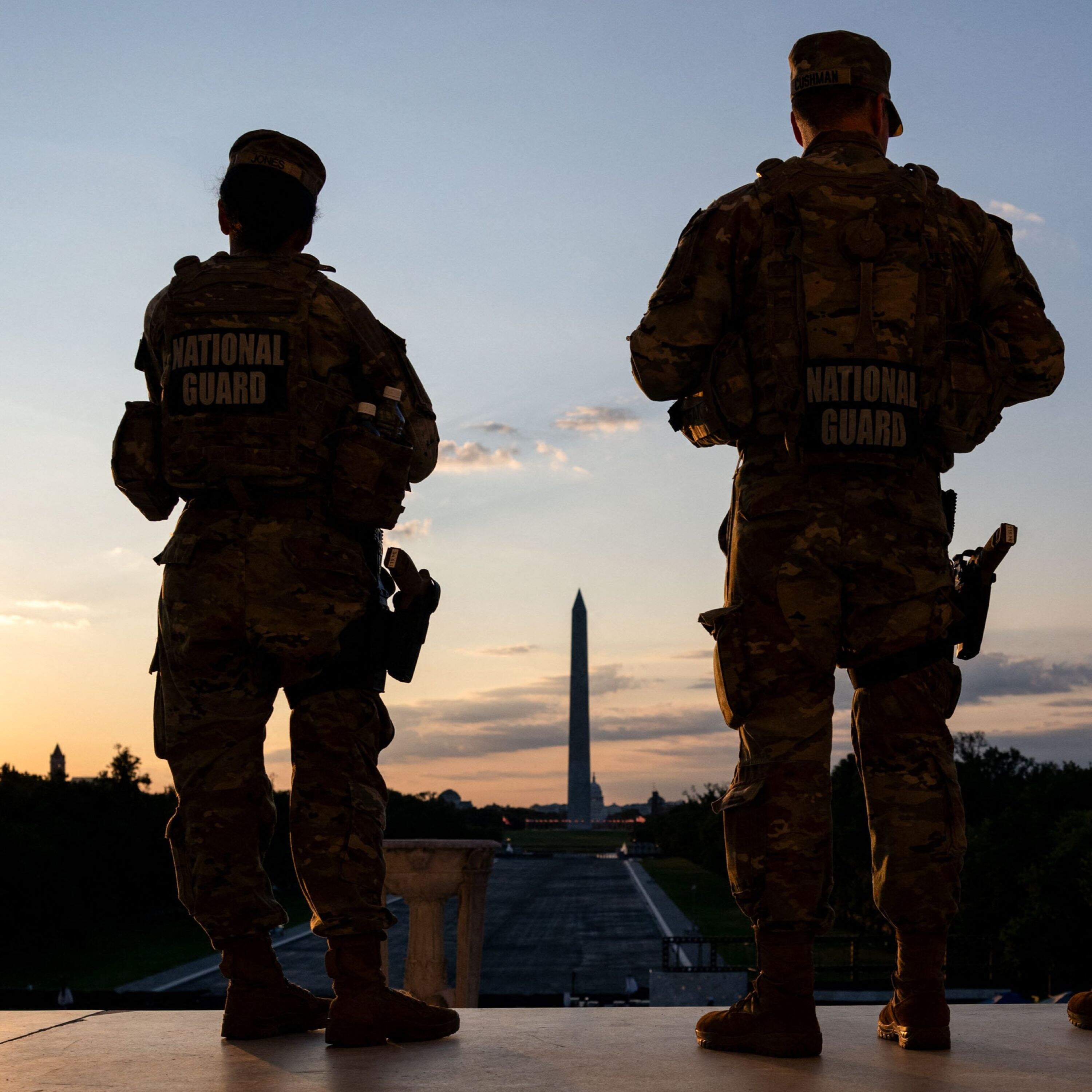
Trump’s AF1 ruse / Military at the polls? / Civilian casualties abroad
A president is stashed away in a catering truck -- a ruse to escape a threat from Iran. The White House press corps was clueless. Who else remained in the dark and how did this happen? Host Mary Louise Kelly speaks with NPR Correspondents Kat Lonsdorf and Tom Bowman, who covers the Pentagon, about the threat against President Trump from Iran. They also discuss the future of National Guard deployment and whether troops might be patrolling polling places in November, the human cost of war, and Count Binface. For tickets to a live taping of Sources & Methods visit npr.org/sourcesliveshow.Email the show at sourcesandmethods@npr.orgSupport public media with NPR+ and enjoy perks for over 25 podcasts like this one. This show’s perks include archive access and sponsor-free listening. Learn more at plus.npr.org.See pcm.adswizz.com for information about our collection and use of personal data for sponsorship and to manage your podcast sponsorship preferences.NPR Privacy Policy
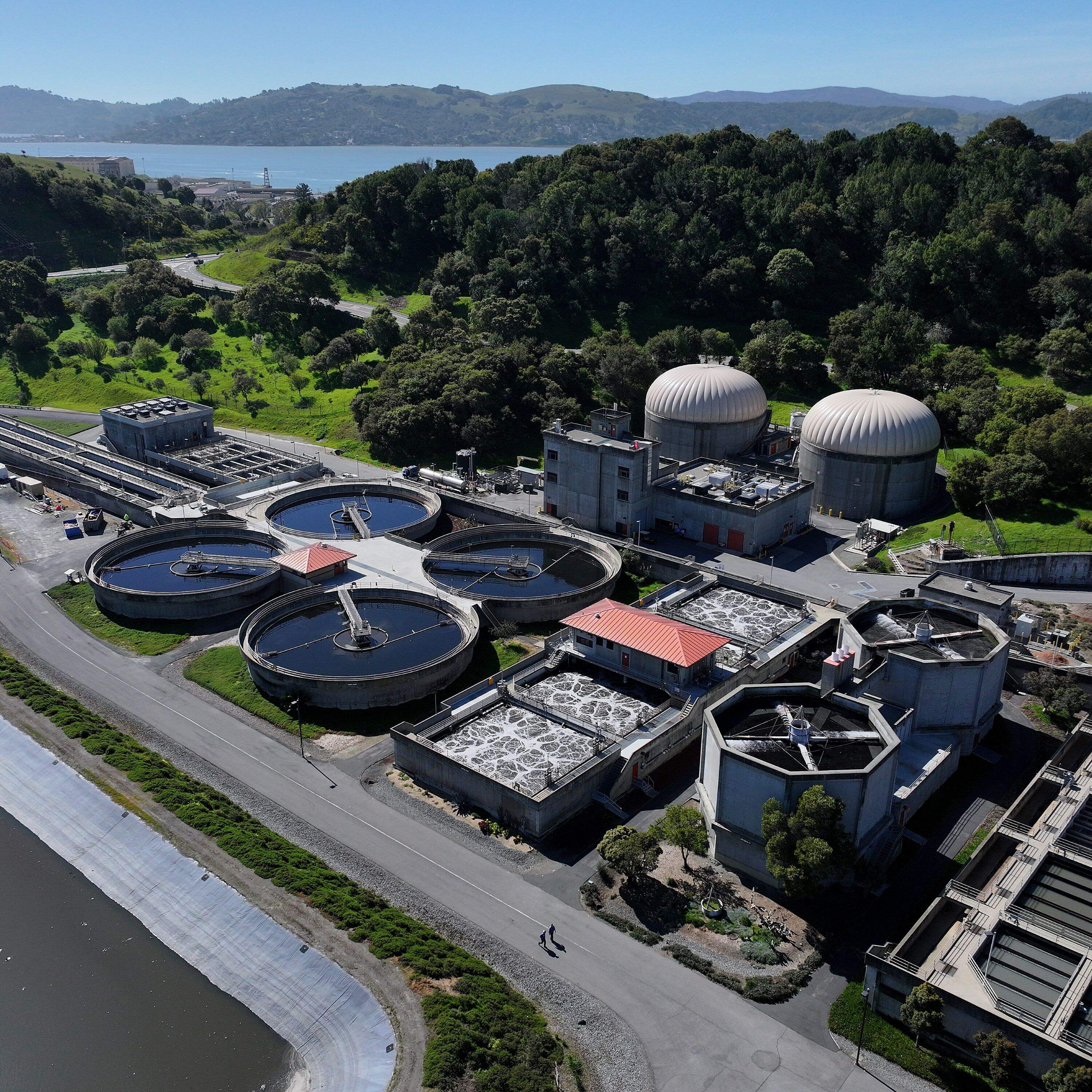
Did Iran hack U.S. water systems? / Cyberwarfare abroad / Ukraine’s air defense gap
In the past week, seven U.S. states have reported cyberattacks on their water facilities.Some in the cybersecurity industry suspect Iran was responsible. Is this a new element of the war between the two countries? And how big is the risk?Host Mary Louise Kelly speaks with NPR Cybersecurity Correspondent Jenna McLaughlin and NPR National Security Correspondent Greg Myre about the role cyberwarfare plays in military conflicts. They also discuss the latest from Ukraine, where a diminishing supply of air defense weapons has been unable to deter Russian missiles.Tickets for our live podcast taping at NPR headquarters in Washington, D.C., go on sale Tuesday, Aug. 11. Visit this link then: http://npr.org/sourcesliveshow. Email the show at sourcesandmethods@npr.orgSupport public media with NPR+ and enjoy perks for over 25 podcasts like this one. This show’s perks include archive access and sponsor-free listening. Learn more at plus.npr.org.See pcm.adswizz.com for information about our collection and use of personal data for sponsorship and to manage your podcast sponsorship preferences.NPR Privacy Policy

A trip to the world’s frayed edges with Hannah Lucinda Smith’s 'Hinterlands'
A new book makes the case that if we look closely at hidden conflicts unfolding around the globe, we can glimpse a new world order taking shape. The book is called Hinterlands: The New Cold War Brewing at the Peripheries of the West and its author is Hannah Lucinda Smith, a veteran correspondent who has spent years reporting from the Middle East and the Balkans for outlets such as The Times of London and The Economist. Host Mary Louise Kelly speaks with Smith about travelling to and writing about these frayed geopolitical edges of the world and where we should be keeping an eye out for the next brewing conflict.Email the show at sourcesandmethods@npr.orgSupport public media with NPR+ and enjoy perks for over 25 podcasts like this one. This show’s perks include archive access and sponsor-free listening. Learn more at plus.npr.org.See pcm.adswizz.com for information about our collection and use of personal data for sponsorship and to manage your podcast sponsorship preferences.NPR Privacy Policy

Trump's options dwindle / Inside Iran / U.S. arsenal depleted?
A new round of strikes between Iran and the United States, an expansion that’s embroiled forces in Saudi Arabia and Jordan, plus concerns about missile shortages in the U.S. arsenal — is this a new phase of the war with Iran?Guest host Sacha Pfeiffer speaks with NPR Pentagon correspondent Tom Bowman and NPR reporter Arezou Rezvani about the status of the war, negotiations, concerns about a U.S. missile shortage and how the continued fighting has created mixed emotions in Iran. Email the show at sourcesandmethods@npr.orgNPR+ supporters hear every episode without sponsor messages and unlock access to our complete archive. Sign up at plus.npr.org.See pcm.adswizz.com for information about our collection and use of personal data for sponsorship and to manage your podcast sponsorship preferences.NPR Privacy Policy
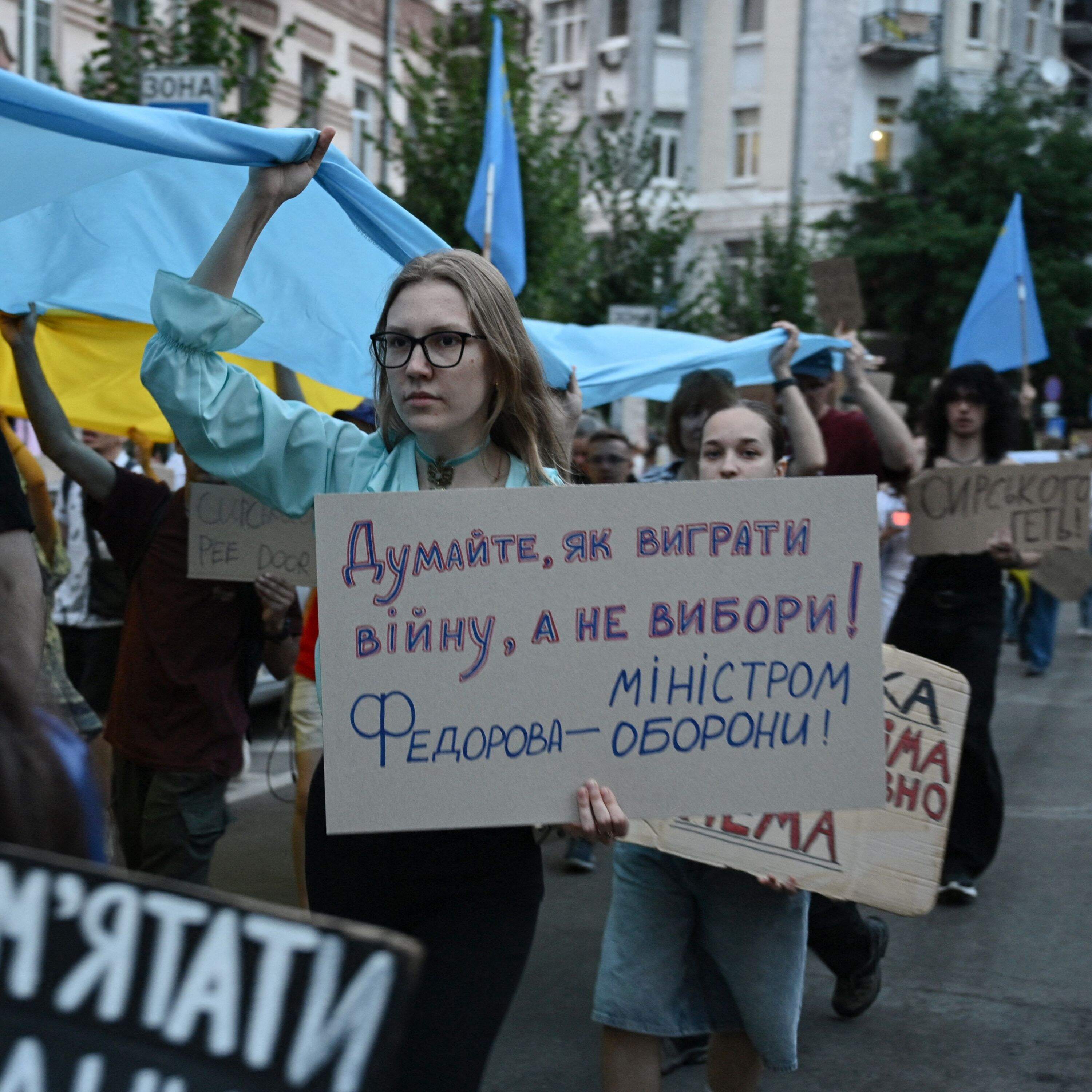
Ukraine’s leadership shakeup / View from Moscow / Is Russia a friend or foe?
As Russia and Ukraine pound each other on the battlefield, there's a showdown happening in Kyiv between a young tech wizard and an older battle-hardened general. What might that battle tell us about the direction of the war in Ukraine? Host Mary Louise Kelly is joined by NPR Russia Correspondent Charles Maynes and NPR National Security Correspondent Greg Myre to talk about the recent turmoil among Ukraine's military leaders, how the Kremlin is viewing the shakeup and whether Russia's relationship with the United States has changed.Email the show at sourcesandmethods@npr.orgNPR+ supporters hear every episode without sponsor messages and unlock access to our complete archive. Sign up at plus.npr.org.See pcm.adswizz.com for information about our collection and use of personal data for sponsorship and to manage your podcast sponsorship preferences.NPR Privacy Policy
Get this podcast on your phone, Free


Create Your Podcast In Minutes
- Full-featured podcast site
- Unlimited storage and bandwidth
- Comprehensive podcast stats
- Distribute to Apple Podcasts, Spotify, and more
- Make money with your podcast
