
Episode List
Guest Spotlight: Phonograph
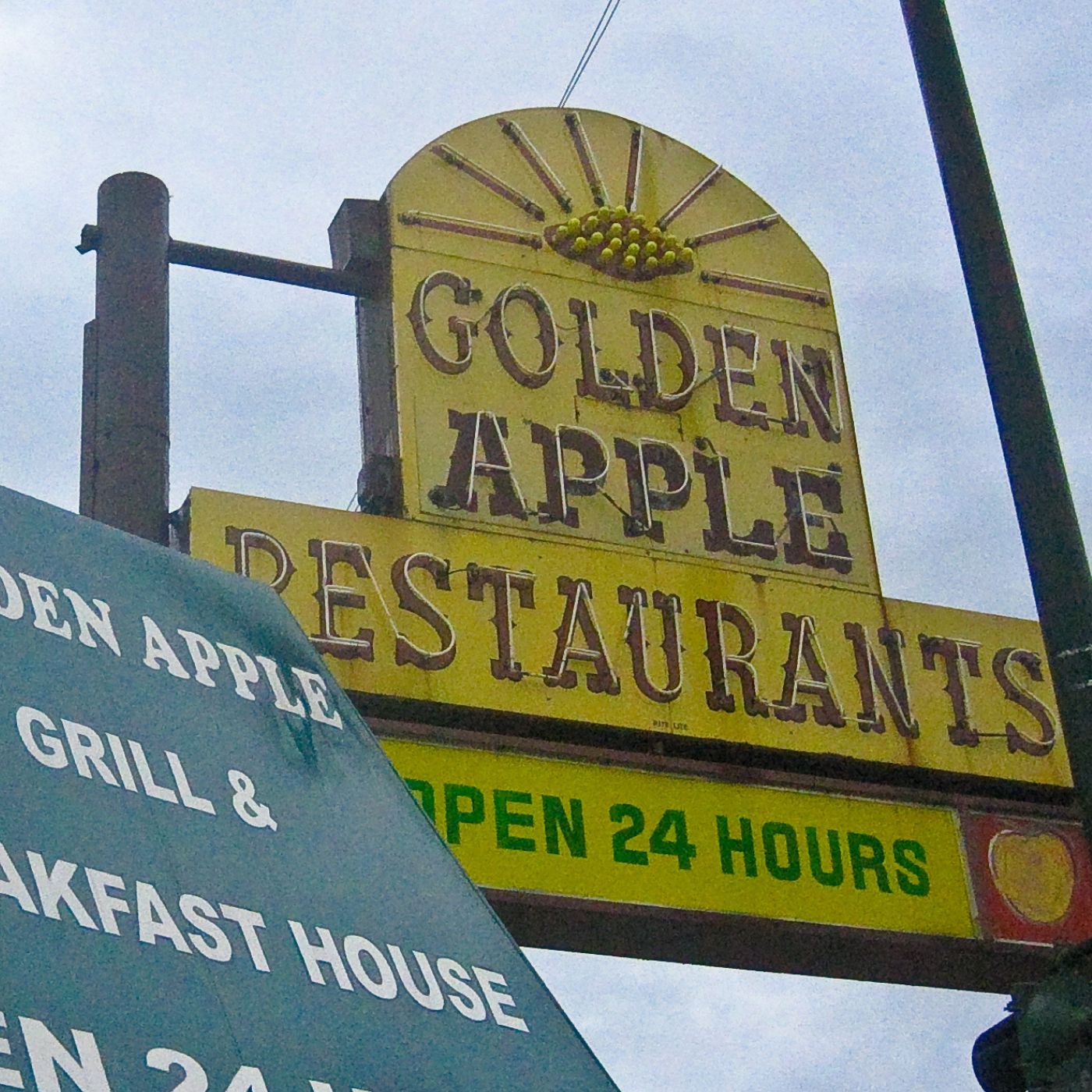
This week we're featuring an episode of Phonograph, a podcast that deconstructs the history and art of audio storytelling.The hosts of Phonograph recently invited Radio Diaries' Joe Richman on their show to talk about "24 Hours at the Golden Apple," a classic episode of This American Life that he helped produce. The Golden Apple is a diner in Chicago, and back in 2000, a group of producers took shifts hanging out there over 24 hours and talking to as many people as they could. Joe's story focused on the friendship between two high school students, Danielle and Allison, who he met during his shift.Here's an excerpt of Phonograph where Joe talks about making this story, and what it's like to listen back to it more than two decades after it first aired. Learn about your ad choices: dovetail.prx.org/ad-choices
My Iron Lung: Remembering Martha Lillard
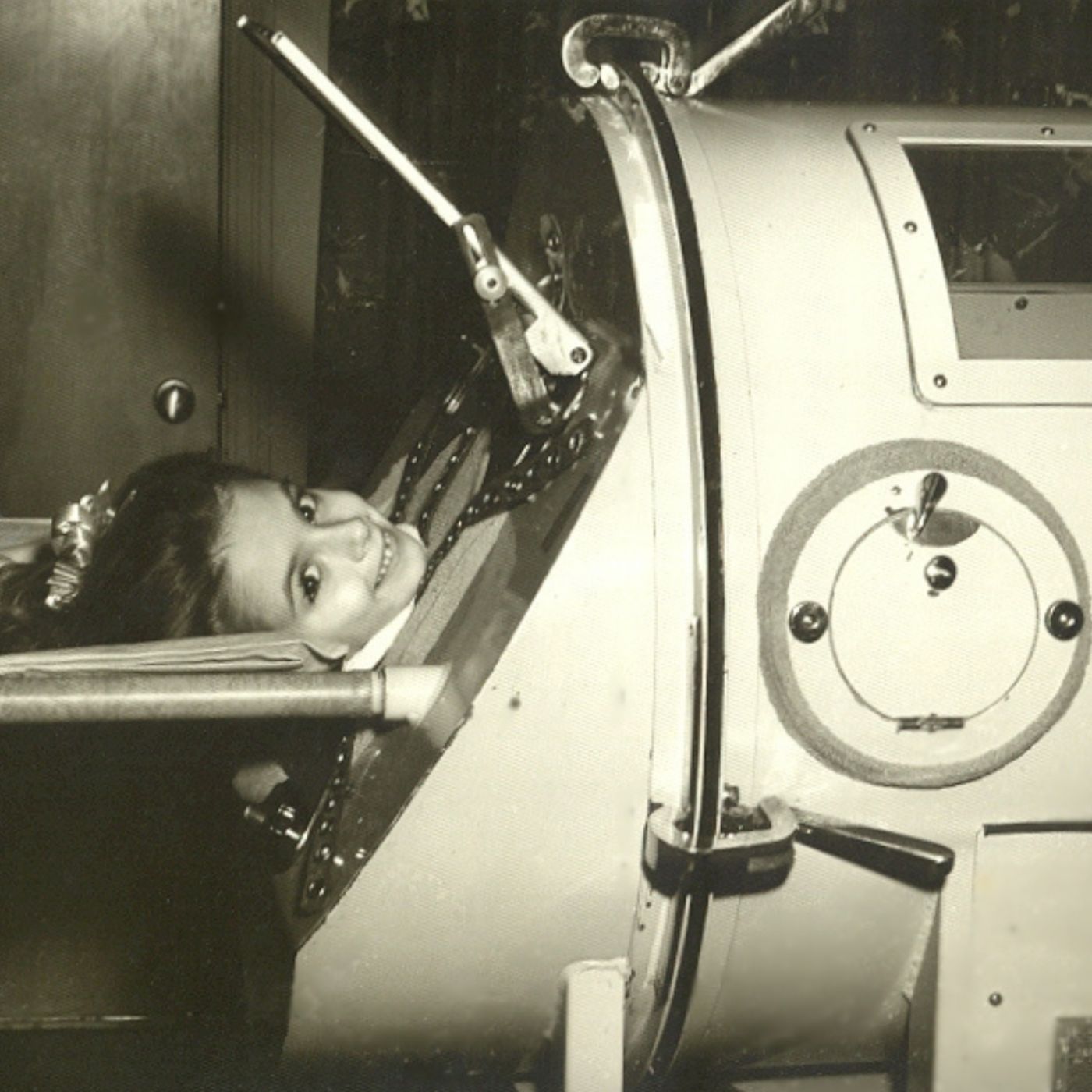
A few years ago we did a story about Martha Lillard, a woman who had spent most of her life sleeping in a device called an iron lung. Martha had caught polio in the early 1950s, and, like many polio survivors, she had difficulty breathing on her own. Her iron lung was a big metal ventilator that fit her entire body inside and used bellows to suck air in and out, helping her to breathe. Martha was the last person in the U.S. to use one.Martha Lillard died on June 26, 2026. As a remembrance, we're revisiting our story about her. Learn about your ad choices: dovetail.prx.org/ad-choices
Soweto 1976
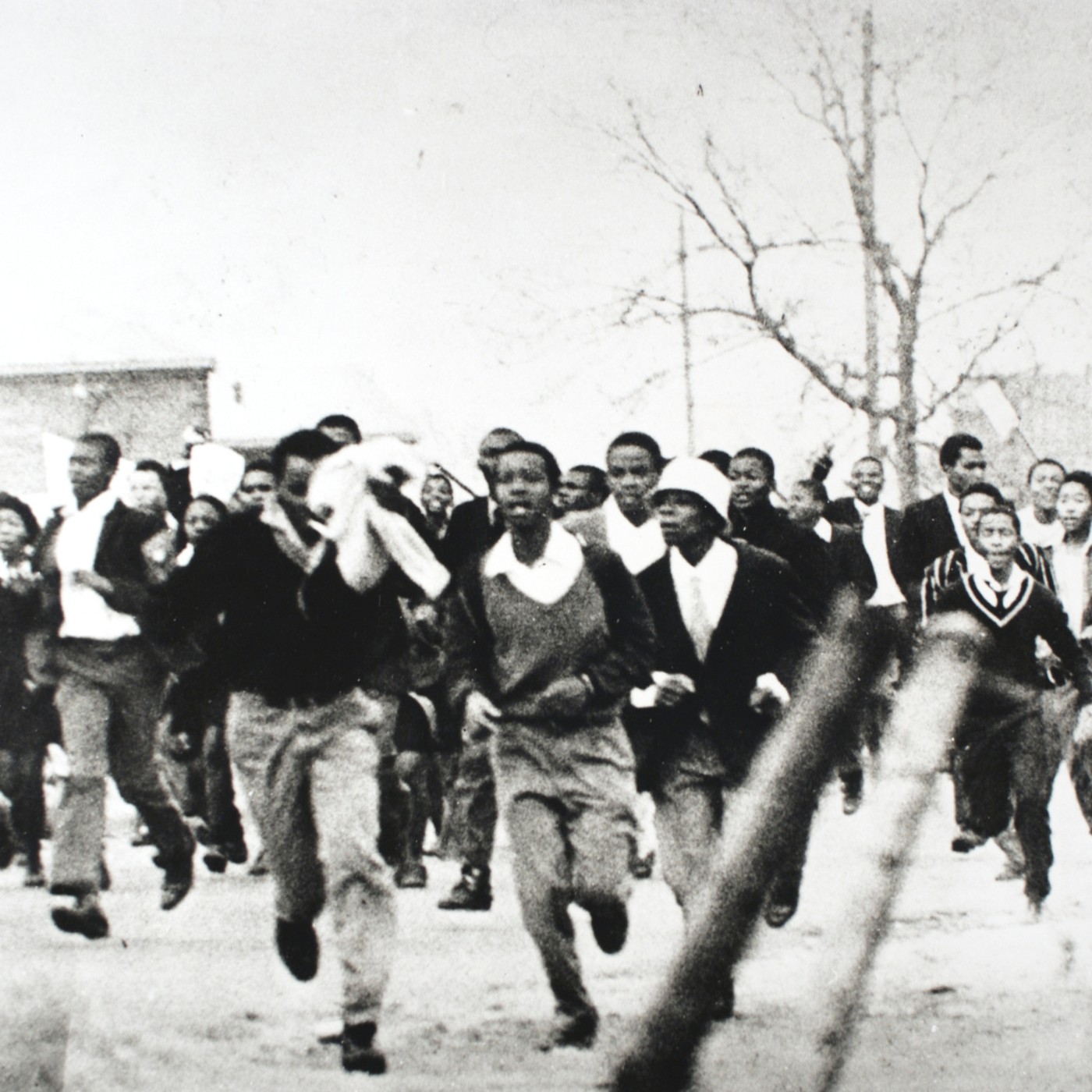
Fifty years ago, a group of schoolchildren in South Africa changed history.For decades, the whites-only government of South Africa had brutally enforced a policy of racial segregation known as apartheid—and had crushed any opposition just as ruthlessly. By the 1970s, an entire generation of anti-apartheid fighters had been silenced. May were imprisoned or killed.But on June 16, 1976, students in Soweto township outside Johannesburg decided to hold a protest against a government policy mandating that all classes be taught in Afrikaans, the language of South Africa's rulers.This is their story. Learn about your ad choices: dovetail.prx.org/ad-choices
30 Years of Teenage Diaries
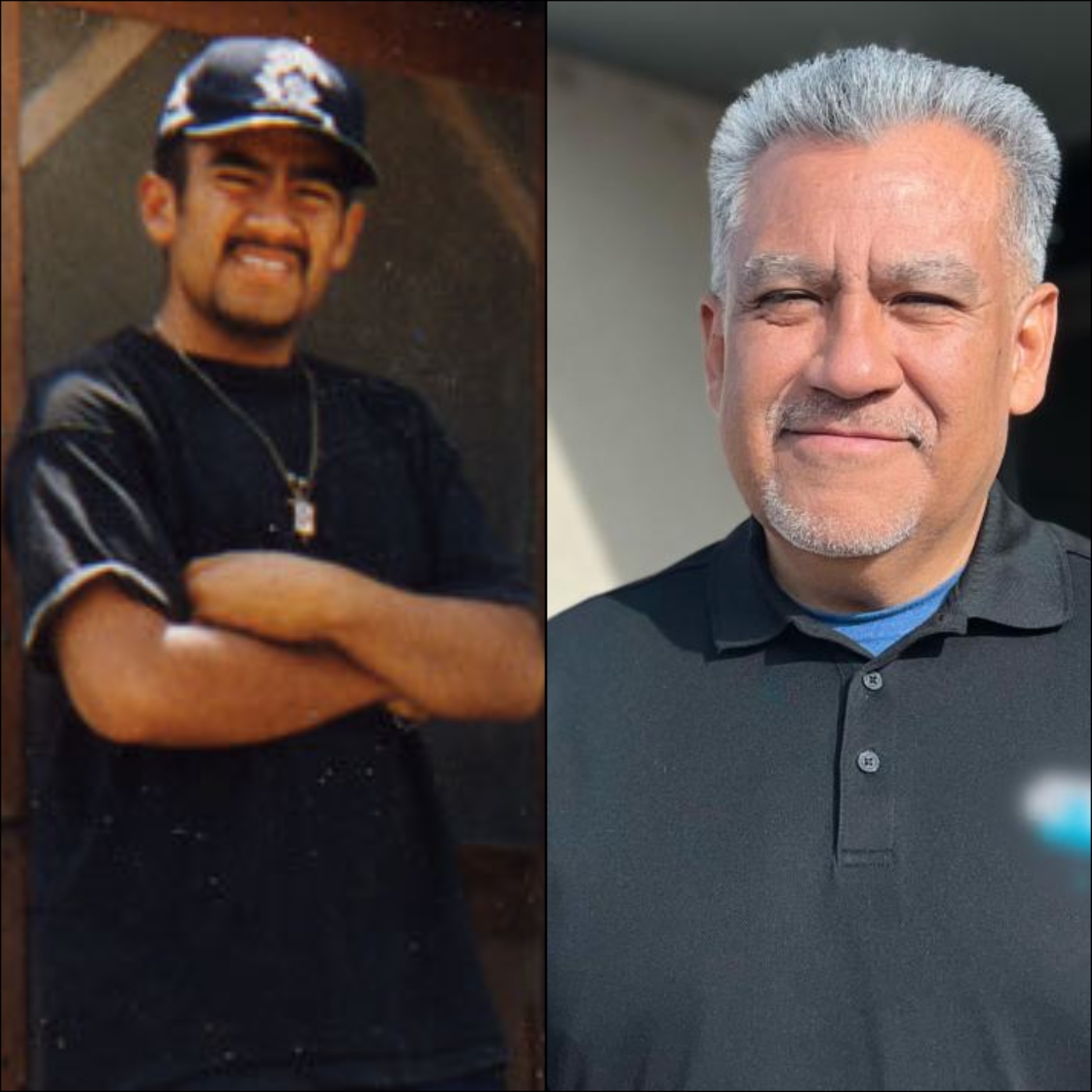
This year marks 30 years since we first worked with teenagers to record stories about their lives. Over the years, people have often asked us, whatever happened to them? What happened to Juan, Amanda, Melissa, Frankie, and Josh?We’re going to find out.In honor of three decades, we’re setting out to make a new series with our original teenage diarists. And we’re turning to you, our listeners, for help. If you donate now you’ll get an exclusive look behind the scenes as we make these stories. And for the next two weeks we have a generous match, so every dollar you contribute will be doubled: www.radiodiaries.org/donate This week on the show, we’re revisiting Juan’s teenage diary, and have a sneak peek of Joe’s recent trip to see him in Colorado. Learn about your ad choices: dovetail.prx.org/ad-choices
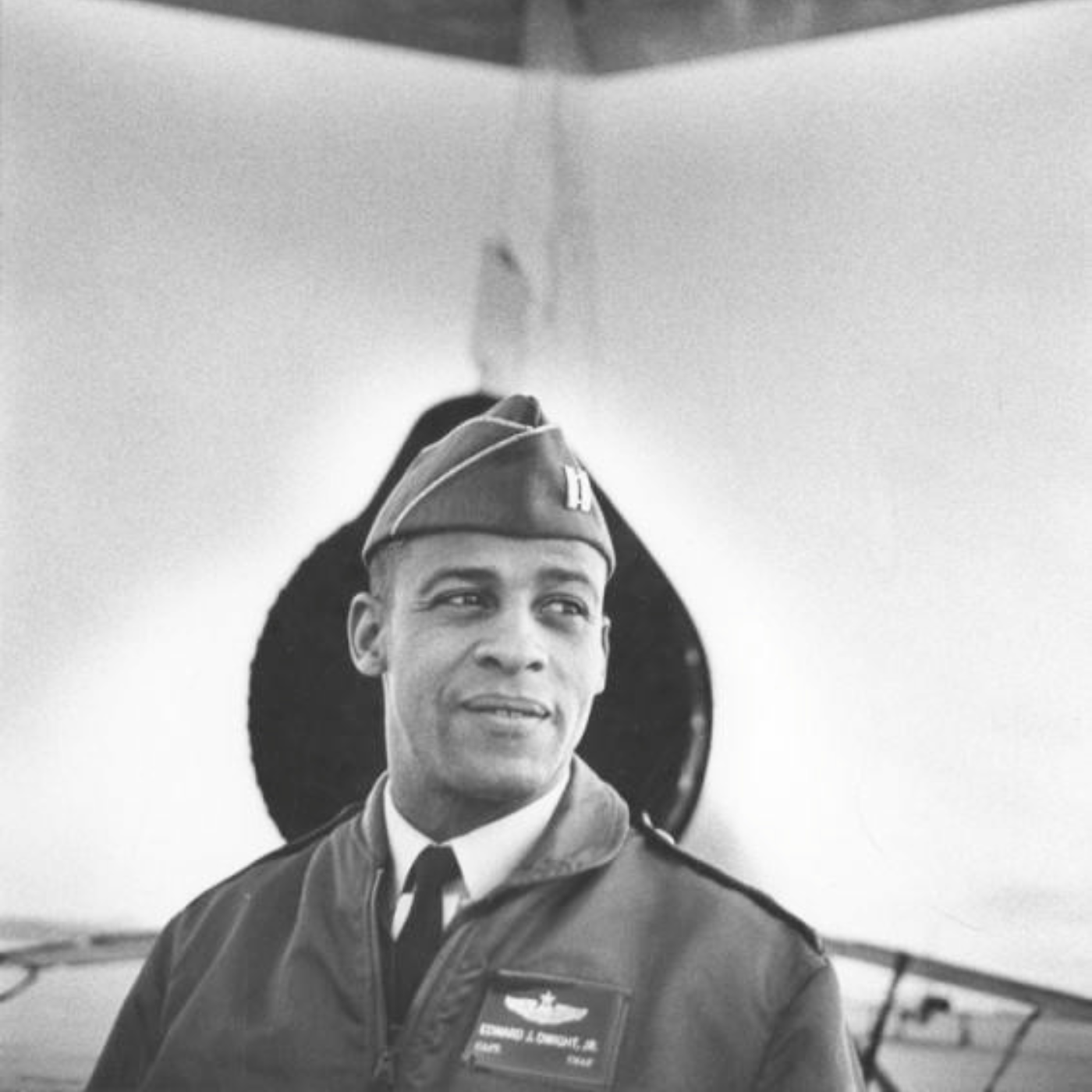
The Almost Astronaut
When it comes to the space race, we all know names like Neil Armstrong and Yuri Gagarin. But in most moments in history, there are a few names that fall through the cracks. One of those names is Ed Dwight.When Ed Dwight was selected to train to become an astronaut, many thought he would become the first Black man to go to space. But Ed faced some unexpected hurdles. Today on the show, we bring you his story. Learn about your ad choices: dovetail.prx.org/ad-choices










Get this podcast on your phone, Free


Create Your Podcast In Minutes
- Full-featured podcast site
- Unlimited storage and bandwidth
- Comprehensive podcast stats
- Distribute to Apple Podcasts, Spotify, and more
- Make money with your podcast
