Episode List

Raluca Filip, CFA: Helping Investors Navigate Risk, Volatility, and Second Thoughts
Market volatility and relentless news cycles can cause even confident investors to second-guess their risk tolerance. Raluca Filip, CFA, joins guest host Cathy Scott to explore why clients hesitate, reverse decisions, or suddenly reassess their appetite for risk — and how advisors can respond in those pivotal moments. Drawing on her work with financial professionals, Filip explains the psychology behind shifting risk perceptions, particularly among investors shaped by prolonged bull markets. She highlights the gap between imagining a downturn and actually living through one, and why traditional risk questionnaires often fall short when emotions take hold. The conversation offers practical strategies to help advisors guide clients through hesitation and emotional reversals, support better decision-making under pressure, and strengthen long-term trust in the advisory relationship.

Stefan Sharkansky: The Only Other Spending Rule Article You Will Ever Need
Is it time to move beyond the 4% rule? Stefan Sharkansky joins host Mike Wallberg, CFA, to discuss his Financial Analysts Journal article, "The Only Other Spending Rule Article You Will Ever Need," and why retirement income planning may require a more flexible approach. Sharkansky outlines a framework that separates secure, predictable income from market-driven spending—aiming to provide both stability and upside potential throughout retirement. He explains how his model addresses real-world retirement spending patterns, market uncertainty, and the trade-offs between safety and growth. The conversation also explores practical implementation considerations for advisors and thoughtful DIY investors looking to design more resilient decumulation strategies. Listen to the full episode for a fresh take on retirement spending—and be sure to read Stefan Sharkansky's article in the Financial Analysts Journal to explore the research in depth.
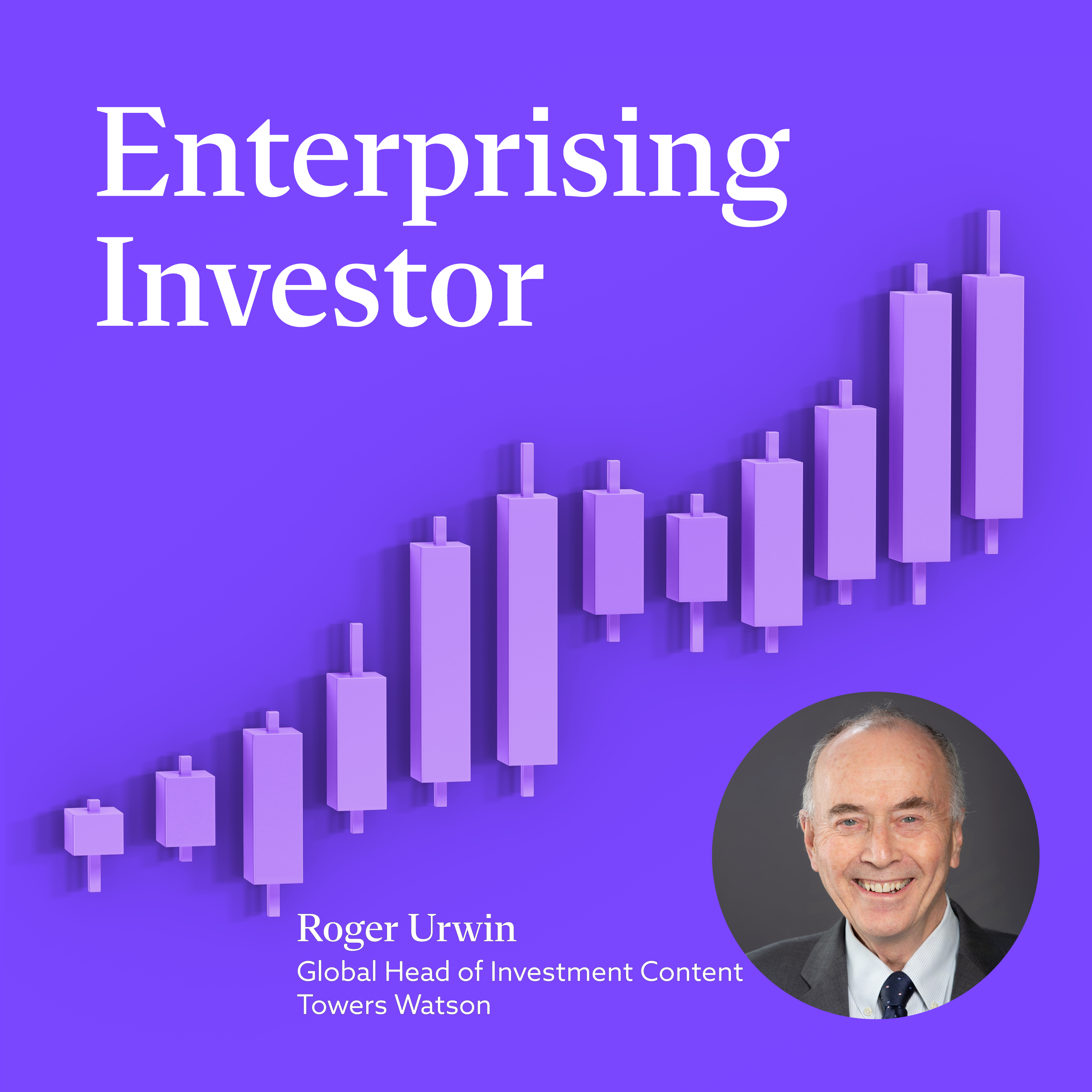
Roger Urwin: What a Total Portfolio Approach Looks Like in Practice
What does a total portfolio approach look like inside an investment organization? Roger Urwin, Global Head of Investment Content at Willis Towers Watson, describes how TPA functions in practice, from new roles like the Chief Total Portfolio Officer to the governance structures, data, and decision frameworks that shape portfolio-wide thinking. Speaking with Mona Naqvi, Managing Director of Research, Advocacy, and Standards at CFA Institute, he discusses the guardrails that support disciplined decision-making, the skills and mindsets required to operate across silos, and why resilience, foresight, and systems thinking are becoming core investment competencies. Listen to the episode to understand how asset owners are applying a total portfolio lens in real-world investment organizations.
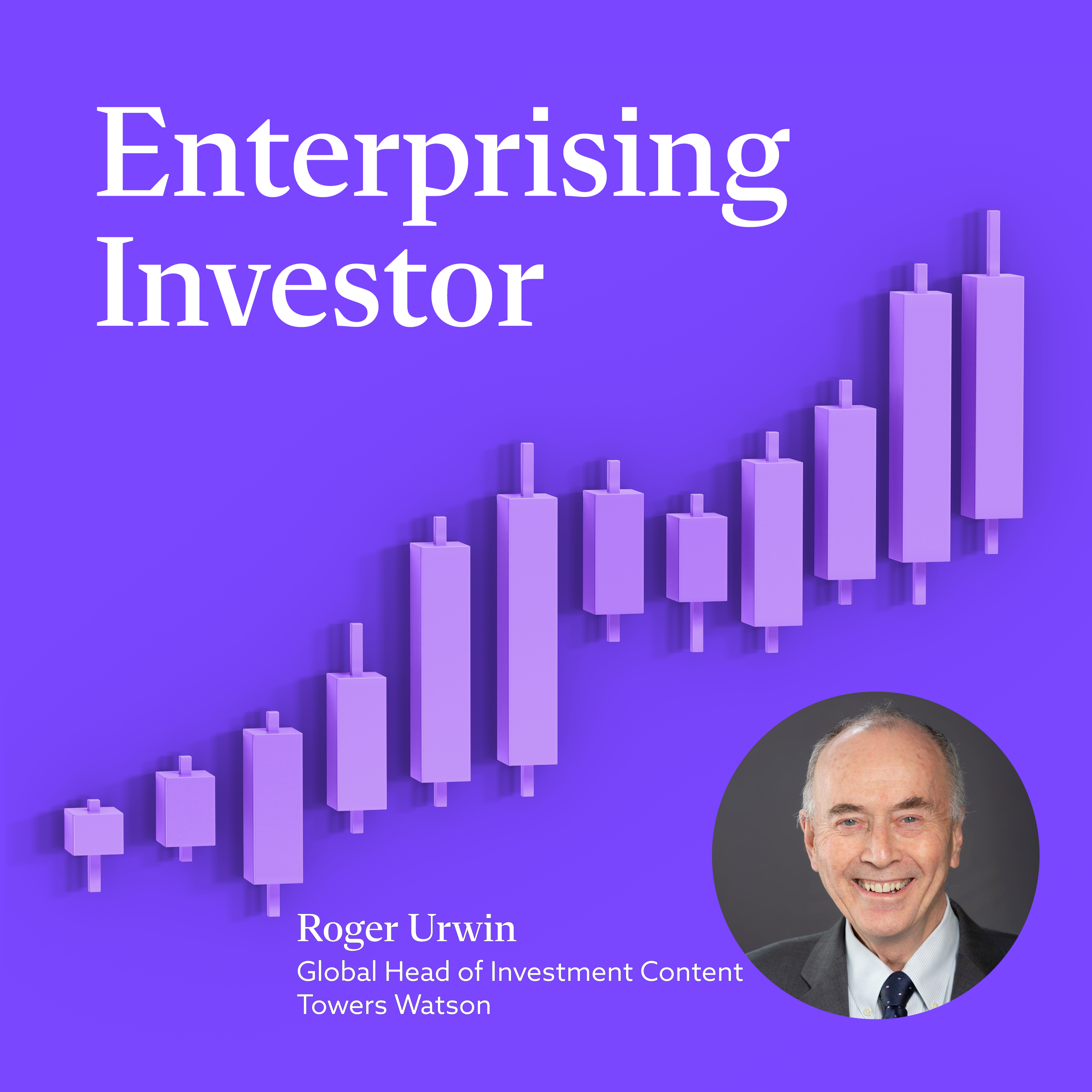
Roger Urwin: From Strategic Asset Allocation to a Total Portfolio Mindset Description
Roger Urwin, Global Head of Investment Content at Willis Towers Watson, reflects on how leading asset owners are rethinking strategic asset allocation amid faster regime change, rising systemic risk, and growing complexity. In a conversation hosted by Mona Naqvi, Managing Director of Research, Advocacy, and Standards at CFA Institute, he draws on decades of experience advising global funds to explain why a total portfolio mindset is gaining traction—and how it reframes goals, governance, and investment decision-making. The discussion explores what it means to invest through a truly holistic lens, why mindset and organizational design matter as much as models, and how the investment profession may need to evolve for a more uncertain world. Listen to the episode to hear Roger Urwin's perspective on the shift from strategic asset allocation to a total portfolio approach. Chapter Markers 00:00 Introduction and Welcome 01:12 Roger Irwin's Career and Industry Background 04:02 Why Total Portfolio Approach Matters Now 04:58 Origins of Strategic Asset Allocation (SAA) 09:32 Benchmarks, Universality, and Communication Challenges 12:01 How TPA Addresses Complexity 14:47 Accessibility vs Flexibility: SAA vs TPA 16:13 Governance Trade-offs and Organizational Design 17:53 Systems Thinking and Market Disruption 19:16 Ecosystem Thinking, Reflexivity, and Risk Models 21:21 Recalibrating Investment Frameworks 22:56 Is TPA More Resilient Than SAA? 24:27 People, Incentives, and Cultural Barriers 28:49 AI, Human Intelligence, and the Future Analyst 30:46 Human + Artificial Intelligence in Investing 34:48 Managing Systemic Risk and Long-Term Horizons 40:57 Value Creation in a World of Real-Time Information 43:55 Stewardship, System-Level Investing, and Externalities 45:00 Can SAA and TPA Coexist? 47:29 Industry Momentum and What Comes Next 49:36 Closing Thoughts and Series Preview
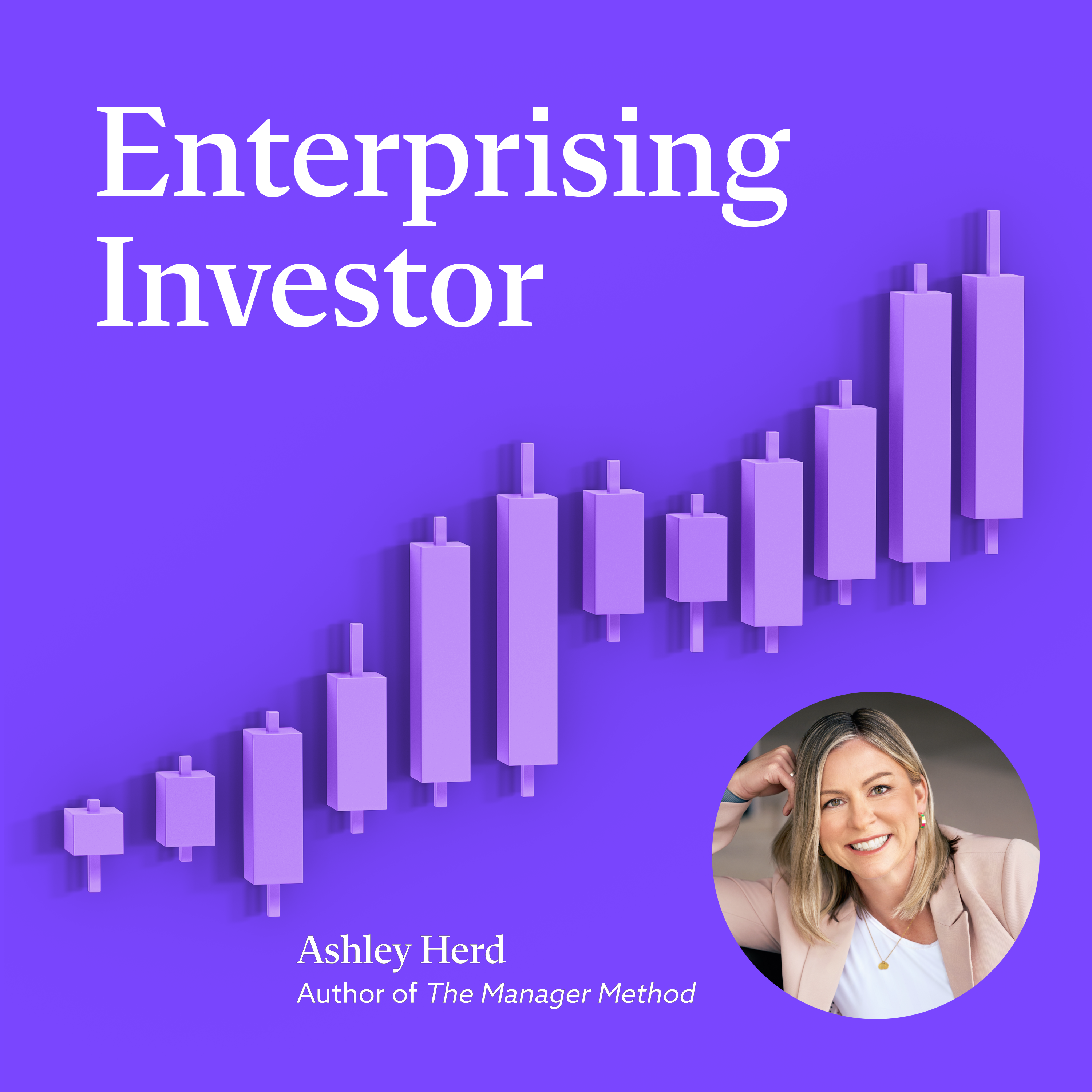
Ashley Herd: Why Better Managers Drive Better Business Results
Great management isn't a "soft skill" — it's a measurable performance lever. Ashley Herd, founder and CEO of Manager Method and author of The Manager Method: Practical Strategies to Lead with Purpose and Confidence, joins host Mike Wallberg, CFA, to unpack why communication sits at the heart of effective leadership and how small managerial choices ripple through engagement, retention, and profitability. Drawing on her experience as a lawyer, in-house leader, and advisor who has trained more than 250,000 managers, Herd explains why promoting top performers into management roles so often backfires, how leaders can avoid micromanagement without disappearing, and why her "pause, consider, act" framework helps managers handle everything from delegation to performance conversations. The discussion also explores what investors and analysts can learn about management quality by listening closely to leadership behavior — not just the numbers — and why culture and innovation are inseparable from long-term returns. Listen to the full episode of Enterprising Investor to hear practical insights on building better managers, stronger teams, and more resilient businesses.
You may also like








Get this podcast on your phone, Free


Create Your Podcast In Minutes
- Full-featured podcast site
- Unlimited storage and bandwidth
- Comprehensive podcast stats
- Distribute to Apple Podcasts, Spotify, and more
- Make money with your podcast
