Irish History Podcast
https://feeds.acast.com/public/shows/9190bee0-95f3-400b-842d-3232974654ecEpisode List
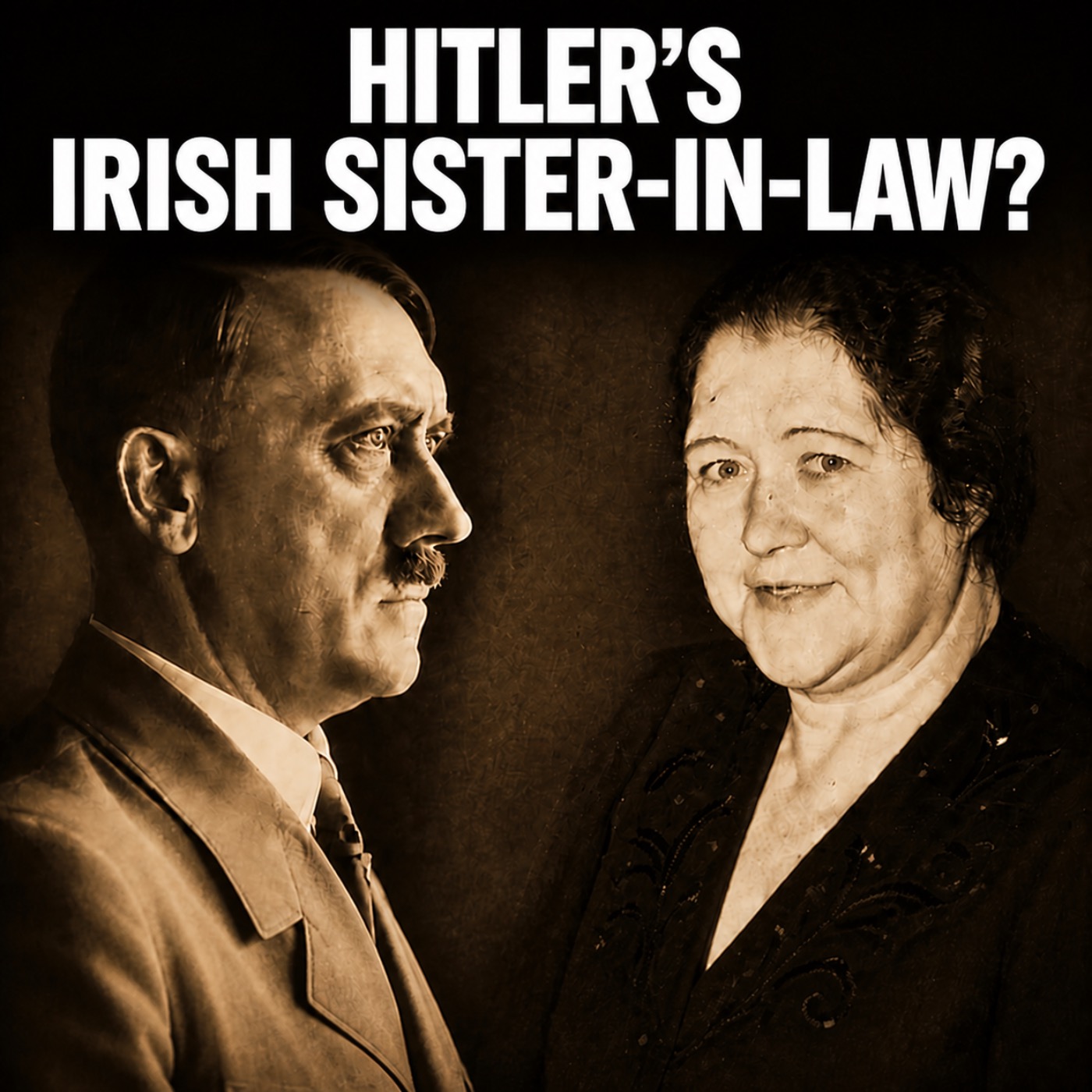
Hitler’s Irish Relatives: The Strange True Story
A video version of this episode is available on Apple Podcasts https://podcasts.apple.com/ie/podcast/irish-history-podcast/id363368392On the day Hitler invaded Poland, another Hitler was making headlines in Britain. It was not the dictator, but his Irish sister-in-law, Bridget Hitler, who had been hauled before the courts in London over a mundane, unpaid electricity bill. This episode explores the life of this woman and the strange reality of the "Irish Hitlers."For eight decades, the story of Bridget and her son has been muddied by sensational claims: that she hosted a young Adolf Hitler in her Liverpool flat, that she helped shape his infamous physical appearance, and that she enjoyed intimate access to his private mountain retreat. But how much of this narrative is grounded in reality, and how much is the product of post-war myth-making?In this episode, I reconstruct the documented history of this Irish woman’s connection to the Hitler family. We follow the journey from when Hitler’s brother, Alois, arrived in Dublin and married Bridget, through to how she reacted when her brother-in-law became the most notorious figure in history. I also reveal how much of what has been written about Bridget is based on a memoir that may actually be a forgery.Sound and Video Editing: Kate Dunlea Hosted on Acast. See acast.com/privacy for more information.
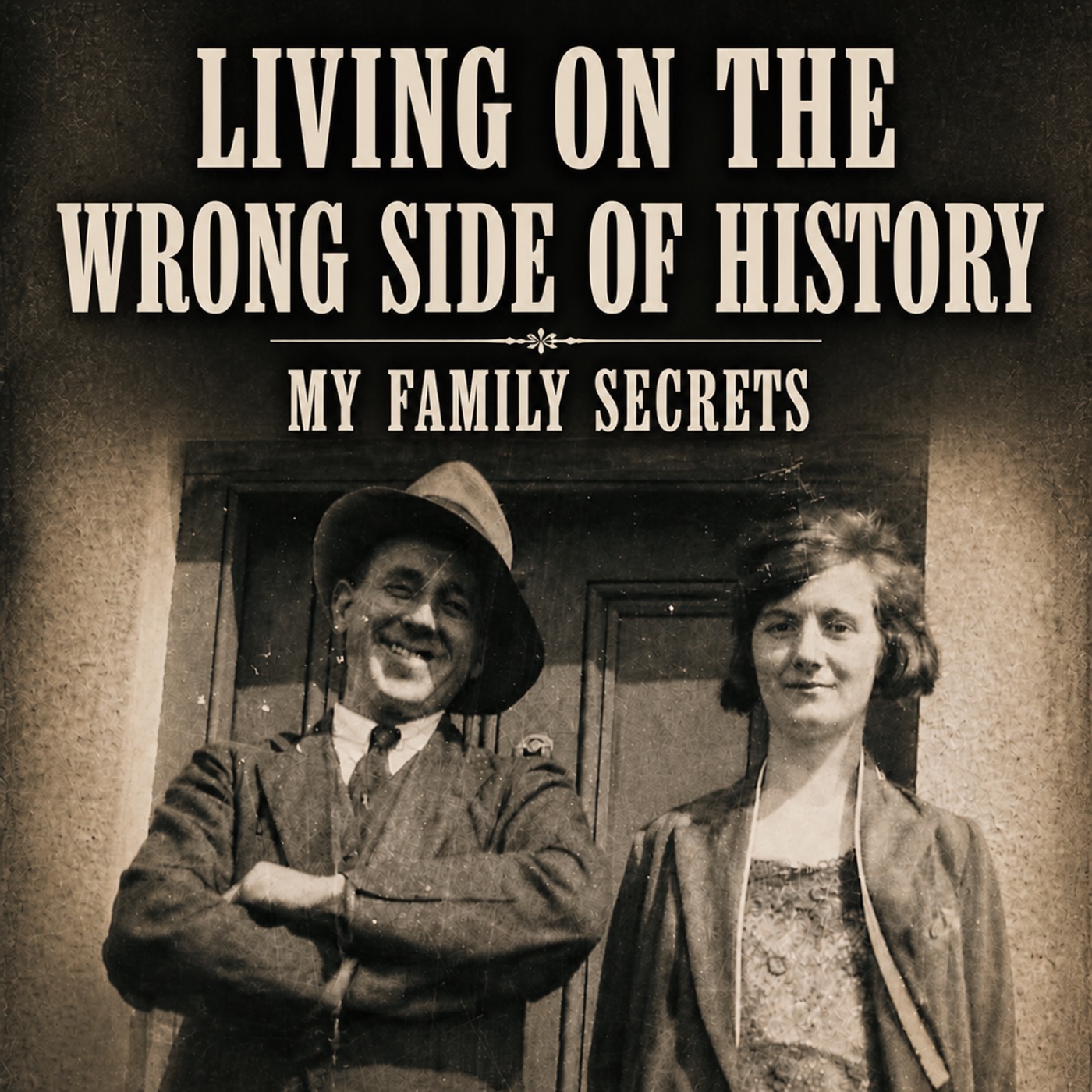
Living on the Wrong Side of History: My Family Secrets
Family history is often where the heroic version of the past falls apart.We like to imagine our ancestors standing on the right side of history. Someone in the GPO in 1916 or in the IRA in 1920. We like to think they made brave choice when it mattered. But most people were not heroes, revolutionaries or figures from the history books. They were ordinary people trying to survive events they could not control.That is what makes family secrets so revealing. They show us how people actually lived through history, without knowing how things would turn out. They hedged their bets, backed the side they thought would win, followed the crowd, made compromises and sometimes buried the truth when it all looked very different in hindsight.In this episode, I look at the murkier side of family history through my own ancestors. Across five generations, the stories include a shotgun marriage, someone being sent to prison during the Great Famine for stealing food, support for the local landlord and opposition to Irish independence, followed by a very convenient change of heart when independence became unavoidable.These are not exactly stories that have aged well, but they are probably far more common than we like to admit. From the Great Famine to the Irish Revolution and beyond, this episode is about the awkward, uncomfortable and often hidden ways ordinary people lived through extraordinary times.Sound: Kate Dunlea Hosted on Acast. See acast.com/privacy for more information.
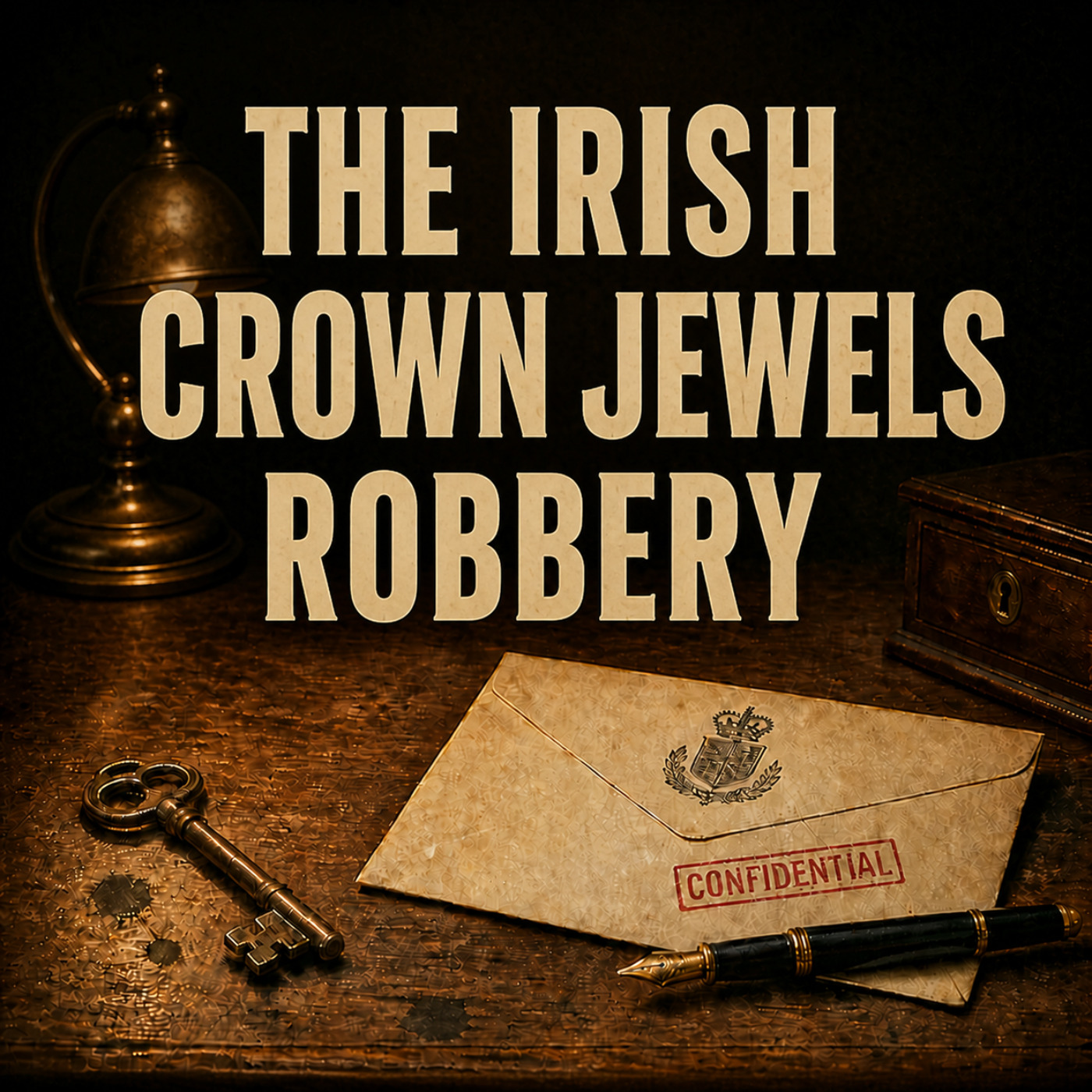
The Irish Crown Jewels Robbery: Ireland’s Crime of the Century?
In the summer of 1907, the Irish Crown Jewels were stolen from the heart of British power in Ireland, under the noses of the police, the military and the political establishment. Worth £50,000 at the time, their disappearance made headlines around the world. It was also deeply humiliating for the British authorities, coming just days before King Edward VII was due to visit Dublin.On the surface, it seemed like the perfect crime. The jewels were never recovered, and more than a century later, it remains unclear exactly when the theft even took place.But behind the mystery lay something even more explosive. Within days, detectives uncovered a scandal the British government could not afford to make public. This would lead to a major cover-up.In this episode, I take you back to Edwardian Dublin to explore Ireland’s most infamous unsolved crime: a story of privilege, scandal and secrecy at the heart of British rule in Ireland.Sound by Kate DunleaSupport the podcast: patreon.com/Irishpodcast.Sources:Myles Dungan, The stealing of the Irish Crown Jewels: an unsolved crime https://www.amazon.com/stealing-Irish-Crown-Jewels-unsolved-ebook/dp/B00C80K09G/ref=sr_1_1?dib=eyJ2IjoiMSJ9.bOREnIOZl9l8Nl9OFsawFw.NpvKSTSvbFr7u5uAzCkP6Ex_SzFeGsfO5PF1fPu5Bsg&dib_tag=se&keywords=9781860591822&linkCode=qs&qid=1781869038&s=books&sr=1-1F. Bamford & Viola Banks Vicious circle; the case of the missing Irish crown jewels https://archive.org/details/viciouscircle0000unse/page/202/mode/2upBulmer Hobson Burean of Military History Witness Statement https://bmh.militaryarchives.ie/reels/bmh/BMH.WS1089.pdf#page=2Sean Murphy A Centenary Report on the Theft of the Irish Crown Jewels in 1907https://www.academia.edu/9802230/A_Centenary_Report_on_the_Theft_of_the_Irish_Crown_Jewels_in_1907 Hosted on Acast. See acast.com/privacy for more information.
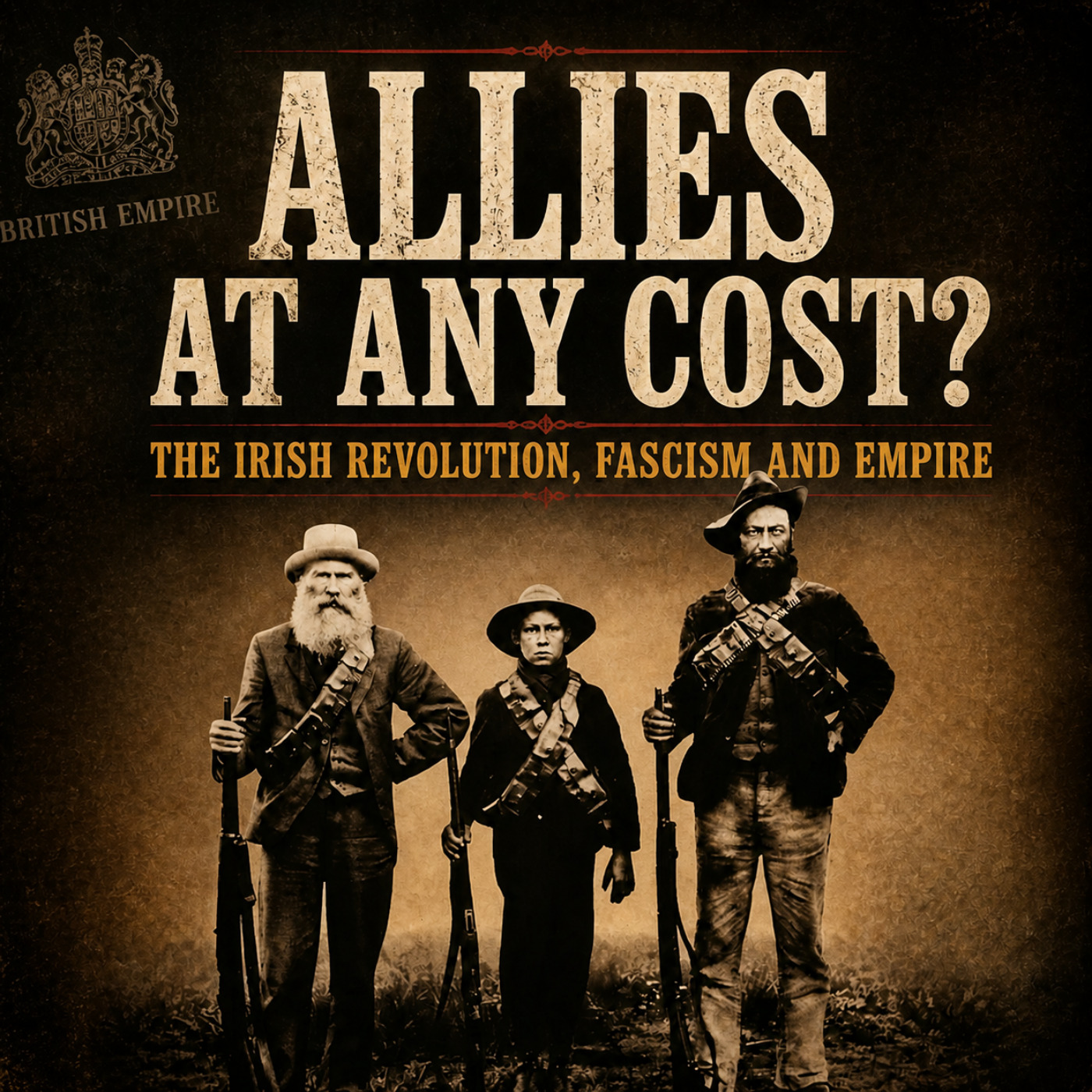
From White Settlers to Fascists: The IRA’s Troubling Allies
Irish republicans had many natural allies during the War of Independence. Irish communities in the United States offered vital support, while revolutionaries in India and Egypt were also fighting for freedom from the British Empire. But the search for allies also led Irish republicans into far more complicated territory.Across the British Empire, they courted support not from colonised peoples, but from European settlers and their descendants in Australia, New Zealand, Canada and South Africa, many of them with Irish roots. In Europe, they looked to the Vatican, despite the Catholic Church’s long-standing suspicion of republicanism and revolution. Most controversially, Irish republicans also sought contact with Benito Mussolini, who was on his way to becoming Europe’s first fascist dictatorIn this final episode of Brothers in Pain, Dr Brian Hanley explores the uncomfortable history of Irish republican alliances abroad. From South Africa to the Papacy and fascist Italy, this episode asks why Irish revolutionaries sought support in such unlikely places, what they gained, and what these choices reveal about the Irish Revolution, empire and the wider world after the First World War.This is the final episode of Brothers in Pain a groundbreaking Global history of the Irish War of Independence by Dr Brian HanleyWritten, Researched & Narrated by Dr Brian Hanley.Check out Brian's publications here https://www.tcd.ie/history/staff/brian-hanley.phpProducer: Fin DwyerSound: Kate DunleaNote from Brian :In researching these episodes I have been indebted to the work of the following scholars;Anna Lively, Sam McGrath, Bruce Nelson, John Belchem, Terry Dunne, David Brundage, Niamh Coffey, Gerard Shannon, Maurice Casey, Kelly Anne Reynolds, Chris McNickle, Joe Doyle, Liz Gillis, FM Carroll, Patrick Mannion, Jimmy Yann, Niall Cullen, Pádraig Óg Ó Ruairc, Keith Jeffrey, Arthur Mitchell, John Borgonovo, Kate O’Malley, Michael Doorley, Robin Adams, Kevin Kenny, Fearghal McGarry, Catherine M. Burns, Síobhra Aiken, Patrick J. Mahony, Darragh Gannon, Matthew Pratt Guterl and James R. Barrett. Hosted on Acast. See acast.com/privacy for more information.
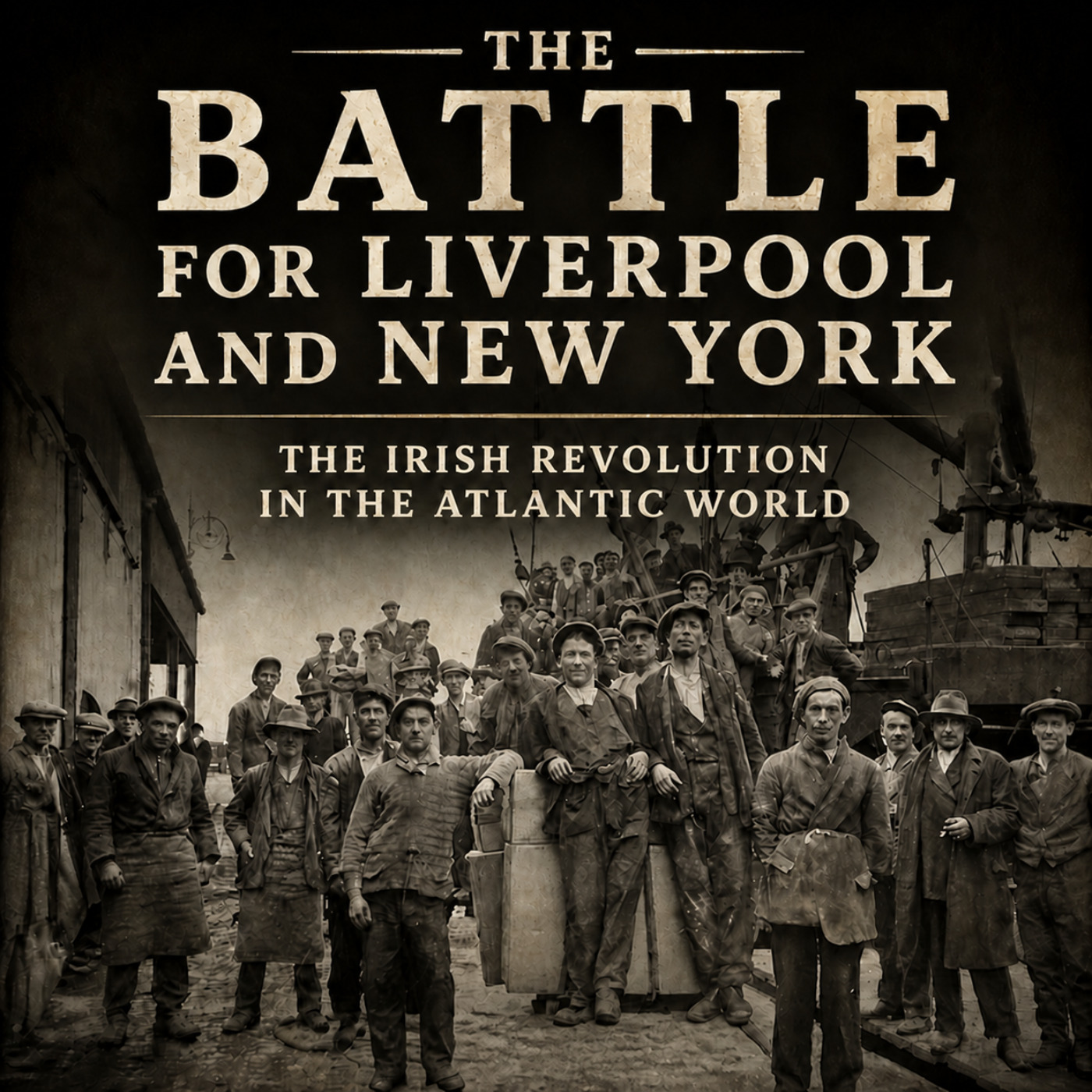
The Battle for Liverpool and New York: The Irish Revolution in the Atlantic World
Liverpool and New York haunt the story of Irish independence in a way few other places do. Though separated by more than 5,000 kilometres of ocean, both ports were part of a wider Atlantic world in which Ireland occupied a central place.By the 1920s Liverpool and New York were among the most Irish cities on the planet. Both had been transformed by generations of Irish migration and in both cities Irish politics shaped everyday life. During the War of Independence, these communities became crucial to the republican movement. Money, weapons, propaganda and people moved through the ports, while IRA networks operated on both sides of the Atlantic. But this was not simply a story of support for Irish independence. In Liverpool and New York, Irish politics were fiercely contested. Supporters of the Republic organised, fundraised and agitated, while opponents of independence also made their voices heard. Anti-Irish politics, loyalism, class tensions and divisions within the diaspora all shaped how the conflict was understood abroad. In this episode of Brothers in Pain, Dr Brian Hanley explores the role of Liverpool and New York in the Irish War of Independence, revealing how two great port cities helped shape the revolution, and how Ireland’s struggle in turn reshaped politics across the Atlantic world.This is the second last episode of Brothers in Pain a groundbreaking Global history of the Irish War of Independence by Dr Brian HanleyWritten, Researched & Narrated by Dr Brian Hanley. Check out Brian's publications here https://www.tcd.ie/history/staff/brian-hanley.phpProducer: Fin DwyerSound: Kate DunleaNote from Brian :In researching these episodes I have been indebted to the work of the following scholars;Anna Lively, Sam McGrath, Bruce Nelson, Terry Dunne, David Brundage, Niamh Coffey, Gerard Shannon, Maurice Casey, Kelly Anne Reynolds, Chris McNickle, Joe Doyle, Liz Gillis, FM Carroll, Patrick Mannion, Jimmy Yann, Niall Cullen, Pádraig Óg Ó Ruairc, Keith Jeffrey, Arthur Mitchell, John Borgonovo, Kate O’Malley, Michael Doorley, Robin Adams, Kevin Kenny, Fearghal McGarry, Catherine M. Burns, Síobhra Aiken, Patrick J. Mahony, Darragh Gannon, Matthew Pratt Guterl and James R. Barrett. Hosted on Acast. See acast.com/privacy for more information.



Get this podcast on your phone, Free


Create Your Podcast In Minutes
- Full-featured podcast site
- Unlimited storage and bandwidth
- Comprehensive podcast stats
- Distribute to Apple Podcasts, Spotify, and more
- Make money with your podcast
