
Boagworld: UX, Design Leadership, Marketing & Conversion Optimization
https://feeds.simplecast.com/XJ3MbVN3Episode List

Surviving Crisis: Lessons from Higher Ed's Financial Storm
In this episode, we welcome back Andrew Millar from the University of Dundee to discuss the current state of higher education, vibe coding platforms for non-developers, and the importance of community-driven conferences like Scottish Web Folk.App of the Week: Bolt.newThis week we're looking at Bolt.new, a vibe coding platform designed specifically for non-developers. Unlike tools like Cursor that are built for developers to pair program with AI, Bolt is aimed at people like marketers, designers, and small business owners who want to create functional applications without ever touching code.Paul has been using Bolt to build practical tools for his own business, including a custom top task analysis app, WordPress plugins, JavaScript extensions, and CSS animations. The platform handles everything from the database to publishing and hosting, making it genuinely accessible for non-technical users.However, we'd caution against treating these tools as production-ready for enterprise use. They're excellent for prototyping, internal tools, and small-scale applications, but they likely won't pass rigorous quality control in larger organizations. Think of them like desktop publishing was in the early days. They democratize creation but don't eliminate the need for professional expertise.For production-ready code, the real value comes when developers use AI pair programming tools where they can review, understand, and quality-check the output. The future likely involves professionals using these tools to increase productivity rather than replacing expertise entirely.Topic of the Week: The State of Higher Education and Digital TransformationAndrew Millar, who runs the digital team at Dundee University, joins us to paint an honest picture of the current higher education landscape. It's not pretty, but his candid insights offer valuable lessons for anyone navigating organizational crisis, whether in universities or elsewhere.The Perfect Storm Facing UniversitiesHigher education has always claimed poverty, but the structural problems have become impossible to ignore. Universities face two fundamental financial challenges: funding per student hasn't kept pace with inflation over the past decade, and research grants typically only cover around 80% of actual costs, leaving institutions to make up the difference.International students became the solution to plug this gap. They could be charged higher fees and effectively cross-subsidized teaching for domestic students and research activities. This worked until a perfect storm hit: COVID disruptions, international conflicts, hostile government rhetoric toward international students, and for Dundee specifically, the Nigerian economy's collapse, which dramatically reduced one of their key international markets.Dundee found themselves with a 30 million pound deficit. Within a year, the principal resigned, the entire executive changed, the Scottish government stepped in with emergency funding, and 500 staff members have left from a workforce of around 3,000.The Three Phases of Crisis ManagementAndrew outlined three distinct phases organizations go through during financial crisis, and his framework offers practical guidance for anyone facing similar situations.Phase 1: Cut, Cut, CutWhen crisis hits, budgets get slashed, often multiple times. Andrew recommends categorizing everything into three buckets: what's absolutely critical to keep the lights on, what will hurt but won't cause lasting harm, and what's easy to eliminate. This is actually an opportunity to clear out legacy systems and processes that nobody uses but somehow persist.The challenge is that during this phase, people aren't open to change or new ways of working. They just want to see the existing stuff cut. Don't waste energy trying to introduce innovations here. Focus on strategic pruning.Phase 2: The Great Spaghetti Flying ContestThis is where everyone becomes an expert on how to solve the crisis. Phrases like "we should at least try it" and "isn't it good to test ideas?" fly around constantly. The problem is that these are the exact phrases digital teams have been using for years to encourage experimentation, now thrown back at them by people with competing priorities.Governance structures become critical here. You can clarify requests (ensuring they're truly worth pursuing), compromise on scope, or clog them up in committees until priorities become clearer. When your escalation paths have collapsed, as they did at Dundee when leadership departed, you're left justifying decisions without backup.The key insight: never say "computer says no" via email. Have conversations. Explain your reasoning. When people understand the constraints, they typically accept them. Email refusals just get escalated to whoever shouts loudest.Phase 3: The Big SqueezeWith less money, fewer people, less institutional knowledge, and no clear strategy, this phase is when things get really difficult. But paradoxically, it's also when people become more open to change. They've accepted that old ways aren't working and are more receptive to credible, evidence-based proposals for doing things differently.Digital Team Transformation and the Hub-and-Spoke ModelAndrew's team has evolved significantly since their original digital transformation work. They reduced the number of people managing the corporate website from 350 to about 20 while maintaining quality. Now they're moving toward a hub-and-spoke model, with centralized governance but distributed execution.The ideal version of this model, which IBM pioneered, has people embedded in individual departments but reporting into the central digital function. This creates healthy tension, since they need to keep their central manager happy while also serving their local colleagues. It maintains standards while building subject matter expertise across the organization.One emerging priority is what Andrew calls "generative engine optimization," ensuring content is structured so AI tools can accurately surface and represent it. As more users get information through AI intermediaries without ever visiting your website, getting this right becomes critical.The Value of Community: Scottish Web FolkThe conference that inspired this episode, Scottish Web Folk, emerged partly out of necessity. When travel budgets got cut, Dundee created their own event. It's now grown to over 150 attendees with strong sponsor support, all while maintaining its community-first ethos.The conference bans sales pitches from sponsors, limiting them to 30 seconds of self-promotion. Instead, it emphasizes knowledge sharing between suppliers and institutions. This approach keeps sponsors coming back because they recognize that embedding themselves in the community pays long-term dividends.For any digital team, hosting events like this builds internal credibility and external relationships simultaneously. It positions you as thought leaders within your organization while creating the networks that sustain careers and enable collaboration across institutional boundaries.Marcus's Joke"I started dating a zookeeper, but it turned out she was a cheetah."That's a wrap for this episode. See you in the new year! Find The Latest Show Notes

E-commerce UX Secrets: What 200,000 Hours of Research Reveals About Conversion
If you run an e-commerce site or work on digital products, this conversation is packed with research-backed insights that could transform your conversion rates.Apps of the WeekBefore we get into our main discussion, we want to highlight a couple of tools that caught our attention recently.UX-Ray 2.0We talked about this last week, but it deserves another mention. UX-Ray from Baymard Institute is an extraordinary tool built on 150,000 hours (soon to be 200,000 hours) of e-commerce research. You can scan your site or a competitor's URL, and it analyzes it against Baymard's research database, providing specific recommendations for improvement.What makes UX-Ray remarkable is its accuracy. Baymard spent almost $100,000 just setting up a test structure with manually conducted UX audits of 50 different e-commerce sites across nearly 500 UX parameters. They then compared these line by line to how UX-Ray performed, achieving a 95% accuracy rate when compared to human experts. That accuracy is crucial because if a third of your recommendations are actually harmful to conversions, you end up wasting more time weeding those out than you saved.Currently, UX-Ray assesses 40 different UX characteristics. They could assess 80 parameters if they dropped the accuracy to 70%, but they chose quality over quantity. Each recommendation links back to detailed guides explaining the research behind the suggestion.For anyone working in e-commerce, particularly if you're trying to compete with larger players, this tool is worth exploring. There's also a free Baymard Figma plugin that lets you annotate your designs with research-backed insights, which is brilliant for justifying design decisions to stakeholders.SnapWe also came across Snap this week, which offers AI-driven nonfacilitated testing. The tool claims to use AI personas that go around your site completing tasks and speaking out loud, mimicking user behavior.These kinds of tools do our heads in a bit. On one hand, we're incredibly nervous about them because they could just be making things up. There's also the concern that they remove us from interacting with real users, and you don't build empathy with an AI persona the way you do with real people. But on the other hand, the pragmatic part of us recognizes that many organizations never get to do testing because management always says there's no time or money. Tools like this might enable people who would otherwise never test at all.At the end of the day, it comes down to accuracy and methodology. Before using any such tool, you should ask them to document their accuracy rate and show you that documentation. That will tell you how much salt to take their output with.E-commerce UX Best Practices with Christian HolstOur main conversation this month is with Christian Holst, Research Director and Co-Founder of Baymard Institute. We've been following Baymard's work for years, and having Christian on the show gave us a chance to dig into what nearly 200,000 hours of e-commerce research has taught them about conversion optimization.The Birth of Baymard InstituteChristian shared the story of how Baymard started about 15 years ago. His co-founder Jamie was working as a lead front-end developer at a medium-sized agency, and he noticed something frustrating about design decision meetings. When the agency prepared three different design variations, the decision often came down to who could argue most passionately (usually the designer who created that version), the boss getting impatient and just picking one, or the client simply choosing their favorite.Rarely did anyone say they had large-scale user experience data to prove which design would actually work better. They realized they could solve this problem by testing general user behavior across sites and looking for patterns that transcend individual websites. If they threw out the site-specific data and only looked for patterns across sites, they could uncover what are general user behaviors for specific UI components and patterns.It started with just checkout flows. It wasn't even clear they would ever move beyond that. But now, 15 years later, Baymard has a team of around 60 people, with 35 working full-time on conducting new research or maintaining existing research.The Role of Research-Backed GuidelinesOne important point Christian emphasized is that Baymard's research isn't meant to replace your own internal testing. You should always do your own data collection and usability testing. The point of having a large database of user behavior and test-based best practices is that when you're redesigning something, you have maybe 100 micro decisions to make. You can't run internal tests for every single one of those decisions.Even Fortune 500 companies that have the budget don't have the time to wait for results on every micro decision. So what happens is you collect research on the two or three big things that are site-specific or unique to your brand or customer demographic. But all the generic stuff (how to design an expand and collapse feature, how the quantity field should work, how the phone field should be designed in a checkout flow) these are extremely standardized UI components where users have standardized expectations.You shouldn't squander your internal test resources on testing things that are completely generic. That's where pre-made research comes in. It removes 97 of the micro decisions so you can focus your resources on what's unique and important to your brand.Common E-commerce Conversion KillersWe asked Christian what kills conversion the most on e-commerce sites. While it depends on each site's specific issues, there are some concrete things Baymard has consistently seen sites fail at that are surprisingly easy to fix.The Order Review TrapIn countries where you have an order review step (where users review the whole order before pressing "place order"), there's a really dangerous trap. The order review step and the order confirmation step look very similar in users' minds. Both are textual pages that appear after entering credit card data. Both show a summary of information.In testing, Baymard consistently sees some users misinterpret the order review step for a confirmation step. This is a critical error because these users will exit the page thinking they've completed their order. They don't even realize the abandonment occurred. It's the worst type of checkout abandonment that can happen.A very simple trick is to take the "place order" button that you usually have at the bottom of the page and duplicate it so there's also one at the top of the page. One audit client did this and got a $10 million return on investment from just duplicating that button. It won't affect 10% of users, but if it prevents one out of 200 users from abandoning, that's half a percent of all your site revenue you've recovered.Error Recovery ExperienceChristian called this "the least sexy but most important topic" in checkout flows. The general error recovery experience in checkout flows has improved over the 15 years Baymard has been researching, but it's still way too poor.When a validation error occurs, users struggle with three things:Understanding that an error actually happenedUnderstanding where the error isUnderstanding how to resolve itBest practices for error recovery:Provide visual styling for each field that's wrongHave a description at the top of the page that outlines all errorsUse conditional logic: if there's only one error, scroll them to that field. If there are multiple errors, scroll to the top where they can see the overviewBaymard sees users who fix one error, resubmit, and then get frustrated when the page reloads with another error they didn't see. They sometimes conclude the page is broken. When Baymard surveys users, 6% say they've abandoned a checkout flow in the past quarter due to perceived technical errors. Most of these aren't actual technical errors, the page is just extremely complicated to use.Adaptive Error MessagesInstead of saying "phone number is invalid," tell users exactly why. Your technical system knows exactly which validation rule was triggered. If the phone number is wrong because it includes a special character, tell them: "Special characters cannot be used. You don't need to include the country code." If it's too long or too short, say that specifically. This helps users recover faster.Ideally, much of this should be fixed in the backend. Postcodes are a great example, some people put a space in UK postcodes, some don't. Some write it all uppercase, some use mixed case. Why isn't this fixed in the backend? There should be something tidying it up and dropping it into the database in the correct format.Product Data and ImageryOne area where Baymard has seen genuine improvements is around product data and product imagery. Most sites took a long time to figure out that the content on the product details page is crucial to user experience.When users land on a product details page, 90-95% of what they do as a first action is look at the image. But they also use images for tasks where it's a terrible idea. For instance, if trying to figure out whether a speaker has the right connection, instead of going to the specification sheet, they look for images showing the speaker from the back to see the connections. If they can't see it, they conclude it doesn't have the connection and abandon that product.Users are extremely visually driven, even trying to use images to solve problems where it's a poor strategy. Sites need really good imagery from multiple angles, detailed videos showing what goes on visually, and proper product descriptions.Building Trust in E-commerceWe asked Christian about building trust beyond the lazy approach of just shoving social proof and awards on the site. His insights were revealing:Social Proof On and Off-SiteSocial proof is important both on your page and off it. If people are in doubt whether to trust you, they won't trust your version of whether they should trust you. They'll go offsite to check reviews. Responding to negative reviews is crucial because it helps explain or set context. Users often seek out negative reviews more than positive ones to do due diligence. They understand not every product is perfect for every user, but they want to know if the shortcomings are relevant to them.Return Policies and Professional DesignClear and generous return policies help build trust. But there's also the "aesthetic usability effect", having a well-worked design without complications builds trust and credibility. Sites that look too dated will degrade trust. If something looks like it was made in the nineties, users may question if it's too unprofessional.Simply having a site that's not too complicated to use also builds trust. If users get completely stuck, they may conclude it's too unprofessional or wonder if there's something wrong with the business.These effects depend quite a bit on whether people know the brand. It changes dramatically if it's a large known brand versus a completely unknown small site with new users.The Future: AI and E-commerceWe couldn't resist asking Christian about AI's impact on e-commerce. There are similarities to when voice applications came out five or six years ago. Everyone said we'd order everything with our voice, but that didn't really happen. This time may be different, but it won't go as fast as people think, at least not for all purchases.There are some commodity items and household staples you just want restocked when they run out. Those are well suited for AI purchasing, the same type of products you'd buy on subscription today. But many purchases require users to be in control.Where AI is already changing things massively is not in the complete purchase but in research and product discovery. Which digital camera should I buy? Which one is best for my requirements? This has always been an offsite experience. Users typically have multiple e-commerce sites, review sites, blogs, and social media open when researching purchases. That part is changing rapidly with AI.But going from winnowing down millions of products to a few options, then having AI auto-purchase one of them, will take quite a while before users are that confident. It may even be generational, people our age may never fully trust it even when it becomes trustworthy, while the next generation growing up with competent AI will develop different habits.Final ThoughtsWhat really strikes us about e-commerce optimization is how it's death by a thousand cuts. It's not that one of these things will wreck your conversion rate, but collectively they cause real problems. When you're dealing with an entire e-commerce site, there are so many little things that it's impossible to plan for all of them upfront. You will miss things.That's why post-launch optimization is crucial. There will always be things that need improving, and that ongoing work can span years. It's a big job, but the research and tools that organizations like Baymard provide make it far more manageable than trying to figure everything out from scratch.Marcus's JokeAnd now, as always, Marcus leaves us with his joke of the week:"My dad suggested I register for a donor card. He's a man after my own heart."That's actually quite good, Marcus. We'll allow it. Find The Latest Show Notes

Freelancing for Small Businesses: Real World Budget Constraints and High Stakes
Welcome to Episode 27 of the Boagworld Show, where we dive into a side of web work that doesn't get nearly enough attention. This month, we're exploring life as a freelancer working with small businesses. We're joined by Paul Edwards, a fellow member of the Agency Academy who has spent two decades serving clients that don't have massive budgets or sprawling marketing teams. If you've ever wondered how best practice advice translates to the real world of limited resources and high stakes, this conversation is for you.App of the Week: Baymard UX-RayBefore we get into our main conversation, we need to talk about an extraordinary tool that just launched. Baymard UX-Ray is built on the Baymard Institute's 150,000 hours of ecommerce research. If you're not familiar with Baymard, they've been conducting rigorous usability research for years, building an enormous repository of what actually works in ecommerce design.What makes UX-Ray remarkable is how it applies all that research. You can input your own site or a competitor's URL, and the tool scans it against Baymard's research database. It then provides specific recommendations for improvement, each one linked back to detailed guides explaining the research behind the suggestion.Now, we'll be honest. Tools like this can feel a bit depressing when you first encounter them. Another thing that AI can do that used to be our job, right? But the reality is more nuanced. You still need expertise to ask the right questions, to know when to ignore advice that doesn't fit your situation, and to implement recommendations effectively. What UX-Ray really does is democratize access to quality research, allowing smaller teams and solo practitioners to benefit from insights that would otherwise require a massive research budget.For anyone working in ecommerce, particularly if you're trying to compete with larger players, this tool is worth exploring.Life as a Freelancer Serving Small BusinessesOur main conversation this month centers on something we don't discuss enough in the UX and web design community. Most of the advice you read online, most of the case studies and best practice articles, come from people working with large organizations. We're guilty of this too. Between the two of us, we've worked with clients like Doctors Without Borders, GlaxoSmithKline, and major universities. That shapes our perspective in ways we don't always recognize.Paul Edwards brings a different lens. He's spent 20 years as a freelancer, and while he's worked with organizations of varying sizes, the common thread through his client list isn't scale. It's circumstance. His clients typically have small or nonexistent marketing teams. They're often time-poor and lack technical expertise. Most importantly, they have skin in the game in a way that corporate clients rarely do.The Origin StoryPaul's freelance journey started dramatically. On November 5, 2005, he had a tantrum at his job as a commercial manager for a civil engineering company and quit on the spot. No savings, no business plan, no real idea what he was doing. He just knew he'd been teaching himself web design with Dreamweaver and Fireworks, and he thought maybe he could make a go of it.What followed was the classic freelancer trajectory. He worked his friends and family network, which led him into academia and international development work. He found himself building sites for projects funded by the Bill and Melinda Gates Foundation, DFID, and the World Bank. These weren't necessarily well-funded projects despite the prestigious funders, but they gave him experience working with agencies across Europe and projects in Africa focused on critical issues like hygiene and sanitation.What Makes Small Business Work DifferentWhen you're working with a small business owner, the stakes are fundamentally different. As Paul put it, the number of clicks their campaign generates directly affects how much money they take home at the end of the month and the security of their family. That changes everything about the relationship.This isn't to say working with large organizations is easy or that the work doesn't matter. But in a corporation, success and failure are distributed across many people and many factors. When you're working with someone who owns their business, your work has an immediate, visible impact on their livelihood. The opportunity cost of failure is enormous. The credit for success is also more direct, which can be incredibly motivating.Paul's business has evolved toward more retainer and time bank arrangements over project work. This shift happened gradually but has been transformative. For clients, it guarantees access to his expertise when they need it. For Paul, it provides income stability. But there's another benefit that often gets overlooked. When you have long-term retainer clients, especially small ones with staff turnover, you become a point of continuity in their organization.One of Paul's retainer clients had a marketing department of two people. Both left within a year. Paul was literally the only person who understood the history of their digital presence, their past campaigns, and their strategic direction. That kind of institutional knowledge is incredibly valuable, and it's something freelancers can uniquely provide.The Budget RealityWe had to ask about budget because it's the elephant in every room. When you're working with smaller clients, you simply have fewer resources to work with. So how do you adapt all the best practice advice that assumes you have time for extensive user research, iterative testing, and comprehensive documentation?Paul's answer was illuminating. He doesn't find himself frustrated by advice that doesn't apply to his situation. He just doesn't apply it. As a generalist, he's always picked and chosen what's relevant, learning what he needs for each specific job and disregarding the rest. He can't let his head explode trying to take in everything, so he focuses ruthlessly on what matters for the work at hand.The reality is that best practice often needs to be adapted regardless of client size. A lot of what gets labeled as essential process work serves organizational needs as much as user needs. In a large organization, you might conduct extensive research partly to align compliance, get legal on board, and protect your client contact from political fallout. In a small business where you're talking directly to the decision maker, you can move faster and iterate post-launch.That doesn't mean cutting corners on things that matter. Paul still does discovery and research work, but he structures it differently. Rather than one large project with research baked in, he often does pre-project discovery as separate billable work. This allows him to flex the scope based on what the client has in-house, what they lack, and what will actually move the needle for them.Filtering Clients and Managing RiskOne of the most valuable parts of our conversation was Paul's approach to client selection. He's learned through hard experience that taking on a client who isn't a good fit costs far more in stress and lost time than the revenue is worth. Every single time he's taken someone on when his gut said no, it's been worse than if he hadn't brought that money in.So Paul has developed a risk scoring process. He researches Companies House filings and financial accounts. He Googles potential clients thoroughly. He makes sure to be himself from the first conversation, explaining that he's blunt and tends to say what he thinks. Some people say they want that but really don't, and it's better to discover the mismatch early.When things do go wrong, which is rare after 20 years, Paul offboards as quickly and graciously as possible. He sees it as partly his fault for misjudging the fit, so he tries not to burn bridges. He'll help them find someone else to work with and exits professionally.We wondered whether this kind of risk management is more necessary when working with smaller organizations. After all, you know Oxford University will eventually pay their bills, even if slowly. Paul's experience is that payment risk exists at all scales, but small businesses can have more volatile finances. However, most of his clients pay within 48 hours, which is remarkable. The key is that by moving toward retainer and time bank models where time is paid upfront, a lot of payment anxiety simply disappears.The Generalist Advantage and AI's RoleOur conversation kept circling back to the value of being a generalist, and how AI is amplifying that advantage. Paul described AI as helping him get out of his own way. If he knows 90 percent of what's needed to help a client but lacks that final 10 percent, he used to decline the work. The opportunity cost of getting it wrong felt too high. Now, AI helps him bridge that last 10 percent with confidence.He shared a perfect example. A trade business client, selling into the architectural sector, wanted help with their Google Ads campaign. Paul had dabbled in PPC but wasn't an expert. The client was willing to pay him to learn, which was fortunate, and AI supported that learning process. It helped him analyze the massive amounts of data that PPC campaigns generate, identify trends, and fill knowledge gaps. The result was a completely new campaign with much lower spend, a huge increase in relevant clicks, and better funnel positioning. The client was so pleased they sent him a Christmas hamper, a first in 20 years.This is what the return of the generalist looks like. AI isn't replacing expertise. It's allowing people with broad knowledge and good judgment to tackle problems that previously required specialists. You still need to know enough to ask good questions, to recognize when something feels off, and to verify AI's suggestions. But you can now say yes to opportunities that would have been too risky before.What Large Organizations Can LearnNear the end of our conversation, Paul made an observation that stuck with us. While he learns constantly from working with small businesses, he thinks there's value flowing the other way too. People working with large organizations, like us, often miss things that become obvious when the stakes are personal and immediate.When you work with a business owner who's putting their family's financial security on the line, you can't hide behind process or best practice. You have to deliver real value. You have to be adaptable. You have to become genuinely invested in their success because they're so clearly invested themselves. That kind of clarity and accountability can be harder to find in large organizational work, where responsibility is diffuse and success has many parents.This Month's ReadsEach month, we share a few articles, videos, and resources that caught our attention and sparked interesting conversations about the state of our industry.Functional Personas: A Practical GuideFollowing up on last month's discussion about AI-generated personas, Paul has now written a comprehensive guide for Smashing Magazine. The article walks through his method for creating functional personas using AI, explaining when this approach makes sense and how to implement it effectively. If you've been curious about whether AI-generated personas can actually be useful, this piece answers that question with practical examples.Experience Design: The Return of the GeneralistNielsen Norman Group has posted a video arguing for a terminology shift from "user experience design" to "experience design." Their reasoning is that UX has developed a reputation problem. People think they know what it means, but they're often wrong, associating it primarily with visual interface design.We have mixed feelings about this. The problem isn't really the word "user." It's the word "design." When most people hear design, they think of visual design and interface work, not the broader strategic and research work that UX encompasses. Changing to "experience design" doesn't solve that fundamental misunderstanding.That said, the video makes interesting points about the return of the generalist, which aligns with much of our conversation this month. As tools like AI make specialist knowledge more accessible, there's growing value in people who can work across disciplines and see the bigger picture.Marcus's Joke of the WeekA perfectionist walks into a bar. Apparently it wasn't set high enough. Find The Latest Show Notes

Dark Patterns, Bright Ideas: Why Deceptive Design Belongs in Accessibility
You know, those sneaky little tricks sites use to funnel you into doing things you never intended, like paying for insurance you didn’t want or scrolling until your thumb falls off.We talked about why this stuff isn’t just bad manners, but also an accessibility issue, and how to push back when your boss is shouting about conversion rates. We also wandered off into personas, because what’s a Boagworld Show without a tangent or two?App of the WeekThis week app is Be My Eyes. It’s designed to support blind and low-vision users by letting them connect with volunteers (or increasingly, AI) who can describe what’s in front of them. It’s practical, humane, and a great reminder that sometimes technology really does make life easier. Unlike my dishwasher, which still beeps at me like I’m trying to launch a nuclear missile.Topic of the Week: Deceptive Design, Accessibility, And The Real Cost Of ManipulationThis is where we rolled up our sleeves and got into the meat of it. What actually counts as deceptive design, why it’s more than just “bad UX,” and why the accessibility crowd are getting involved.What Do We Mean By Deceptive?There’s no single definition everyone agrees on, but the gist is: if you’re deliberately steering or trapping users into something they didn’t intend or need (and especially if it lines your company’s pockets) it’s deceptive. That’s different from an anti-pattern, which is just poor design born of ignorance.Why It’s An Accessibility IssueDeceptive patterns catch everyone out eventually, but they’re especially cruel to people with cognitive disabilities, attention difficulties, or those relying on assistive tech.If you’ve ever been stuck doomscrolling until you realized it’s not lunchtime but bedtime, you’ll know the feeling. The difference is, for some users, the consequences can be more than just a lost afternoon. That’s why accessibility guidelines are starting to take these patterns seriously.If you’re keen to see where this work is going, have a poke at these:WCAG 3 Working DraftW3C User StoriesProposed Personas DraftWhere It Gets MessyOf course, it’s rarely moustache-twirling villains plotting this stuff. Most of the time it’s teams chasing KPIs (sales, clicks, engagement) and nudging too far. That’s how you get:The big shiny green “Buy with insurance” button, while the “Buy without” option is hiding in grey.Cheaper plans buried three clicks down, so the expensive ones look like the only choice.The friendly phone call that turns into a hard sell for extended warranties.On paper the numbers look great. Meanwhile, refunds, complaints, and customer churn quietly tick upward. But hey, at least the dashboard looks good, right?The Role Of AIAI has the potential to make things better (look at how Be My Eyes uses it) but it also risks making things worse. More chatbots standing between you and an actual human being, for instance.At the moment we haven’t seen a tidal wave of AI-driven trickery, but the ingredients are all there. Somewhere in Silicon Valley, there’s probably a twenty-something rubbing his hands and plotting.Pushing Back Without Becoming UnemployedTelling your boss “this is unethical” might get you a polite nod. Showing them how deceptive patterns increase refunds, tank repeat purchases, and hike up customer support costs? That’s when people start listening. Always lead with the business case, because sadly “doing the right thing” isn’t enough in most boardrooms.Offer alternatives that still meet goals but don’t annoy users. Equal-weight buttons. Clear language. Confirmations before adding sneaky extras. And if management still insists, put your concerns in an email so there’s a record. Nobody likes receiving an email that basically says, “I warned you.”Personas With A Bit More RealityWhile we’re at it, let’s talk personas. Most marketing personas are about as useful as a chocolate teapot. They’re built around demographics and stereotypes. King Charles and Ozzy Osbourne would end up in the same persona (same age, same country, both live in castles). Clearly useless.Instead, think functional personas. Base them on needs, tasks, objections, and accessibility requirements.You don’t need a “disabled persona.” Just make sure some of your personas have traits like dyslexia, ADHD, low vision, or anxiety about being conned. That way, you’ve got a ready-made reason to say, “This won’t work for Priya, who relies on a screen reader.”The Big PictureDeception feels like a shortcut. It isn’t. It costs you in trust, support overhead, and long-term loyalty. Treat deceptive design as an accessibility barrier, argue with data, and keep users in your personas. That way you’ll serve both your customers and your company—and maybe sleep better at night.Read of the WeekIn this week’s show we also highlighted two cracking resources:Deceptive DesignA collection of manipulative patterns with real examples. Perfect for calling out “that thing the boss wants us to try.”Deceptive Patterns and FAST by Todd LibbySlides from Todd’s talk. Great for showing stakeholders that you’re not just making it up as you go along.Marcus JokeWe’ll wrap up with Marcus’s groaner of the week:“I told a joke on a Zoom meeting and nobody laughed. Turns out I am not even remotely funny.” Find The Latest Show Notes
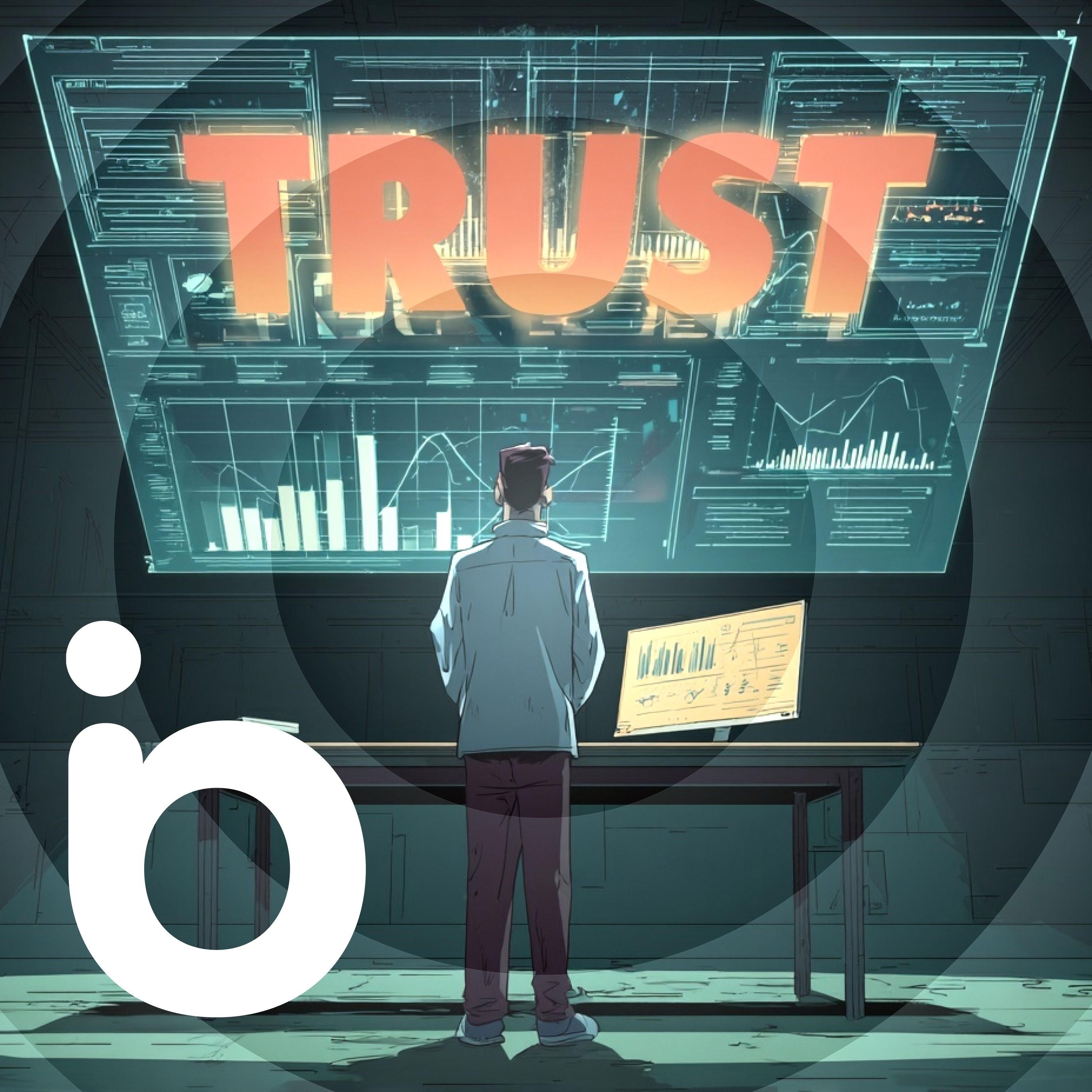
Why Your UX Needs a Trust Audit
In this episode, we look at why trust is key to good UX, especially with scams, deepfakes, and AI blurring the line between helpful and deceptive. We also ask if emotion-reading apps are helpful or just unsettling, and explore the tricky process of turning services into products. Plus, we discuss a framework from Nielsen Norman Group, tackle a listener's question on productization, and end with Marcus's joke.App of the WeekCheck out Emotion Sense Pro—a Chrome extension that analyzes micro‑expressions and emotional tone in real time during Google Meet calls, while keeping all data safely on your device. It's privacy-first, insightful, and a bit unsettling. But if you're moderating user tests, hosting webinars, or running interviews, it gives a useful look into unseen emotional cues.Topic of the Week: Trust as Your UX SuperpowerThis week's topic dives into why trust is absolutely essential in today's digital landscape. Here's a summary of what was discussed, but we encourage you to listen to the whole show for more detailed insights.We're convinced trust isn't optional, it's foundational. Amid a haze of misinformation, broken customer promises, slick AI-generated content, and user fatigue, building trust isn't just ethical, it's strategic.Why Trust Is Harder to Earn (But More Rewarding)Trust isn't automatic anymore. Big brands used to get the benefit of the doubt. Now users are skeptical. Scams and data breaches have made people cautious. Small problems like unfamiliar checkout pages, strange wording, or awkward user flows make people suspicious.UX Choices That Build (or Break) TrustKeep your visuals and interface consistent so users don't have to work hard. When people get confused, they put their guard up. Think about clicking through to a payment page with no familiar branding. That tiny moment can kill trust. Messages like "Only 3 left in stock" can seem manipulative if users don't trust you yet.Speak Like a HumanTalking about "the company" instead of "we" creates distance. Use normal conversation with "you" and "we" instead of "students" or "customers." Skip the marketing language. And remember that if your photos don't show people like your users, they might leave without saying why.Trust-Building in ActionHere are concrete steps that showcase trust-building in real-world scenarios. Implementing these practices can transform how users perceive and interact with your digital experiences:Audit for trust breakpoints. Look for spots where your UI might confuse users.Loop in legal early. This stops compliance from ruining your tone with last-minute jargon.Test trust directly. Ask "Would you feel comfortable sharing your data here?" during testing.Use authentic social proof. Link testimonials to sources, use third-party reviews. Even better? Simple, unpolished video testimonials.Prioritize clarity over cleverness. Skip the buzzwords.Make human support obvious. This is one of the strongest trust signals you can offer.Trust runs through every part of your experience. Get it right and it becomes your biggest advantage.Read of the WeekThis week's read is "Hierarchy of Trust: The 5 Experiential Levels of Commitment" by Nielsen Norman Group. They outline a trust pyramid:Baseline trust. Can the site meet my needs?Interest & preference. Is this better than alternatives?Trust with personal info. Worth registering?Trust with sensitive data. Can I trust you with payments?Long-term commitment. Will I come back?Main point? Don't ask for level-3 or level-4 commitments before earning levels 1 and 2. Users leave when you push for sign-ups or newsletter pop-ups too early. Build trust in stages.Listener Question of the Week"Is productizing my services a good idea, and if so, how should I approach it?It depends. Productisation can add clarity but might limit your value by putting your service in a rigid box. We find it works better to focus on outcomes rather than fixed processes.If you do want to productise:Focus on the outcome, not the deliverable. Example: "Conversion rate strategy" not "5 interviews and wireframes."Stay flexible. Your process should change as the project develops.Don't use fixed pricing that punishes change.Think about your service's value, not just features.Most of us will get further with a custom toolkit and clear outcomes than a one-size-fits-all "product."Marcus’s Joke“I removed the shell from my racing snail. I thought it would make it faster, but if anything, it’s more sluggish.” Find The Latest Show Notes








Get this podcast on your phone, Free


Create Your Podcast In Minutes
- Full-featured podcast site
- Unlimited storage and bandwidth
- Comprehensive podcast stats
- Distribute to Apple Podcasts, Spotify, and more
- Make money with your podcast