Ottoman History Podcast
https://feeds.soundcloud.com/users/soundcloud:users:6652990/sounds.rssEpisode List
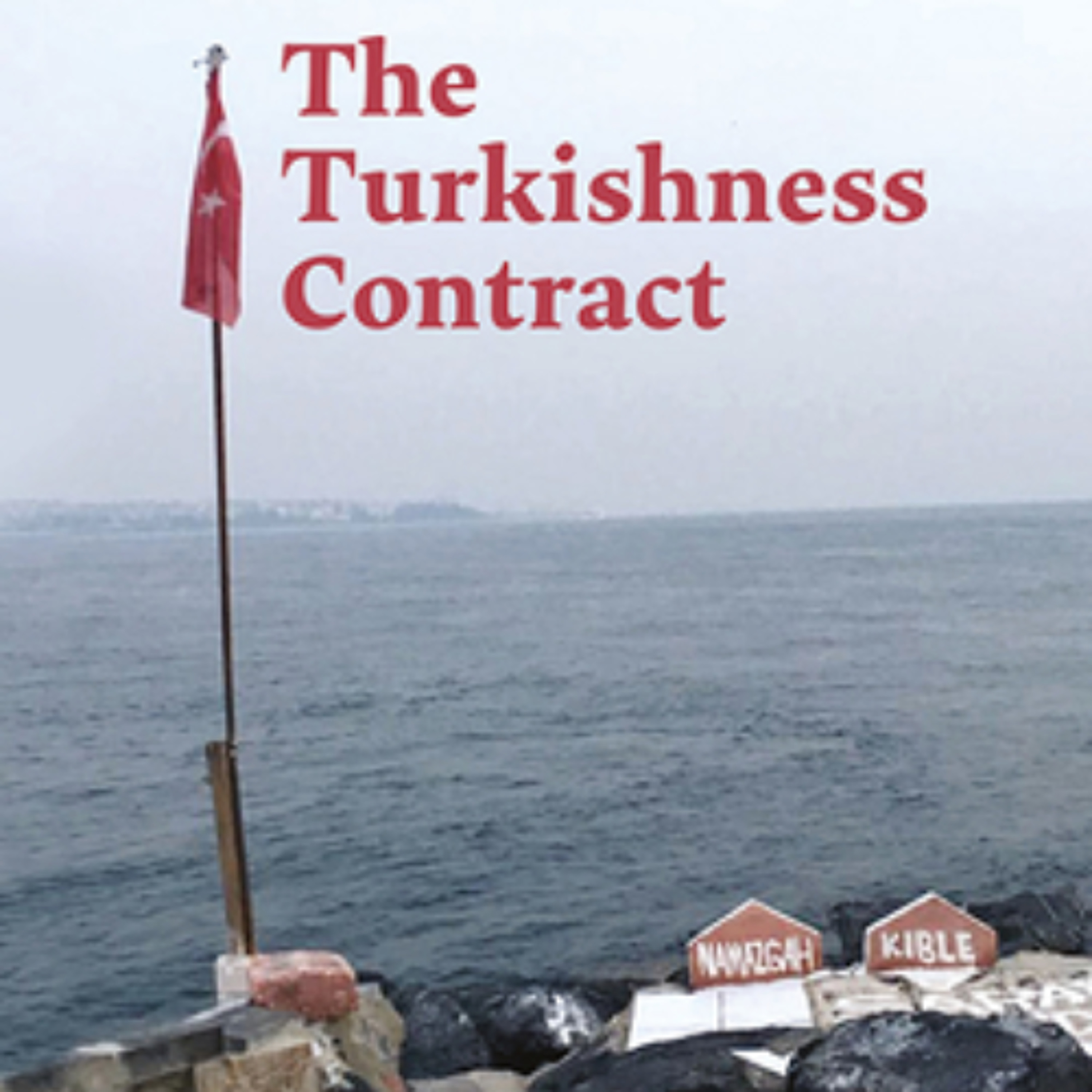
The Turkishness Contract | Barış Ünlü
E582 | What does it mean to be Turkish? In this episode, we examine that question with sociologist Barış Ünlü. In The Turkishness Contract, Ünlü studies the historical process by which Turkishness develop through a contractual relationship between the state and its citizens. In our conversation, we explore the late Ottoman roots of this process, as well as how the experiences of religious and ethnolinguistic groups shed light onto the often unspoken and unconscious behaviors, attitudes, and beliefs that govern Turkishness. We also discuss the book's wide reception in Turkish and how in its new English translation, Ünlü connects the Turkish experience to global perspectives on race and belonging in the modern world. More at https://www.ottomanhistorypodcast.com/2026/03/turkishness-contract.html Barış Ünlü is Assistant Professor, General Faculty, in the Department of Sociology at the University of Virginia. His latest book is Frantz Fanon: Sömürge Düşünürü - Sömürge Devrimcisi. İstanbul: İletişim Yayınları, 2025. CREDITS Episode No. 582 Release Date: 16 March 2026 Recording Location: University of Virginia Sound production by Chris Gratien. Intro music by Korg Entertainer Keyboard. Interlude music by A.A. Aalto and closing music by Kara Güneş. Bibliography courtesy of Barış Ünlü at https://www.ottomanhistorypodcast.com/2026/03/turkishness-contract.html
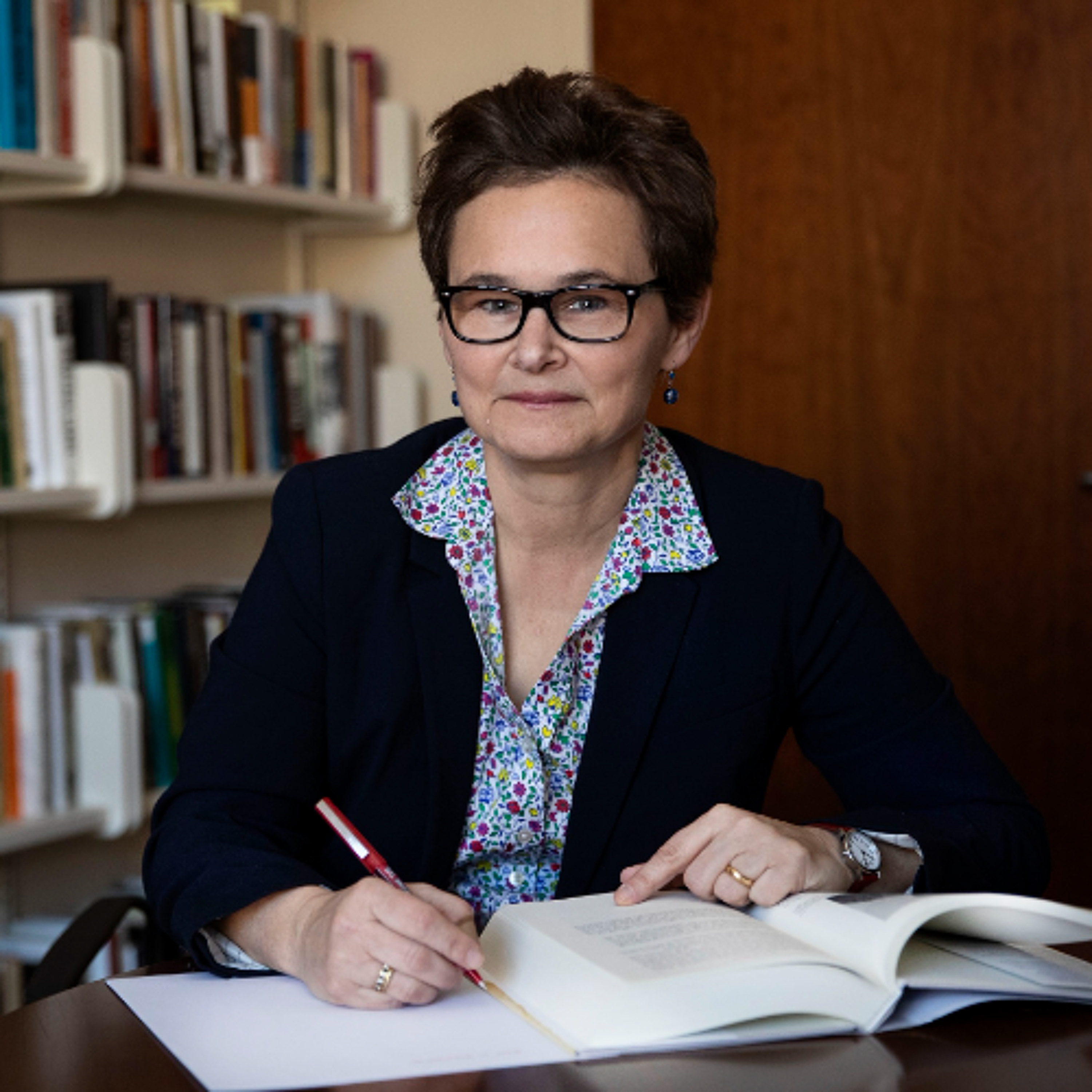
"No Prodigies in Our Field": A Conversation with Historian Elizabeth Varon
A bonus conversation with historian Elizabeth Varon, author of Longstreet: The Confederate General Who Defied the South and many other titles, hosted by Chris Gratien, Claudrena Harold, and the graduate students of HIST 7001 at University of Virginia. More at https://www.ottomanhistorypodcast.com/2026/03/longstreet.html
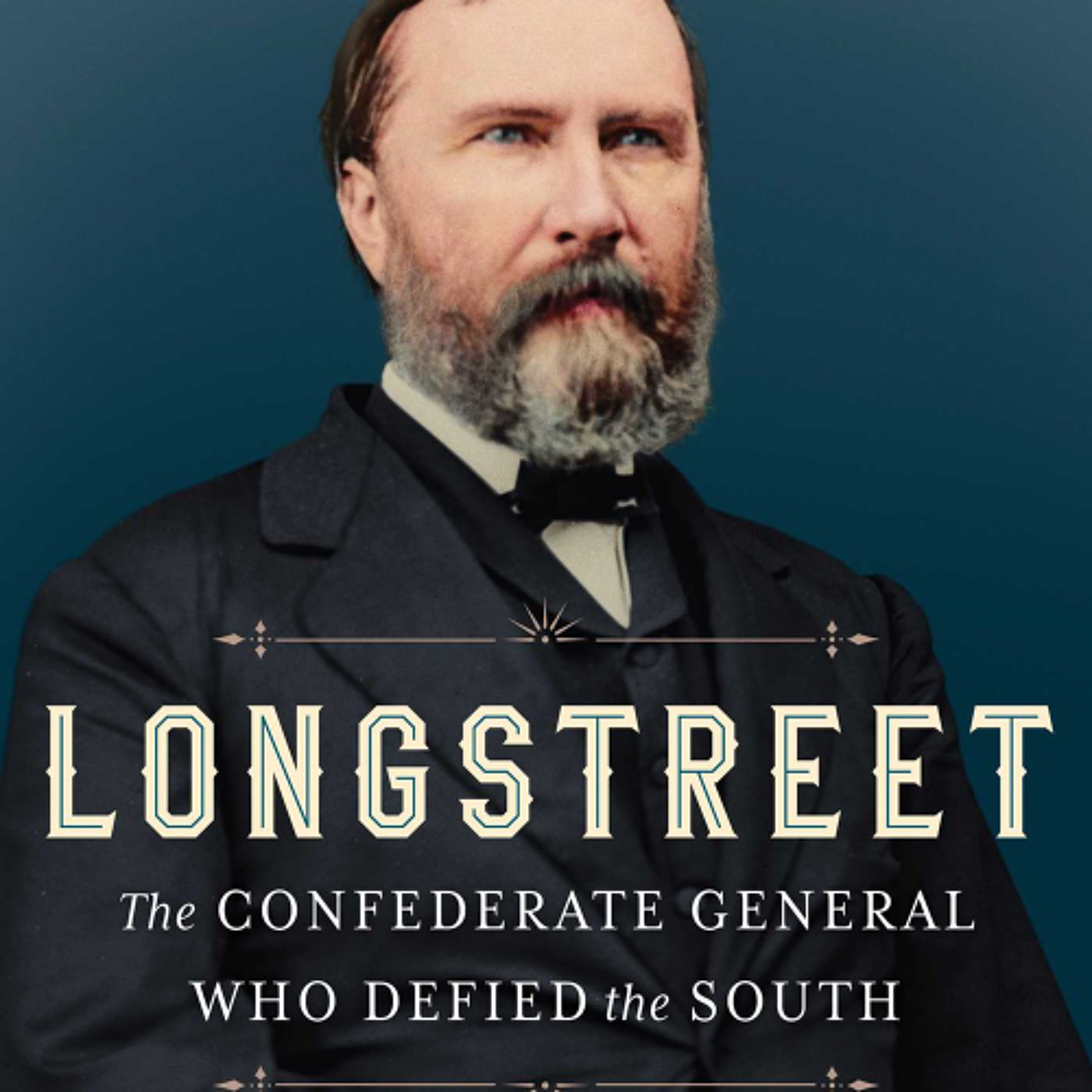
A Confederate General in the Ottoman Capital | Elizabeth Varon
E581 | After the US Civil War, many leaders of the defeated Confederacy followed unusual trajectories, perhaps none more so than James Longstreet, who joined the Republican party and became a proponent of Southern Reconstruction and for a brief period, the Minister Resident to the Ottoman Empire. In this episode, we talk to Elizabeth Varon, author of a new biography of Longstreet, about the rebel-turned-diplomat's brief tenure in the Ottoman capital during the early years of Sultan Abdul Hamid II's reign, and we discuss what Longstreet's experiences reveal about America on the world stage in the shadow of the Civil War and Reconstruction. We also discuss Prof. Varon's personal connection to post-Ottoman Istanbul, as well as her new research about Clara Barton, founder of the American Red Cross, who followed in Longstreet's footsteps some years later on a humanitarian mission to the Ottoman Armenains in Anatolia. More at https://www.ottomanhistorypodcast.com/2026/03/longstreet.html Elizabeth R. Varon is Langbourne M. Williams Professor of American History at the University of Virginia. She is the author of six books, including Longstreet: The Confederate General Who Defied the South (Simon & Schuster, 2023), which was reviewed in the New York Times, Wall Street Journal, and Atlantic. Varon's current project is a biography of humanitarian Clara Barton. Chris Gratien is Associate Professor of History at University of Virginia, where he teaches classes on global environmental history and the Middle East. His first book, The Unsettled Plain: An Environmental History of the Late Ottoman Frontier, explores the social and environmental transformation of the Adana region of Southern Turkey during the 19th and 20th century. CREDITS Episode No. 581 Release Date: 3 March 2026 Recording Location: University of Virginia Sound production by Chris Gratien Music: Safiye Ayla - Katibim; Azize Tozem and Sari Recep - İstanbul'dan Ayva Da Gelir Nar Gelir; Kara Güneş - İstanbul Bibliography courtesy of Elizabeth Varon at https://www.ottomanhistorypodcast.com/2026/03/longstreet.html
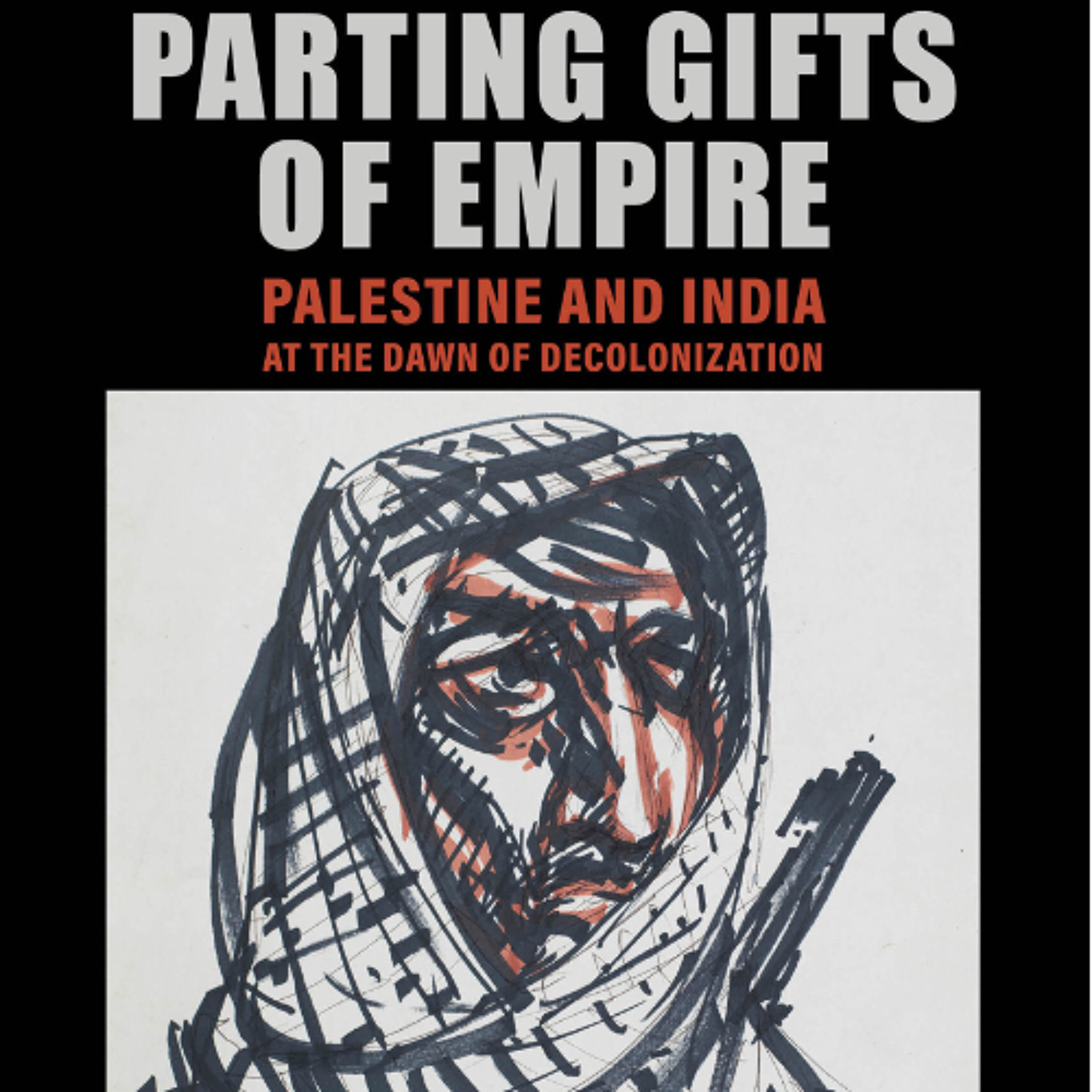
Palestine and India at the Dawn of Decolonization | Esmat Elhalaby
E580 | How did Palestine become central to anti-imperial movements and thought in the global south? In this episode, Esmat Elhalaby asks how Arabs and South Asians contended with the “parting gifts of empire” in the long twentieth century, often by turning to Palestine. He talks about how Arab writers in conversation with India reinvented Orientalism as a critique of empire and reinterpreted the political possibilities and limitations of Islam as a political force. We close with a discussion of Esmat’s new work on the intellectual history of Gaza, the importance of talking about “bad Palestinians,” and what it means to write history at a time of genocide. More at https://www.ottomanhistorypodcast.com/2026/02/elhalaby.html Esmat Elhalaby is an Assistant Professor of Transnational History at the University of Toronto. His first book, Parting Gifts of Empire: Palestine and India at the Dawn of Decolonization was published by the University of California Press in 2025. Susanna Ferguson is Assistant Professor of Middle East Studies at Smith College. She writes and teaches on the history of gender, sexuality, and political thought in the modern Arab world. CREDITS Episode No. 580 Release Date: 11 February 2026 Sound production by Susanna Ferguson and Chris Gratien Special thanks to Nada Moumtaz Music: Blue Dot Sessions Bibliography courtesy of Esmat Elhalaby at https://www.ottomanhistorypodcast.com/2026/02/elhalaby.html
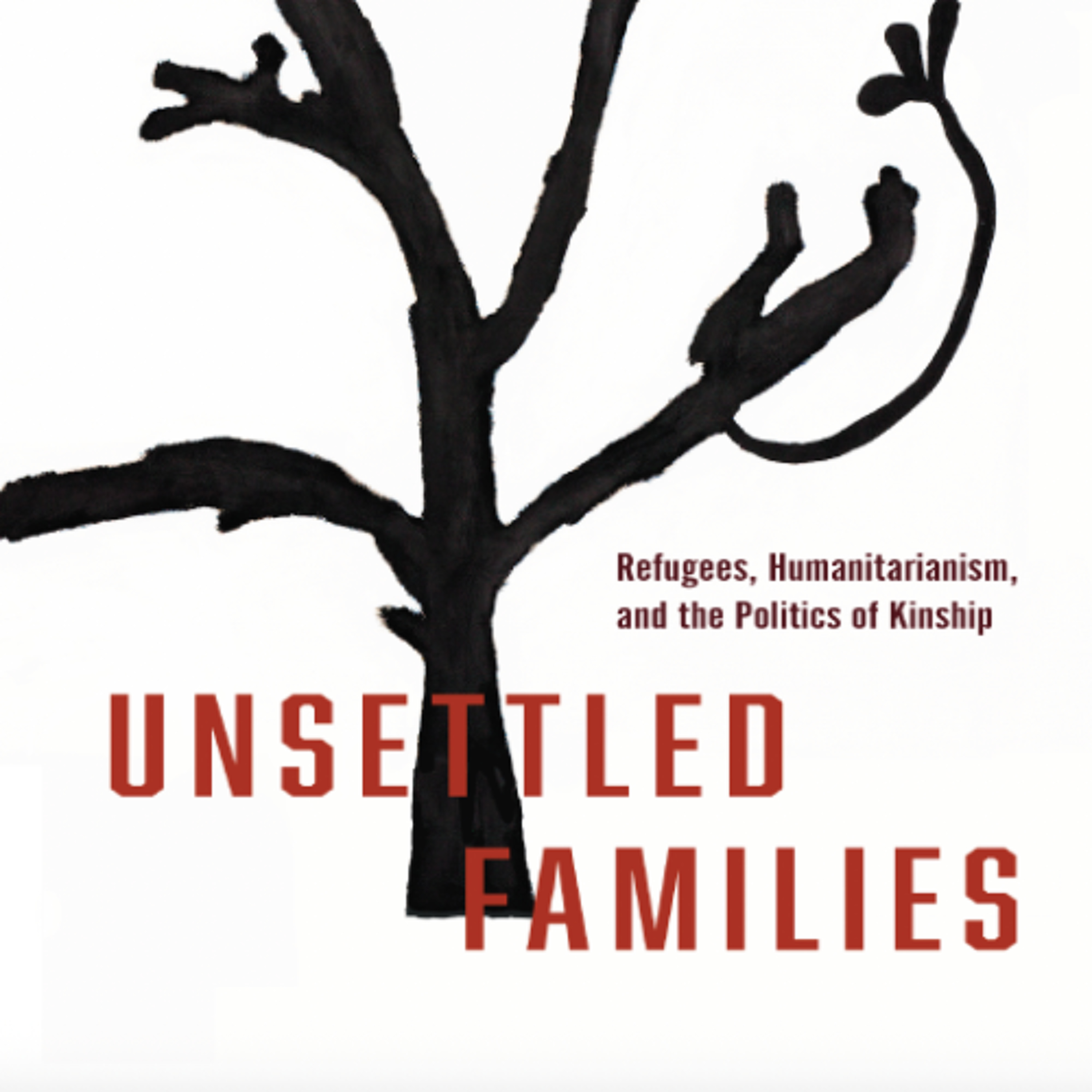
Refugees, Humanitarianism, and the Politics of Kinship | Sophia Balakian
E579 | The word "refugee" might conjure images of families devastated by war fleeing their homeland. But what happens when those who seek asylum abroad do not conform to that image? As Sophia Balakian argues in her new book Unsettled Families: Refugees, Humanitarianism, and the Politics of Kinship, the question is one that shapes the case of every refugee seeking a new home abroad in the United States. The Somali and Congolese migrants in her study face an intense vetting process that includes DNA testing to confirm that a refugee family forms a biological unit, creating numerous reasons by which people who have survived war and displacement may be judged "fraudulent" family units. In this episode, Balakian is back on the podcast to share an anthropologist's perspective on the history of migration and the politics of kinship in refugee resettlement. More at https://www.ottomanhistorypodcast.com/2026/01/balakian.html Sophia Balakian is a scholar of migration and an assistant professor at George Mason University. Her book, Unsettled Families, was recognized as a 2025 Choice Outstanding Academic Title. Chris Gratien is Associate Professor of History at University of Virginia, where he teaches classes on global environmental history and the Middle East. His first book, The Unsettled Plain: An Environmental History of the Late Ottoman Frontier, explores the social and environmental transformation of the Adana region of Southern Turkey during the 19th and 20th century. Brittany White is a doctoral candidate in the Department of History at the University of Virginia. Broadly, she is interested in the African Diaspora in former Ottoman territories. CREDITS Episode No. 579 Release Date: 22 January 2025 Recording Location: University of Virginia Sound production and music by Chris Gratien. Closing music by A.A. Aalto Bibliography courtesy of Sophia Balakian at https://www.ottomanhistorypodcast.com/2026/01/balakian.html





Get this podcast on your phone, Free


Create Your Podcast In Minutes
- Full-featured podcast site
- Unlimited storage and bandwidth
- Comprehensive podcast stats
- Distribute to Apple Podcasts, Spotify, and more
- Make money with your podcast