The Eurasian Knot
https://feeds.acast.com/public/shows/6744b7b7507c8fc412f628e8Episode List
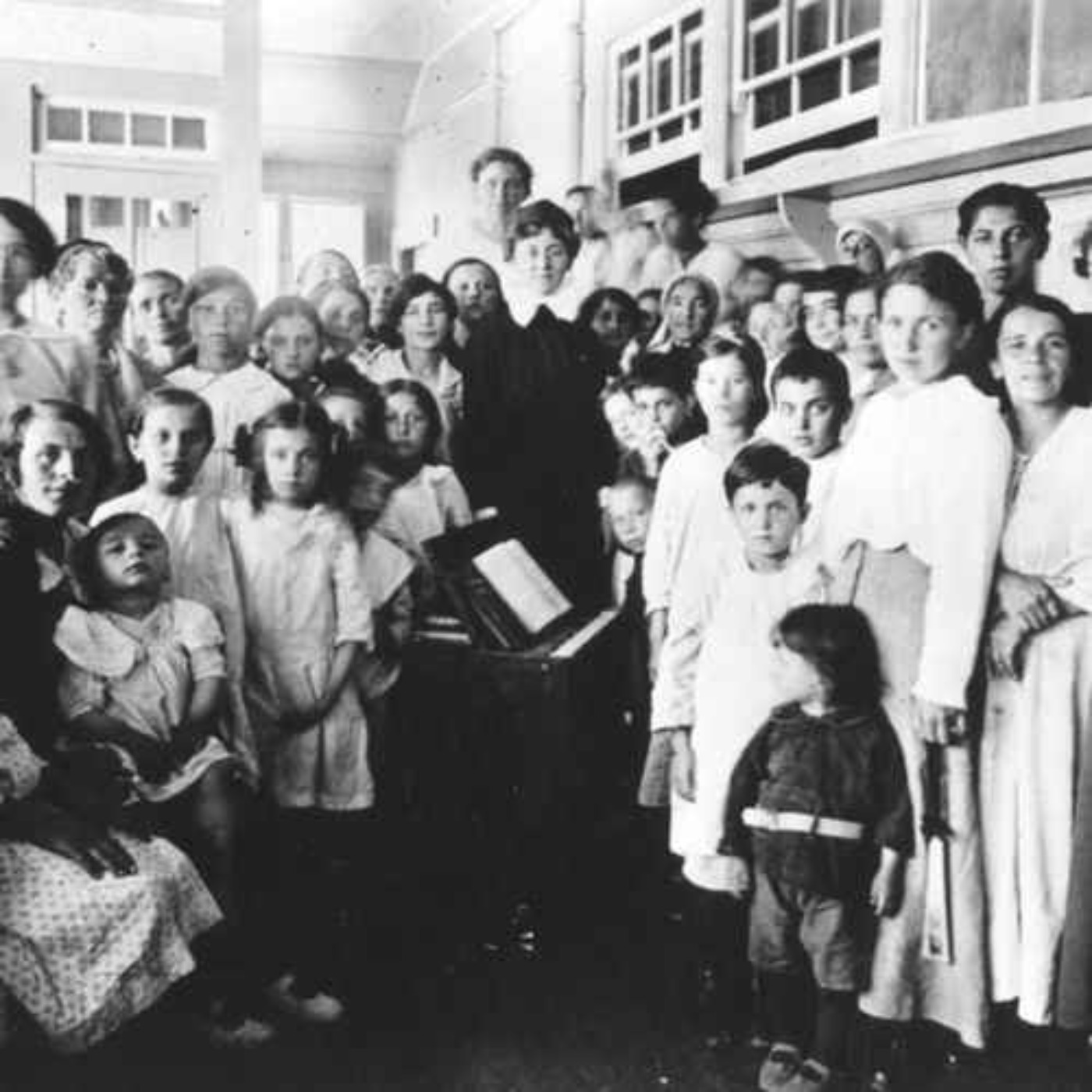
Thresholds Part 3: Russians in San Francisco
Over the last century, tens of millions of people quit Eastern Europe for the United States. The push-pull factors were many—war, poverty, instability, persecution at home and opportunity, refuge, and liberty abroad. But manna didn’t simply fall from the sky in America. Immigrants from Eastern Europe confronted many of the same challenges migrants do everywhere—exploitation, hardship, and discrimination.Thresholds is a REEES podcast series that will grapple with these histories through interviews with scholars and immigrants’ personal profiles. What pushed them to leave? What did they discover when they arrived? How did they change and be changed by American society? What opportunities and challenges did they face to become “American”? And what can we learn about immigration today?Guest:Nina Bogdan is a historian and cultural preservationist. She recently authored the “Russian American Historic Context Statement” for the San Francisco City Planning Department as part of the Citywide Cultural Resources Survey. She’s the author of Before We Disappear into Oblivion: San Francisco’s Russian Diaspora from Revolution to Cold War published by McGill-Queen’s University Press. Hosted on Acast. See acast.com/privacy for more information.
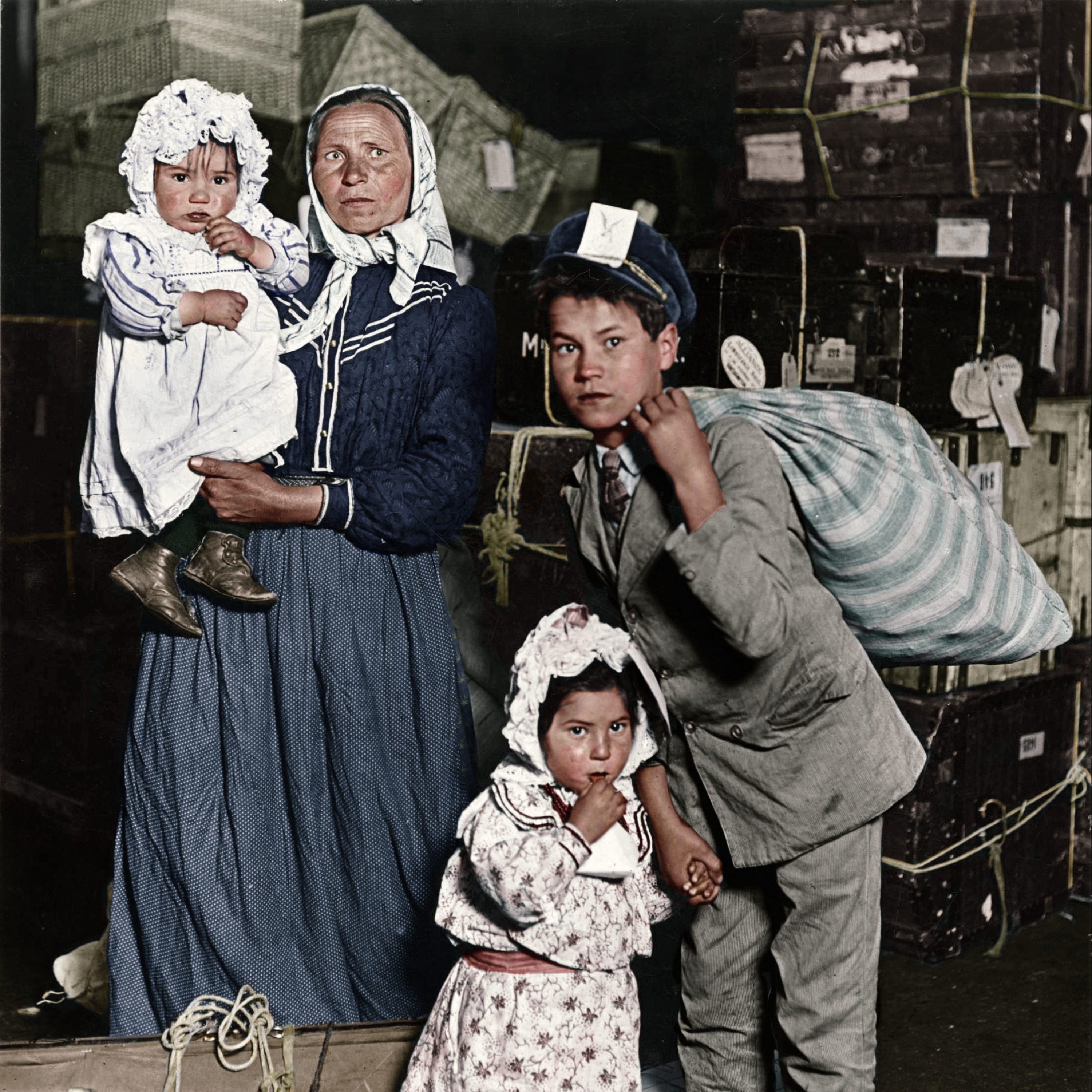
Thresholds Part 2: Becoming White
Over the last century, tens of millions of people quit Eastern Europe for the United States. The push-pull factors were many—war, poverty, instability, persecution at home and opportunity, refuge, and liberty abroad. But manna didn’t simply fall from the sky in America. Immigrants from Eastern Europe confronted many of the same challenges migrants do everywhere—exploitation, hardship, and discrimination.Thresholds is a REEES podcast series that will grapple with these histories through interviews with scholars and immigrants’ personal profiles. What pushed them to leave? What did they discover when they arrived? How did they change and be changed by American society? What opportunities and challenges did they face to become “American”? And what can we learn about immigration today?Guest:David Roediger is the Foundation Distinguished Professor of American Studies and History at the University of Kansas. He is the author of Working Toward Whiteness: How America's Immigrants Became White: The Strange Journey from Ellis Island to the Suburbs published by Basic Books. Hosted on Acast. See acast.com/privacy for more information.
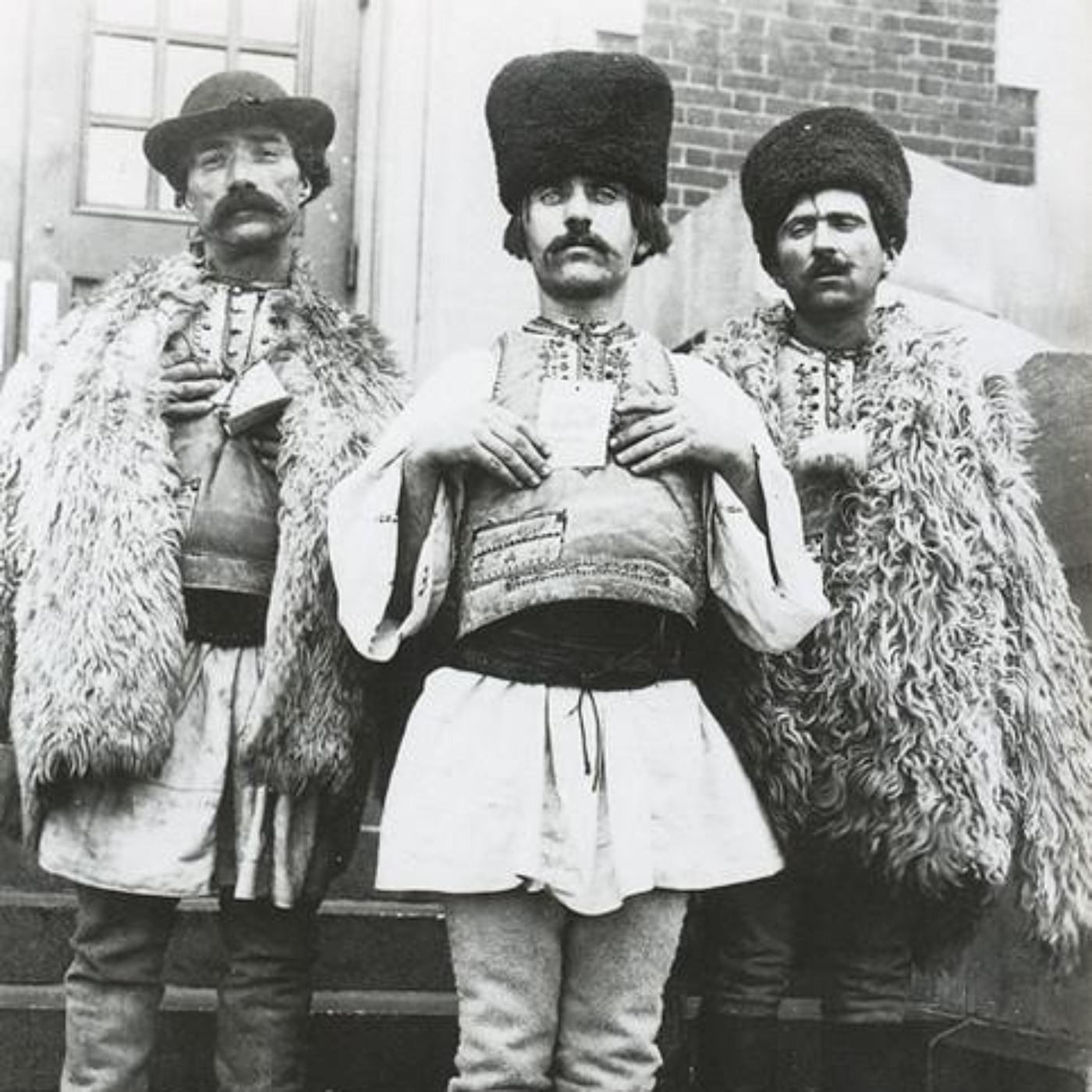
Thresholds Part 1: Leaving the Old Country
Over the last century, tens of millions of people quit Eastern Europe for the United States. The push-pull factors were many—war, poverty, instability, persecution at home and opportunity, refuge, and liberty abroad. But manna didn’t simply fall from the sky in America. Immigrants from Eastern Europe confronted many of the same challenges migrants do everywhere—exploitation, hardship, and discrimination.Thresholds is a REEES podcast series that will grapple with these histories through interviews with scholars and immigrants’ personal profiles. What pushed them to leave? What did they discover when they arrived? How did they change and be changed by American society? What opportunities and challenges did they face to become “American”? And what can we learn about immigration today?Guest:Tara Zahra is the Hanna Holborn Gray Professor of East European History at the University of Chicago. She’s the author of The Great Departure: Mass Migration and the Making of the Free World published by W. W. Norton & Company.Thresholds was edited and produced by Jojo Ellis and Sean Guillory.Music by Blue Dot Sessions.Theme song: "Immigration Rose" by James Doherty, 1924. Hosted on Acast. See acast.com/privacy for more information.
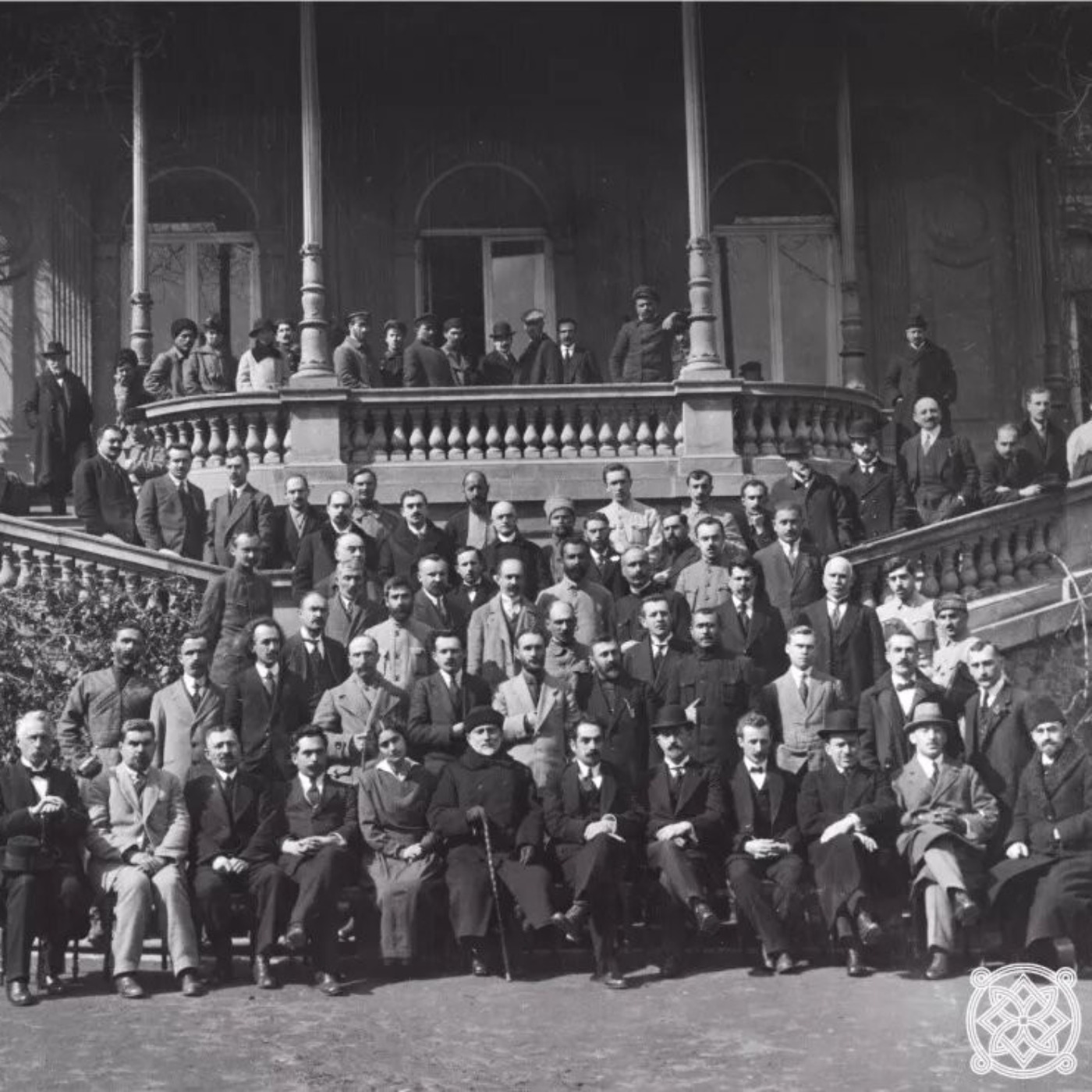
The Rise and Fall of the Georgian Democratic Republic
The Georgian Democratic Republic lasted a mere three years, from 1918-1921. And though it was viewed as an oddity at the time, many European social democrats marveled at its possibilities. Here was a state committed to social democracy in a mostly backward peasant and multiethnic country. What promises did it hold for the future? Unfortunately, the world never learned because the Bolsheviks crushed it in 1921 and proceeded to sovietize Georgia. The republic was denounced as counter revolutionary and its memory faded as its founders died in exile. So what was this brief experiment in social democracy in the south Caucasus? What were its political positions and aspirations? What does it say about the history of the Russian Revolution? How and why did it fall after only three years? Stephen Jones has been researching these questions for over 40 years, and that has culminated in his opus The First Social Democracy: The Democratic Republic of Georgia, 1918-1921. The Eurasian Knot spoke to Jones about his highly anticipated book to learn more about this historical “oddity” and how it might speak to us today.Guest:Stephen Jones is Professor of Georgian Modern History at Ilia State University in Georgia. His books include Socialism in Georgian Colors: The European Road to Social Democracy, 1883-1917 and Georgia: A Political History Since Independence. His latest book is The First Social Democracy: The Democratic Republic of Georgia, 1918-1921 published by Harvard University Press. Hosted on Acast. See acast.com/privacy for more information.
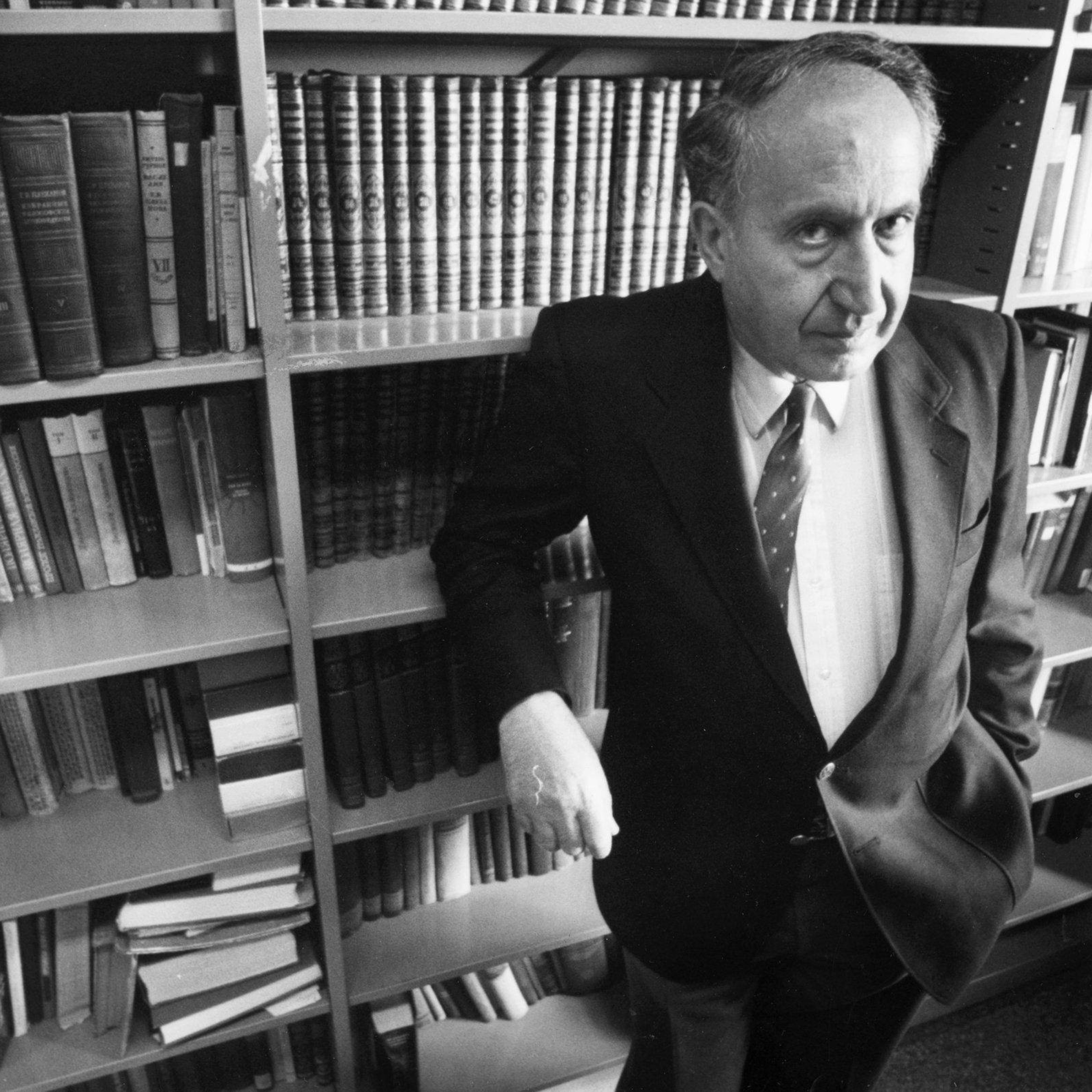
The Man Who Knew Russia
Everyone has an opinion about the late Russian historian Richard Pipes. Some loved him. Many hated him. He was a conservative and anti-communist. A hardliner on American policy toward the Soviet Union. Some would even say he was a Russophobe and cultural essentialist. But Pipes was a far more complicated figure. A Polish Jew whose family fled before the Nazis arrived, Pipes possessed a strong moral center that stood at the heart of his rejection of the USSR. He eventually applied his vision to his work as a Russian historian at Harvard. Pipes was also at the ground floor of a new academic discipline. He studied under Michael Karpovich, the founder of Russian studies in the US, and was part of a grad cohort that included Russian history Brahmins Leopold Haimson, Marc Raeff, Martian Malia, and Nicholas Raisonovsky. All these men would staff history departments at Berkeley, Harvard, and Columbia, and train a generation of scholars. Pipes knew his stuff, and eventually applied his knowledge in public debate and advice to the Reagan Administration. Pipes was a man of the 20th century, and in my opinion, one of the last serious intellectual conservatives. So who was he? How did he “know” Russia? And in what ways does his historical analysis of Russia, which spanned centuries, echo today? The Eurasian Knot spoke to Jonathan Daly, a former Pipes student, about his new biography of Pipes, The Man Who Knew Russia, and what drove this self-identified perennial outsider. Also, check out my article “Richard Pipes, the Historian as Essentialist” published in Jacobin in 2018.Guest:Jonathan Daly teaches Russian, European, and world history at the University of Illinois Chicago. He’s the author of several books, most recently he edited Pillars of the Profession: The Correspondence of Richard Pipes and Marc Raeff and wrote The Man Who Knew Russia: Richard Pipes, Humanist and Cold Warrior published by Stanford University Press. Hosted on Acast. See acast.com/privacy for more information.
You may also like






Get this podcast on your phone, Free


Create Your Podcast In Minutes
- Full-featured podcast site
- Unlimited storage and bandwidth
- Comprehensive podcast stats
- Distribute to Apple Podcasts, Spotify, and more
- Make money with your podcast
