The eLife Podcast
https://www.thenakedscientists.com/rss/eLife_podcast.xmlEpisode List

Moths hear plants, and what fingerprints do for touch
In this episode, how kangaroos alter their postures to store more energy in their Achilles tendons and boost movement efficiency, the moths that make a beeline when they hear plants "talking" to them, tracking how people pick up diseases from their surroundings, the contribution fingerprints make to touch sensation, and some forgotten female scientists are recognised at the Eiffel Tower, in France. Get the references and the transcripts for this programme from the Naked Scientists website

Nocebos, and why the eyes of some species stay shut at birth
This month, compelling evidence for why some species keep their eyes closed for sometimes several weeks after birth, scientists prove that the "nocebo" effect is more potent than a placebo, researchers report what happens when fish eggs and mouse sperm mix, the signals that cells use to measure the lengths of their telomeres, and some clever physics reveals the workings of Darwin's "warm little pond"... Get the references and the transcripts for this programme from the Naked Scientists website
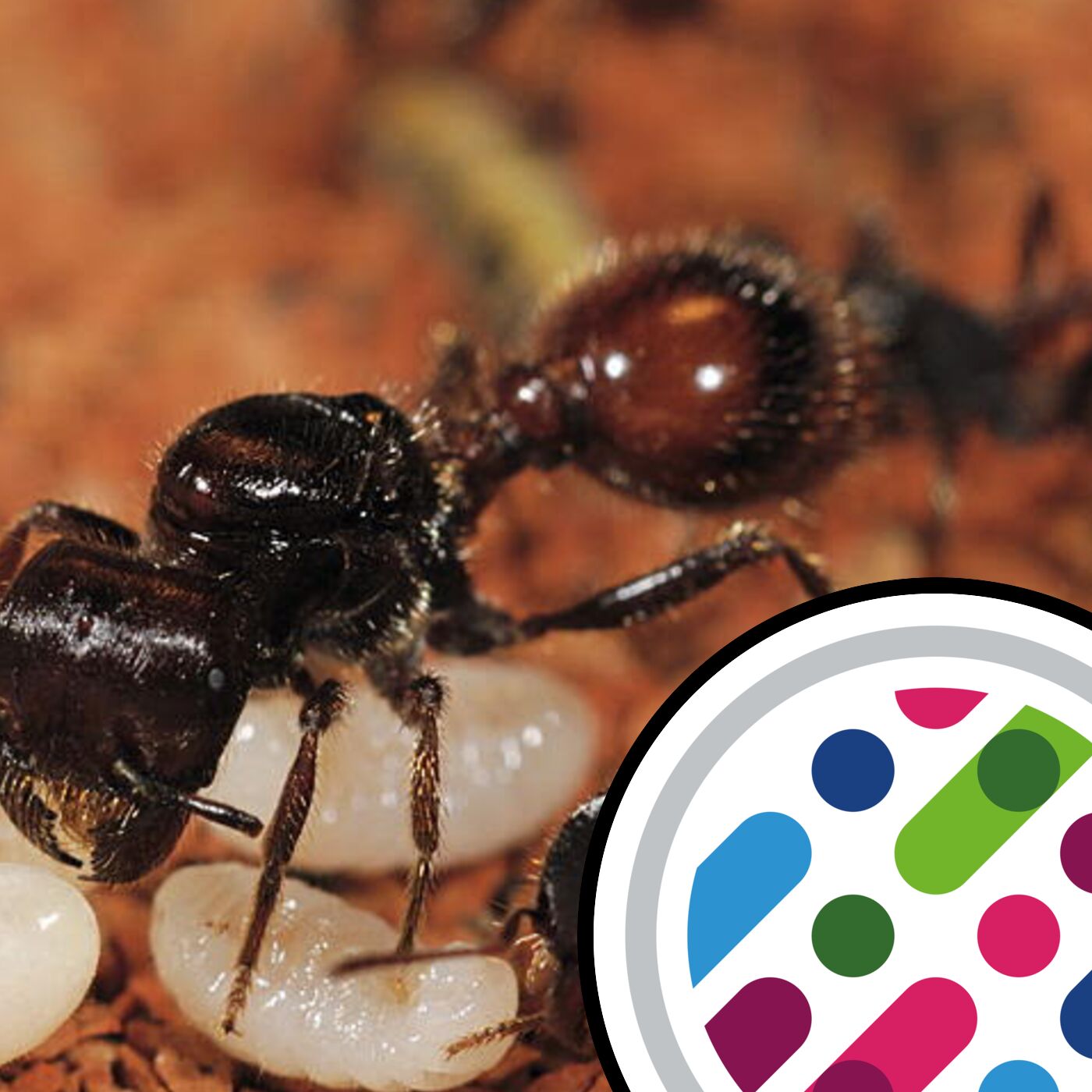
Ants doing gene therapy, and tadpole microbiomes
This month, as the eLife Podcast hits its century, we hear how getting frog dads to cross-foster tadpoles has revealed the way in which some frogs come by their microbiomes, the ants that do gene therapy, signs that disease causes a breakdown in nutrient exchange between the elements of the microbiome, how fungi reprogram immune cells to cause over-reactions in sepsis, and new insights into how tapeworm larvae in the brain cause seizures... Get the references and the transcripts for this programme from the Naked Scientists website

Finland's giant virus, and monkeys take care of their teeth
In the eLife podcast, a university compost heap has turned up Finland's first documented "giant virus". Also, why monkeys de-sand their supper, and how learning more languages actually makes brain tissue thinner. Then, the link between sugar and neonatal sepsis, and how a cancer controls its hydra host by bestowing it with extra tentacles... Get the references and the transcripts for this programme from the Naked Scientists website

Frog toxicity, and what a year's schooling does to the brain
What is the impact of an extra year at school on the brain? Also, how poison dart frogs come by their toxins, using movies to track the developing infant nervous system, the insect-spread bacterial plant parasite that is a mastermind of matchmaking, and a new cancer tool to link disease with the best drugs. Chris Smith takes a look at some of the most powerful papers out this month in eLife... Get the references and the transcripts for this programme from the Naked Scientists website
You may also like


Get this podcast on your phone, Free


Create Your Podcast In Minutes
- Full-featured podcast site
- Unlimited storage and bandwidth
- Comprehensive podcast stats
- Distribute to Apple Podcasts, Spotify, and more
- Make money with your podcast
