Episode List
Making a case for physicists to join climate research
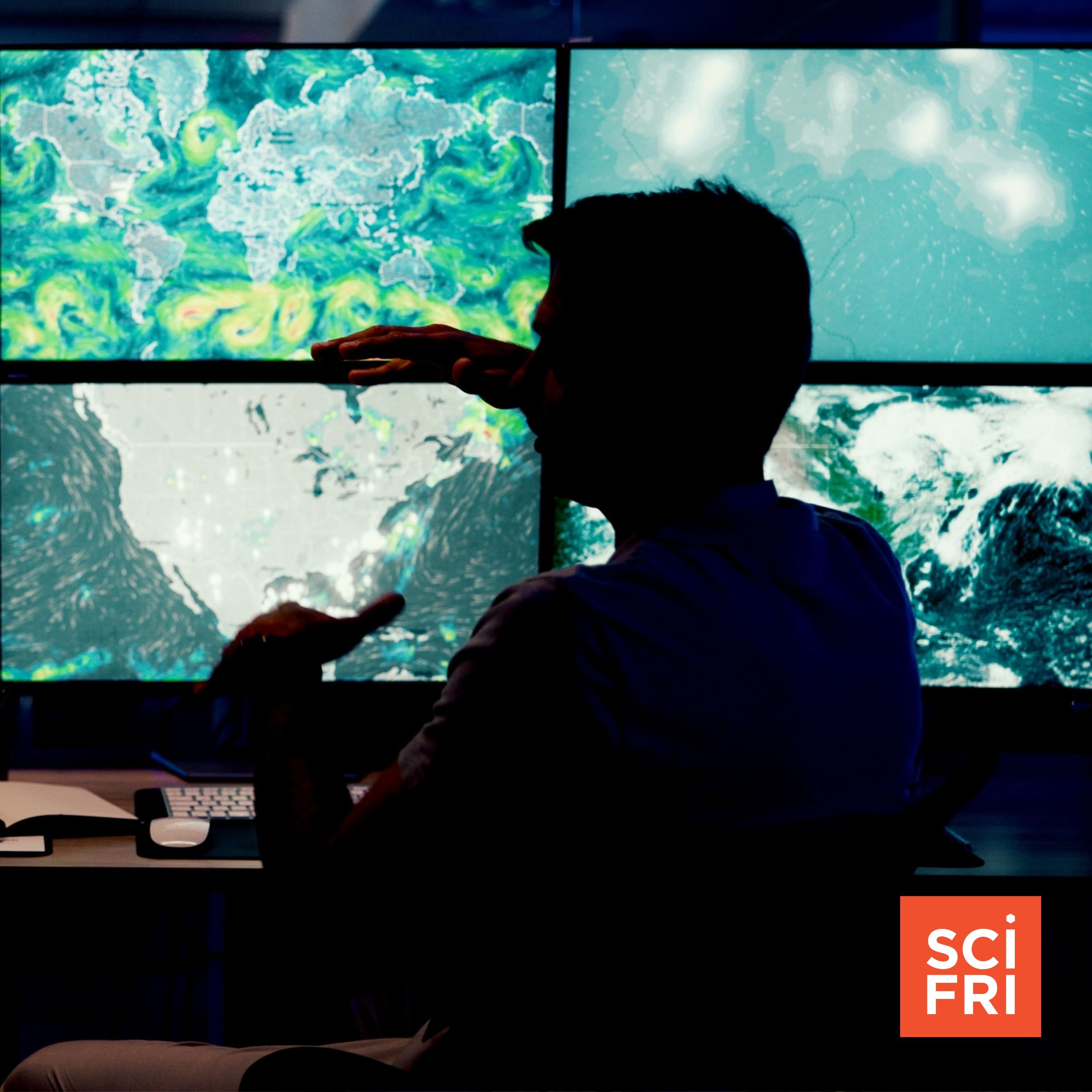
When you think of physics, your mind might go to forces—like gravity, friction, and magnetism—or to astrophysics, like galaxies and exoplanets. But many of the same principles used to understand how the universe works can also be used to study Earth’s climate systems. At its core, climate change is a physics problem. But traditionally, research institutions have kept climate science and physics separate. Morgan O’Neill has spent her career with one foot in the classical physics world and the other in climate change research. Now she’s on a mission to invite more traditional physicists into the field of climate science. She speaks with Ira about the overlaps between the two fields and why more physicists should join in on climate research. Guest: Dr. Morgan O’Neill is an assistant professor at the University of Toronto and chair of the American Physical Society’s group on the physics of climate. Transcript will be available after the show airs on sciencefriday.com. Subscribe to this podcast. Follow our show on Instagram, TikTok, Facebook, and Bluesky @scifri and sign up for our newsletters. Got a science question that’s keeping you up at night? Call us: 877-472-4374 Hosted by Simplecast, an AdsWizz company. See pcm.adswizz.com for information about our collection and use of personal data for advertising.

Creating 'world models' for robots + An AI math shakeup
When you ask an LLM like ChatGPT or Claude a question, the model goes through its massive amount of training data and guesses the answer by mathematically predicting the word most likely to appear next in a sentence. This model, experts say, will not work well for technology designed to navigate the physical world. Something like a robot that works in a warehouse will instead require a “world model” that can understand spatial surroundings, like the stuff we walk by or bang into. But what is a world model, exactly? And how do you train AI to recognize what the real world looks like? Host Ira Flatow checks in with tech journalist Joanna Stern, who’s seen the early days of these models up close, even in her own home. Then, we check in on the math world, where frontier AI models have made meaningful progress on decades-old problems. Mathematician Emily Riehl gives us the big picture on how significant these results actually are. Guests: Joanna Stern is a tech journalist who writes newsletters and creates videos for New Things Media. Dr. Emily Riehl is a professor of mathematics at Johns Hopkins University. Transcript will be available after the show airs on sciencefriday.com. Subscribe to this podcast. Follow our show on Instagram, TikTok, Facebook, and Bluesky @scifri and sign up for our newsletters. Got a science question that’s keeping you up at night? Call us: 877-472-4374 Hosted by Simplecast, an AdsWizz company. See pcm.adswizz.com for information about our collection and use of personal data for advertising.

What can moments of lucidity teach us about Alzheimer’s?
Watching a loved one with Alzheimer's or dementia slowly lose their cognitive abilities can be heartbreaking. While the person you once knew seems to be slipping away, sometimes people with Alzheimer's briefly seem like their old selves again. They may remember a long-forgotten name or suddenly regain the ability to have a fluid conversation. What do these moments of lucidity really mean for the progression of the disease? And what implications do they have for those living with the disease, and their caretakers? Alzheimer’s researcher Andrea Gilmore-Bykovskyi talks to Ira about these questions and more. Guest: Dr. Andrea Gilmore-Bykovskyi is an associate professor of emergency medicine, and co-director of the Lucidity in Alzheimer’s and Dementia (LEAD) Network at the University of Wisconsin-Madison. Transcripts for each episode are available within 1-3 days at sciencefriday.com. Subscribe to this podcast. Follow our show on Instagram, TikTok, Facebook, and Bluesky @scifri and sign up for our newsletters. Got a science question that’s keeping you up at night? Call us: 877-472-4374 Hosted by Simplecast, an AdsWizz company. See pcm.adswizz.com for information about our collection and use of personal data for advertising.
Colorado’s snow drought deals a major blow to recreation
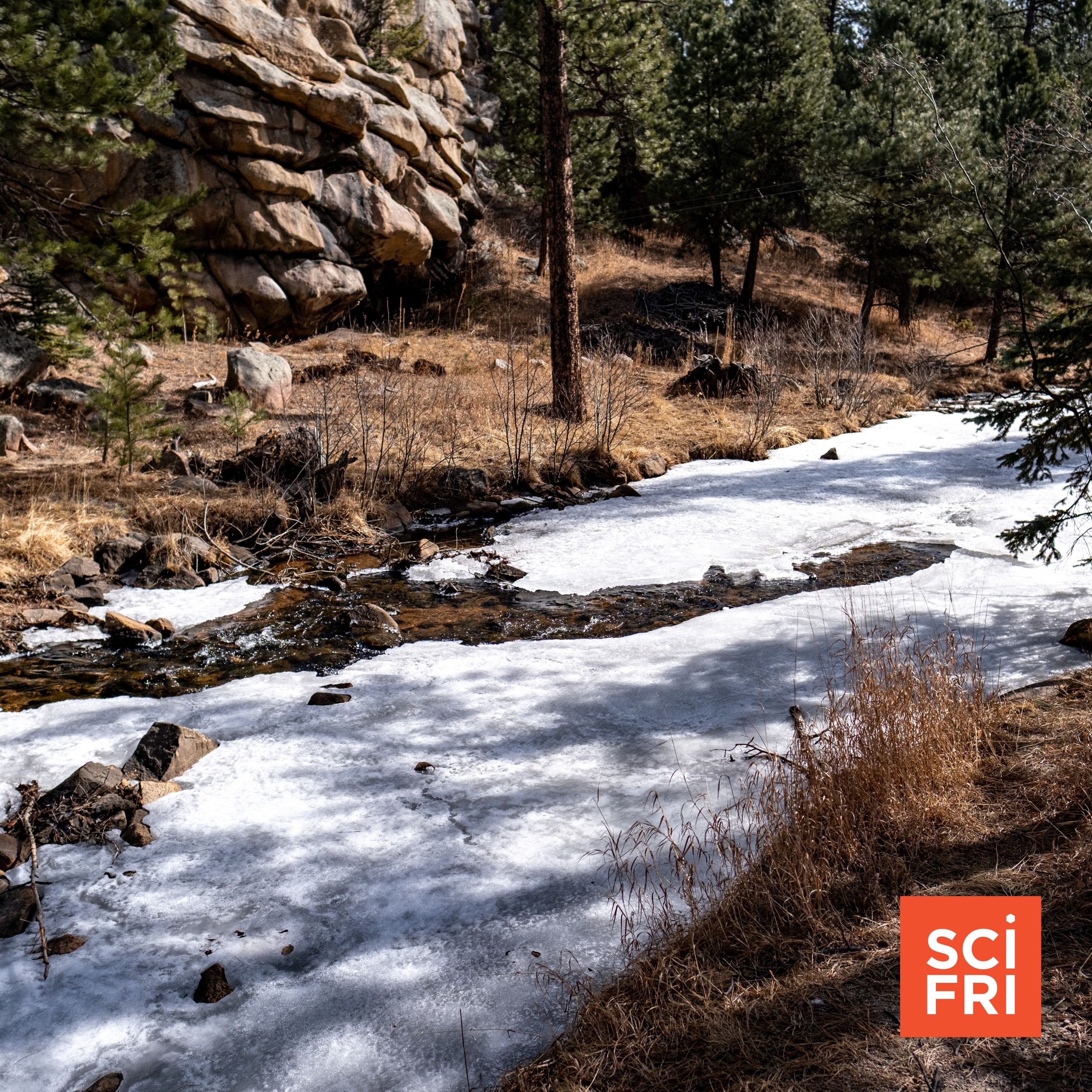
Winter in Colorado looked very different this year. Many parts of the state experienced record-high temperatures and record-low snowpack, which had downstream effects on farming, sports, tourism, and more. For those economies and livelihoods that rely on snow, what happens when snow becomes unreliable? And can we prepare for it? Producer Kathleen Davis speaks with Halle Zander, news director at Aspen Public Radio, about how this is playing out in Aspen. Then, environmental historian Mike Childers talks us through how Colorado’s economies may need to adjust. Guests: Halle Zander is the news director at Aspen Public Radio. Dr. Mike Childers is an associate professor of environmental history at Colorado State University in Fort Collins. Transcript will be available after the show airs on sciencefriday.com. Subscribe to this podcast. Follow our show on Instagram, TikTok, Facebook, and Bluesky @scifri and sign up for our newsletters. Got a science question that’s keeping you up at night? Call us: 877-472-4374 Hosted by Simplecast, an AdsWizz company. See pcm.adswizz.com for information about our collection and use of personal data for advertising.
How do you find a ‘lost’ species?
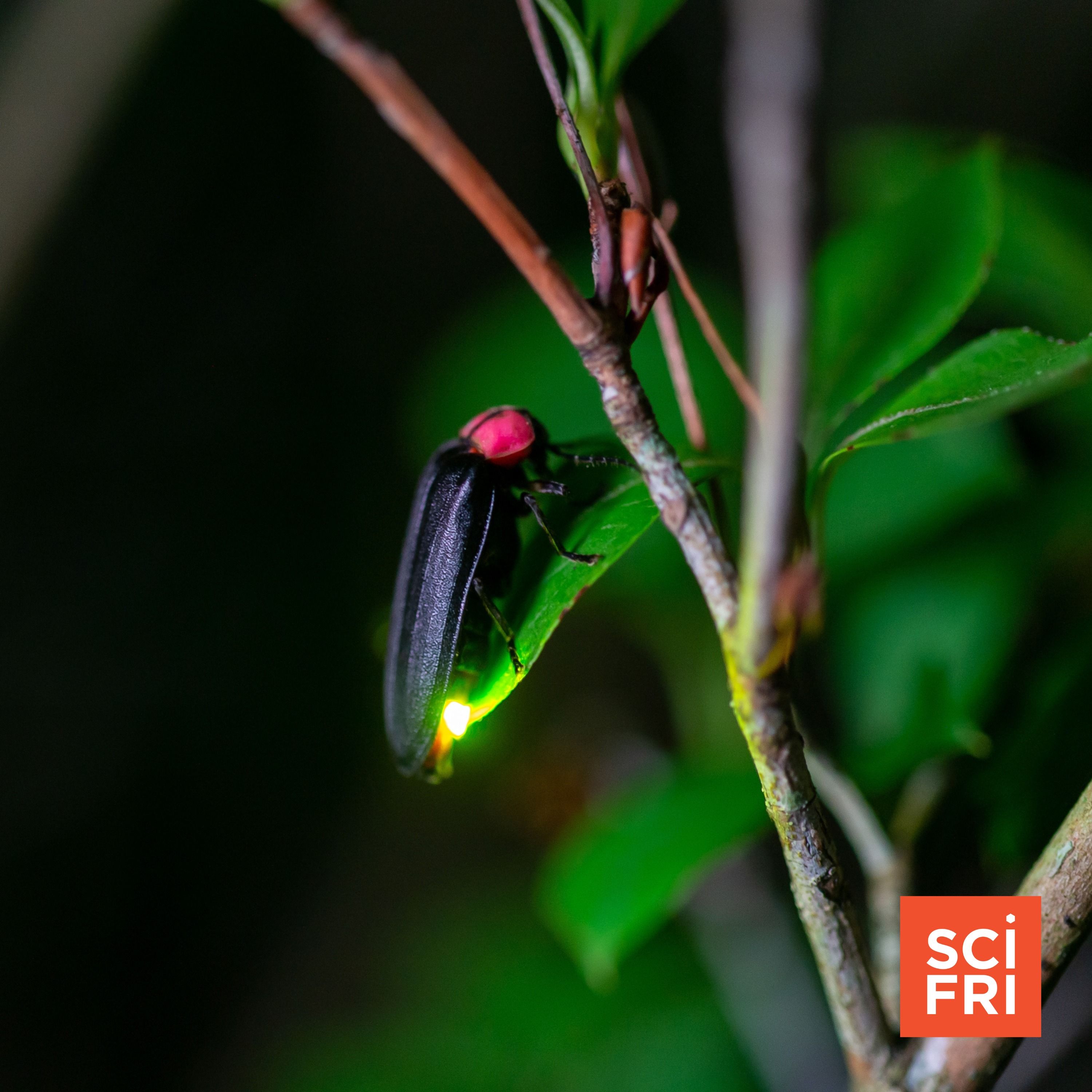
The earth is facing a biodiversity crisis, and there’s a lot of attention on species that are threatened, or at risk of dying out completely. But, there’s another critter category that’s a little more mysterious: species that are “lost to science.” This means scientists aren’t quite sure how many of them there are out there—or if there are any left at all. Producer Kathleen Davis talks to biologist Matt Forister, who is so dedicated to finding more information about these lost species that he created a whole scientific journal about them. Plus, 28 of the 178 firefly species in the United States and Canada are currently lost to science, according to the community science project Firefly Atlas. We’re joined by firefly researcher Candace Fallon, who is working to confirm which firefly butts are still blinking and which have burnt out. Want to help find fireflies near you? Find out how to participate in the Firefly Atlas. Guests: Dr. Matt Foristor is a professor of biology at the University of Nevada-Reno and editor-in-chief of the Journal of Lost Species. Candace Fallon is a senior endangered species conservation biologist at the Xerces Society for Invertebrate Conservation. Transcripts for each segment will be available the week after the show airs on sciencefriday.com. Subscribe to this podcast. Follow our show on Instagram, TikTok, Facebook, and Bluesky @scifri and sign up for our newsletters. Got a science question that’s keeping you up at night? Call us: 877-472-4374 Hosted by Simplecast, an AdsWizz company. See pcm.adswizz.com for information about our collection and use of personal data for advertising.








Get this podcast on your phone, Free


Create Your Podcast In Minutes
- Full-featured podcast site
- Unlimited storage and bandwidth
- Comprehensive podcast stats
- Distribute to Apple Podcasts, Spotify, and more
- Make money with your podcast
