
Best of the Spectator
https://feeds.acast.com/public/shows/68358fb5e1abc4be6b0308ebEpisode List

Reality check: the truth about Britain’s water crisis – and what it means for net zero
Britain is in the grip of another hot, dry summer, with hosepipe bans in force and fears growing about the country’s water supply. But are we really running out of water?Michael Simmons is joined by Reality Check reporter John Power to explain what is actually behind the shortages, whether Britain needs more reservoirs and why nationalising the water companies may not be the answer. They also ask what the drought tells us about the future of net zero – and how Britain should adapt to a changing climate.This episode is brought to you by Artemis Fund Managers, for more information on our fund range please click here https://www.artemisfunds.com Hosted on Acast. See acast.com/privacy for more information.
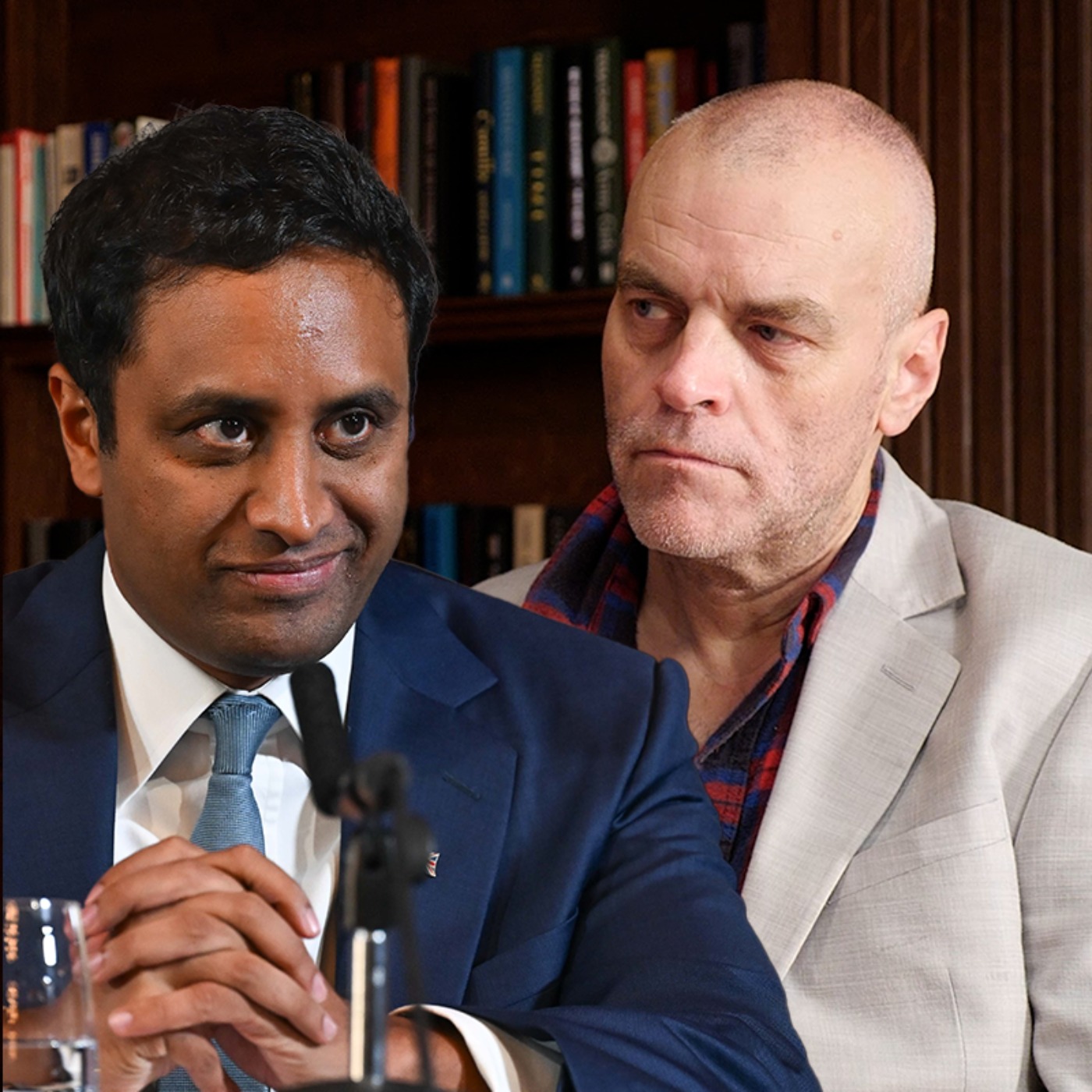
Coffee House Shots: Reform suspends Tim Montgomerie after Spectator interview
After saying that Zia Yusuf needed to 'become a team player' in an interview on Coffee House yesterday, Reform UK responded, and decided that they would rather Tim Montgomerie were not in their squad at all. After the story broke this morning that Montgomerie had his membership of the party suspended, Noa Hoffman is joined by Tim Shipman and James Heale to react to the latest developments on the right of British politics.Produced by Henry Lloyd Hosted on Acast. See acast.com/privacy for more information.

Holy Smoke: Wandering bishops, rival popes & schismatic churches
What happens when a bishop breaks with Rome but still claims apostolic succession? Damian Thompson is joined by historian Magnus Lundberg, Professor of Church and Mission History at Uppsala University in Sweden, to explore the strange world of ‘wandering bishops’, rival popes and tiny schismatic churches. They trace the tangled web of consecrations that have produced thousands of bishops outside the authority of Rome, and explore the grandiose titles and ceremonies of these independent bishops. They also examine the roots of sedevacantism, the legacy of Archbishop Lefebvre and the Society of St Pius X, and ask whether the latest breakaway bishops could create yet another schism. Plus, where exactly does the Catholic Church draw a line between a bishop whose orders are illicit and one whose orders are invalid? Produced by Patrick Gibbons. Hosted on Acast. See acast.com/privacy for more information.

Reality Check: Britain's AI problem isn't data centres – it's electricity
Britain wants to become an AI superpower – but does it have the electricity to power one? Data centres underpin everything from online banking and streaming to artificial intelligence, and demand for them is exploding. The government has designated them as critical national infrastructure and is promising billions of pounds of investment, but Britain’s ageing grid is already struggling to keep up.Michael Simmons asks whether the UK can build enough power stations, transmission lines and substations to support the AI revolution – and what the consequences could be for electricity bills, water supplies and local communities. He is joined by entrepreneur Michael Tobin and American energy journalist Robert Bryce to discuss why Britain needs data centres, the growing backlash against them and whether the country risks being left behind in the global AI race.This episode is brought to you by Alliance Witan investment trust. To learn more about the trust and how we’re helping investors find their comfort zone, please visit Alliance Witan (ALW) | Investment Trust. Hosted on Acast. See acast.com/privacy for more information.
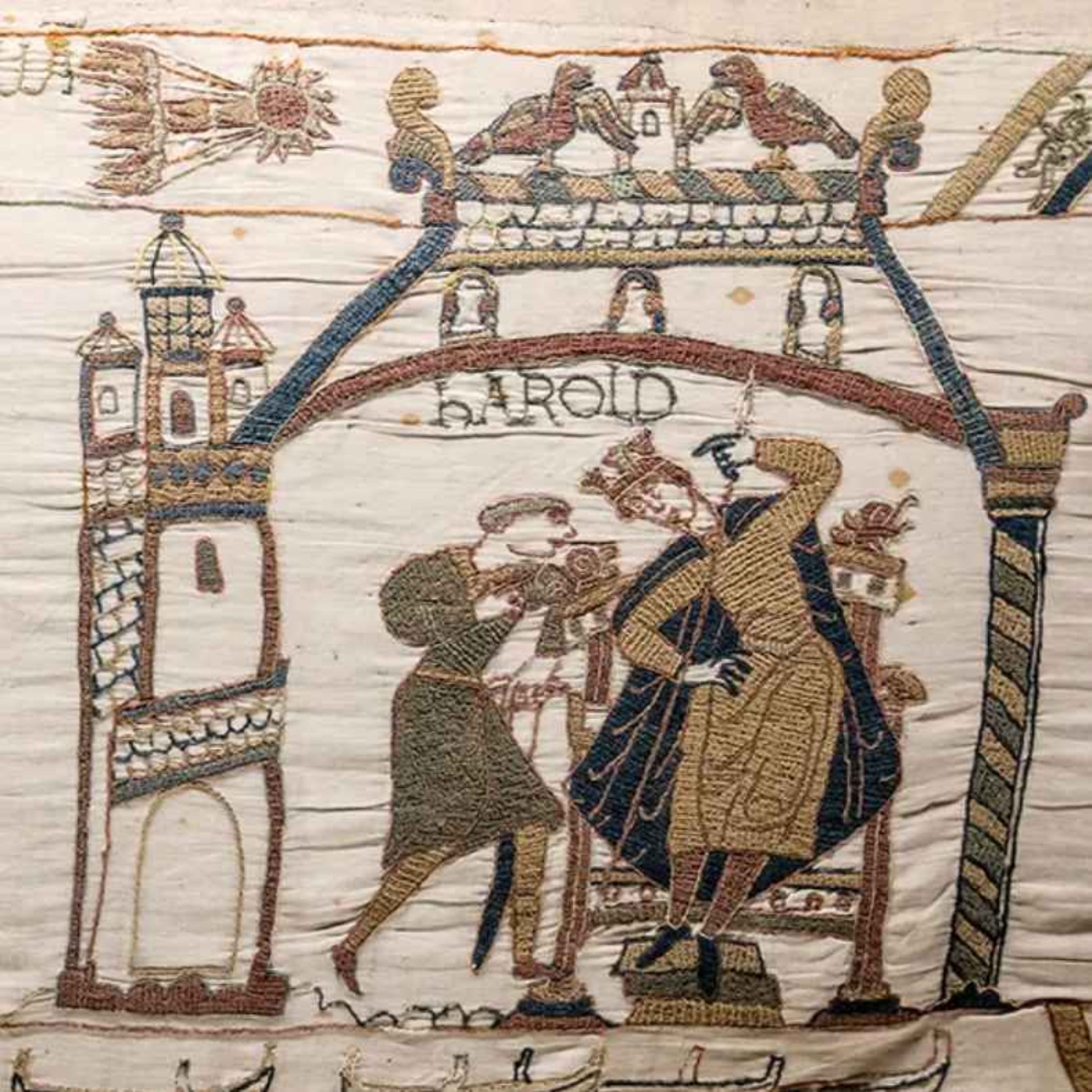
Spectator Out Loud: Tim Shipman, Arabella Byrne, Alex Burghart & Lloyd Evans
On this week’s Spectator Out Loud: Tim Shipman argues that politicians’ contempt for the press is really contempt for the public; Arabella Byrne asks if you have old money face; Alex Burghart says that Harold Godwinson has a touch of the Viking about him, as he reviews Harold: Warrior King by Tom Licence; and finally, Lloyd Evans reads his confessions of a dog hater. Produced and presented by Patrick Gibbons. Hosted on Acast. See acast.com/privacy for more information.

Get this podcast on your phone, Free


Create Your Podcast In Minutes
- Full-featured podcast site
- Unlimited storage and bandwidth
- Comprehensive podcast stats
- Distribute to Apple Podcasts, Spotify, and more
- Make money with your podcast
