The Thomistic Institute
https://feeds.cohostpodcasting.com/8dluqp75Episode List
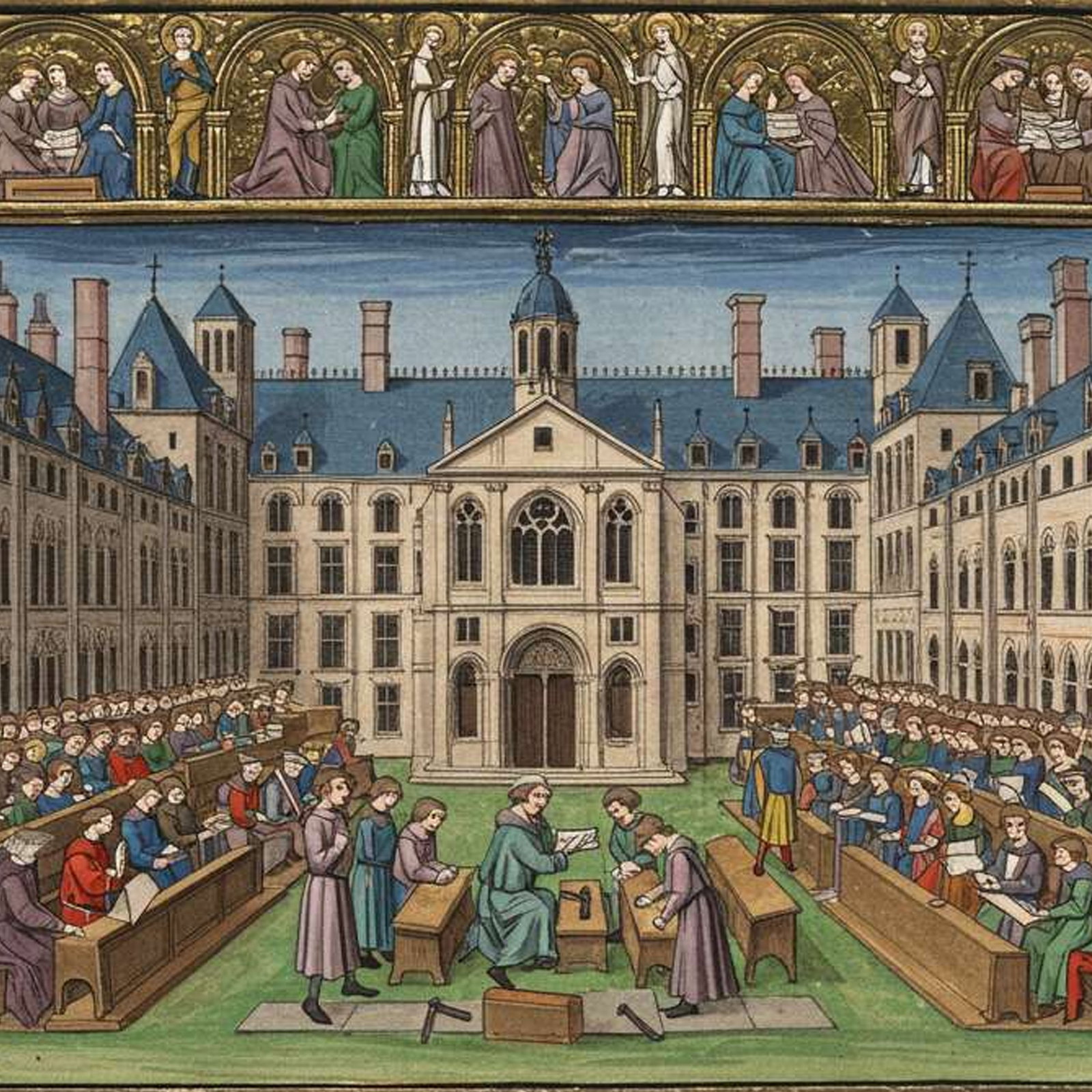
How Did Study Sanctify St. Thomas Aquinas? / How Does Study Sanctify Me? - Fr. Thomas Aquinas Pickett, O.P. & Sr. Anna Wray, O.P.
Fr. Thomas Aquinas Pickett and Sr. Anna Wray ask the question "How did study sanctify St. Thomas Aquinas?" St. Thomas serves as an exemplar of how study becomes holy when it is ordered by charity, tempered by right desire, and lived as a way of being with God.This lecture was given on June 27th, 2026, at Dominican House of Studies.For more information on upcoming events, visit us at thomisticinstitute.org/upcoming-eventsAbout the Speaker:Fr Thomas Aquinas Pickett is a son of Ellensburg, Washington and a member of the Western Dominican Province. Apart from running, board games, and coffee, he enjoys studying his namesake, St Thomas Aquinas. Having received his BA in Philosophy at Gonzaga University (where he was NOT a member of the basketball team), his MDiv and MA in theology from the DSPT, his STB from l’Institut Catholique de Toulouse, and his STL and STD from the Pontifical Faculty of the Immaculate Conception, he is now a professor of theology at the DSPT, assigned to St Albert the Great Priory.Sister Anna Wray is a native of Connecticut and a member of the Dominican Sisters of Saint Cecilia of Nashville, TN. Sister received her PhD in philosophy from The Catholic University of America, having written her dissertation on Aristotle’s account of the activity of contemplation. Sister is an assistant professor on the faculty of CUA's School of Philosophy in Washington, DC, where she regularly teaches courses in rhetoric, philosophy of religion, and philosophical psychology. She is also an adjunct professor for Aquinas College, where she teaches metaphysics and epistemology to her sisters in formation. Her research and conversational interests include imagination and attention in human agency and speech, the effects of technology on human agency, and form as function and unifying activity.Keywords: Charity, Contemplative Life, Dominican Life, Holy Study, Studiousness, Summa Theologiae, Temperance, Theology, Thomas Aquinas
God from God: Understanding the Trinity - Prof. Bruce Marshall
This lecture was given on April 23rd, 2026, at University of Louisiana at Lafayette.For more information on upcoming events, visit us at thomisticinstitute.org/upcoming-eventsAbout the Speaker:Bruce D. Marshall is Lehman Professor of Christian Doctrine at Southern Methodist University, and in 2023 he held the Aquinas Chair in the Thomistic Institute at the Angelicum in Rome. He is the author of Trinity and Truth and Christology in Conflict, and at present he is completing a book entitled The Primacy of Christ: Faith, Reason, and the Cross. Marshall has written extensively on the doctrines of the Trinity, the person and redemptive work of Christ, the Eucharist, the Catholic Church and non-Christian religions, and the relationship between faith and reason. He received his B.A. from Northwestern University and his Ph.D. from Yale University, and is a past President of the Academy of Catholic Theology.
Why be Philosophical? - Prof. Marshall Bierson
Prof. Marshall Bierson asks what it really means to be philosophical, and he takes listeners through the subtle ways our love of truth gets derailed—by winning, by approval, by self-justification, and even by mistaking the feeling of insight for insight itself.This lecture was given on June 27th, 2026, at Dominican House of Studies.For more information on upcoming events, visit us at thomisticinstitute.org/upcoming-eventsAbout the Speaker:Marshall Bierson is an assistant professor of philosophy at the Catholic University of America. His research centers on the intersection of ethics and philosophical anthropology. He is particularly focused on the work of Elizabeth Anscombe and in exploring how her Thomisticly inflected philosophical psychology clarifies moral absolutes.Keywords: Aquinas, C. S. Lewis, C. S. Peirce, Debate, Gorgias, Philosophy, Plato, Rationalization, Socrates, Truth
Why be Theological? - Prof. Joshua Benson
Prof. Joshua Benson asks why we should be theological, and he answers with a vivid case for studying the faith: to think more deeply, speak more clearly to others, and let theology shape both mind and life.This lecture was given on June 27th, 2026, at Dominican House of Studies.For more information on upcoming events, visit us at thomisticinstitute.org/upcoming-eventsAbout the Speaker:Joshua Benson specializes in Medieval Theology. He has taught at The Catholic University of America since 2008 and served as Chair of the Department of Theology and Franciscan Studies at St. Bonaventure University from 2018-2020.Keywords: Augustine, Bonaventure, Children, Contemplation, Faith Seeking Understanding, Lectio, Memory, Peter Lombard, Theology, Thomas Aquinas
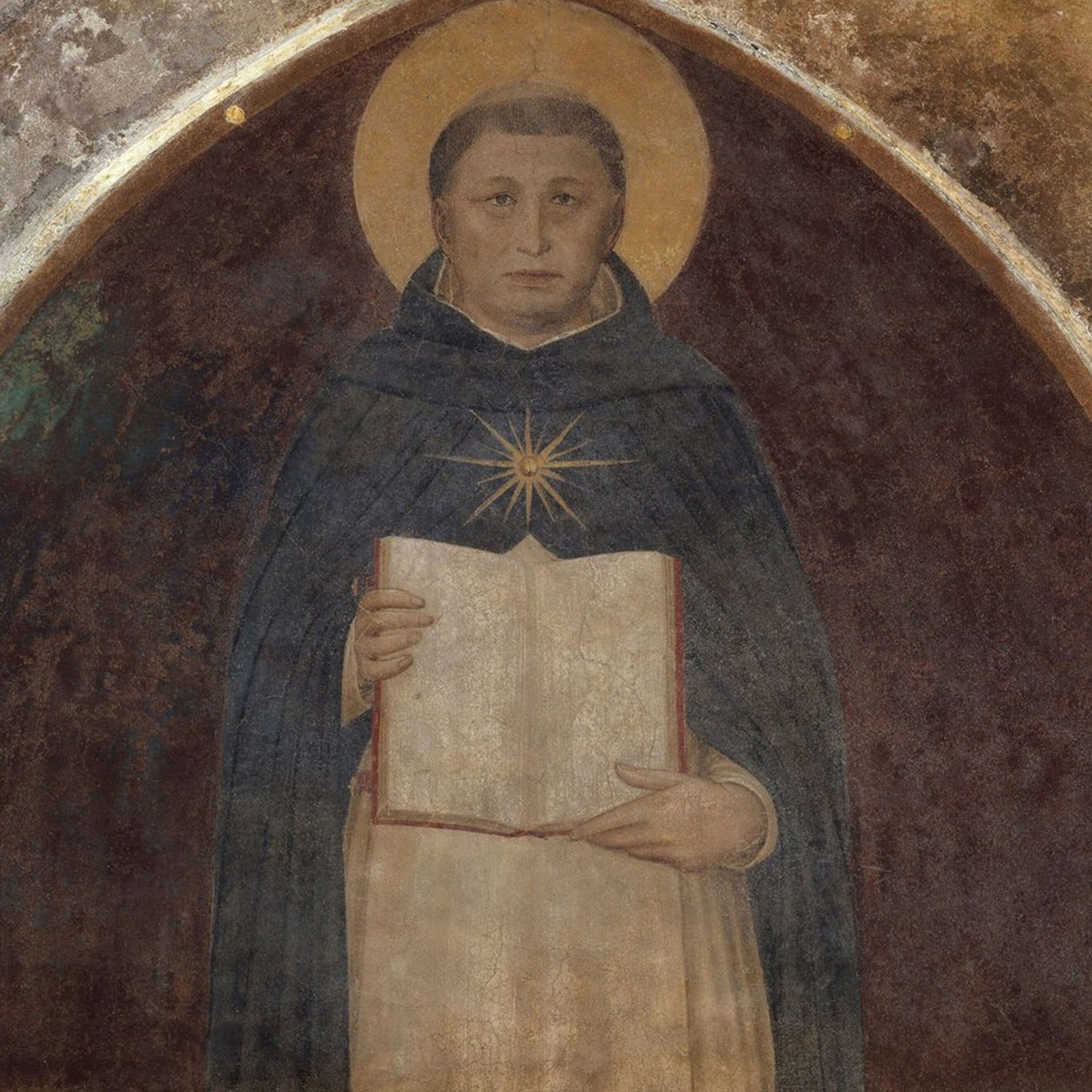
The Summa Illuminated: A Guide to St. Thomas Aquinas’s Masterpiece - Fr. Cajetan Cuddy, O.P.
Fr. Cajetan Cuddy shows why Aquinas’s Summa Theologiae still matters today, presenting it as a clear, enduring roadmap for understanding Catholic truth, teaching beginners, and thinking more carefully about God, the world, and the human person.This lecture was given on April 13th, 2026, at Dominican House of Studies.Apply for the Thomistic Institute Study Abroad program by August 1, 2026. To learn more, visit https://thomisticinstitute.org/study-abroad. About the Speaker:Fr. Cajetan Cuddy, O.P. teaches dogmatic and moral theology at the Dominican House of Studies in Washington, D.C. He is General Editor of the ENCYCLOPEDIA OF CATHOLIC THEOLOGY (ect.org). Fr. Cuddy is the author of the book Catholic Theology: An Introduction (ECT Press, 2025). He has written for numerous publications on the philosophy and theology of St. Thomas Aquinas and the Thomist Tradition.Keywords: beginners, causality, Catholic truth, doctrine, divine truth, pedagogy, sacred teaching, Summa Theologiae, Thomas Aquinas, theology
You may also like

Get this podcast on your phone, Free


Create Your Podcast In Minutes
- Full-featured podcast site
- Unlimited storage and bandwidth
- Comprehensive podcast stats
- Distribute to Apple Podcasts, Spotify, and more
- Make money with your podcast
