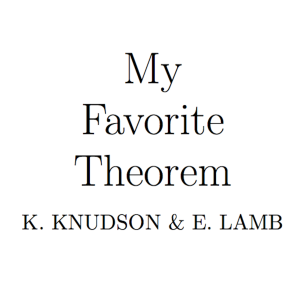
In this episode, Thomas Plümper and Eric Neumayer explore the hidden challenges in modern science, from outright fraud to the subtler practice of “tweaking” data that distorts results. They examine why the self-correcting nature of science often falls short, how incentives and academic pressure drive misconduct, and the double-edged role of AI in both enabling and detecting fraud. The conversation also tackles debates around p-values and statistical reasoning, shares cautionary case studies, and proposes solutions like greater data transparency and stronger verification standards.
Chapters
00:00 Introduction to Fraud in Research
06:21 The Nature of Fraud Detection
08:56 Incentives and Motivations for Fraud
10:43 Self-Correction in Science
12:13 Understanding Statistical Significance
13:04 The Role of Replication in Research
14:32 Bayesian vs Frequentist Approaches
23:09 Understanding Bayesian Statistics and Its Implications
26:24 The Humility of Empirical Science
27:16 Concrete Examples of Scientific Fraud
32:52 Proposed Solutions to Scientific Fraud
34:50 The Reality of Scientific Fraud and Human Nature
Guest Links
You can purchase their book here (https://amzn.to/3Ole3lY)
Follow Eric Neumayer on LinkedIn - (https://linkedin.com/in/ericneumayer)
Follow Breaking Math on
Substack (https://breakingmath.substack.com/)
Twitter (https://x.com/breakingmathpod)
Instagram (https://www.instagram.com/breakingmathmedia/)
Bluesky (https://bsky.app/profile/breakingmath.bsky.social)
Website (https://www.breakingmath.io/)
YouTube (https://www.youtube.com/@BreakingMathPod)
Follow Noah on
Instagram (https://www.instagram.com/profnoahgian/)
Twitter (https://x.com/ProfNoahGian)
Bluesky (https://bsky.app/profile/profnoahgian.bsky.social)
Follow Autumn on
Twitter (https://x.com/1autumn_leaf)
Bluesky (https://bsky.app/profile/1autumnleaf.bsky.social)
Instagram (https://www.instagram.com/1autumnleaf/)
Substack (https://substack.com/@1autumnleaf)
email: breakingmathpodcast@gmail.com